The Rise of the Drone Swarm: A New Era in Military Strategy
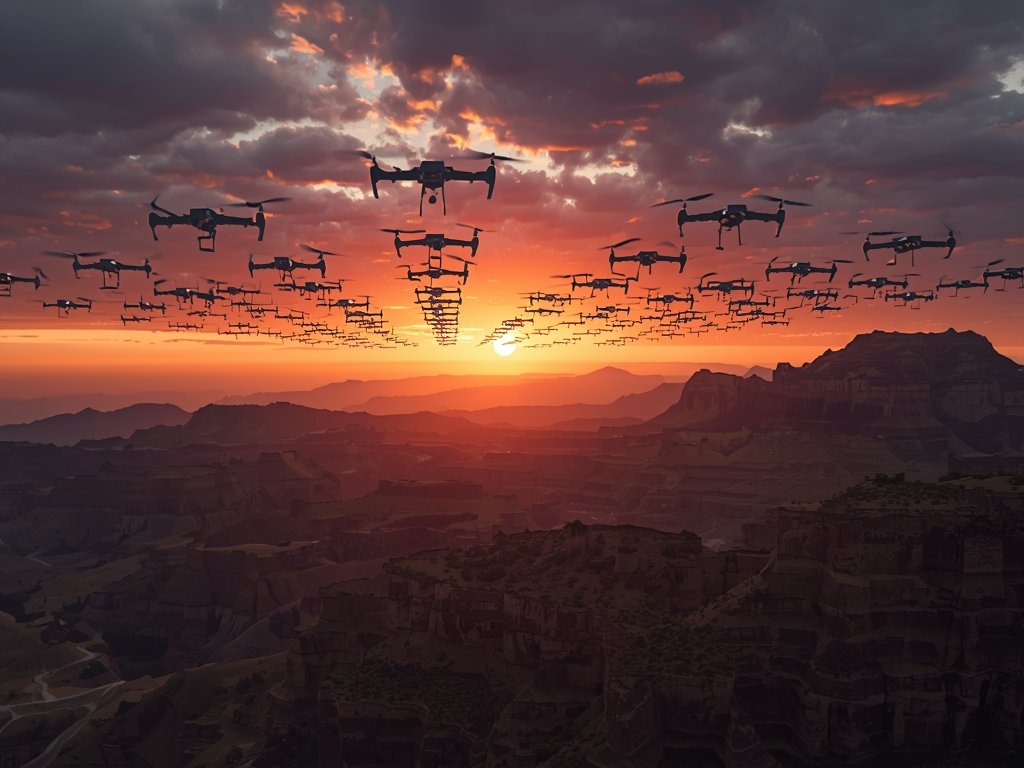
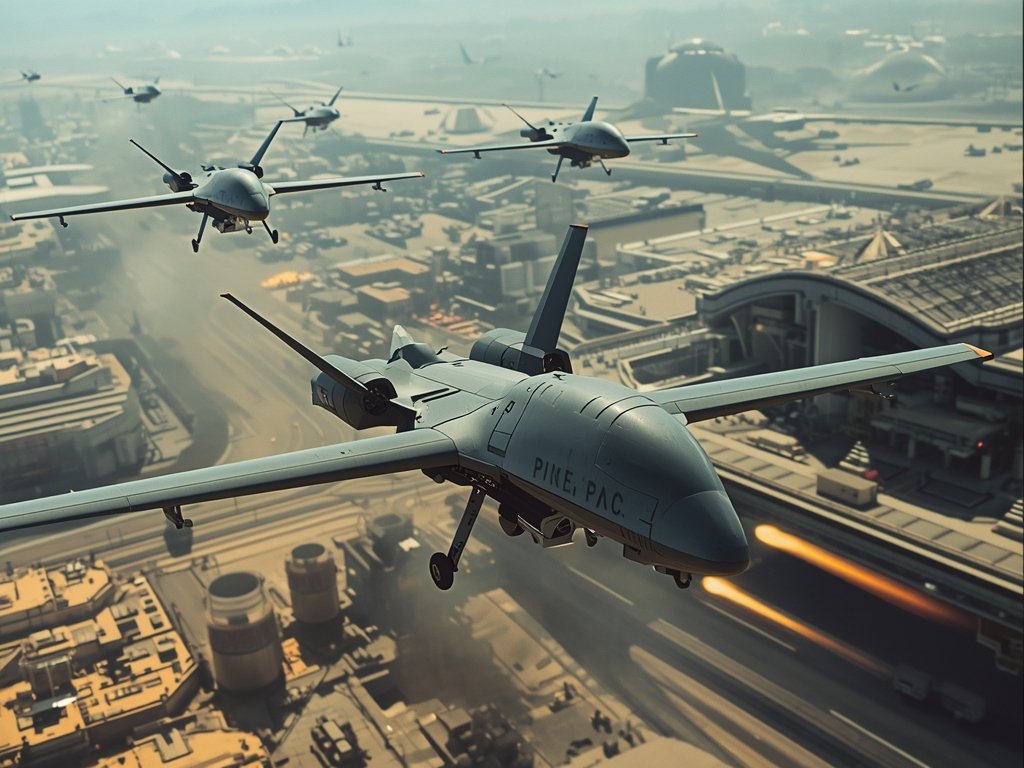
In the vast expanse of the American Southwest, where the air is crisp and the skies are limitless, a new breed of military technology is taking flight. Drone swarm technology, once a concept relegated to science fiction, is now a reality, and it’s changing the face of modern warfare. As the United States continues to push the boundaries of innovation, drone swarms are emerging as a game-changer, offering unprecedented capabilities and strategic advantages.
What Are Drone Swarms and How Do They Work?

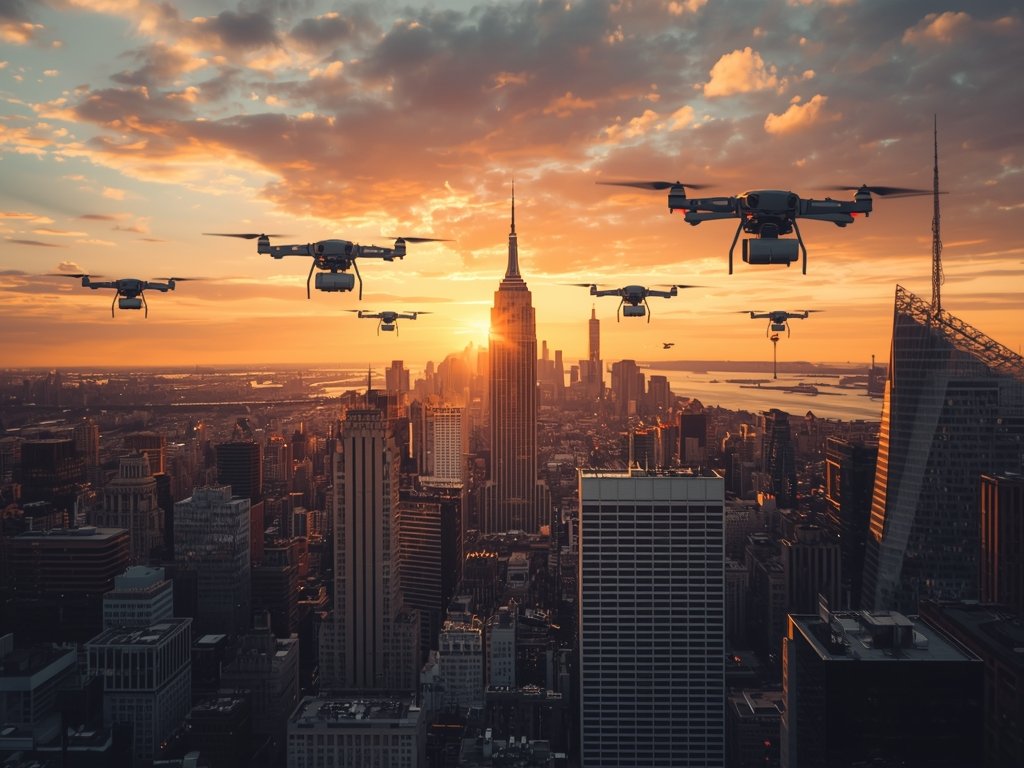
Drone swarms, at their core, are a collection of unmanned aerial vehicles (UAVs) that operate in a coordinated, synchronized manner. These swarms can consist of dozens, hundreds, or even thousands of individual drones, each equipped with advanced sensors, communication systems, and autonomous capabilities. The key to their effectiveness lies in their ability to communicate and collaborate with one another, enabling them to perform complex tasks and adapt to changing environments in real-time.
The Technology Behind Drone Swarms
At the heart of drone swarm technology is a sophisticated network of communication and control systems. Each drone is equipped with advanced sensors, including cameras, lidar, and radar, which enable it to perceive its environment and navigate with precision. These sensors are connected to a central command system, which processes the data and coordinates the movements of the entire swarm.
The Strategic Advantages of Drone Swarms
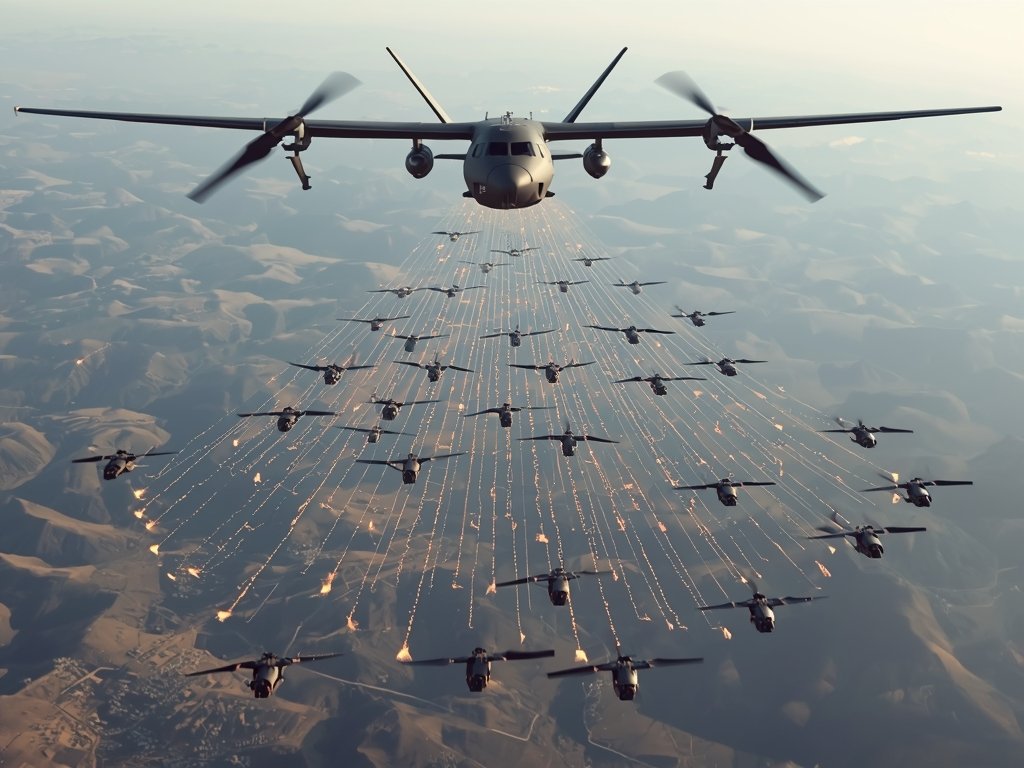
The strategic advantages of drone swarms are numerous and far-reaching. From enhanced situational awareness to increased firepower and precision, these swarms offer a range of capabilities that traditional military assets cannot match. One of the key advantages of drone swarms is their ability to provide real-time intelligence, surveillance, and reconnaissance (ISR) data, enabling commanders to make informed decisions and respond rapidly to changing situations.
Applications in Modern Warfare
Drone swarms have a wide range of applications in modern warfare, from reconnaissance and surveillance to targeted strikes and electronic warfare. In the United States, the military is exploring the use of drone swarms in a variety of scenarios, including border security, disaster response, and counter-terrorism operations. For example, drone swarms could be used to rapidly deploy sensors and communication systems in the aftermath of a natural disaster, providing critical information and coordination capabilities to first responders.
The Future of Drone Swarm Technology

As drone swarm technology continues to evolve, we can expect to see even more advanced capabilities and applications emerge. The United States is investing heavily in research and development, with a focus on improving the autonomy, endurance, and payload capacity of drone swarms. One area of particular interest is the development of swarms that can operate in contested environments, where electronic warfare and cyber threats are prevalent.
Challenges and Limitations
Despite their many advantages, drone swarms are not without their challenges and limitations. One of the primary concerns is the potential for swarm systems to be hacked or disrupted, which could have serious consequences in a military context. Additionally, the development and deployment of drone swarms require significant investment in infrastructure, training, and maintenance, which can be a barrier to adoption for some organizations.
Drone Swarms and National Security
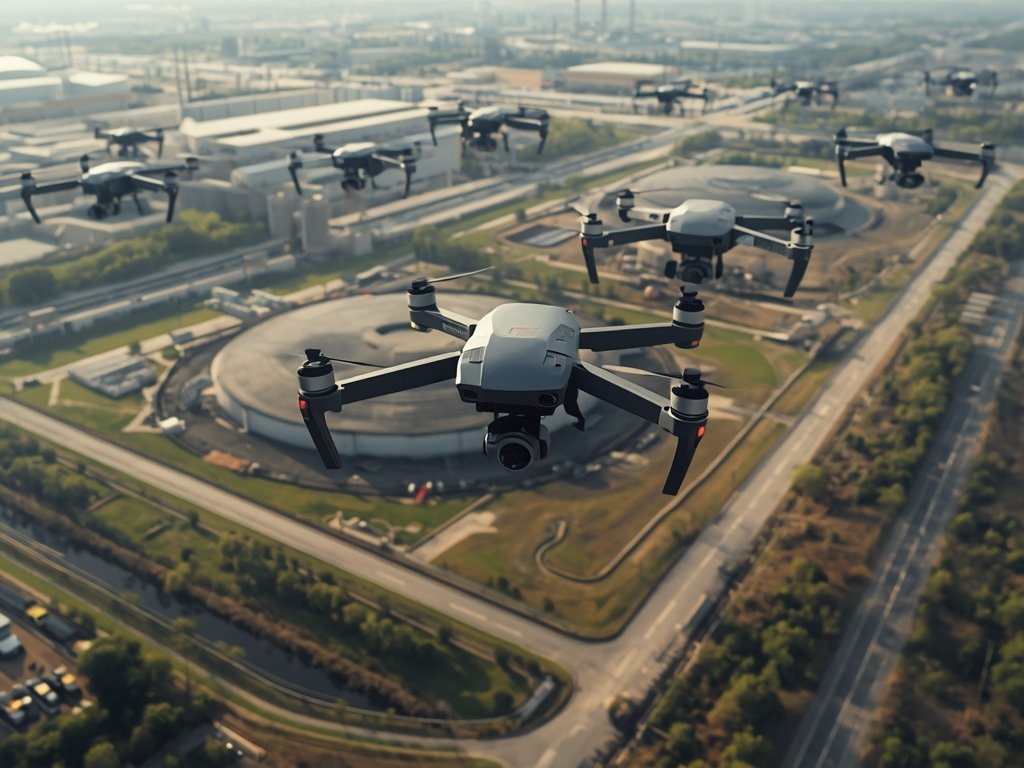
In the context of national security, drone swarms have the potential to play a critical role in protecting critical infrastructure, responding to emergencies, and deterring potential threats. The United States is already exploring the use of drone swarms in a variety of security applications, from border patrol to cybersecurity. By leveraging the unique capabilities of drone swarms, the US can enhance its situational awareness, response times, and overall security posture.
Ethical Considerations
As with any new technology, the development and deployment of drone swarms raise important ethical considerations. The use of autonomous systems in warfare, for example, raises questions about accountability, responsibility, and the potential for unintended consequences. It is essential that the United States engages in open and transparent dialogue about the ethical implications of drone swarm technology, and works to establish clear guidelines and regulations to govern its use.
FAQ
What is the range of a typical drone swarm?
The range of a drone swarm can vary widely depending on the specific system and its intended application. Some swarms are designed for short-range operations, while others can travel hundreds of miles on a single charge.
How do drone swarms communicate with each other?
Drone swarms typically use a combination of radio frequency (RF) communication, satellite links, and mesh networking to coordinate their movements and share data. This enables them to operate as a cohesive unit, even in complex and dynamic environments.
Can drone swarms be used for non-military applications?
Yes, drone swarms have a wide range of non-military applications, including search and rescue, environmental monitoring, and precision agriculture. Their ability to cover large areas quickly and efficiently makes them ideal for tasks that require rapid data collection and analysis.
What is the future of drone swarm technology in the United States?
The future of drone swarm technology in the United States is bright, with significant investment and research being directed towards improving their capabilities and expanding their applications. As the technology continues to evolve, we can expect to see drone swarms play an increasingly important role in areas such as national security, disaster response, and critical infrastructure protection.
How do drone swarms compare to traditional military assets?
Drone swarms offer several advantages over traditional military assets, including increased speed, agility, and precision. They can also operate in environments that are too dangerous or inaccessible for human pilots, making them ideal for a range of missions and operations.
Your definitive resource for drone technology. From expert reviews of the latest DJI models to professional Part 107 flight training and industry regulations