
The Sky’s Not the Limit: Navigating Drone Privacy Laws in the US
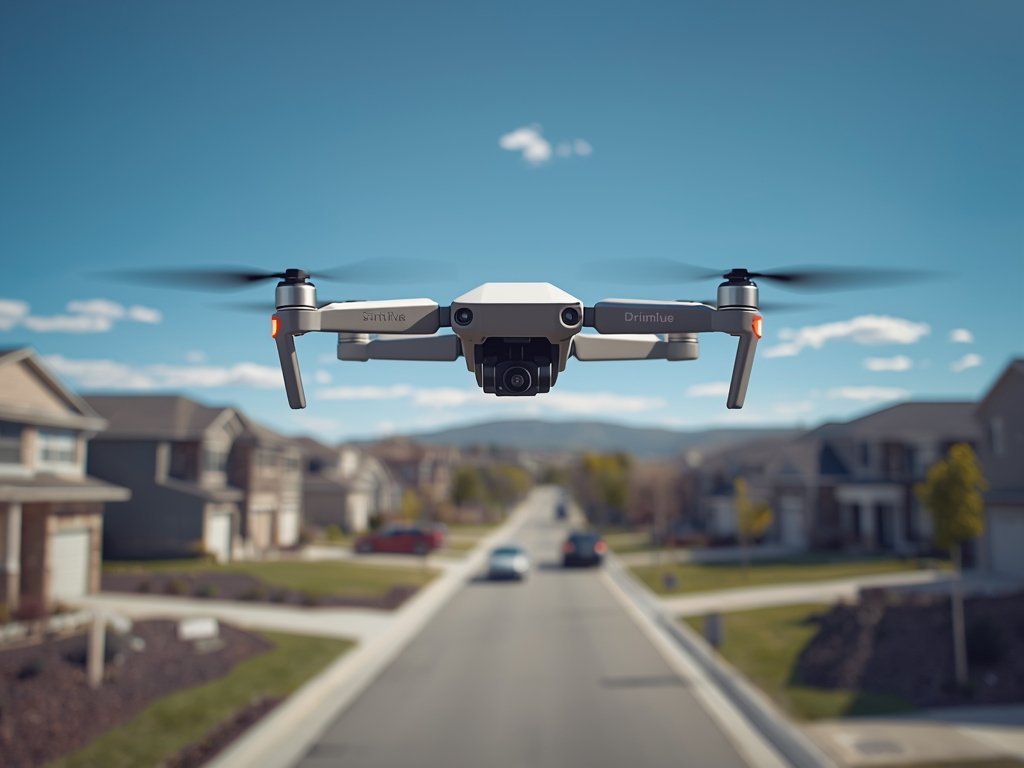
As drones become increasingly popular among hobbyists, photographers, and commercial operators, it’s essential to understand the complex web of privacy laws that govern their use. In the United States, drone pilots must navigate a patchwork of federal, state, and local regulations to ensure they’re flying legally and responsibly. This article will explore five critical aspects of drone privacy laws that every pilot must know.
Where to Fly (and Where Not to)
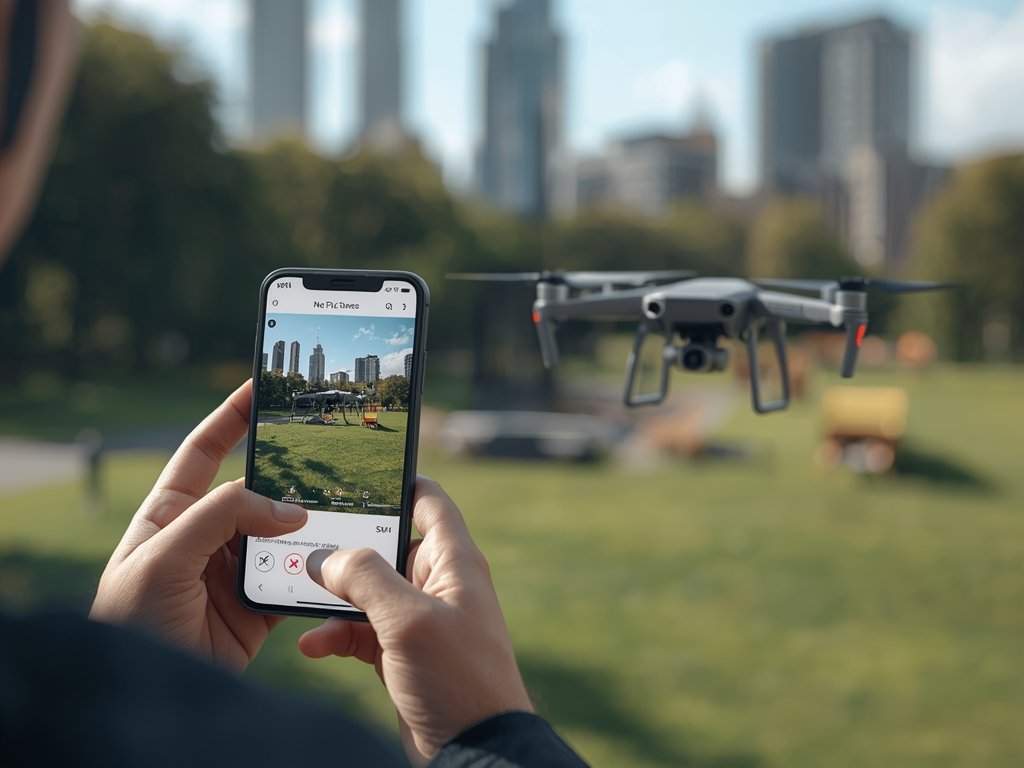
Federal No-Fly Zones: Restricted Airspace
The Federal Aviation Administration (FAA) has established several no-fly zones where drones are prohibited, including airports, military bases, and national parks. Pilots must be aware of these restricted areas and avoid flying within a 5-mile radius of airports without prior authorization.
Additionally, Temporary Flight Restrictions (TFRs) may be implemented during special events, natural disasters, or other emergencies. Always check the FAA’s UAS Facility Maps and TFR websites before flying.
State and Local Regulations: A Patchwork of Rules
Beyond federal regulations, individual states and localities have enacted their own drone laws. For example, California prohibits drones from flying over private property without consent, while New York City bans drones in most public parks. Research local regulations in your area to avoid unintentional violations.
Capturing Images and Video: Know Your Limits
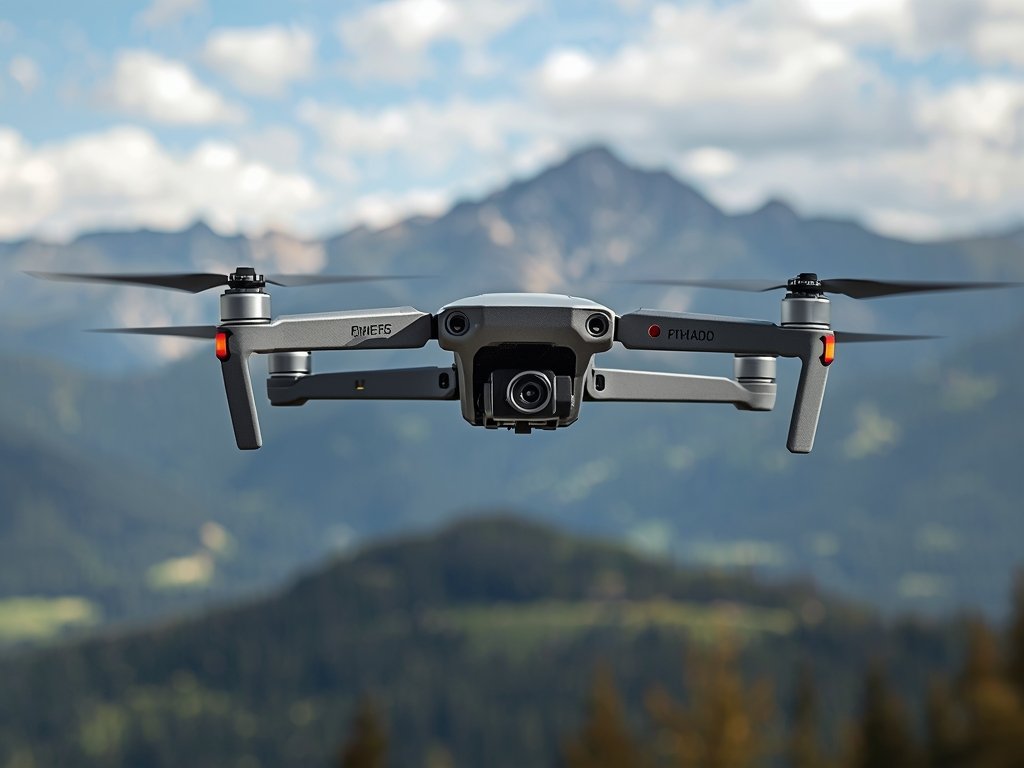
Privacy Expectations: What’s Legal and What’s Not
When capturing images or video with a drone, pilots must respect individuals’ privacy expectations. While the First Amendment protects the right to photograph or record in public spaces, certain situations may violate privacy laws. For instance, using a drone to peek into someone’s window or capture footage of a private event without consent can lead to legal consequences.
Commercial Use: Additional Considerations
Commercial drone pilots must comply with additional regulations, such as obtaining a Part 107 certification from the FAA. When capturing footage for commercial purposes, ensure you have the necessary permissions and releases from individuals featured in the content. Failure to do so can result in costly lawsuits and damage to your reputation.
Data Collection and Storage: A Delicate Balance

Personal Data Protection: Staying Compliant
Drones equipped with cameras and sensors can collect vast amounts of personal data, from facial recognition to location tracking. Pilots must ensure they’re collecting, storing, and using this data in compliance with relevant laws, such as the General Data Protection Regulation (GDPR) for international operations or state-specific data protection laws like the California Consumer Privacy Act (CCPA).
Cybersecurity Risks: Protecting Your Data
As drones become more connected, they also become vulnerable to cyberattacks. Implement robust security measures to protect your drone’s data, including encryption, secure storage, and regular software updates. Be aware of potential risks, such as hacking or data breaches, and take proactive steps to mitigate them.
Enforcement and Penalties: The Consequences of Non-Compliance

Federal and State Penalties: Fines and Legal Action
Violating drone privacy laws can result in severe consequences, including hefty fines, legal action, and even criminal charges. The FAA may impose civil penalties of up to $27,500 per violation, while state and local authorities can enforce their own penalties. In extreme cases, pilots may face criminal charges for reckless or malicious drone use.
Civil Lawsuits: Protecting Yourself
In addition to regulatory penalties, drone pilots may face civil lawsuits from individuals whose privacy has been violated. To protect yourself, consider obtaining liability insurance and consulting with a legal professional to ensure you’re compliant with all relevant laws and regulations.
Staying Informed and Compliant: A Continuous Process

Keeping Up with Changing Regulations
Drone privacy laws are constantly evolving, with new regulations and court decisions shaping the legal landscape. Stay informed by regularly checking the FAA’s website, subscribing to industry newsletters, and attending workshops or seminars on drone privacy laws. Join online communities and forums to connect with other pilots and share knowledge and best practices.
Best Practices for Responsible Drone Use
To minimize the risk of privacy violations, follow these best practices:
- Always obtain permission before flying over private property
- Avoid flying near people, especially in crowded areas
- Respect individuals’ privacy expectations and avoid capturing footage of sensitive locations
- Be transparent about your drone use and provide notice when capturing footage in public spaces
By prioritizing privacy and compliance, drone pilots can enjoy the benefits of this exciting technology while minimizing the risks to themselves and others.
FAQ
Can I fly my drone over someone’s backyard?
Flying over private property without consent can violate privacy laws and lead to legal consequences. Always obtain permission from the property owner before flying over their land.
Do I need a license to fly a drone for commercial purposes?
Yes, commercial drone pilots must obtain a Part 107 certification from the FAA, which requires passing a knowledge test and meeting specific requirements.
Can I use my drone to capture footage of a public event?
While capturing footage of public events is generally allowed, be mindful of individuals’ privacy expectations and avoid capturing sensitive or personal information without consent.
What should I do if I’m involved in a drone-related incident?
If you’re involved in a drone-related incident, such as a crash or privacy violation, report it to the FAA and local authorities immediately. Cooperate fully with any investigations and consider consulting with a legal professional to protect your rights.
How can I stay up-to-date on changing drone privacy laws?
Regularly check the FAA’s website, subscribe to industry newsletters, and attend workshops or seminars on drone privacy laws. Join online communities and forums to connect with other pilots and share knowledge and best practices.
Join Our Pilot Community
Connect with fellow drone enthusiasts, share your aerial shots, and get access to free PDF ebook guides.