
The Sky’s Not the Limit: Navigating Drone Laws Over Private Property
As drones become more accessible, the skies above our homes are getting busier. But with great aerial footage comes great responsibility. Flying a drone over private property in the United States isn’t as straightforward as you might think. This guide will help you navigate the legal landscape, ensuring you stay on the right side of the law while capturing stunning footage.
Understanding Airspace Rights: Who Owns the Sky?

In the US, property rights extend indefinitely upward, but with limitations. The Federal Aviation Administration (FAA) regulates navigable airspace, which generally starts at 500 feet above ground level. Below this, the property owner has certain rights, but it’s not a clear-cut boundary.
The concept of ‘air rights’ is complex. While you own the land and the airspace immediately above it, the law recognizes the need for aircraft to pass over private property. This is where the ‘navigable airspace’ comes into play, allowing drones and aircraft to fly above a certain height without trespassing.
The 400-Foot Rule and Beyond
FAA regulations state that drones should not fly higher than 400 feet above ground level. This rule is in place to prevent interference with manned aircraft and to ensure safety. However, it doesn’t automatically grant you the right to fly at this altitude over someone’s property.
In a landmark case, *United States v. Causby* (1946), the Supreme Court ruled that a farmer had property rights up to 83 feet above his land, where low-flying military planes were causing a nuisance. This case set a precedent, but it’s essential to note that drone technology and regulations have evolved significantly since then.
Trespassing with Drones: A Legal Gray Area
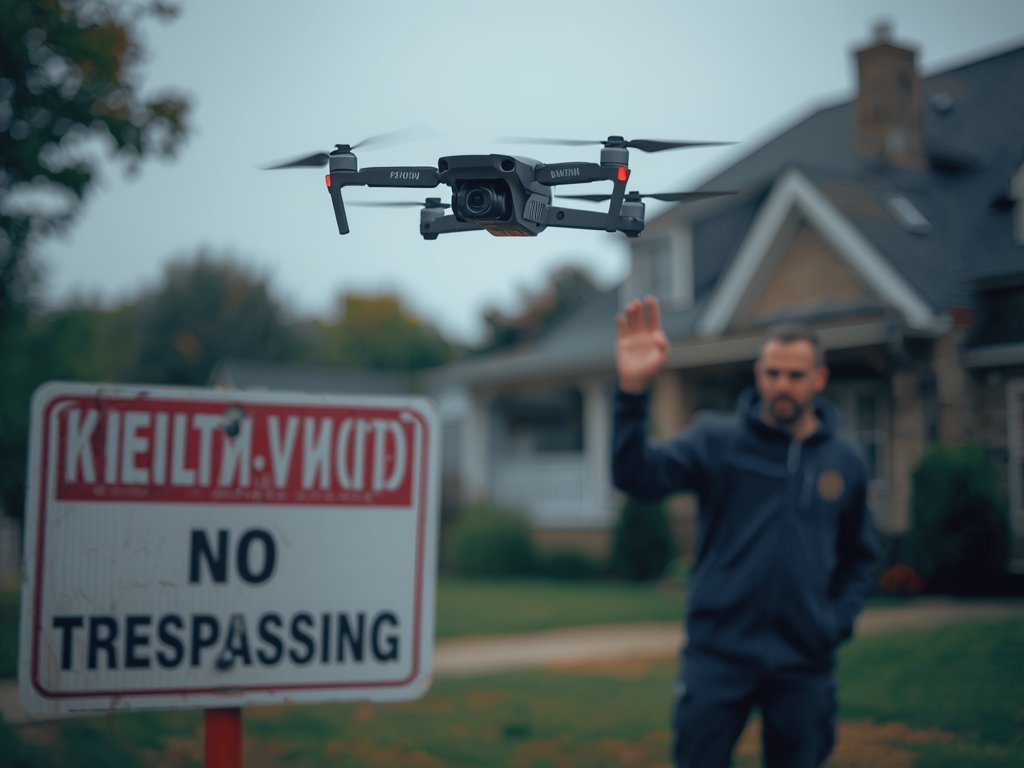
Flying a drone over private property can potentially be considered trespassing, but the laws are not uniform across the US. Some states have specific laws addressing drone trespassing, while others rely on existing privacy and nuisance laws.
In California, for example, it is illegal to fly a drone less than 350 feet above private property without the owner’s consent. Other states, like Florida, have more general laws that could be applied to drone trespassing, focusing on invasion of privacy and harassment.
Privacy Concerns and Peeping Drones
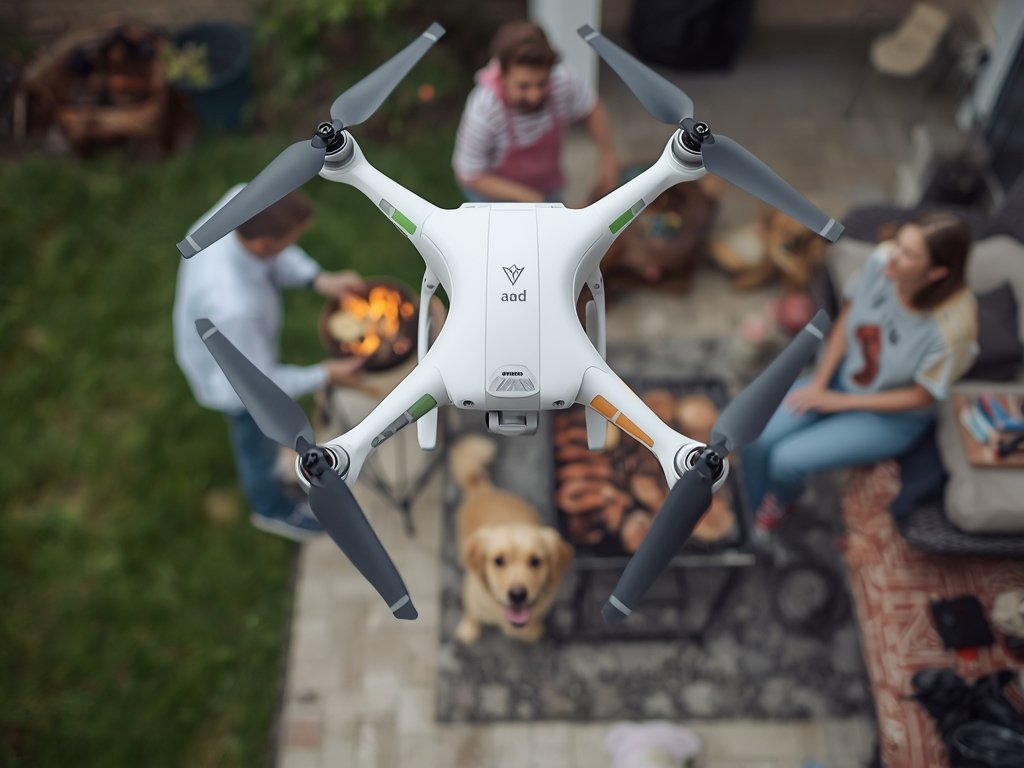
One of the primary concerns with drones flying over private property is privacy invasion. Drones equipped with high-resolution cameras can capture detailed images and videos, potentially violating an individual’s reasonable expectation of privacy.
In 2019, a Kentucky man was charged with voyeurism and criminal trespassing for using a drone to peek into a neighbor’s bedroom. This case highlights the importance of respecting privacy, even when flying within legal limits.
State-by-State Drone Laws: A Patchwork of Regulations
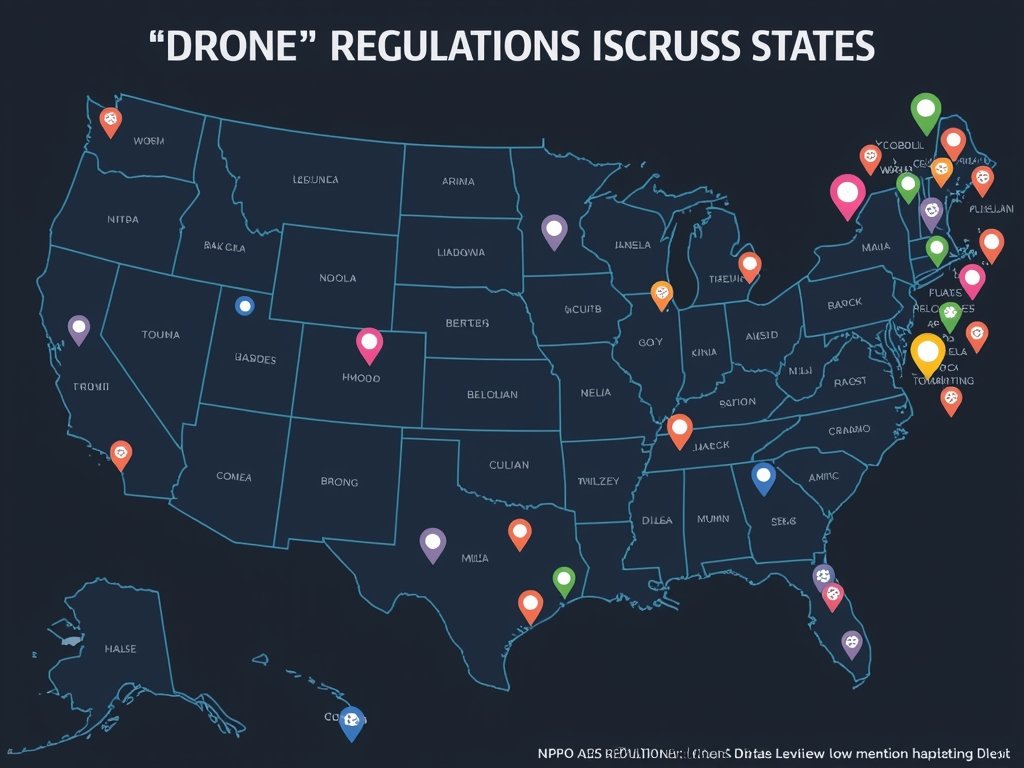
Drone regulations in the US are a patchwork of federal and state laws. While the FAA sets the overarching rules, individual states have enacted their own legislation, creating a complex legal landscape for drone operators.
Some states, like Texas, have relatively lenient laws, allowing drones to fly over private property as long as they are not causing a nuisance. In contrast, states like Illinois have stricter regulations, requiring consent from property owners for any drone flight over their land.
Local Ordinances: The Devil is in the Details
Beyond state laws, local municipalities may have their own drone ordinances. These can include restrictions on flying in certain areas, such as parks or near schools, and may impose additional requirements for commercial drone operations.
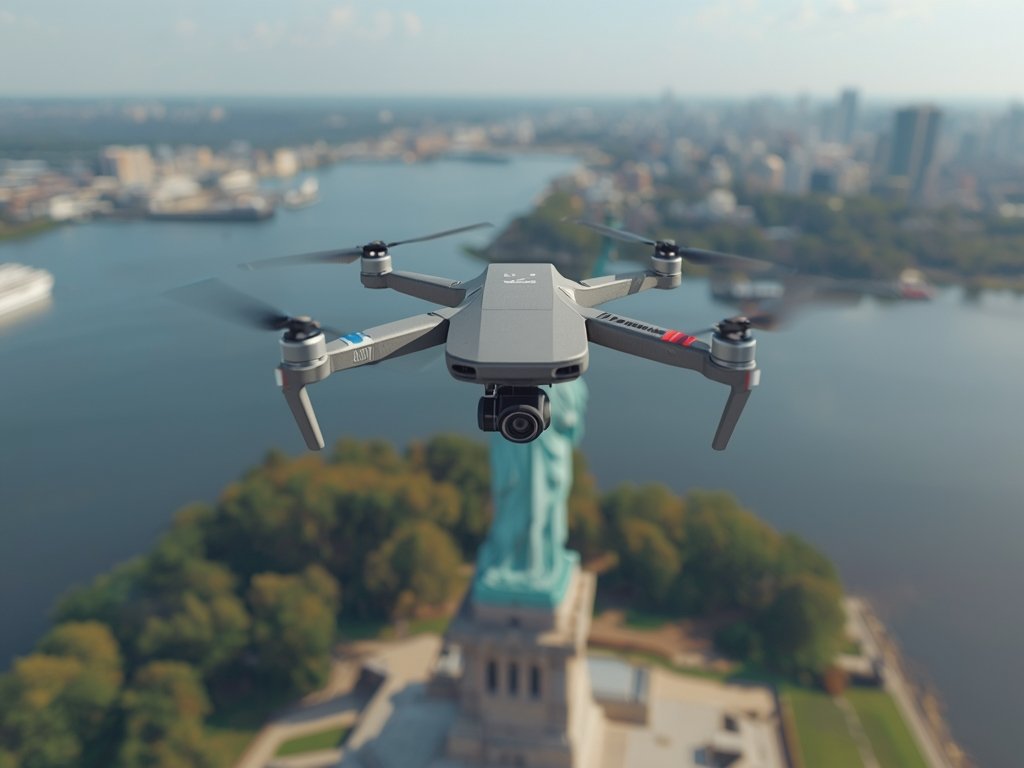
For instance, New York City has designated ‘no-fly zones’ in areas like Central Park and the Statue of Liberty, while also requiring permits for commercial drone use. It’s crucial to check local regulations before taking off.
Commercial vs. Recreational Drone Use: Different Rules Apply
The FAA distinguishes between commercial and recreational drone use, with different rules and requirements for each. Understanding this distinction is vital to ensure compliance with the law.
Commercial drone operations, such as aerial photography for real estate or inspections, require a Remote Pilot Certificate and must follow specific guidelines. Recreational flyers, on the other hand, must register their drones if they weigh between 0.55 lbs and 55 lbs and follow community-based safety guidelines.
Part 107: The Commercial Drone Pilot’s Bible
Part 107 of the FAA regulations outlines the rules for commercial drone operations. This includes restrictions on flying over people, maintaining visual line-of-sight, and operating during daylight hours (or civil twilight with proper lighting).
Commercial pilots must also obtain a waiver for certain operations, such as flying beyond visual line-of-sight or at night. These waivers are granted on a case-by-case basis, ensuring safety and compliance with aviation regulations.
Best Practices for Drone Pilots: Staying on the Right Side of the Law
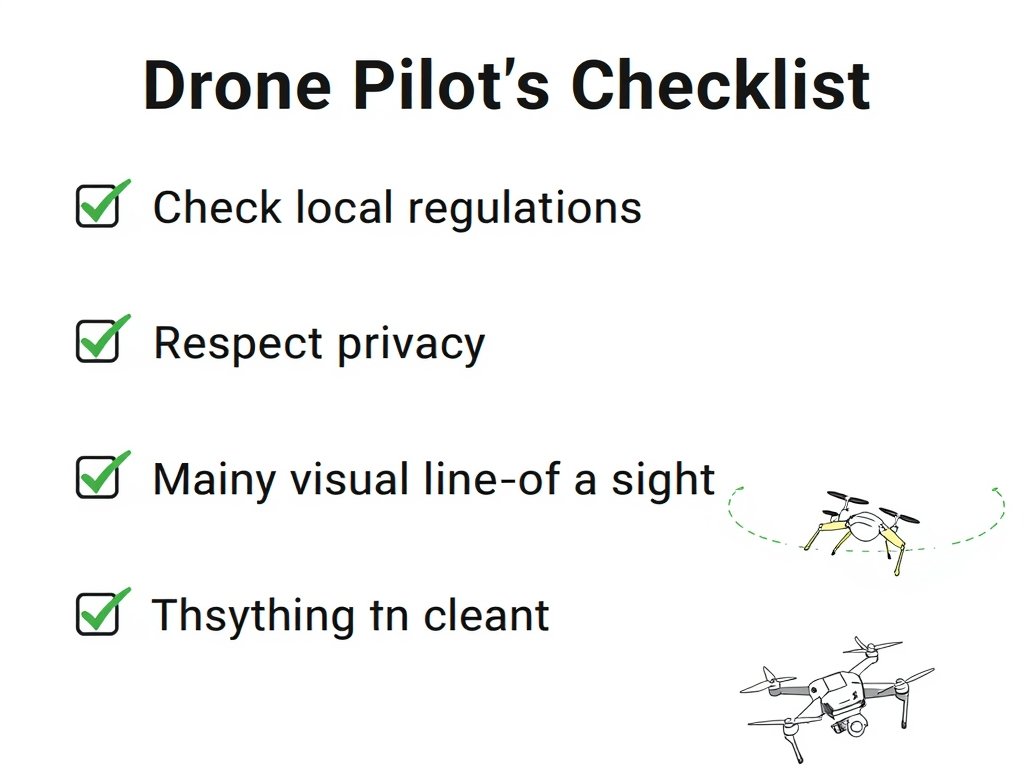
To ensure a smooth and legal drone flying experience, follow these best practices:
- Research Local Laws: Before flying, check state and local regulations. Websites like the FAA’s UAS Data Map provide valuable information on airspace restrictions.
- Respect Privacy: Avoid flying over private property without consent, especially in areas where people expect privacy, like backyards and bedrooms.
- Maintain Visual Line-of-Sight: Keep your drone within sight at all times, ensuring you can react to any potential hazards or changes in the environment.
- Be Mindful of Noise: Drones can be loud, especially in quiet neighborhoods. Fly at appropriate times and be considerate of others.
- Stay Informed: Drone regulations are evolving. Stay updated with the latest FAA guidelines and local ordinances to ensure compliance.
FAQ: Drone Flying Over Private Property
Can I fly my drone over my neighbor’s house?
It depends on your location and the height of your flight. In some states, flying below 350-400 feet may be considered trespassing without consent. Always check local laws and respect your neighbor’s privacy.
What if I accidentally fly over private property?
If you unintentionally fly over someone’s property, promptly move your drone away. If confronted, explain the situation and apologize. In most cases, accidental flights are not considered trespassing, but it’s essential to be respectful and aware of your surroundings.
Do I need permission to fly a drone for commercial purposes?
Yes, commercial drone operations require a Remote Pilot Certificate and adherence to Part 107 regulations. You may also need additional waivers for certain types of flights. Always ensure you have the necessary permissions and documentation.
Can I fly my drone at night?
Recreational flyers are generally restricted to daylight hours. Commercial pilots can fly at night with proper lighting and a waiver from the FAA. Always check the specific rules for your type of operation.
What should I do if I’m accused of drone trespassing?
If you’re confronted by a property owner, remain calm and polite. Explain your intentions and provide any necessary documentation, such as your drone registration or commercial pilot certificate. If the issue escalates, seek legal advice to understand your rights and responsibilities.
Join Our Pilot Community
Connect with fellow drone enthusiasts, share your aerial shots, and get access to free PDF ebook guides.