
The Sky’s New Rules: Why Drone Insurance is Non-Negotiable in 2026

As of 2026, the Federal Aviation Administration (FAA) has made it clear: drone insurance isn’t just a good idea—it’s the law. Whether you’re a hobbyist capturing stunning landscapes or a commercial pilot delivering packages, understanding the ins and outs of this mandate is crucial. Let’s dive into why this change is happening and what it means for you.
The Rise of Drones: A Double-Edged Sword
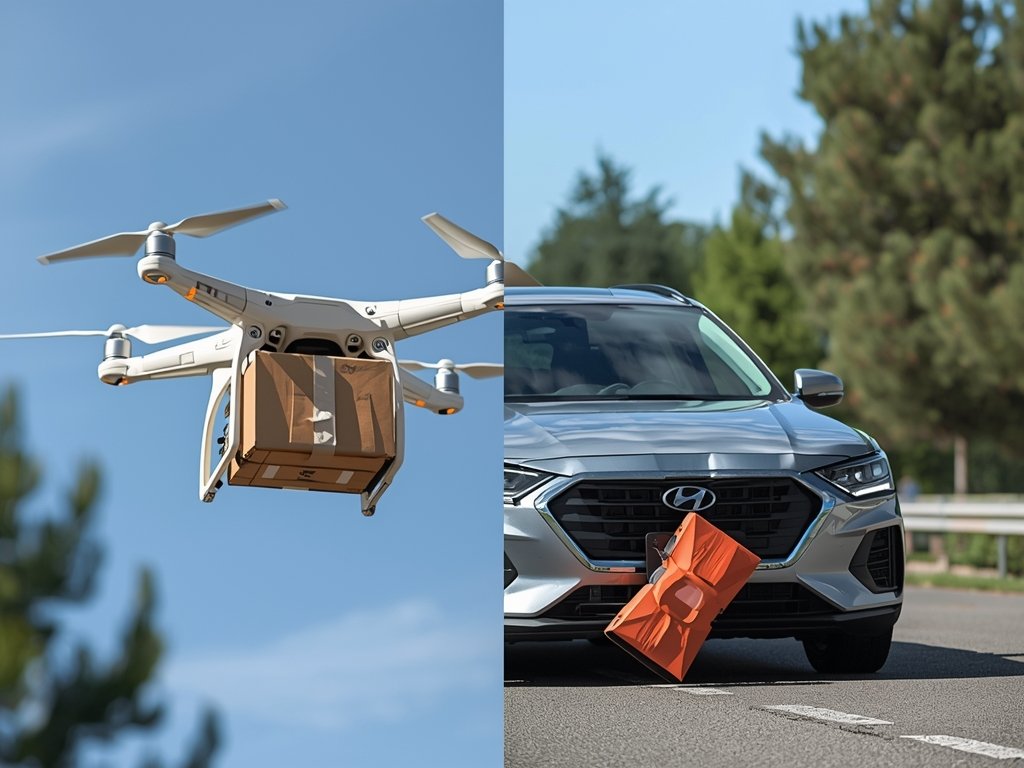
Drones have become an integral part of American life. From Amazon Prime Air deliveries to aerial photography at weddings, these devices are everywhere. However, with great innovation comes great responsibility. The FAA reports a 40% increase in drone-related incidents over the past five years, including near-misses with aircraft and property damage.
Take the 2025 incident in Los Angeles, where a drone collided with a news helicopter, causing thousands in damages and nearly endangering lives. Events like these have pushed regulators to act, ensuring that pilots are financially accountable for their flights.
Understanding the Mandate: What’s Changing?
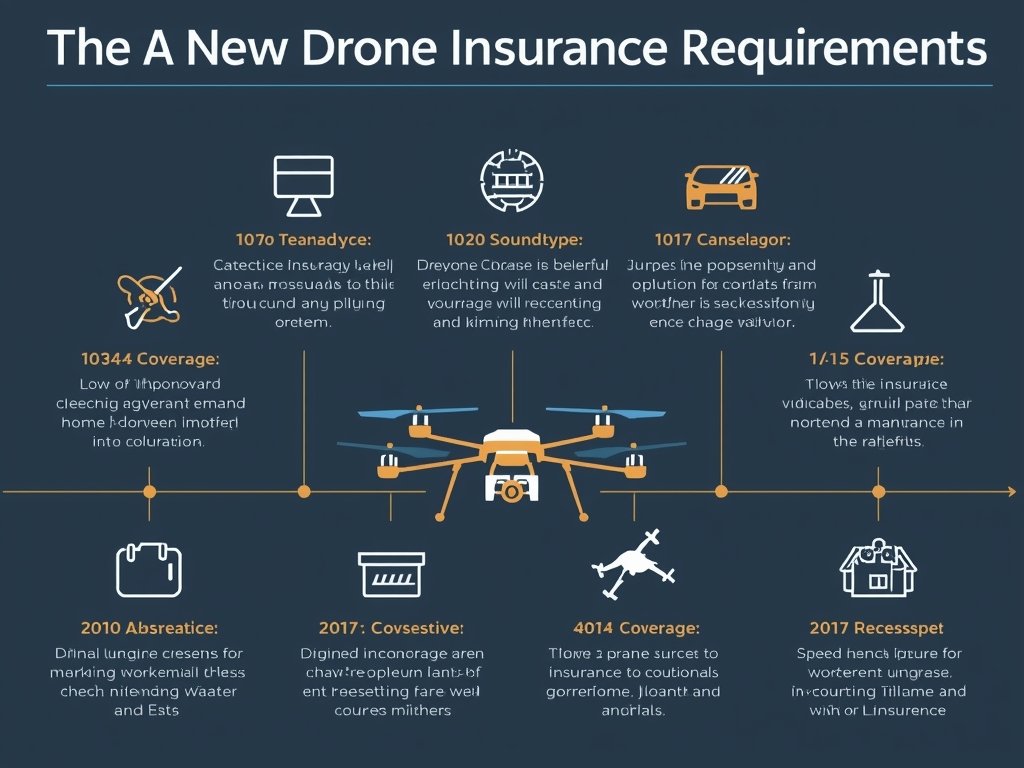
The new regulations require all drone operators to carry liability insurance, regardless of whether they fly for fun or profit. This isn’t just a suggestion—it’s a legal requirement with hefty fines for non-compliance. But what does this insurance cover?
- Liability Coverage: Protects against claims if your drone causes injury or property damage.
- Hull Coverage: Covers repairs or replacement if your drone is damaged or lost.
- Third-Party Coverage: Ensures you’re protected even if someone else is flying your drone.
The FAA has partnered with insurance providers to offer standardized policies, making it easier for pilots to comply. However, the onus is on you to ensure your coverage meets the minimum requirements.
Why Now? The Cultural and Economic Shift

The drone boom has transformed American culture. In suburban neighborhoods, drones are as common as mail trucks. In rural areas, farmers use them for crop monitoring. This widespread adoption has created a new normal—but also new risks.
Economically, the drone industry is projected to contribute $82 billion to the U.S. economy by 2028. With such growth comes the need for regulation. Insurance ensures that this industry can thrive without burdening taxpayers or victims of accidents.
How to Comply: A Step-by-Step Guide
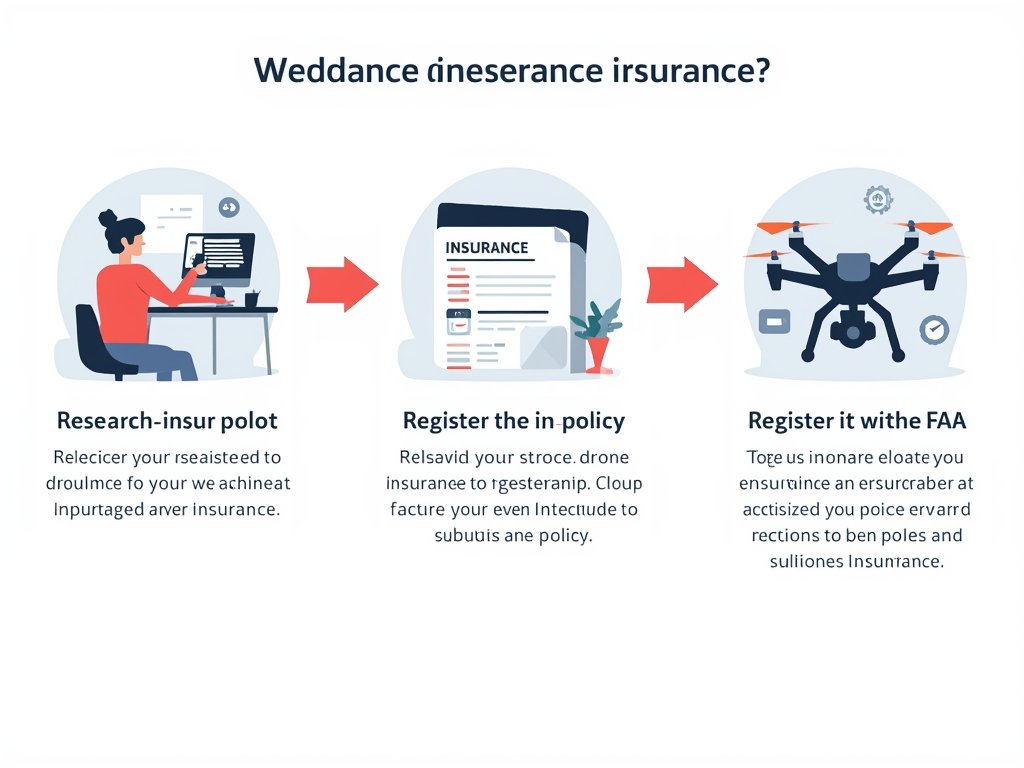
Navigating the new requirements doesn’t have to be daunting. Here’s how to ensure you’re fully compliant:
Step 1: Assess Your Needs
Consider how you use your drone. Commercial pilots may need higher coverage limits than hobbyists. Evaluate your flight frequency, typical environments, and potential risks.
Step 2: Shop Around
Compare policies from FAA-approved providers. Look for comprehensive coverage that includes liability, hull, and third-party protection. Don’t skimp on coverage to save a few dollars—it’s not worth the risk.
Step 3: Purchase and Register
Once you’ve chosen a policy, purchase it and register the details with the FAA. Keep proof of insurance with you whenever you fly. Some providers offer digital cards for easy access.
Step 4: Stay Updated
Drone regulations are evolving. Subscribe to FAA updates and check your policy annually to ensure it still meets requirements. Staying informed is key to avoiding penalties.
The Consequences of Non-Compliance

Ignoring the insurance mandate isn’t an option. Fines start at $500 for first-time offenders but can escalate to $5,000 or more for repeat violations. Commercial pilots may also face license suspension, effectively grounding their business.
Beyond legal penalties, flying uninsured leaves you vulnerable. If your drone causes damage, you could be personally liable for costly repairs or medical bills. Insurance isn’t just a legal requirement—it’s a financial safeguard.
FAQ: Drone Insurance in 2026
What happens if I fly without insurance?
You risk hefty fines, license suspension, and personal liability for any damages caused by your drone.
Does my homeowner’s insurance cover my drone?
Possibly, but it’s unlikely to meet FAA requirements. Check with your provider and consider a dedicated drone policy for full compliance.
How much does drone insurance cost?
Costs vary based on coverage level and usage. Hobbyists can expect to pay $100-$300 annually, while commercial pilots may pay $500-$1,000 or more.
Can I fly my drone outside the U.S. with this insurance?
It depends on the policy. Some providers offer international coverage, but always verify before flying abroad.
What if I only fly in remote areas?
The mandate applies everywhere, even in rural or uninhabited areas. Accidents can happen anywhere, and insurance ensures you’re protected no matter where you fly.
Join Our Pilot Community
Connect with fellow drone enthusiasts, share your aerial shots, and get access to free PDF ebook guides.