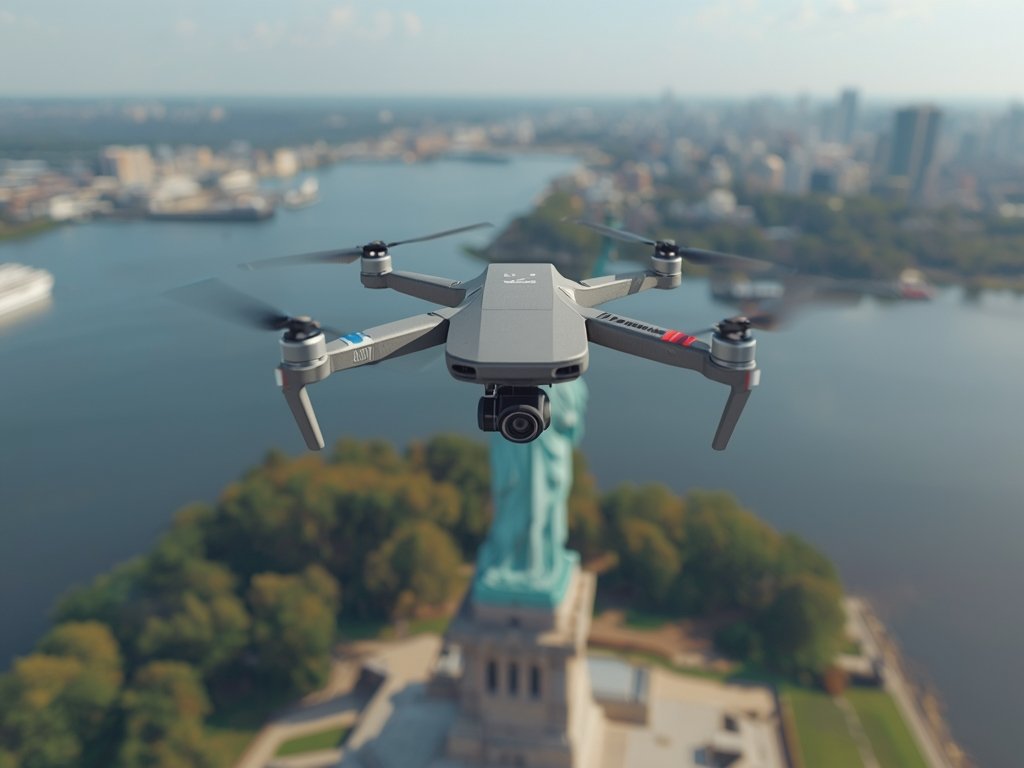

The Rise of the Boxed Drone Revolution

Imagine a world where drones aren’t just flying gadgets but self-sustaining sentinels, ready to take flight at a moment’s notice. That’s the promise of Drone-in-a-Box (DIB) technology, a game-changer for industries across the United States. From sprawling construction sites in Texas to remote oil rigs in Alaska, DIB systems are redefining how we monitor and protect assets.
These aren’t your average drones. Housed in weatherproof boxes, they’re equipped with charging stations, sensors, and communication systems, allowing them to operate autonomously. Think of it as a high-tech, always-on security guard that never needs a coffee break.
How Drone-in-a-Box Works: A Peek Inside the Magic
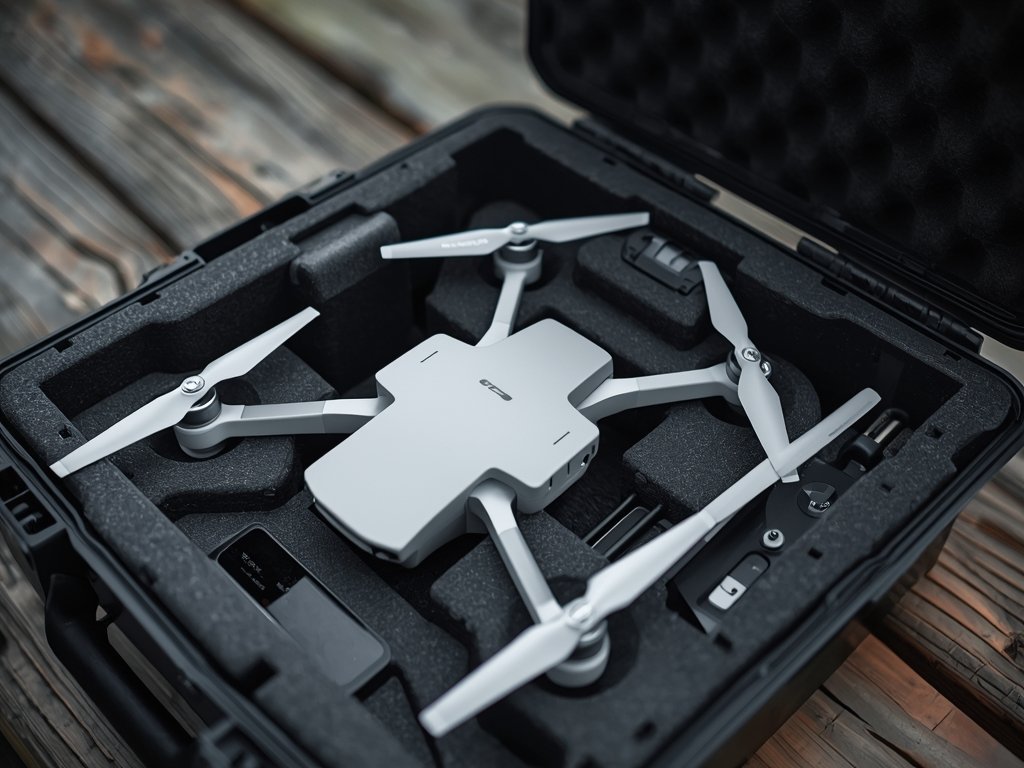
At its core, a DIB system is a marvel of engineering. The drone sits snugly inside a box, which acts as its home base. When triggered by a schedule or alert, the box’s lid opens, and the drone takes off, performs its mission, and returns to recharge. It’s like a bird returning to its nest, but with a lot more tech involved.
These systems are designed to be low-maintenance and highly efficient. Solar panels often power the boxes, making them ideal for off-grid locations. And with real-time data streaming, operators can monitor sites from anywhere, whether they’re in a Manhattan skyscraper or a rural farmhouse in Iowa.
Industries Taking Flight with DIB Technology
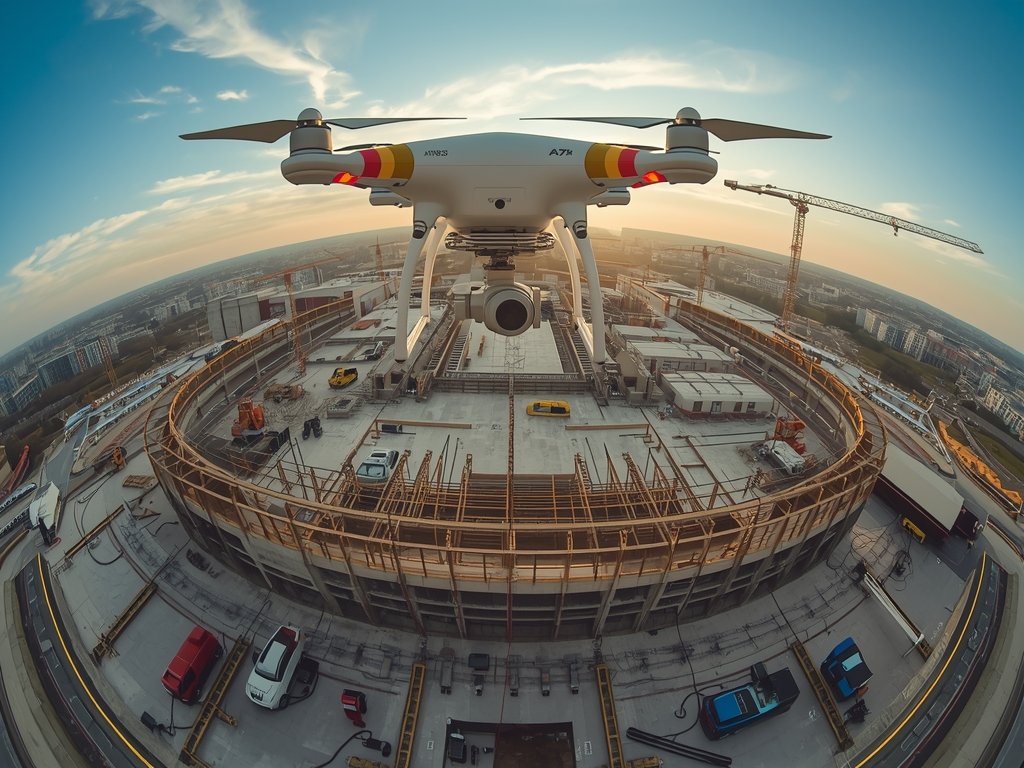
Construction: Building Safer, Smarter Sites
Construction sites are chaotic places, but DIB systems are bringing order to the chaos. In cities like Chicago and Los Angeles, drones are used to inspect hard-to-reach areas, track progress, and ensure safety compliance. They can even detect hazards before they become accidents, saving lives and reducing costs.
Energy: Powering the Future
The energy sector is another big winner. In states like Texas and North Dakota, DIB systems inspect pipelines, wind turbines, and solar farms. They can cover vast distances quickly, spotting leaks or damage that human inspectors might miss. It’s a win-win for efficiency and environmental safety.
Public Safety: Eyes in the Sky, 24/7
Police departments and emergency services are also embracing DIB technology. In cities like New York and Miami, drones are deployed to monitor crowds, assist in search-and-rescue operations, and provide real-time situational awareness. They’re becoming indispensable tools for keeping communities safe.
The Challenges: Navigating the Skies and Regulations
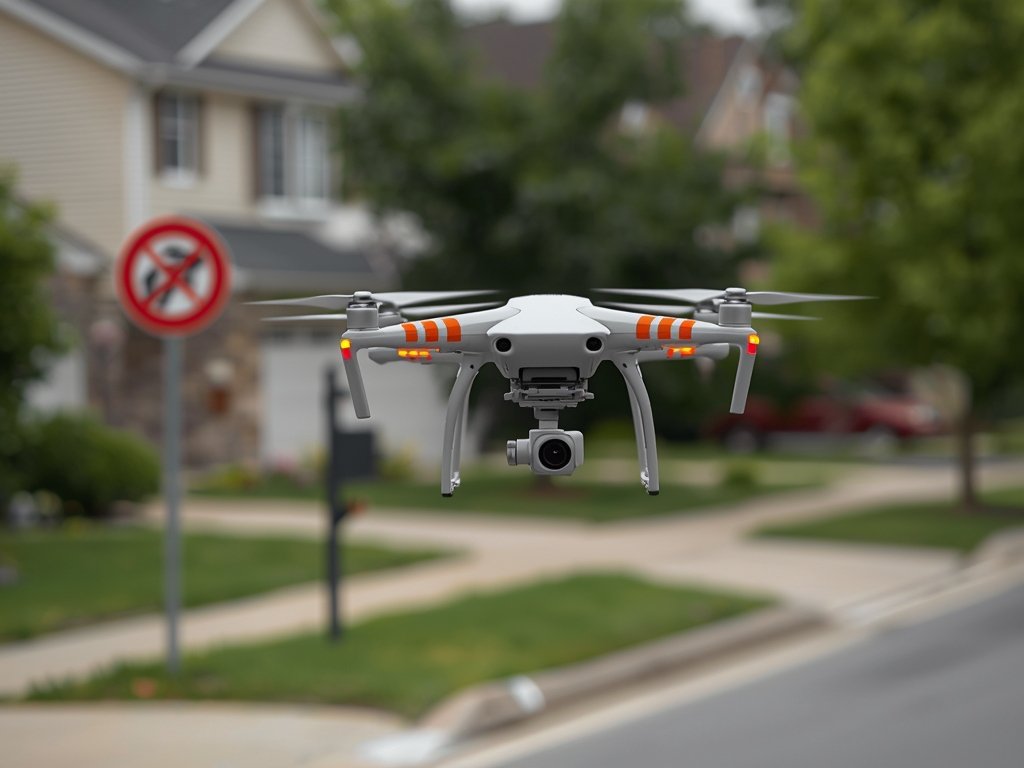
Despite their potential, DIB systems face hurdles. One major challenge is airspace regulation. The Federal Aviation Administration (FAA) has strict rules about where and how drones can fly, especially in urban areas. Companies must navigate these regulations carefully to avoid fines or legal issues.
Another concern is public perception. Privacy advocates worry about drones snooping on people’s lives. Striking a balance between security and privacy is crucial for widespread adoption. After all, no one wants to feel like they’re living in an episode of *Black Mirror*.
The Future: A Sky Full of Possibilities
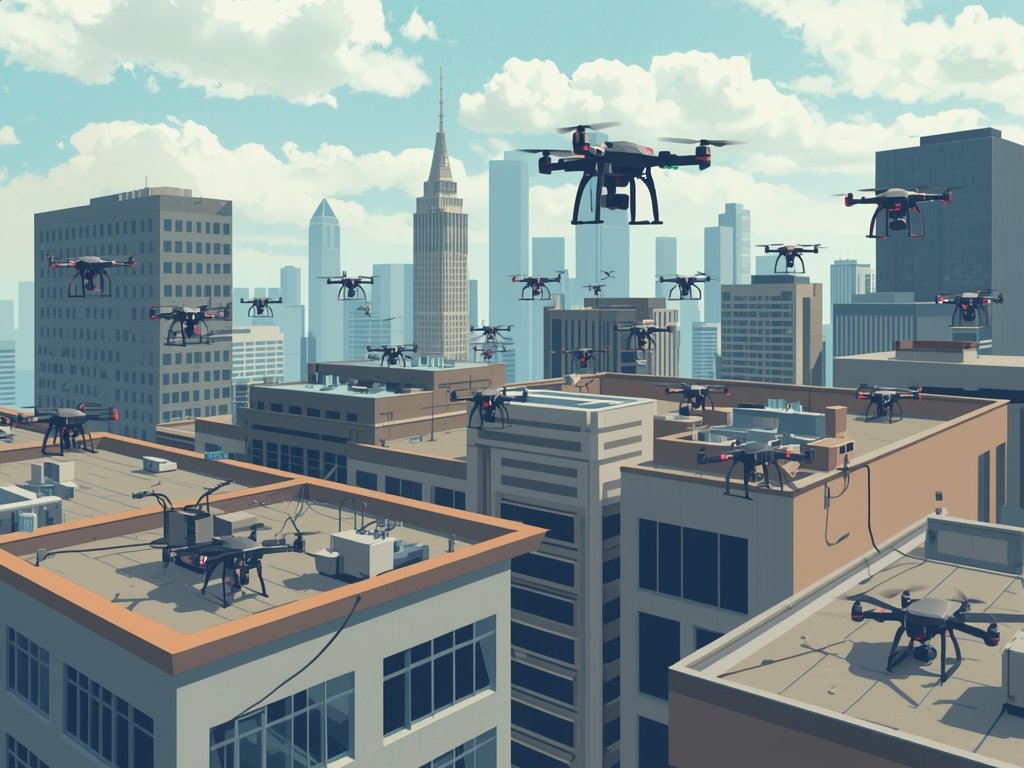
As technology advances, the potential for DIB systems seems limitless. Imagine drones delivering medical supplies to remote areas, monitoring wildlife in national parks, or even assisting in disaster relief efforts. The U.S. is already a leader in drone innovation, and DIB technology is poised to take that leadership to new heights.
For businesses and communities, the benefits are clear: increased efficiency, enhanced safety, and cost savings. As more industries adopt DIB systems, we’re likely to see a transformation in how we monitor and manage our world.
FAQ
What is Drone-in-a-Box technology?
Drone-in-a-Box (DIB) is an autonomous drone system housed in a protective box with charging and communication capabilities. It allows drones to operate independently, performing tasks like surveillance, inspection, and monitoring without human intervention.
How is DIB different from traditional drones?
Unlike traditional drones, DIB systems are self-sustaining and can operate 24/7 without constant human oversight. They’re ideal for long-term monitoring and can be deployed in remote or hard-to-reach locations.
What industries are using Drone-in-a-Box systems?
Industries like construction, energy, public safety, and agriculture are adopting DIB technology for tasks such as site monitoring, infrastructure inspection, and emergency response.
Are there any privacy concerns with DIB systems?
Yes, privacy is a key concern. Companies and regulators must ensure that drone operations respect individuals’ privacy rights, especially in residential or public areas.
What does the future hold for Drone-in-a-Box technology?
The future looks bright, with potential applications in healthcare, environmental monitoring, and disaster relief. As technology improves and regulations evolve, DIB systems are expected to become even more widespread and versatile.
Join Our Pilot Community
Connect with fellow drone enthusiasts, share your aerial shots, and get access to free PDF ebook guides.