
Reeling in the Big One: Can Drones Revolutionize Tuna Fishing?
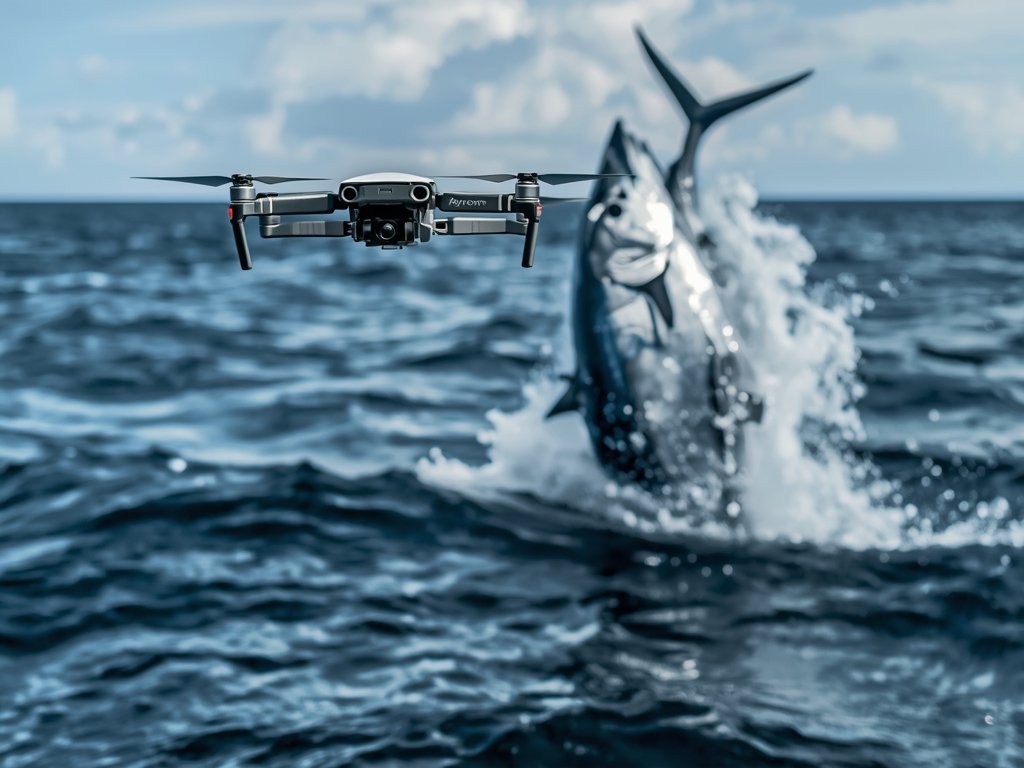
Imagine casting your line, not from a boat, but from a buzzing drone hovering above the azure waters of the Atlantic. Sounds like science fiction? Think again. Drone fishing is rapidly gaining traction, and the question on every angler’s mind is: can these aerial marvels handle the mighty tuna?
The Rise of Drone Fishing: A Tech-Savvy Angler’s Dream
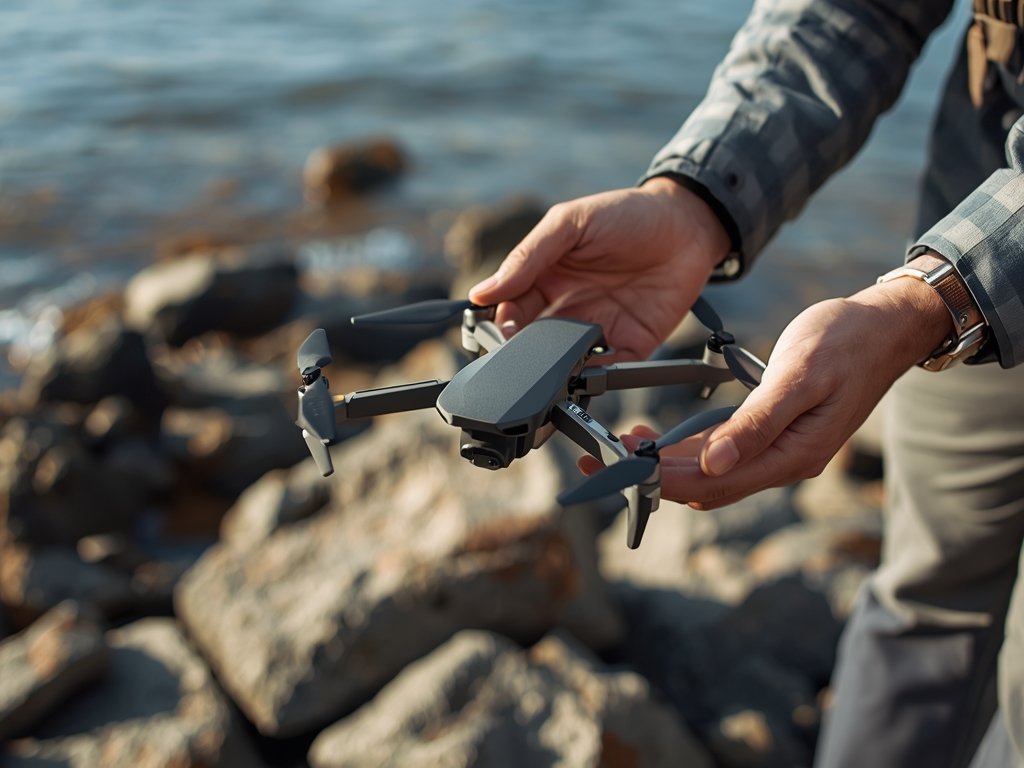
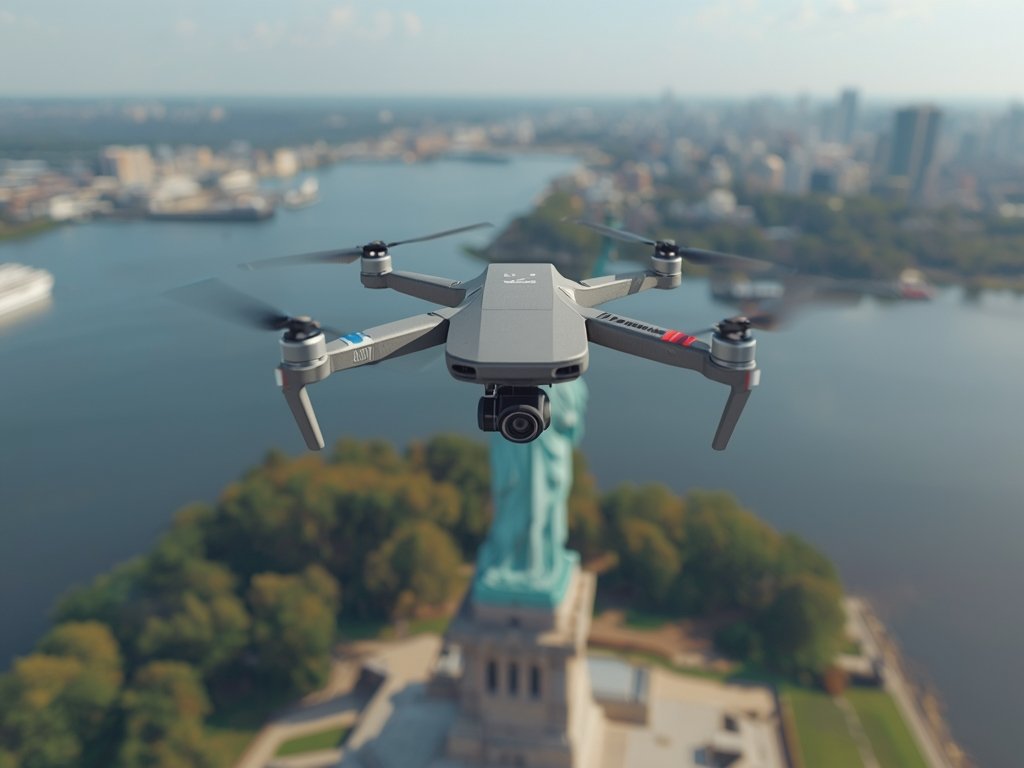
Drone fishing isn’t just a fad; it’s a game-changer. These flying rigs can scout vast areas, pinpointing schools of fish with precision. Think of it as having your own personal bird’s-eye view, without the need for a charter or a pilot’s license.
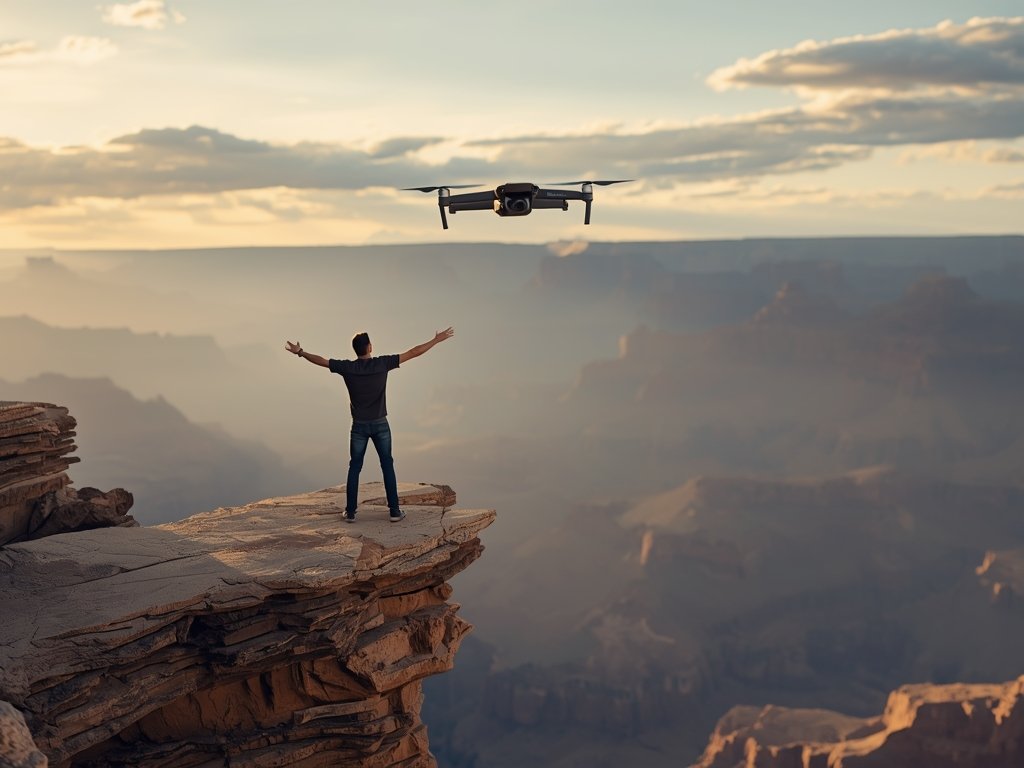
From the rocky shores of Maine to the sun-drenched beaches of Florida, drone fishing is catching on like wildfire. It’s not just about convenience; it’s about accessing previously unreachable spots and upping your fishing game.
Drone Fishing 101: How Does it Work?
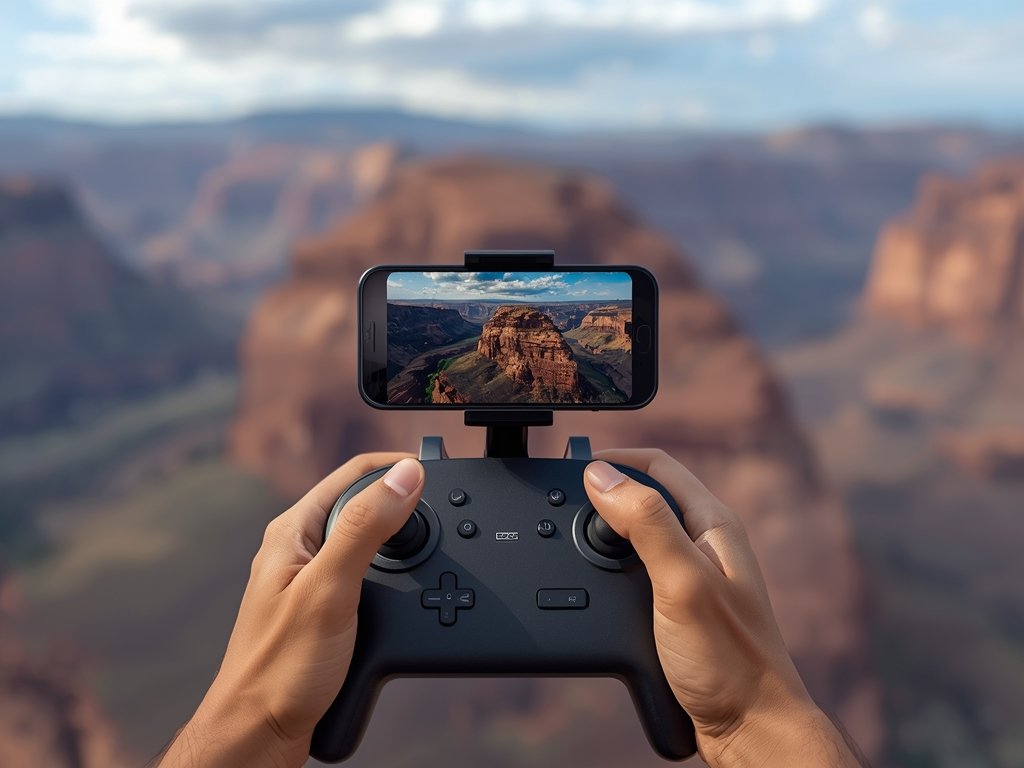
Picture this: a sturdy drone equipped with a specialized release mechanism carries your bait far beyond your casting range. Once it spots the target, it drops the line, and the battle begins. It’s like having a high-tech fishing buddy that never gets seasick.
Tuna: The Ultimate Test of Drone Fishing Mettle

Tuna, the apex predators of the ocean, are the holy grail for many anglers. These torpedo-shaped giants can reach speeds of up to 40 mph and weigh over 20 pounds. Landing one is a test of skill, strength, and endurance.
But can a drone handle the raw power of a tuna? The challenge lies not just in the weight, but in the explosive runs and deep dives these fish are famous for. It’s a battle of technology against nature, and the outcome is far from certain.
The Challenges: More Than Meets the Eye
Drone fishing for tuna isn’t just about lifting a heavy fish. It’s about battling currents, wind, and the unpredictable nature of the ocean. Imagine trying to reel in a freight train while balancing on a tightrope – that’s the level of difficulty we’re talking about.
Then there’s the issue of line strength and drone stability. A 20lb tuna can generate incredible force, putting immense strain on both the line and the drone itself. One wrong move, and your expensive gadget could become a permanent resident of Davy Jones’ locker.
Success Stories and Close Calls: The Drone Fishing Community Speaks
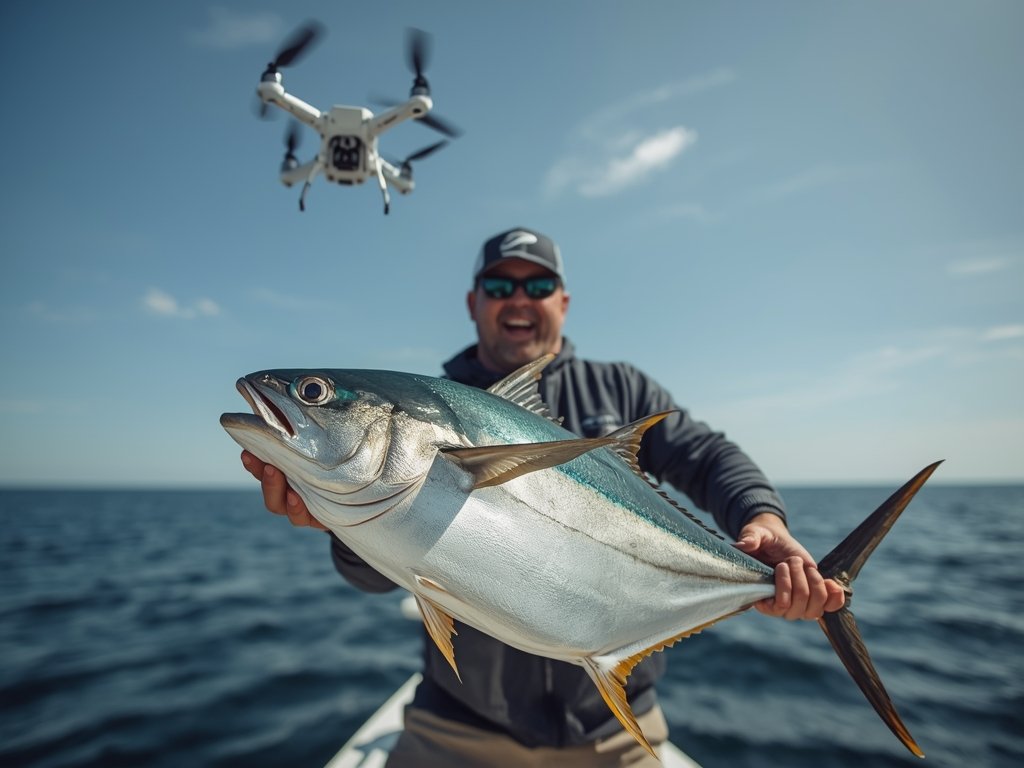
Despite the challenges, there are success stories emerging from the drone fishing community. Anglers across the country are sharing tales of landing impressive tuna using these aerial assistants. From the Gulf Coast to the Pacific Northwest, drones are proving their worth in the quest for the big catch.
One Florida angler, John from Tampa, recounts his experience: “I never thought I’d land a 25-pounder using a drone, but it happened! The fight was intense, but the drone held its own. It’s a whole new way to experience fishing.”
Learning from the Pros: Tips and Tricks for Drone Tuna Fishing
- Choose the Right Gear: Invest in a drone specifically designed for fishing, with a strong motor and a reliable release mechanism.
- Know Your Limits: Start with smaller fish and gradually work your way up to tuna. Don’t bite off more than your drone can chew.
- Location, Location, Location: Research tuna hotspots and understand their migration patterns for maximum success.
- Practice Makes Perfect: Hone your drone piloting skills and learn to anticipate the tuna’s movements.
The Future of Drone Fishing: A New Era for Anglers?

As drone technology continues to evolve, the possibilities for fishing are endless. Imagine swarms of drones working together to locate and track fish, or drones equipped with advanced sonar systems for even greater precision.
While the debate about the ethics of drone fishing continues, one thing is certain: it’s here to stay. Whether you’re a traditionalist or a tech enthusiast, there’s no denying the excitement and potential of this innovative approach to angling.
FAQ
Is drone fishing legal in the United States?
Drone fishing regulations vary by state and local jurisdiction. It’s crucial to check the specific rules and regulations in your area before casting your line from the sky.
What type of drone is best for tuna fishing?
Look for drones with strong motors, long battery life, and a reliable release mechanism. Waterproof designs are also essential for saltwater fishing.
How far can a drone cast a fishing line?
The casting range depends on the drone’s capabilities and the weight of your bait. Some drones can cast lines up to 1,000 feet or more.
Is drone fishing ethical?
The ethics of drone fishing are a subject of ongoing debate. Some argue it gives anglers an unfair advantage, while others see it as a natural evolution of the sport.
What are the safety considerations for drone fishing?
Always prioritize safety when operating a drone near water. Be mindful of other boats, swimmers, and wildlife. Never fly your drone beyond your line of sight and follow all local regulations.
Join Our Pilot Community
Connect with fellow drone enthusiasts, share your aerial shots, and get access to free PDF ebook guides.