
Elevating Construction with Commercial Drone Solutions
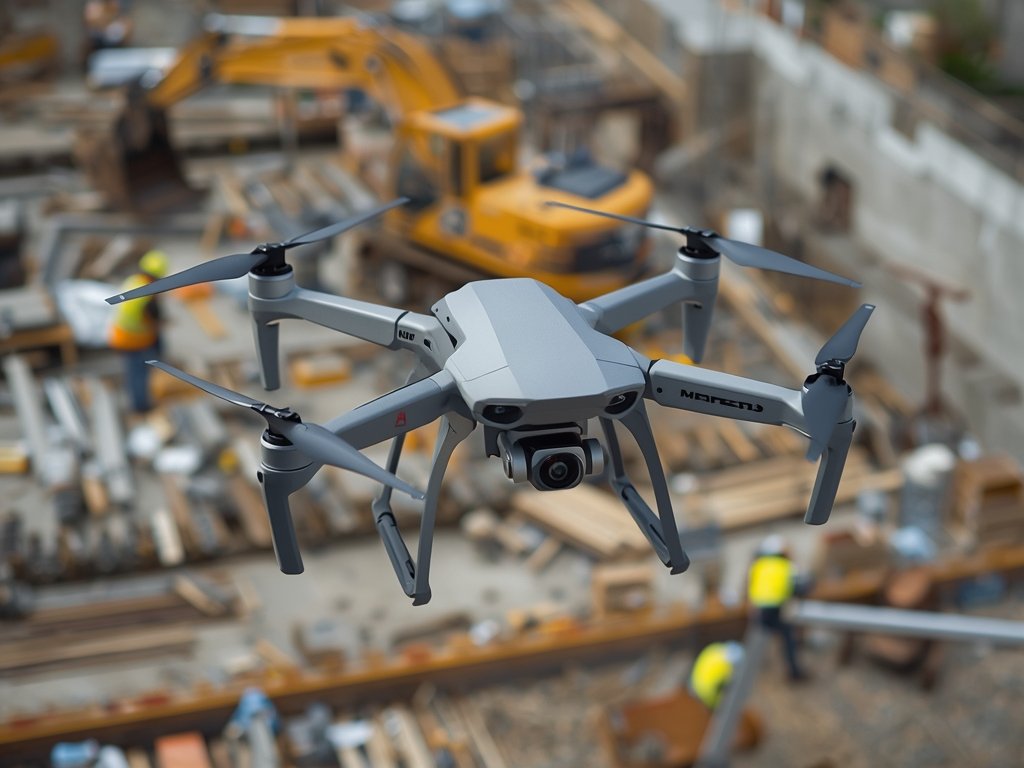
The construction industry is no stranger to innovation, and the latest game-changer is commercial drone technology. From surveying land to monitoring progress, drones are revolutionizing the way projects are managed. In the United States, where construction is a cornerstone of economic growth, these aerial tools are becoming indispensable.
The Sky’s the Limit: Unlocking Drone Potential
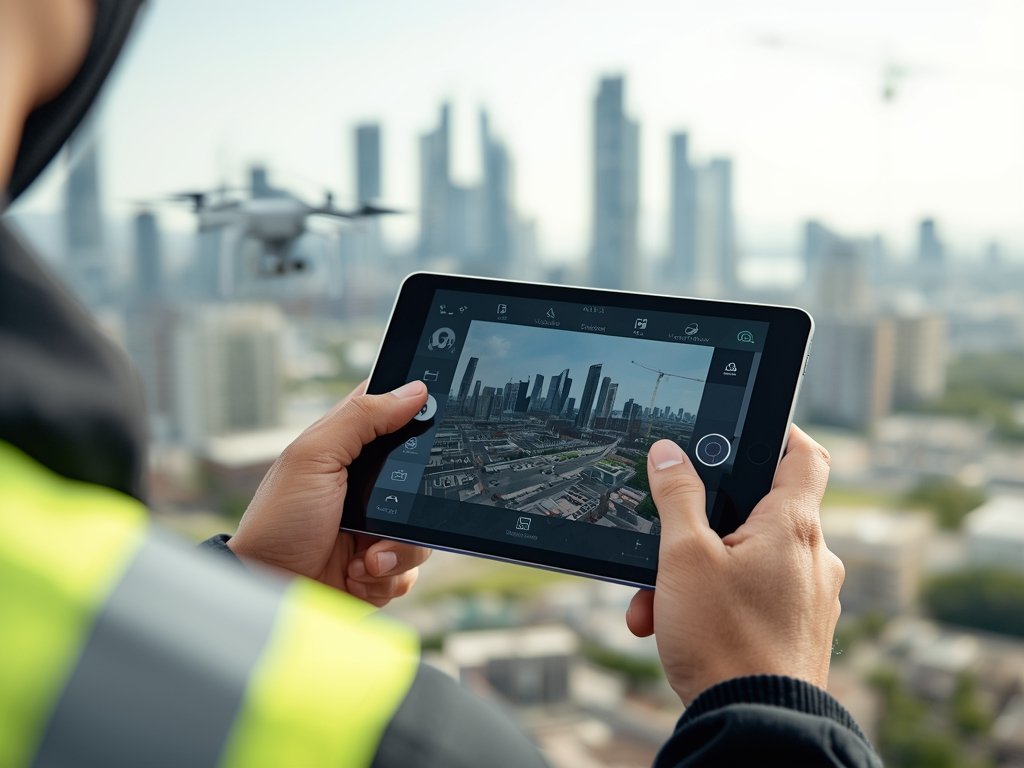
A Bird’s-Eye View for Better Decisions
Imagine having a bird’s-eye view of your entire construction site, anytime you need it. Drones provide this advantage, offering high-resolution imagery and real-time data. This perspective is invaluable for project managers, enabling them to make informed decisions and quickly identify potential issues.
With drones, you can inspect hard-to-reach areas, monitor material stockpiles, and even assess the structural integrity of buildings. This level of detail ensures that projects stay on track and within budget, a critical aspect for the fast-paced construction industry in the US.
Precision and Efficiency: The Drone Advantage
Commercial drones are not just about capturing images; they’re about precision and efficiency. Equipped with advanced sensors and software, these devices can create detailed 3D maps and models of construction sites.
This technology allows for accurate measurements, volume calculations, and progress tracking. For instance, a drone can quickly survey a large area, providing data that would take a ground team days to collect. This efficiency is a significant advantage in the competitive US construction market.
Transforming Construction Processes
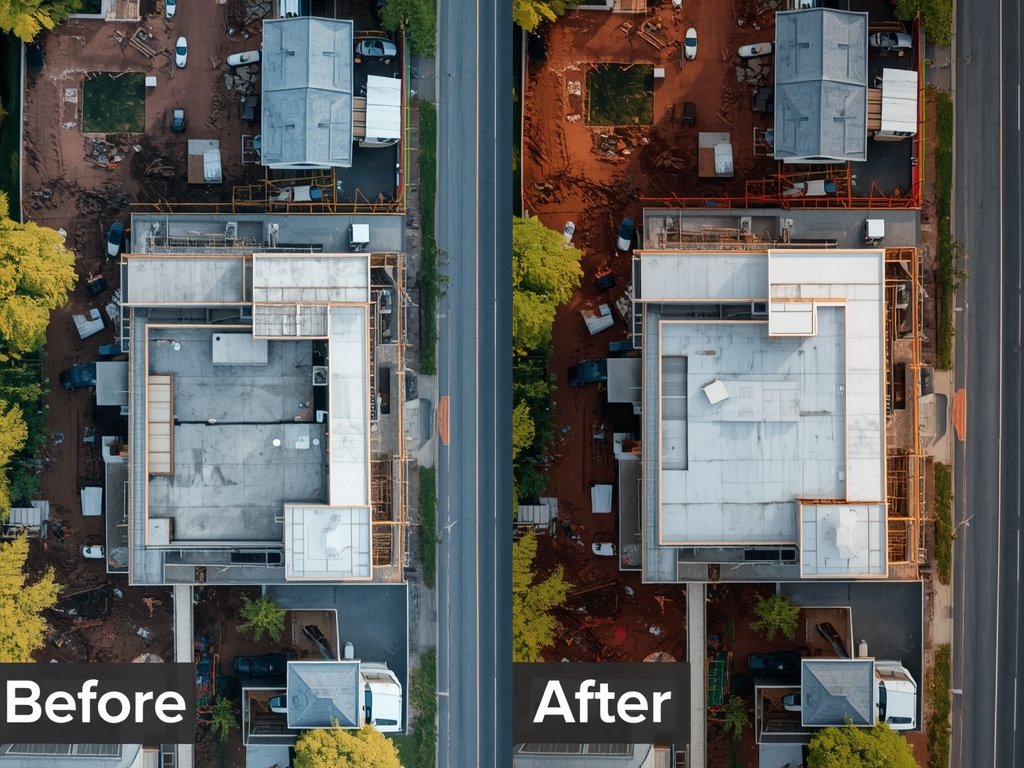
Site Surveying and Mapping
One of the most significant impacts of drones is in site surveying and mapping. Traditional methods often involve costly and time-consuming processes, but drones streamline this entirely.
They can quickly capture detailed topographic data, creating accurate maps and models. This is especially useful for large-scale projects, such as infrastructure development, where precise planning is essential. With drones, construction companies can save time and resources, a key factor in the US market where efficiency is highly valued.
Progress Monitoring and Reporting
Keeping stakeholders informed is a critical aspect of construction management. Drones make progress monitoring and reporting more accessible and more effective.
Regular aerial inspections provide a comprehensive view of the project’s advancement. This data can be used to create visual reports, offering a clear picture of the construction process. Clients and investors can see the project’s progress, fostering trust and confidence. In the US, where transparency is a cultural expectation, this level of communication is highly beneficial.
Safety Inspections and Risk Mitigation
Construction sites can be hazardous, and ensuring worker safety is a top priority. Drones play a vital role in safety inspections, accessing areas that may be too dangerous for humans.
They can inspect tall structures, bridges, and other hard-to-reach places, identifying potential risks. For example, a drone can detect structural weaknesses or hazardous materials, allowing for prompt action. This proactive approach to safety is essential in the US, where strict regulations govern construction sites.
Drone Technology: A Competitive Edge
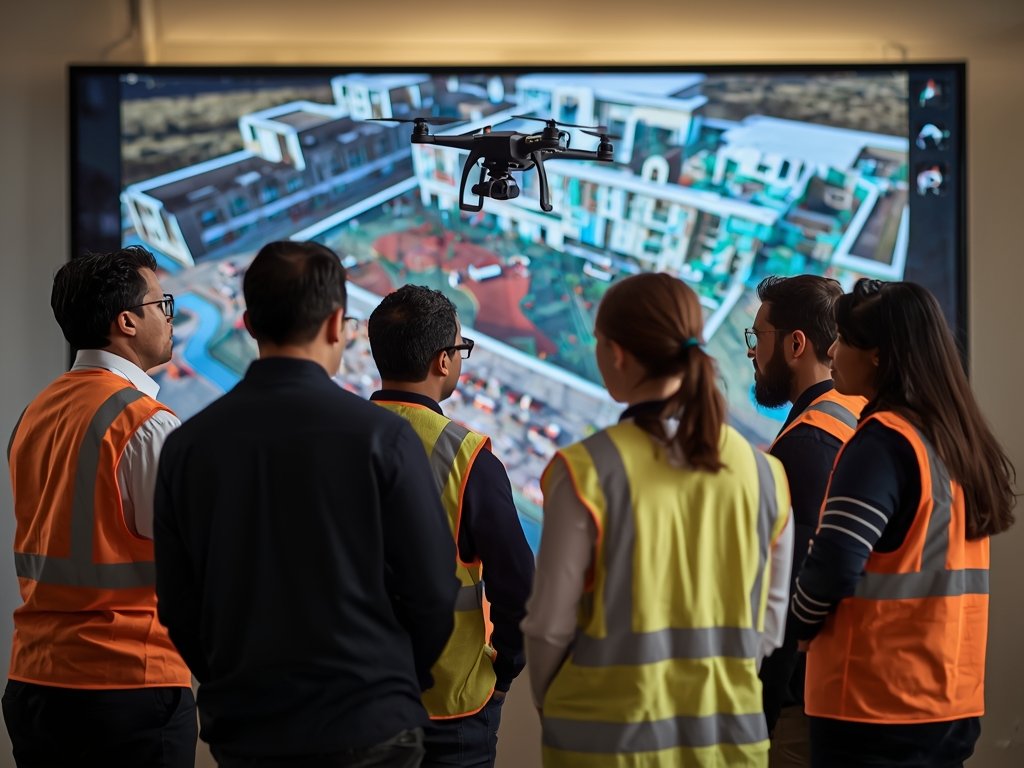
In the competitive US construction industry, staying ahead of the curve is crucial. Adopting drone technology provides a significant edge, offering benefits that traditional methods can’t match.
Drones enable companies to deliver projects faster, more efficiently, and with greater accuracy. This not only improves client satisfaction but also enhances a company’s reputation. As the technology becomes more accessible, early adopters are setting new standards for construction excellence.
Data-Driven Decision Making
The data captured by drones is a powerful asset. It provides a wealth of information, from site conditions to progress metrics. This data-driven approach allows construction companies to make strategic decisions with confidence.
For instance, drone data can optimize resource allocation, ensuring that materials and labor are used efficiently. It can also identify potential delays, allowing for proactive problem-solving. In the US, where data analytics is increasingly valued, this aspect of drone technology is particularly appealing.
Sustainability and Environmental Impact
The construction industry is under growing pressure to adopt sustainable practices. Drones contribute to this goal by reducing the need for extensive ground operations.
They minimize the carbon footprint associated with traditional surveying and inspection methods. Additionally, drones can monitor environmental factors, such as soil erosion or water runoff, helping companies adhere to environmental regulations. This eco-conscious approach resonates with the values of many US-based construction firms and their clients.
Overcoming Challenges and Regulations
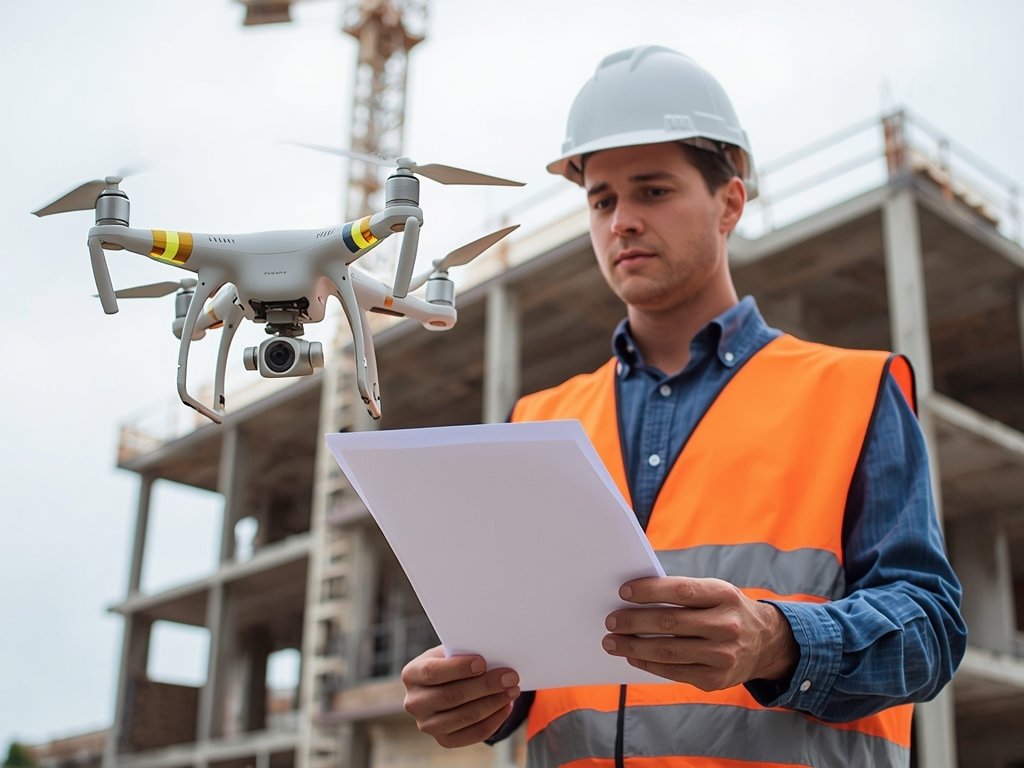
While the benefits are clear, integrating drones into construction operations comes with challenges. In the US, regulations govern drone usage, and companies must navigate these rules to operate legally.
Obtaining the necessary permits and ensuring pilot certification are essential steps. Additionally, privacy concerns and airspace restrictions must be addressed. However, with proper planning and compliance, these challenges can be managed, allowing construction companies to harness the full potential of drone technology.
Training and Skill Development
Effective drone operations require skilled pilots and data analysts. Construction companies investing in this technology must also invest in training.
This ensures that staff can operate drones safely and interpret the data accurately. Many US-based training programs and certifications are available, catering to the growing demand for drone expertise in the construction sector.
Integrating Drones into Workflows
To maximize the benefits, drones should be seamlessly integrated into existing workflows. This involves adapting processes and ensuring that drone data is effectively utilized.
Construction companies may need to invest in software and systems that can process and analyze drone-captured information. This integration ensures that the technology becomes a valuable asset rather than a standalone tool.
FAQ
How do drones improve construction site safety?
Drones enhance safety by inspecting hazardous areas, identifying risks, and providing detailed site data, allowing for proactive safety measures.
Can drones be used for all types of construction projects?
Yes, drones are versatile and can be utilized in various construction scenarios, from large-scale infrastructure to residential buildings, offering benefits in surveying, monitoring, and inspection.
What are the legal requirements for using drones in construction?
In the US, drone operations must comply with FAA regulations, including pilot certification, registration, and adherence to airspace restrictions. Obtaining necessary permits is essential for legal and safe operations.
How do drones contribute to sustainable construction practices?
Drones reduce the environmental impact of construction by minimizing ground operations and providing data for efficient resource management. They also aid in monitoring environmental factors, supporting eco-friendly practices.
What is the typical cost of implementing drone technology in construction?
Costs vary based on drone type, software, and training needs. While initial investments can be significant, the long-term benefits and efficiency gains often outweigh these expenses, especially for large-scale projects.
Join Our Pilot Community
Connect with fellow drone enthusiasts, share your aerial shots, and get access to free PDF ebook guides.