
The Sky’s the Limit: Revolutionizing Inspections with Commercial Drones
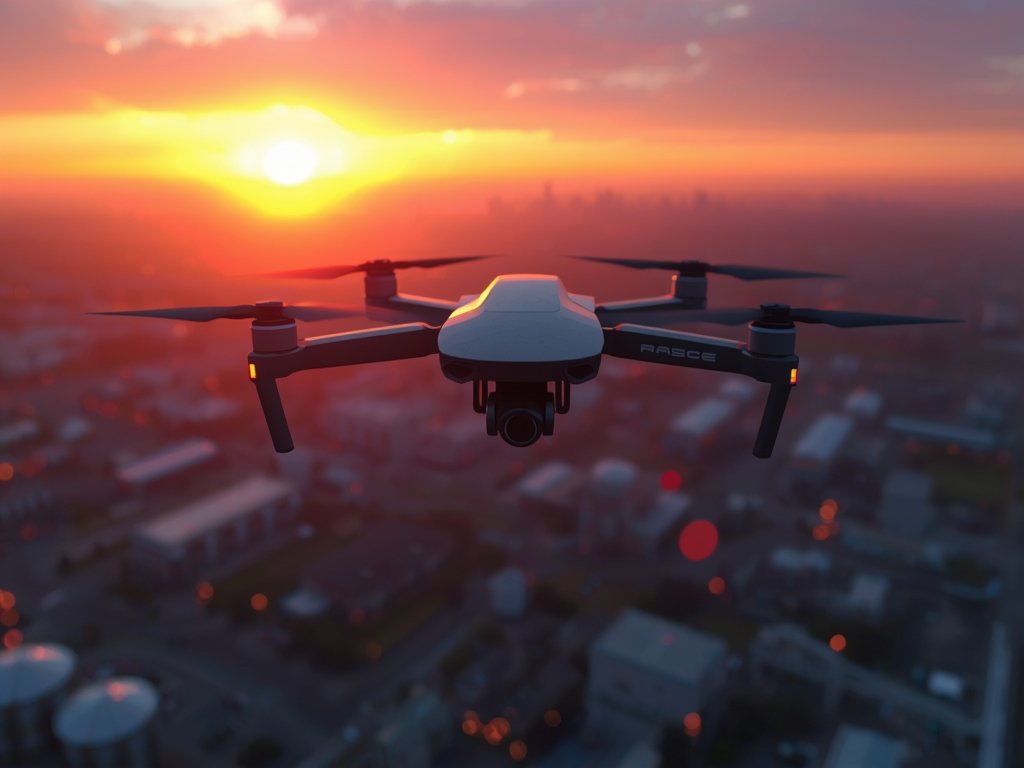
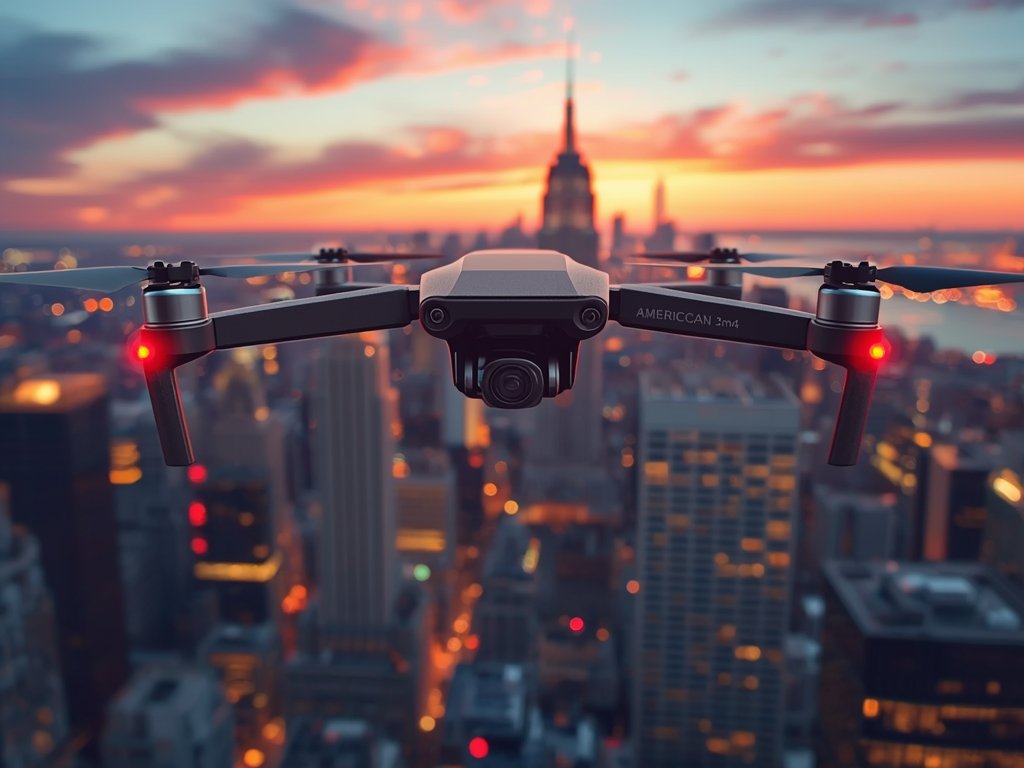
In the vast expanse of American industry, from the oil rigs of Texas to the wind farms of the Midwest, a quiet revolution is taking place. Commercial drone inspection services are transforming the way businesses approach maintenance, safety, and efficiency. These unmanned aerial vehicles (UAVs) are not just gadgets; they’re game-changers, offering unparalleled access to hard-to-reach areas and delivering data with precision and speed.
Taking Flight: The Rise of Drone Technology in American Industries
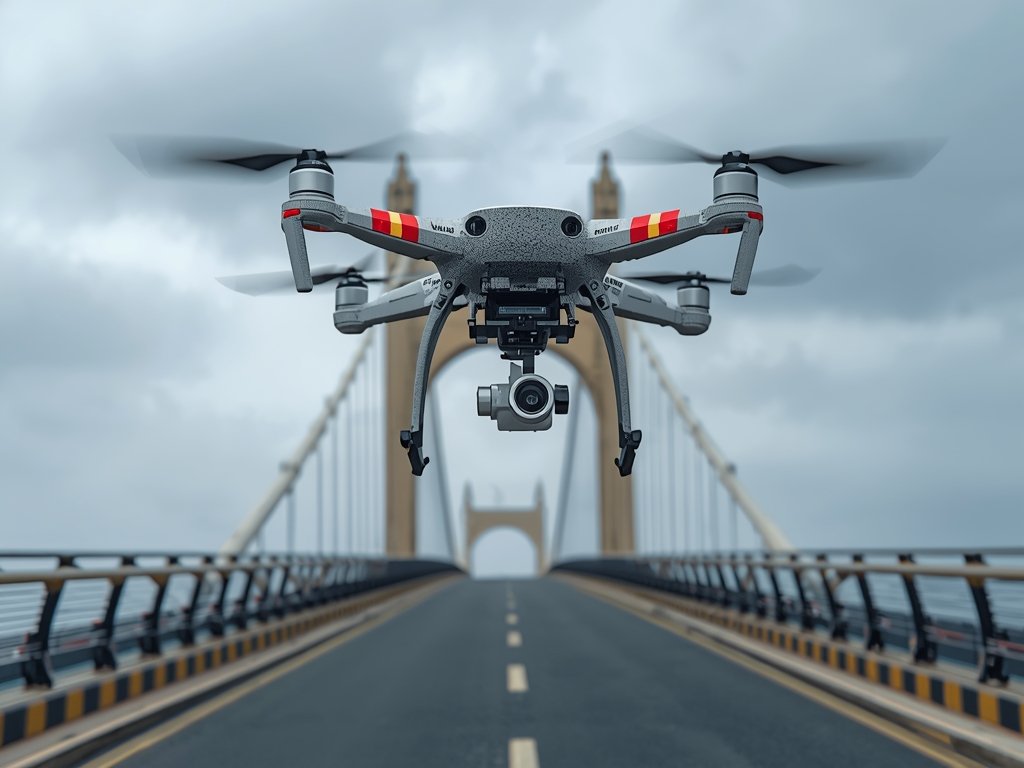
A Brief History of Drones in the US
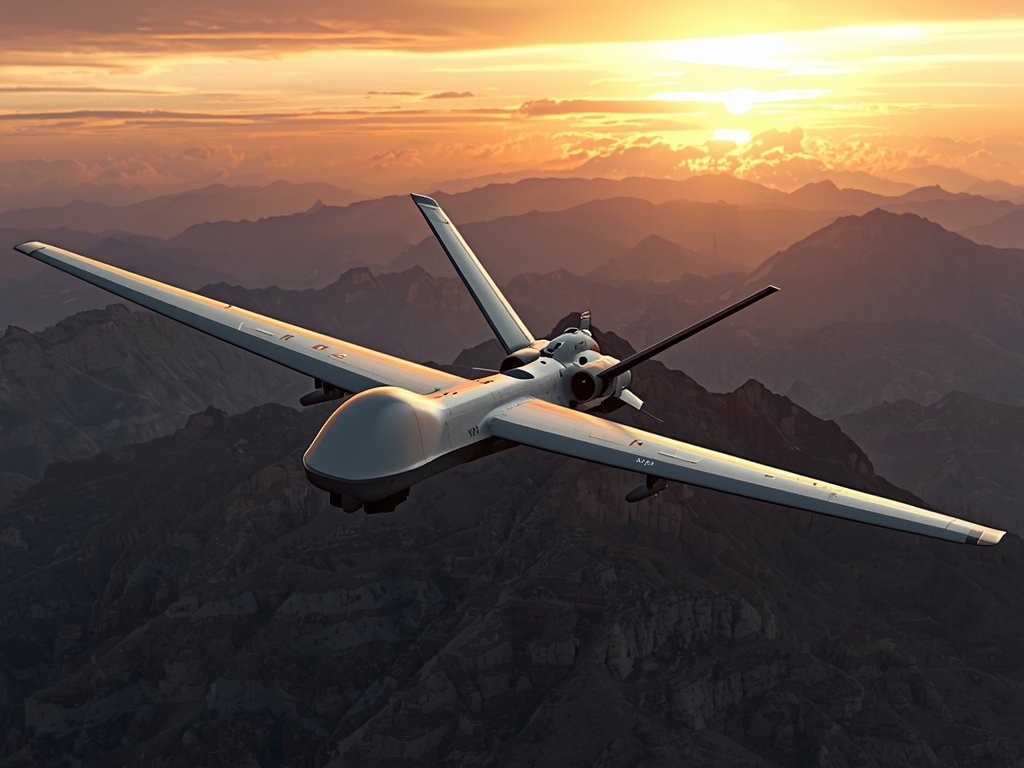
The use of drones in the United States has evolved significantly over the past decade. Initially, UAVs were primarily associated with military applications. However, advancements in technology and changes in regulations have paved the way for their commercial use. The Federal Aviation Administration (FAA) has played a crucial role in this transition, establishing guidelines that ensure safety while fostering innovation.
Industries Embracing Drone Inspections
Today, drones are integral to various sectors across the US. In agriculture, they monitor crop health and optimize irrigation. The energy sector uses them to inspect power lines and wind turbines, while the construction industry relies on drones for site surveys and progress monitoring. Even Hollywood has embraced drone technology for breathtaking aerial cinematography.
Why Drones? The Unmatched Advantages of Aerial Inspections
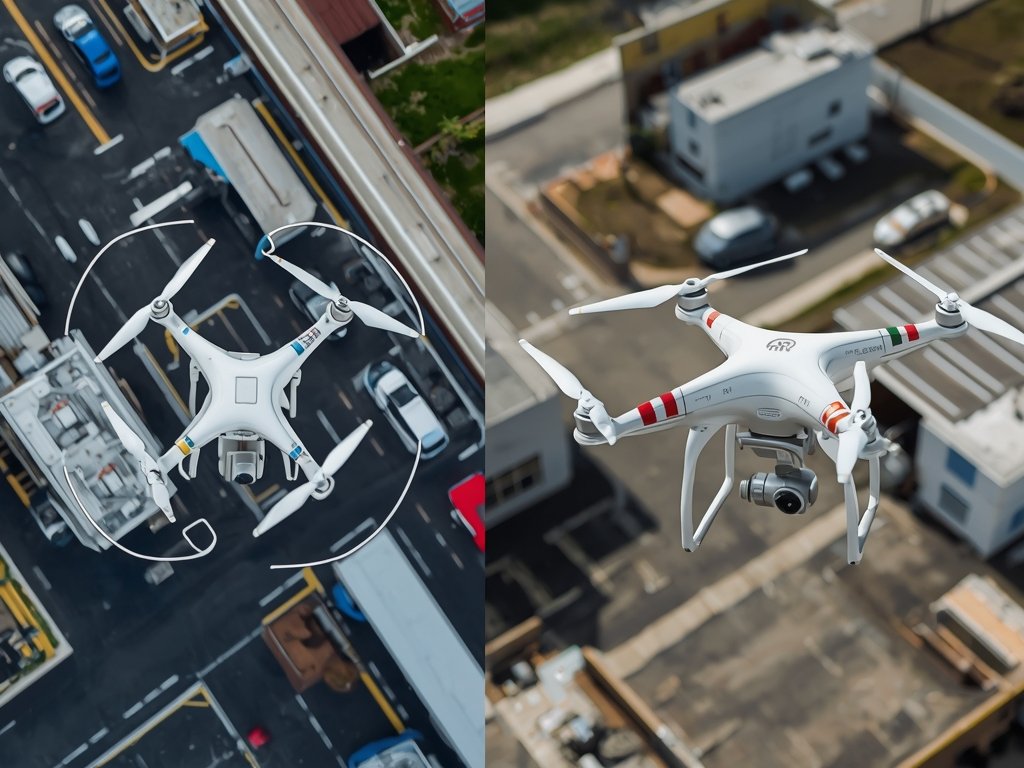
Safety First: Minimizing Risks for Inspectors
One of the most significant advantages of commercial drone inspection services is enhanced safety. Traditional inspection methods often require workers to climb tall structures, navigate hazardous environments, or operate in confined spaces. Drones eliminate these risks by accessing dangerous areas without putting human lives in jeopardy.
Cost-Effective Solutions for Businesses
Drone inspections are not only safer but also more cost-effective. By reducing the need for scaffolding, cranes, or specialized equipment, businesses can save substantially on inspection costs. Additionally, drones can complete tasks in a fraction of the time, minimizing downtime and maximizing productivity.
Precision and Data Quality: A New Standard
Equipped with high-resolution cameras, thermal sensors, and LiDAR technology, drones capture detailed data that traditional methods often miss. This level of precision allows for early detection of issues, from structural weaknesses to equipment malfunctions, ensuring timely interventions and preventing costly repairs.
Navigating the Skies: Regulatory Landscape for Commercial Drones
FAA Regulations: What You Need to Know
Operating commercial drones in the US requires adherence to FAA regulations. Key requirements include obtaining a Part 107 Remote Pilot Certificate, registering the drone, and following operational guidelines such as flying below 400 feet and maintaining visual line-of-sight. Compliance ensures legal operation and promotes safety.
State and Local Laws: Additional Considerations
Beyond federal regulations, businesses must also navigate state and local laws. Some areas have restrictions on drone flights near airports, over private property, or in certain public spaces. Staying informed about these regulations is essential to avoid legal complications and ensure smooth operations.
From Energy to Entertainment: Diverse Applications of Drone Inspections
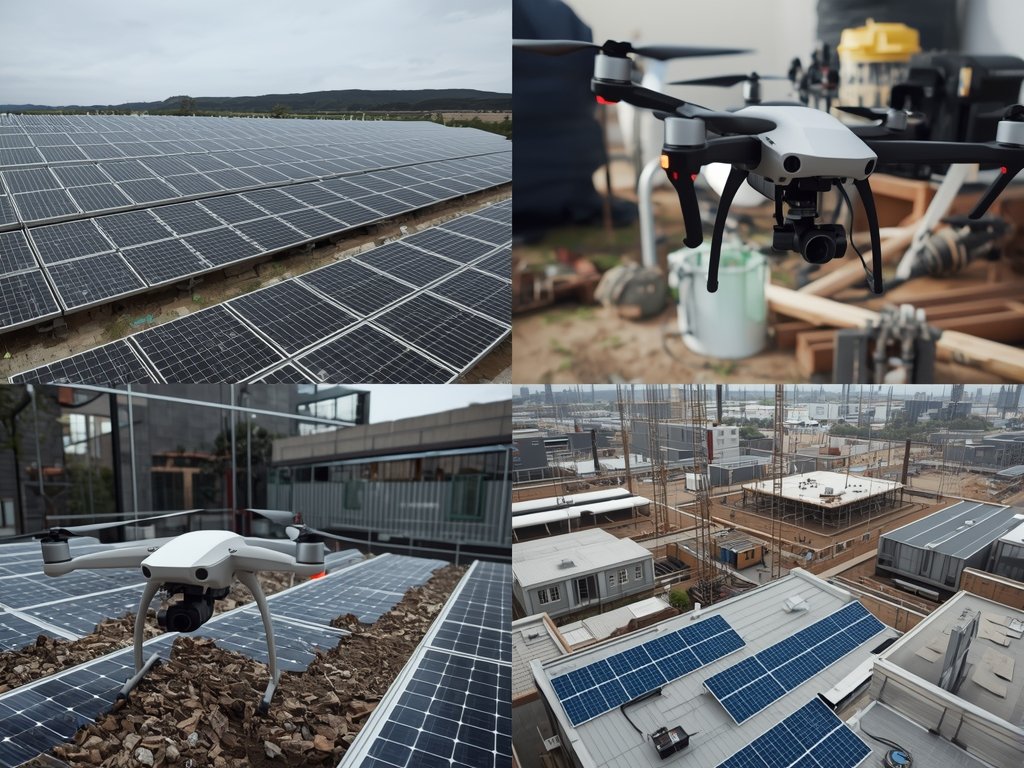
Energy Sector: Powering Efficiency
In the energy sector, drones are indispensable for inspecting power lines, wind turbines, and solar panels. They can quickly identify damaged components, assess wear and tear, and monitor infrastructure in remote or inaccessible locations. This efficiency translates to reduced maintenance costs and improved energy production.
Construction and Real Estate: Building the Future
Drones are revolutionizing the construction and real estate industries by providing real-time data on project progress, site conditions, and safety compliance. They also create stunning aerial imagery for marketing purposes, giving potential buyers a unique perspective on properties.
Entertainment and Media: Capturing the Impossible
The entertainment industry has embraced drones for their ability to capture breathtaking aerial footage. From Hollywood blockbusters to live sports broadcasts, drones offer dynamic angles and perspectives that were once impossible or prohibitively expensive to achieve.
Choosing the Right Partner: What to Look for in a Drone Inspection Service

Experience and Expertise: The Foundation of Trust
When selecting a commercial drone inspection service, experience matters. Look for providers with a proven track record in your industry and a deep understanding of the specific challenges you face. Expertise ensures accurate data collection and actionable insights.
Technology and Equipment: Tools of the Trade
The quality of the drones and sensors used directly impacts the accuracy and reliability of inspection results. Ensure your chosen provider uses state-of-the-art equipment tailored to your needs, whether it’s thermal imaging for energy inspections or high-resolution cameras for construction surveys.
Customer Support and Reporting: Beyond the Flight
A great drone inspection service doesn’t just collect data—it delivers actionable insights. Look for providers that offer comprehensive reporting, clear communication, and ongoing support. This ensures you can make informed decisions based on the inspection results.
FAQ
What industries benefit most from commercial drone inspections?
Industries such as energy, construction, agriculture, and entertainment benefit significantly from drone inspections due to their ability to access hard-to-reach areas, provide detailed data, and improve efficiency.
How do drone inspections enhance safety?
Drone inspections minimize risks by eliminating the need for workers to access dangerous or hard-to-reach areas, such as tall structures or hazardous environments, reducing the likelihood of accidents.
Are there any legal requirements for operating commercial drones in the US?
Yes, operators must obtain a Part 107 Remote Pilot Certificate from the FAA, register their drones, and comply with federal, state, and local regulations governing drone operations.
What types of data can drones collect during inspections?
Drones can collect a variety of data, including high-resolution images, thermal imaging, LiDAR scans, and video footage, providing detailed insights into the condition of inspected assets.
How cost-effective are drone inspections compared to traditional methods?
Drone inspections are often more cost-effective than traditional methods because they reduce the need for specialized equipment, minimize downtime, and complete tasks more quickly, saving both time and money.
Join Our Pilot Community
Connect with fellow drone enthusiasts, share your aerial shots, and get access to free PDF ebook guides.