
The Sky’s the Limit: How Commercial Drone Delivery is Transforming US Businesses

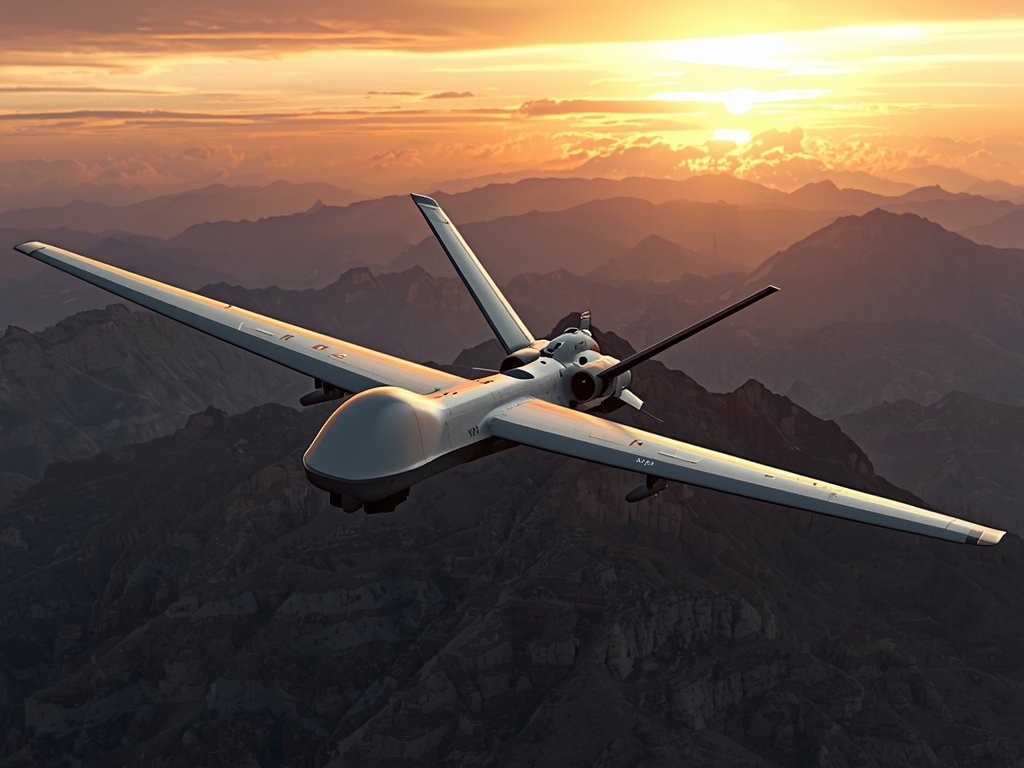
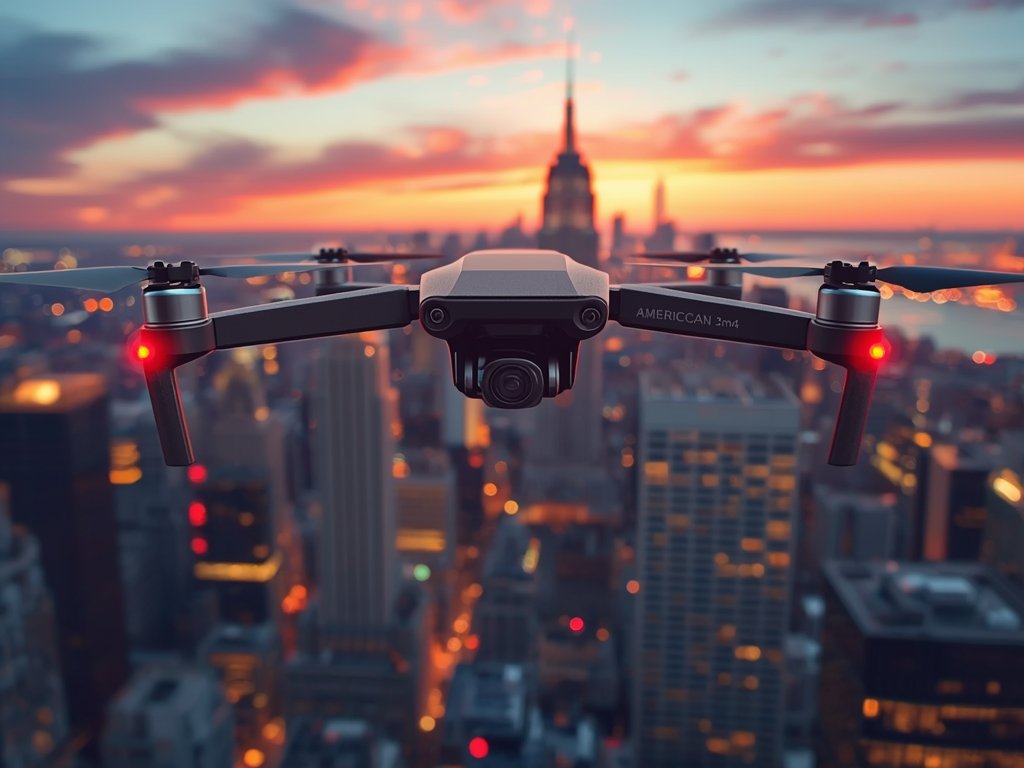
The future of delivery is taking flight, and it’s buzzing right above your backyard. Commercial drone delivery services are no longer a sci-fi fantasy – they’re a rapidly growing reality, reshaping how businesses across the United States operate. From fresh groceries to urgent medical supplies, these aerial couriers are poised to revolutionize logistics, offering speed, efficiency, and a whole new level of convenience.
Taking Off: The Rise of Drone Delivery in the US
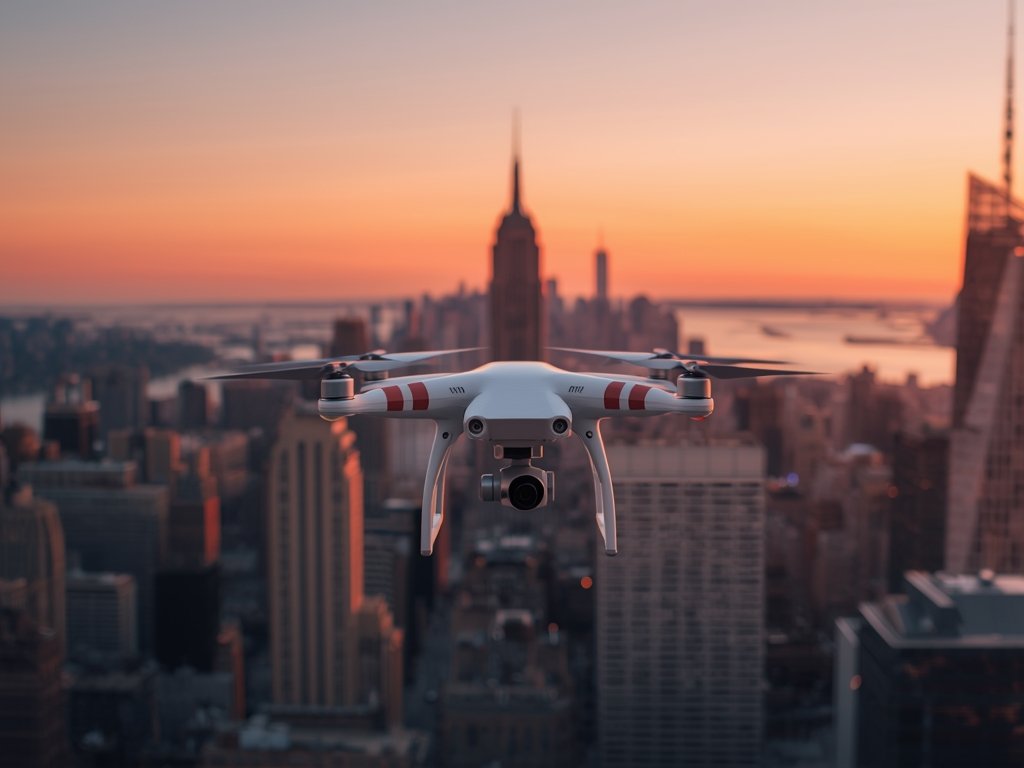
While the concept of drone delivery has been around for years, recent advancements in technology and regulatory changes have propelled it into the mainstream. The Federal Aviation Administration (FAA) has been instrumental in this takeoff, establishing clear guidelines and granting approvals for commercial drone operations.
Companies like Wing, Zipline, and Amazon Prime Air are leading the charge, conducting successful trials and launching pilot programs across the country. From rural areas with limited infrastructure to densely populated urban centers, drones are proving their versatility and potential to transform the delivery landscape.
Beyond Pizzas and Packages: Diverse Applications of Drone Delivery
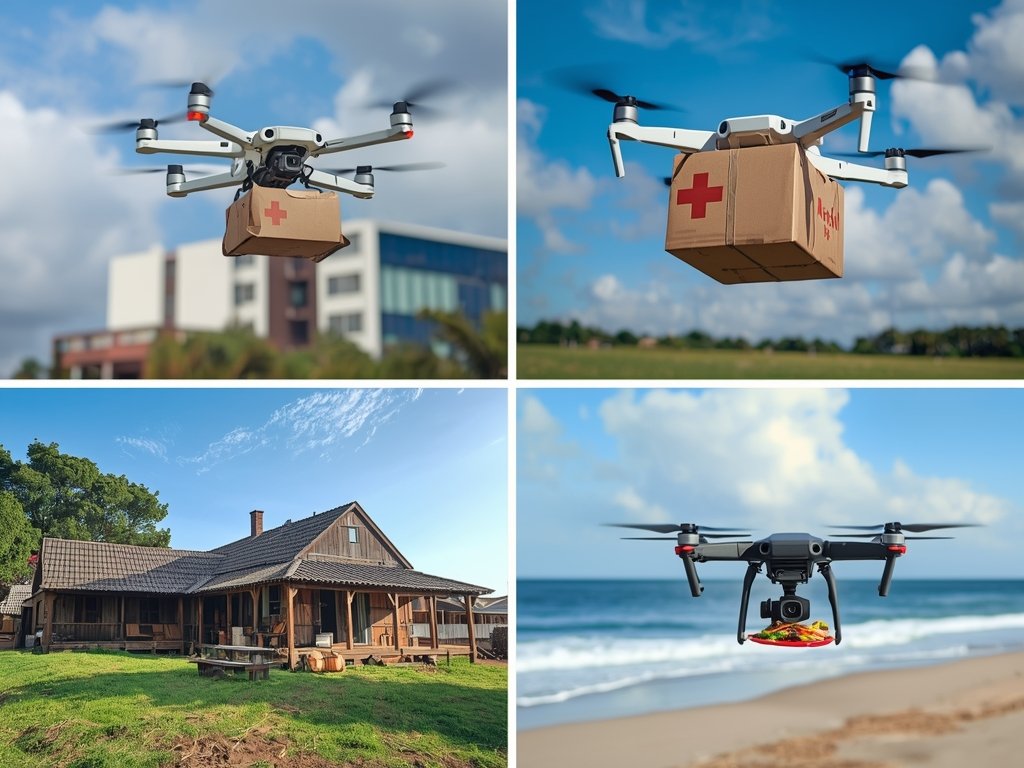
Healthcare Takes Flight
One of the most promising applications of drone delivery is in the healthcare sector. Drones can swiftly transport time-sensitive medical supplies, such as blood samples, organs for transplant, and emergency medications, to remote or hard-to-reach locations. This can be a game-changer for rural communities and disaster-stricken areas, where every minute counts.
Retail Reimagined
Imagine ordering your groceries or a last-minute gift and having it delivered to your doorstep within minutes. Drone delivery is making this a reality for retailers, enabling faster, more efficient order fulfillment and enhancing customer satisfaction. From local mom-and-pop shops to major e-commerce giants, businesses are exploring ways to integrate drones into their supply chains.
Emergency Response and Disaster Relief
In times of crisis, drones can be invaluable tools for emergency responders. They can quickly deliver essential supplies, such as food, water, and medical aid, to affected areas, bypassing damaged infrastructure and reaching those in need faster than traditional methods. Drones can also assist in search and rescue operations, providing aerial surveillance and real-time updates to emergency teams.
Navigating the Skies: Challenges and Opportunities
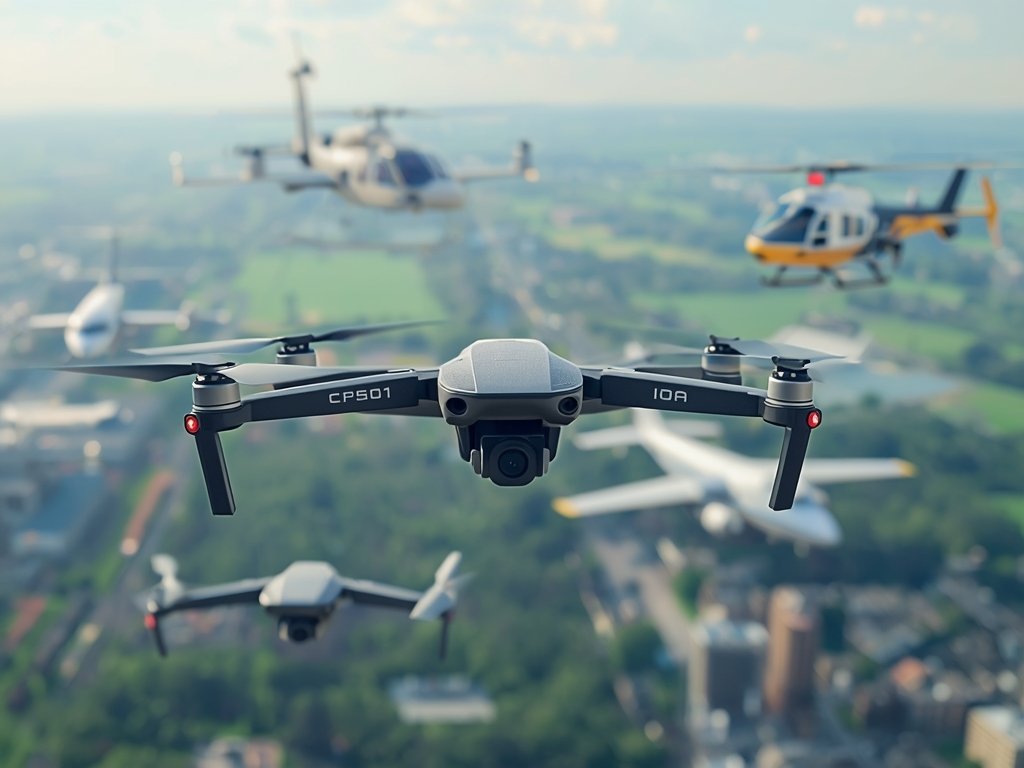
As with any emerging technology, commercial drone delivery faces its share of challenges. Airspace management, safety concerns, and public perception are just a few of the hurdles that need to be addressed. However, with careful planning, collaboration, and innovation, these challenges can be overcome, paving the way for a new era of aerial logistics.
Regulatory Frameworks and Airspace Management
The FAA plays a crucial role in ensuring the safe integration of drones into the national airspace system. As drone delivery operations scale up, robust regulatory frameworks and advanced airspace management systems will be essential to prevent collisions, maintain order, and protect public safety.
Public Perception and Acceptance
Winning the hearts and minds of the public is vital for the widespread adoption of drone delivery. Addressing concerns about noise, privacy, and safety will require transparent communication, community engagement, and demonstrable benefits that outweigh any potential drawbacks.
The Future is Up in the Air: What’s Next for Drone Delivery?
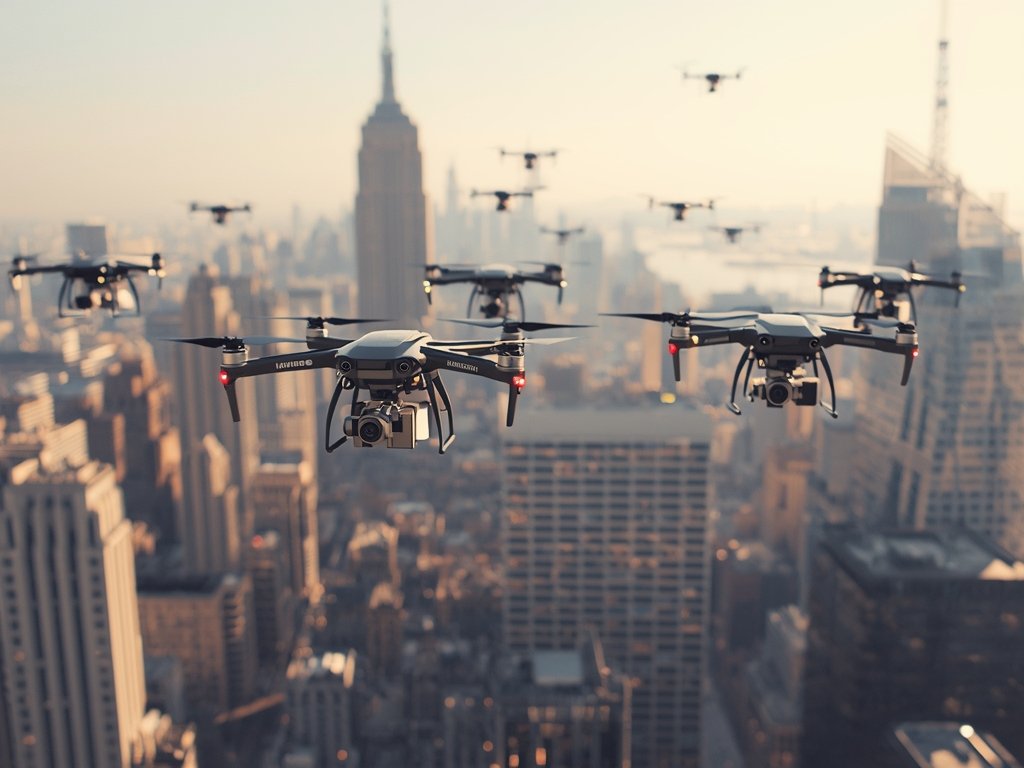
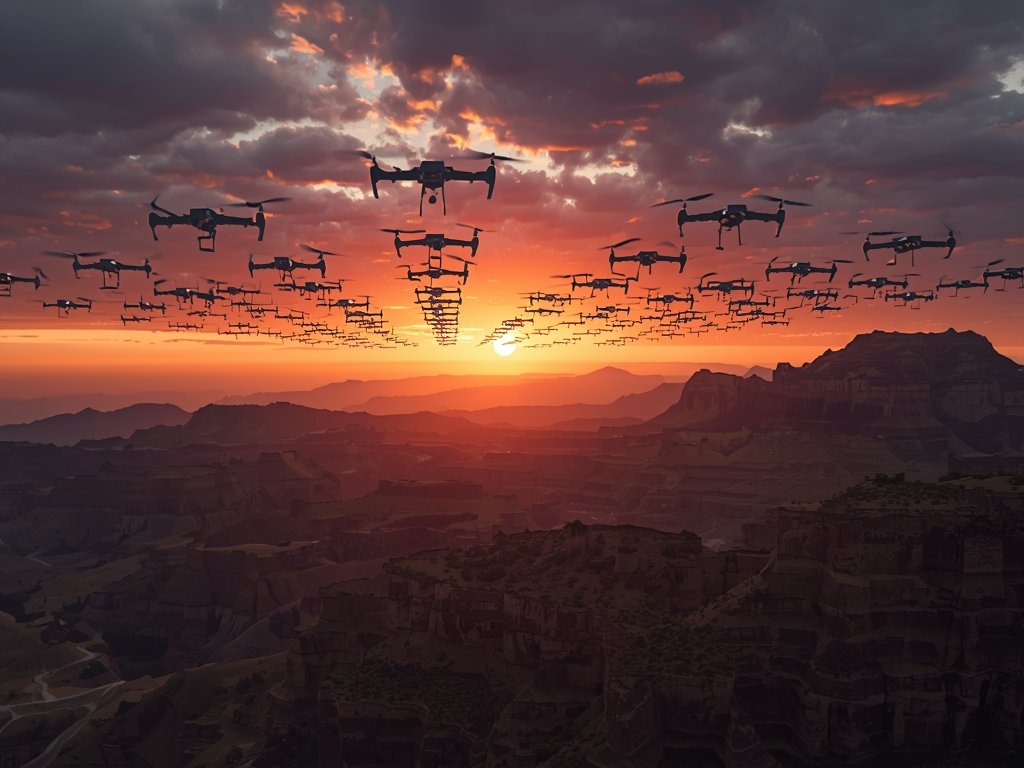
As technology continues to evolve and regulations adapt, the possibilities for commercial drone delivery are limitless. We can expect to see more sophisticated drones, capable of carrying heavier payloads, flying longer distances, and navigating complex environments with ease.
Integration with Existing Infrastructure
Drone delivery will likely become an integral part of existing logistics networks, complementing traditional delivery methods rather than replacing them. We may see the development of hybrid models, where drones are used for the “last mile” of delivery, while ground transportation handles longer hauls.
New Business Models and Opportunities
The rise of drone delivery will create new business opportunities and disrupt existing ones. From drone fleet management and maintenance to specialized delivery services and aerial advertising, entrepreneurs and innovators will find a wealth of possibilities in this emerging industry.
FAQ
How fast can drone deliveries be?
Drone delivery speeds vary depending on the drone model, payload, and distance, but they can typically reach speeds of 30-60 mph, enabling deliveries within minutes or a few hours.
Are drone deliveries safe?
Safety is a top priority for drone delivery companies and regulators. Advanced safety features, such as collision avoidance systems and redundant navigation, are built into drones to minimize risks.
Can drones deliver to rural areas?
Yes, drones are particularly well-suited for rural deliveries, as they can bypass infrastructure limitations and reach remote locations quickly and efficiently.
What are the environmental benefits of drone delivery?
Drone delivery can reduce carbon emissions and traffic congestion by replacing traditional delivery vehicles, especially for short-distance, last-mile deliveries.
Join Our Pilot Community
Connect with fellow drone enthusiasts, share your aerial shots, and get access to free PDF ebook guides.