
The Sky’s the Limit: Exploring Commercial Drone Business Opportunities
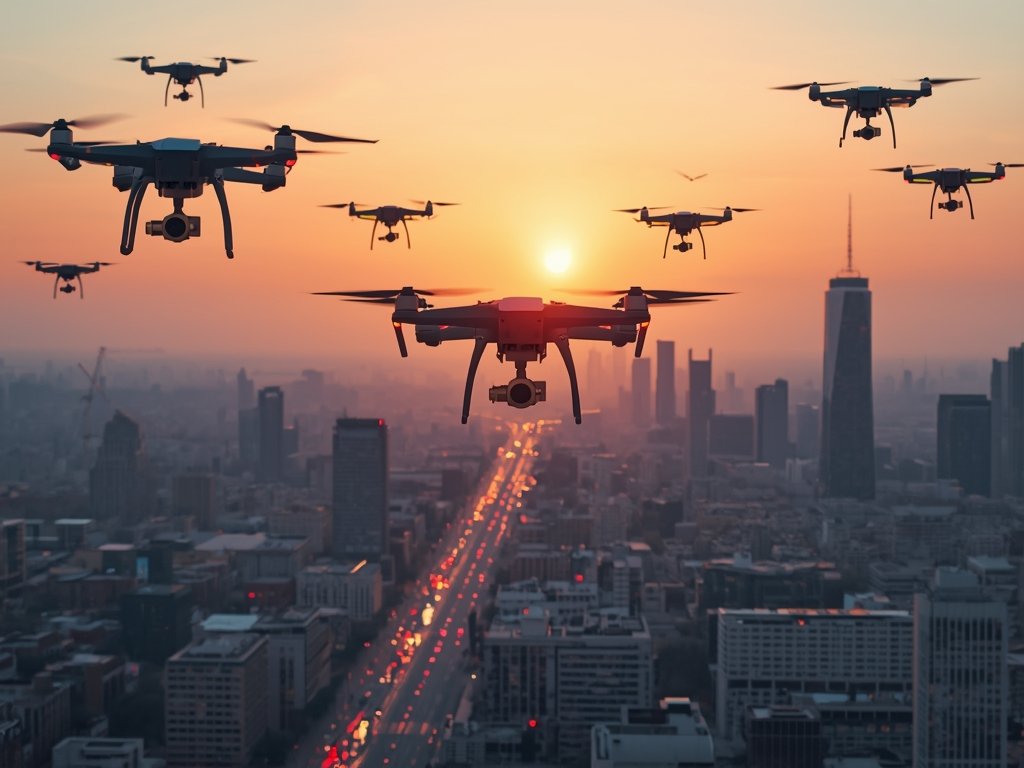
The commercial drone industry is taking off, and it’s not just about capturing breathtaking aerial footage anymore. As regulations evolve and technology advances, drones are becoming indispensable tools across various sectors. From agriculture to real estate, and inspections to deliveries, the possibilities are endless. In this article, we’ll explore the exciting world of commercial drone business opportunities and how you can capitalize on this growing market.
Taking Flight: Industries Ripe for Drone Disruption

Drones are no longer a novelty; they’re transforming the way businesses operate. Here are some industries where drones are making a significant impact:
- Agriculture: Drones equipped with multispectral cameras can monitor crop health, optimize irrigation, and increase yields.
- Construction: Drones can survey job sites, inspect structures, and create 3D maps, improving safety and efficiency.
- Real Estate: Aerial footage and virtual tours created by drones can showcase properties in a unique and engaging way.
- Inspections: Drones can access hard-to-reach areas, such as rooftops, bridges, and towers, reducing the need for costly and time-consuming manual inspections.
Real-World Applications: Success Stories from the Field
Companies like DJI and PrecisionHawk are already making waves in the commercial drone space. For instance, a California-based winery uses drones to monitor grapevines, resulting in a 15% increase in crop yield. Similarly, a Texas construction firm employs drones to survey job sites, reducing project timelines by 20%.
Navigating the Regulatory Landscape: FAA Rules and Beyond

Before launching your commercial drone business, it’s essential to understand the regulatory landscape. The Federal Aviation Administration (FAA) has established rules for commercial drone operations, including:
- Part 107: Regulations for small unmanned aircraft systems (UAS) weighing less than 55 pounds.
- Remote ID: Requirements for drones to broadcast their identity and location during flight.
- Airspace authorizations: Permissions needed to fly in controlled airspace, such as near airports.
Staying Compliant: Tips for Drone Entrepreneurs
To stay compliant with FAA regulations, consider obtaining a Remote Pilot Certificate, maintaining detailed flight logs, and staying up-to-date with changing rules. Additionally, invest in reliable drone equipment and prioritize safety in all operations.
Building a Successful Drone Business: Strategies for Growth

Starting a commercial drone business requires more than just flying skills. Here are some key strategies for building a successful enterprise:
- Identify a niche: Focus on a specific industry or application where drones can provide unique value.
- Develop a strong brand: Create a professional image and establish trust with clients through consistent marketing and high-quality services.
- Invest in training and equipment: Stay up-to-date with the latest drone technology and obtain necessary certifications.
Marketing Your Drone Business: Tips for Standing Out
In a competitive market, it’s essential to differentiate your drone business. Consider showcasing your work through a portfolio website, leveraging social media platforms like Instagram and LinkedIn, and networking with industry professionals. Attend local events, such as trade shows and conferences, to build relationships and generate leads.
Monetizing Your Drone Skills: Creative Revenue Streams
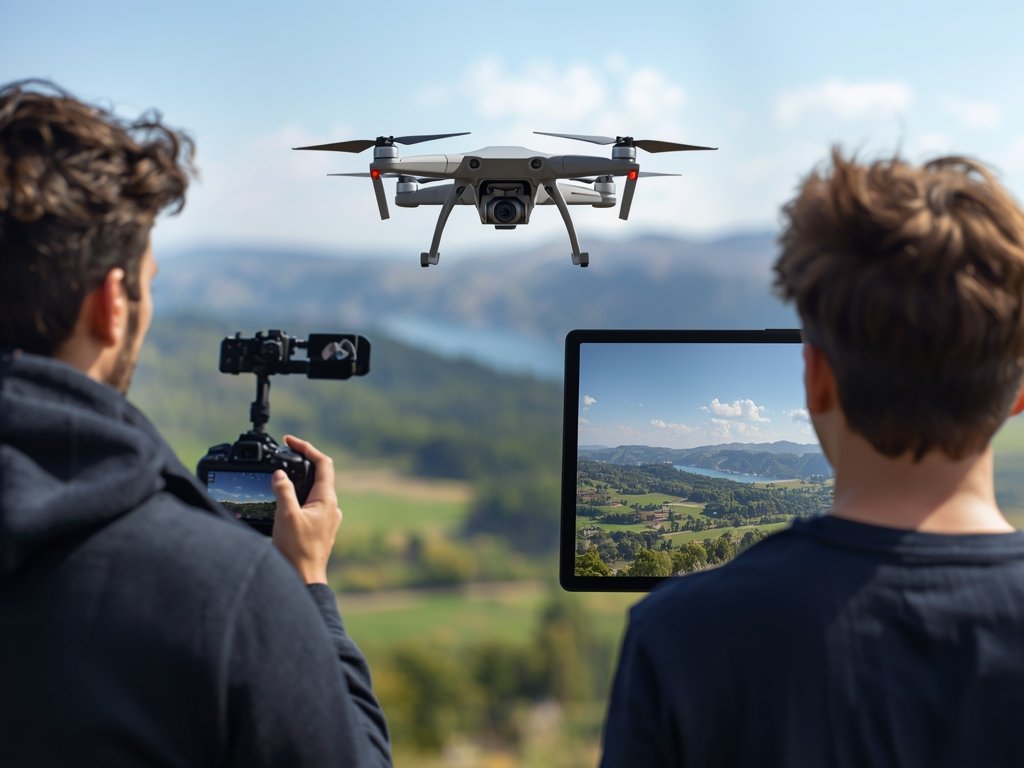
Beyond traditional drone services, there are numerous creative ways to monetize your skills. Consider offering:
- Aerial photography and videography: Capture stunning footage for real estate, events, and marketing campaigns.
- Drone training and consulting: Share your expertise with individuals and businesses looking to incorporate drones into their operations.
- Custom drone builds and modifications: Design and build specialized drones for unique applications, such as search and rescue or environmental monitoring.
Diversifying Your Income: Passive Revenue Streams
To create a steady income stream, consider selling drone-related products, such as accessories, software, or online courses. You can also license your aerial footage or partner with stock footage websites to generate passive revenue.
The Future of Commercial Drones: Trends and Innovations
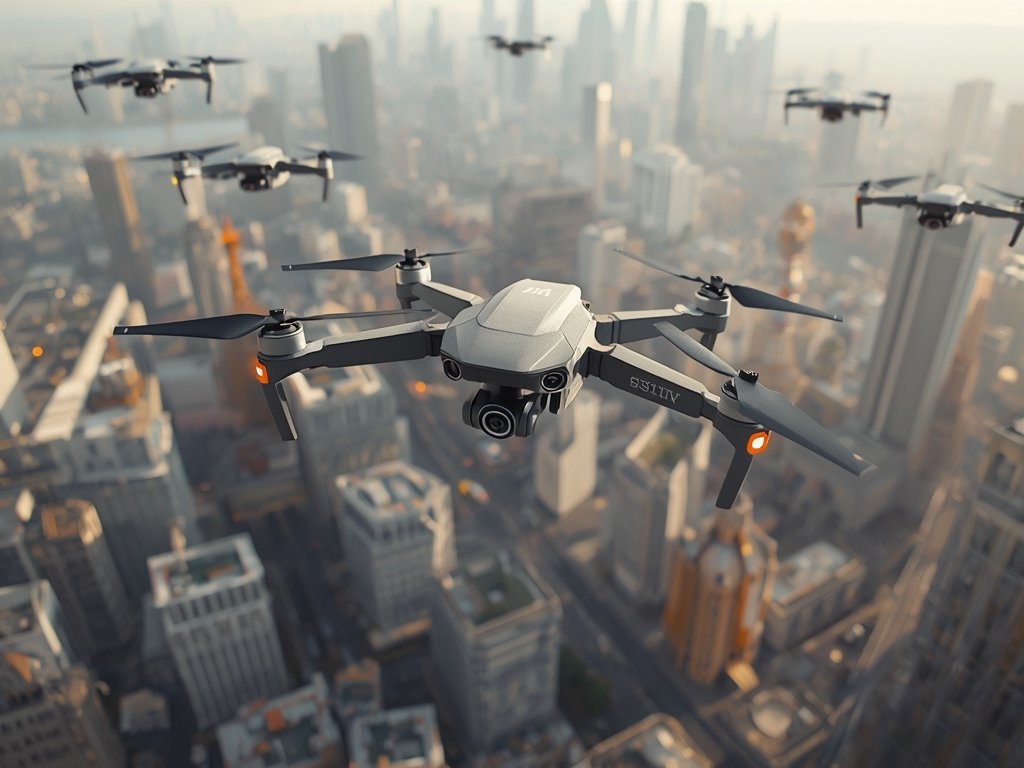
As the commercial drone industry continues to evolve, we can expect to see exciting trends and innovations, including:
- Drone delivery networks: Companies like Amazon and UPS are investing in drone delivery systems, which could revolutionize the logistics industry.
- Beyond Visual Line of Sight (BVLOS) operations: Advances in technology and regulations will enable drones to fly beyond the pilot’s visual line of sight, opening up new possibilities for long-range inspections and deliveries.
- Autonomous drones: Increased autonomy will enable drones to perform complex tasks with minimal human intervention, improving efficiency and safety.
Staying Ahead of the Curve: Adapting to Change
To thrive in the rapidly changing commercial drone industry, stay informed about emerging trends, invest in ongoing education, and be prepared to adapt your business model as new technologies and regulations emerge.
FAQ
What are the initial costs of starting a commercial drone business?
The initial costs can vary widely, but expect to invest in a high-quality drone ($1,000-$5,000), insurance ($500-$1,000/year), and necessary certifications (e.g., Remote Pilot Certificate, $150-$500). Additional expenses may include marketing, equipment maintenance, and software subscriptions.
How do I obtain the necessary certifications to operate a commercial drone?
To obtain a Remote Pilot Certificate, you’ll need to pass the FAA’s Part 107 knowledge test, which covers topics like airspace regulations, weather, and drone operations. Study materials and practice exams are available online, and many drone training schools offer preparation courses.
Can I fly my drone in urban areas or near airports?
Flying in urban areas or near airports requires authorization from the FAA. You’ll need to obtain airspace authorization and comply with local regulations. Always check for temporary flight restrictions (TFRs) and avoid flying in restricted airspace without proper permission.
What insurance do I need for my commercial drone business?
Liability insurance is essential for protecting your business against accidents, injuries, or property damage. Look for policies specifically designed for drone operators, which typically cover bodily injury, property damage, and personal injury. Costs vary depending on coverage limits and business operations.
How can I stay competitive in the commercial drone market?
To stay competitive, focus on providing exceptional customer service, investing in high-quality equipment, and staying up-to-date with industry trends and regulations. Continuously refine your skills, expand your service offerings, and build a strong professional network.
Join Our Pilot Community
Connect with fellow drone enthusiasts, share your aerial shots, and get access to free PDF ebook guides.