
Taking to the Skies: How Cargo Drones are Revolutionizing Last-Mile Delivery
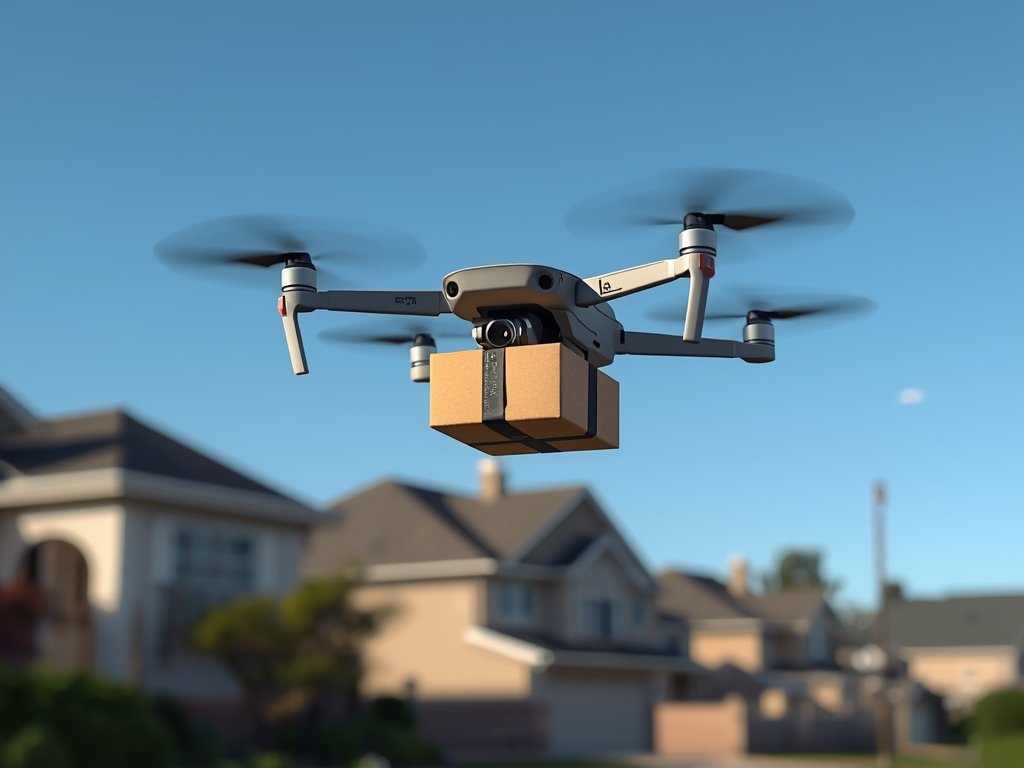
The last mile of delivery has long been a logistical headache, plagued by traffic congestion, high costs, and inefficient routes. But a new player is entering the arena, promising to transform the way goods reach our doorsteps: cargo drones.
These unmanned aerial vehicles (UAVs) are no longer a futuristic fantasy. Companies across the United States are actively developing and testing drone delivery systems, poised to reshape the logistics landscape.
From rural areas with limited infrastructure to bustling urban centers, cargo drones offer a faster, more efficient, and environmentally friendly solution to the last-mile delivery challenge.
The Last-Mile Bottleneck: A Persistent Problem

Imagine waiting eagerly for a package, only to have it delayed by hours due to traffic jams or inefficient routing. This scenario is all too familiar for many Americans.
The last mile, the final leg of the delivery journey from a local distribution center to the customer’s doorstep, accounts for a significant portion of delivery costs and time.
Traditional delivery methods, reliant on trucks and vans, struggle with congestion, parking limitations, and the need for multiple stops. This inefficiency not only frustrates customers but also contributes to increased carbon emissions and operational expenses.
Enter the Drones: A Bird’s-Eye View of the Solution
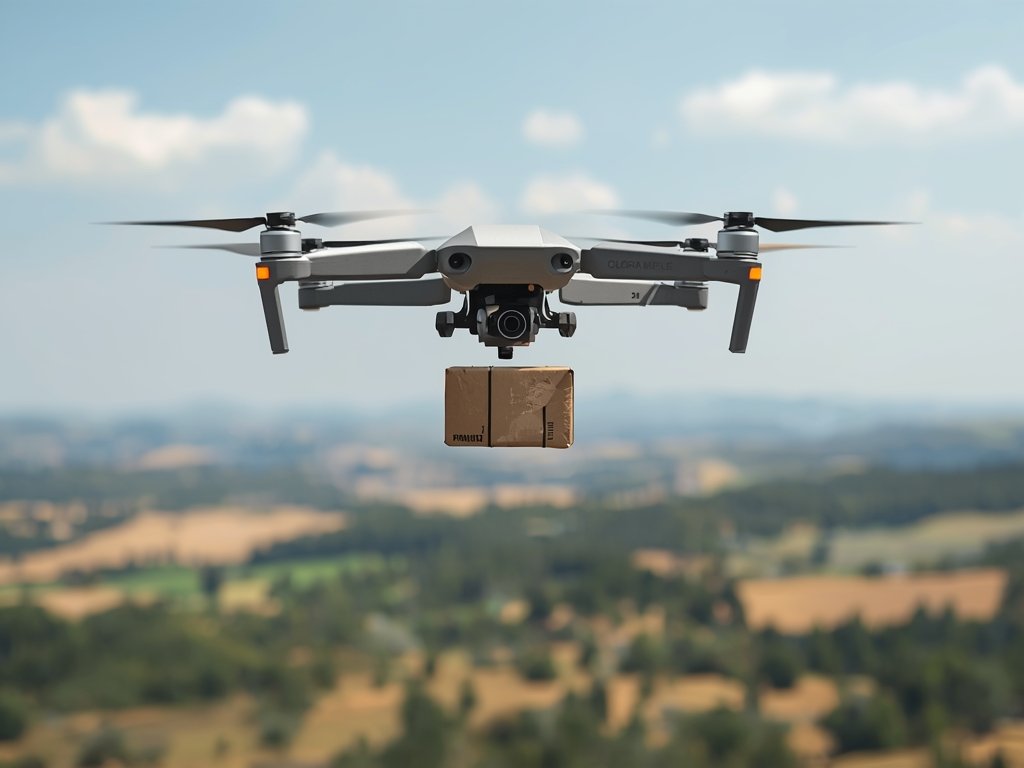
Cargo drones offer a compelling alternative, bypassing ground-level obstacles and reaching destinations directly. These aerial vehicles can navigate over traffic, reducing delivery times significantly.
Imagine receiving your online order within minutes, not hours, thanks to a drone’s ability to take the most direct route. This speed and efficiency are particularly beneficial for time-sensitive deliveries, such as medical supplies or fresh groceries.
Moreover, drones can access areas that traditional vehicles cannot, making them ideal for rural communities or regions with challenging terrain. No more waiting days for a package to arrive; drones can deliver swiftly and reliably.
The Environmental Advantage: Greening the Last Mile
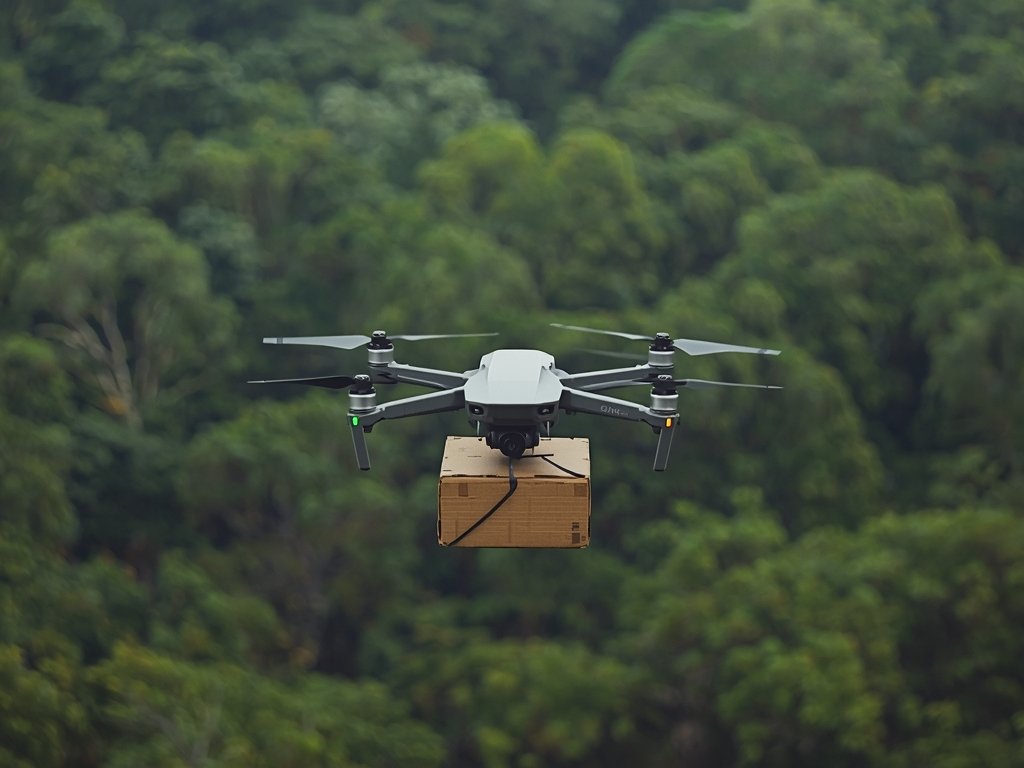
Beyond speed and accessibility, cargo drones present a more sustainable delivery option. Electric-powered drones produce zero emissions during flight, reducing the carbon footprint associated with traditional delivery methods.
This eco-friendly approach aligns with the growing consumer demand for environmentally conscious practices. As companies strive to meet sustainability goals, drone delivery offers a viable path to greener logistics.
Taking Flight: Real-World Applications and Success Stories
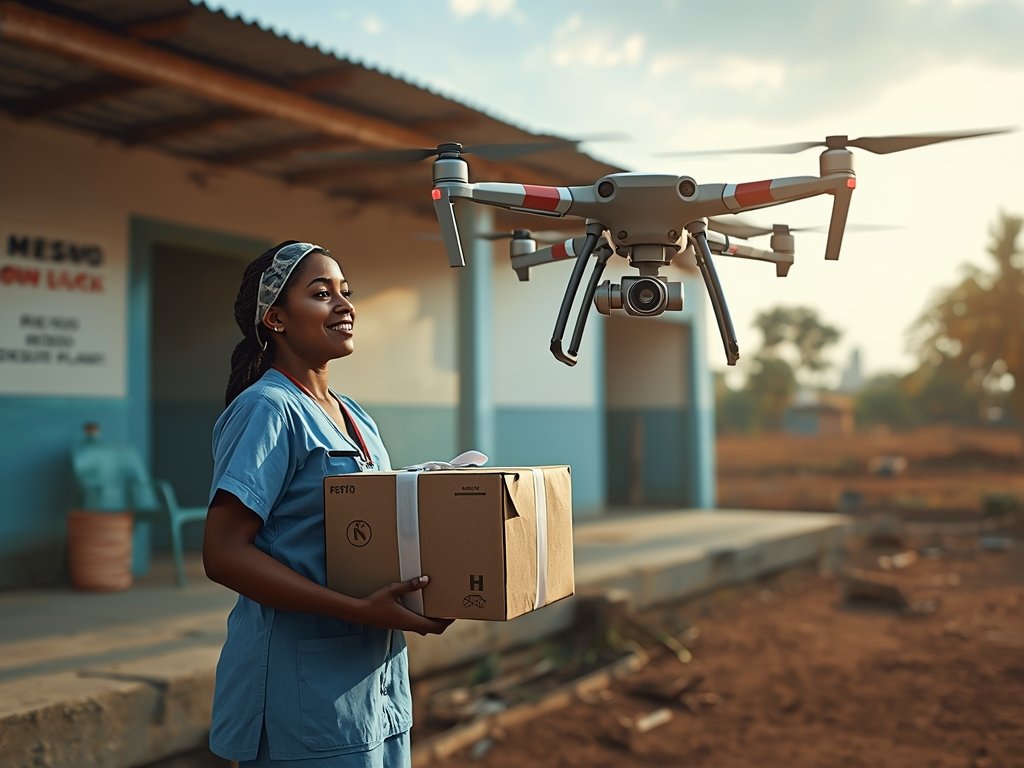
The potential of cargo drones is not just theoretical; it’s already being realized in various sectors across the United States.
In the healthcare industry, drones are delivering critical medical supplies to remote areas, ensuring timely access to life-saving treatments. For instance, a pilot program in North Carolina successfully transported medical samples and medications between hospitals and laboratories, reducing delivery times from hours to minutes.
The retail sector is also embracing drone technology. Major companies like Amazon and Walmart are investing heavily in drone delivery services, aiming to provide customers with rapid, convenient access to their purchases.
Overcoming Challenges: Navigating the Skies Safely and Efficiently
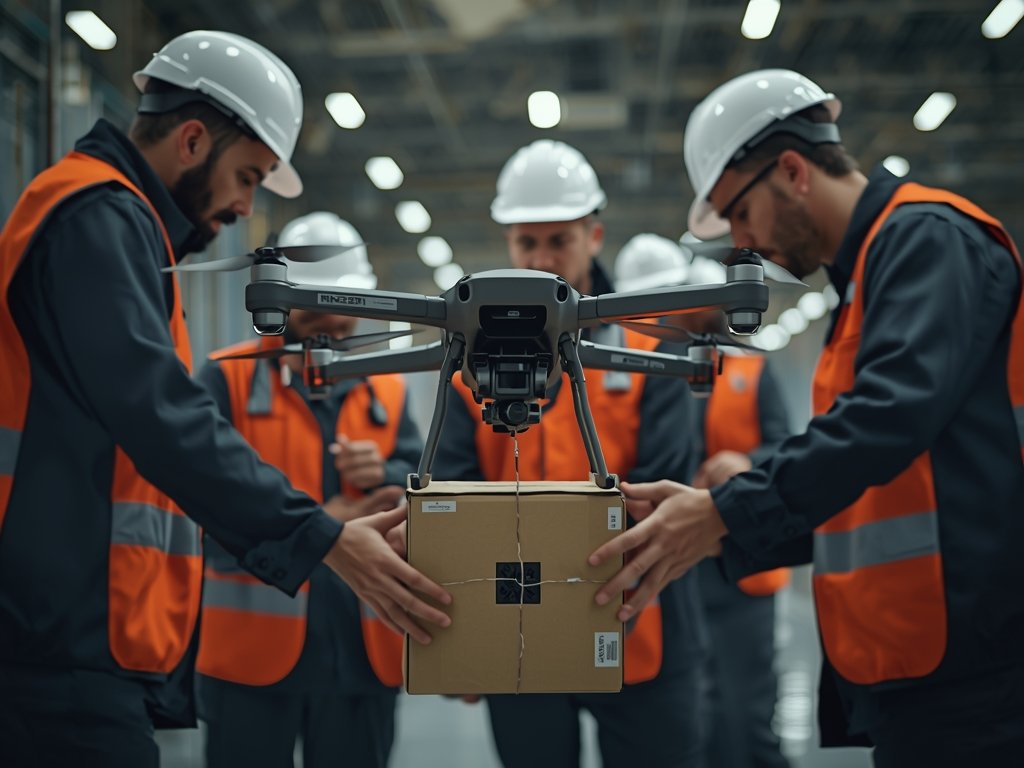
While the benefits are clear, integrating cargo drones into existing logistics networks is not without challenges. Safety, regulation, and public acceptance are key considerations.
Ensuring safe drone operations in shared airspace requires advanced technology and rigorous testing. Companies are developing sophisticated flight control systems and collision avoidance mechanisms to prevent accidents.
Regulatory bodies are also working to establish clear guidelines for drone operations, addressing concerns related to privacy, noise, and air traffic management. Public education and engagement are crucial to fostering acceptance and trust in this emerging technology.
The Future of Last-Mile Delivery: A Sky Full of Possibilities
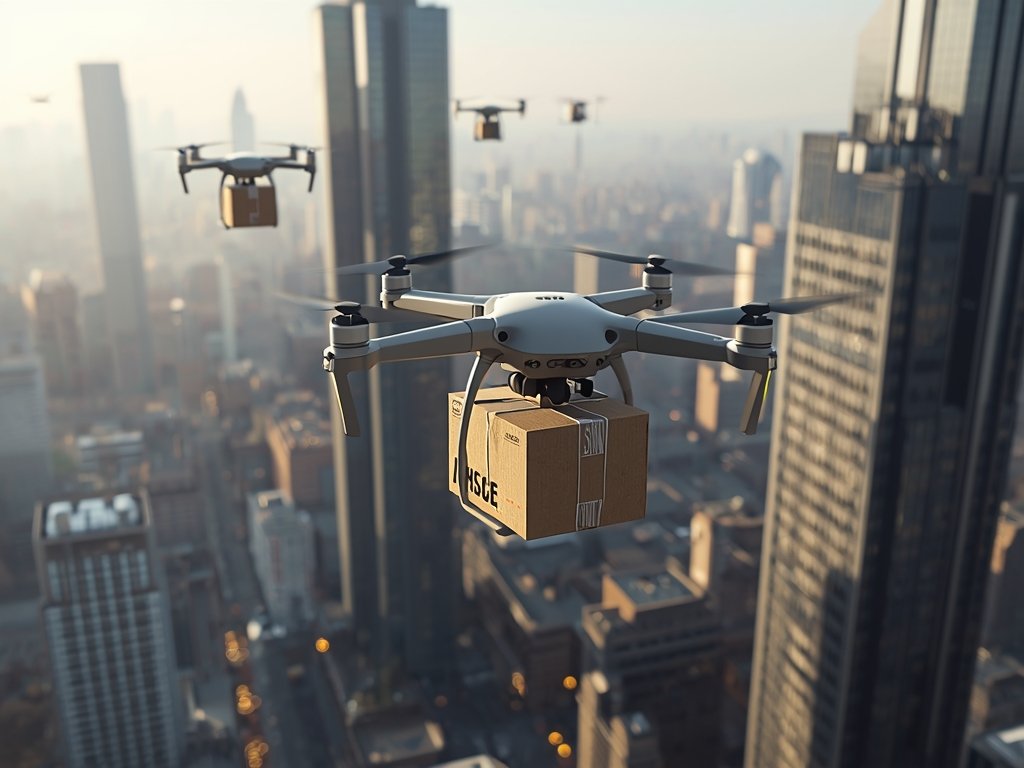
As cargo drone technology continues to evolve, the future of last-mile delivery looks increasingly aerial. With ongoing advancements in battery life, payload capacity, and navigation systems, drones will become even more efficient and versatile.
We can expect to see expanded drone delivery networks, serving both urban and rural areas. The integration of drones with existing logistics infrastructure will create a seamless, multi-modal delivery ecosystem, optimizing speed, cost, and sustainability.
The sky is literally the limit as cargo drones take center stage, transforming the way goods move and shaping a new era of logistics.
FAQ
How do cargo drones navigate and avoid obstacles?
Cargo drones are equipped with advanced navigation systems, including GPS, sensors, and cameras, enabling them to plan and follow precise routes. These systems also detect and avoid obstacles, ensuring safe flight paths.
What is the typical range and payload capacity of a cargo drone?
Current cargo drones can typically travel up to 10 miles on a single charge, with payload capacities ranging from 5 to 20 pounds, depending on the model and design.
Are cargo drones safe for urban environments?
Safety is a top priority in cargo drone development. Drones are designed with redundant systems and fail-safes to prevent accidents. Regulatory bodies are also establishing strict guidelines to ensure safe operations in urban areas.
How will cargo drones impact traditional delivery jobs?
While cargo drones may reduce the need for certain ground-based delivery roles, they will also create new job opportunities in drone operation, maintenance, and logistics management, fostering a shift in the industry’s skill requirements.
Join Our Pilot Community
Connect with fellow drone enthusiasts, share your aerial shots, and get access to free PDF ebook guides.