
The Ultimate Backpacker’s Companion: Choosing the Perfect Travel Drone
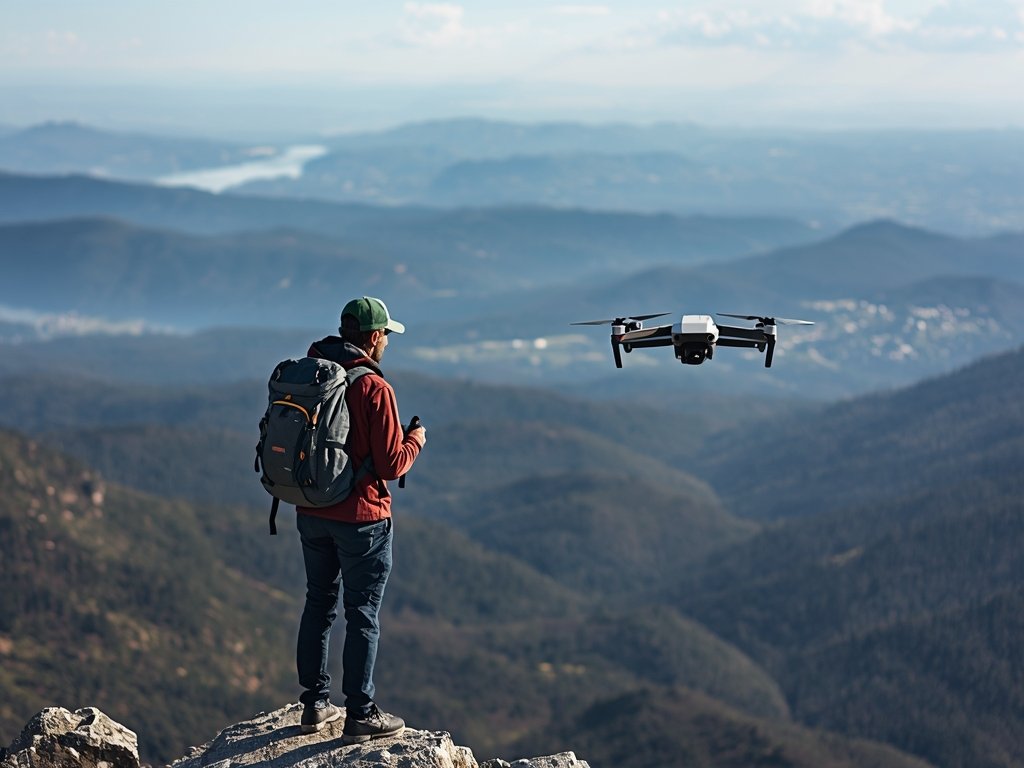
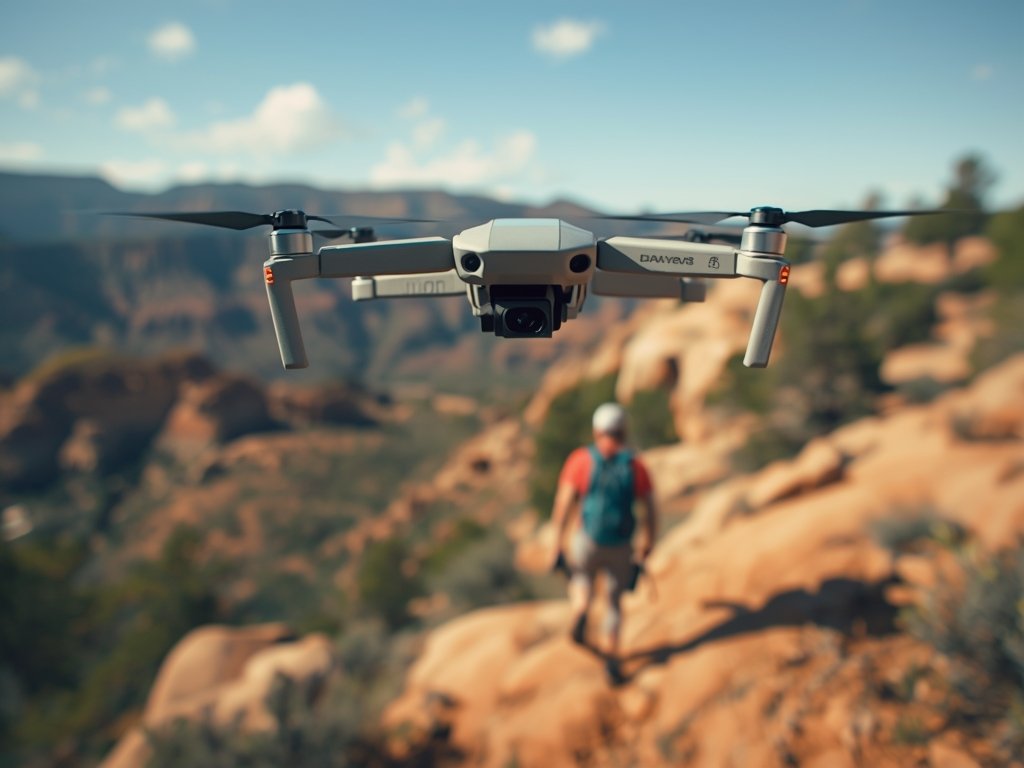
Embarking on a backpacking adventure across the diverse landscapes of the United States is an experience like no other. From the rugged peaks of the Rockies to the serene beaches of California, every moment is a memory waiting to be captured. And what better way to immortalize these adventures than with a travel drone?
But with so many options available, finding the best travel drone for your backpacking trips can be a daunting task. Fear not, fellow adventurer! This comprehensive guide will navigate you through the essential features, top recommendations, and expert tips to ensure you capture every breathtaking moment with ease.
Why Every Backpacker Needs a Travel Drone
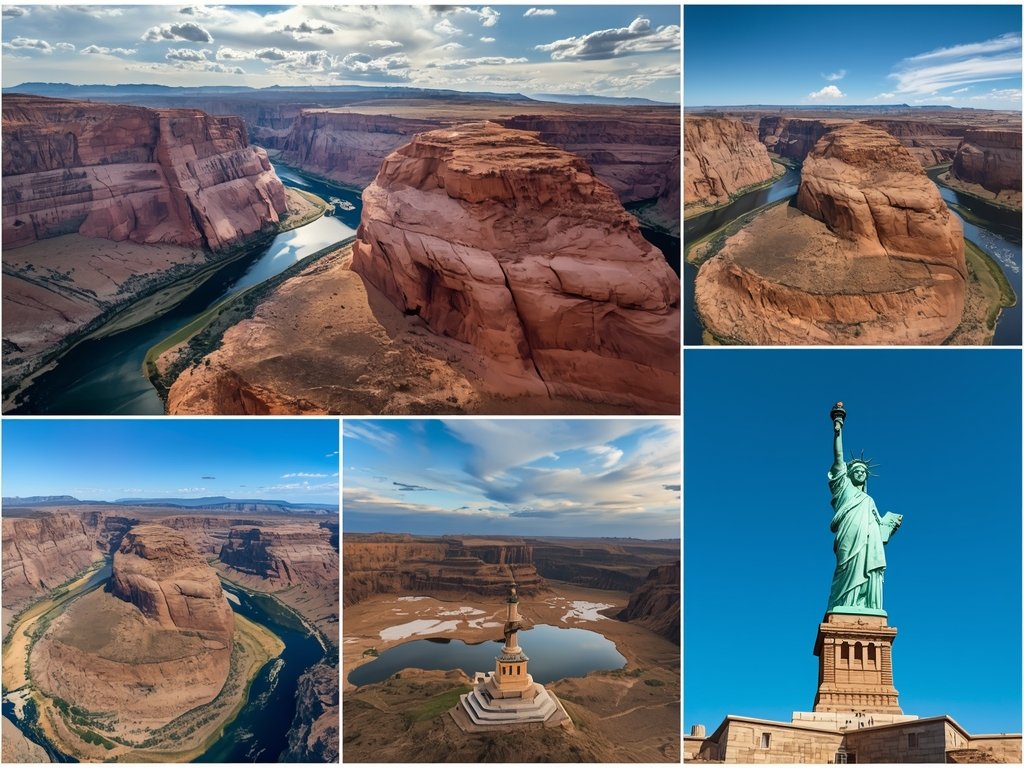
Elevate Your Travel Photography
Imagine capturing the vastness of the Grand Canyon from a bird’s-eye view or hovering over the vibrant streets of New Orleans during Mardi Gras. Drones offer a unique perspective that traditional cameras simply can’t match. They allow you to tell your travel stories in a whole new way, adding depth and drama to your photos and videos.
Compact and Portable: Designed for the Road
Modern travel drones are engineered with the nomadic spirit in mind. They fold down to pocket-sized dimensions, making them easy to pack alongside your hiking gear. No more lugging around bulky equipment – these drones are ready to go wherever your wanderlust takes you.
Key Features to Look for in a Backpacking Drone
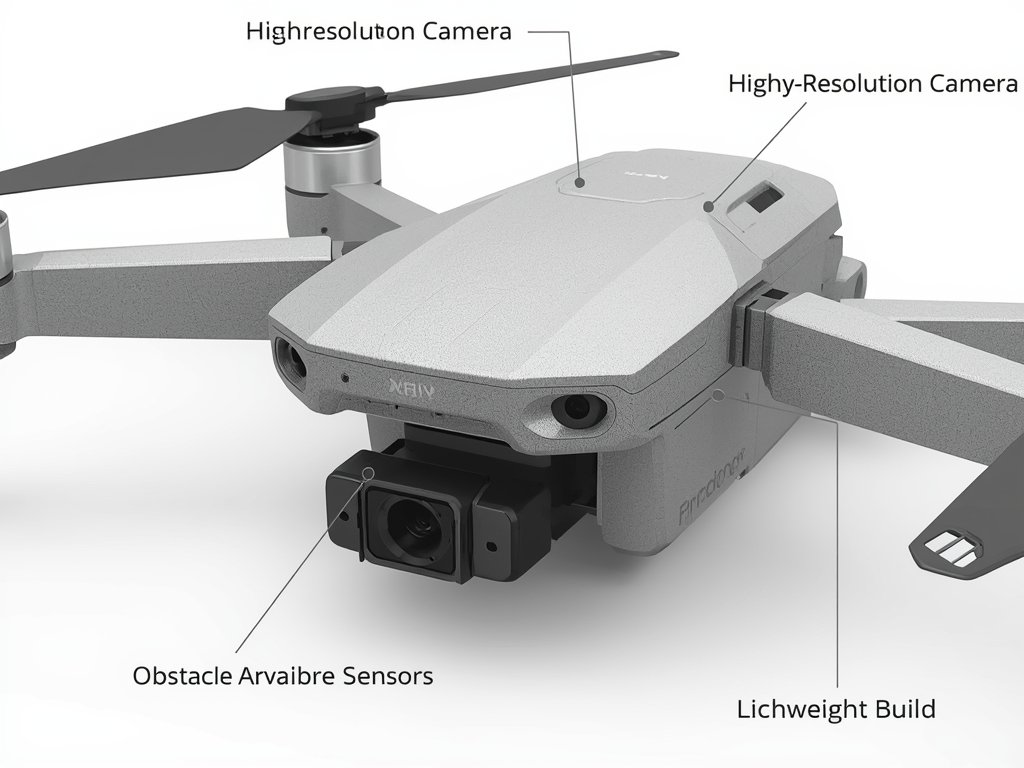
Not all drones are created equal, especially when it comes to backpacking. Here’s what to prioritize in your search for the ultimate travel companion:
- Portability: Look for a drone with a foldable design and lightweight construction. Every ounce matters when you’re hiking for miles.
- Camera Quality: Opt for at least 4K resolution and a stabilized gimbal for smooth, high-quality footage. Consider drones with zoom capabilities for versatile shooting.
- Battery Life: Aim for a minimum of 20-30 minutes of flight time. Some models offer interchangeable batteries, allowing you to extend your aerial sessions.
- Durability: Backpacking often involves rugged conditions. Choose a drone with a sturdy build and water resistance for peace of mind.
- Ease of Use: Intuitive controls and smart features like obstacle avoidance and return-to-home functions are essential for stress-free flying.
Top 5 Travel Drones for Backpacking Adventures
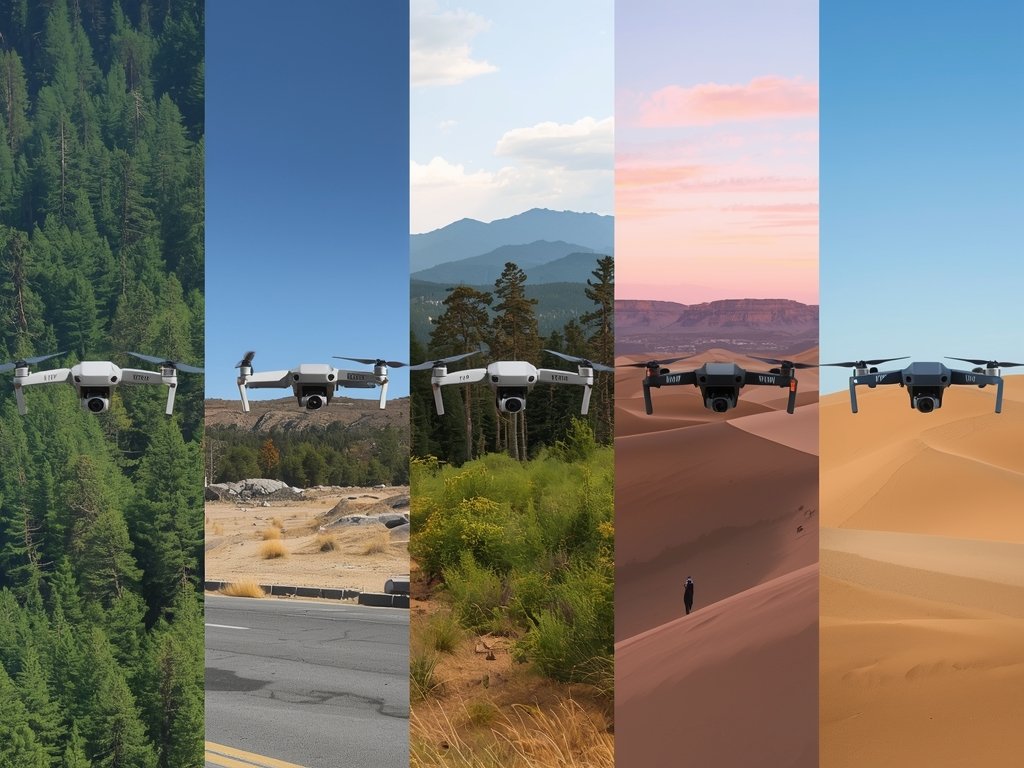
1. DJI Mini 3 Pro: The Lightweight Champion
Weighing in at just 249g, the DJI Mini 3 Pro is a powerhouse in a compact package. Its 4K camera with a 1/1.3-inch sensor delivers stunning image quality, while the 48MP RAW photos allow for creative editing. The drone’s tri-directional obstacle sensing ensures safe flights, even in tight spaces.
Perfect for: Hikers and campers who want a hassle-free, high-performance drone without the weight.
2. Autel EVO Nano+: Feature-Rich and Foldable
The Autel EVO Nano+ boasts a 48MP camera with 4K video capabilities and a 3-axis gimbal for smooth footage. Its foldable design and 249g weight make it incredibly portable. The drone’s dynamic track feature and various shooting modes cater to both beginners and enthusiasts.
Ideal for: Travelers seeking a feature-rich drone with excellent image quality and smart flight modes.
3. Ryze Tello: Budget-Friendly Starter Drone
For those new to drone photography, the Ryze Tello offers an affordable entry point. This lightweight drone (80g) is easy to fly and captures 720p video. While it lacks advanced features, it’s a great way to learn the basics without breaking the bank.
Suitable for: Beginners and budget-conscious travelers looking for a simple, fun drone experience.
4. Parrot Anafi: Versatile and Durable
The Parrot Anafi stands out with its 180-degree tilt gimbal, allowing for unique angles. Its 4K HDR camera and 2.8x lossless zoom provide excellent image quality. The drone’s compact, foldable design and 32-minute flight time make it a reliable travel companion.
Recommended for: Adventurers seeking versatility and durability in various environments.
5. DJI Mavic Air 2: Premium Performance
The DJI Mavic Air 2 offers a premium experience with its 48MP camera, 4K/60fps video, and advanced features like ActiveTrack 3.0. Its 34-minute flight time and obstacle avoidance system ensure a smooth and safe flying experience. While slightly heavier (570g), it’s still portable enough for most backpacking trips.
Best for: Serious photographers and videographers who demand top-tier performance and image quality.
Essential Tips for Drone Backpacking
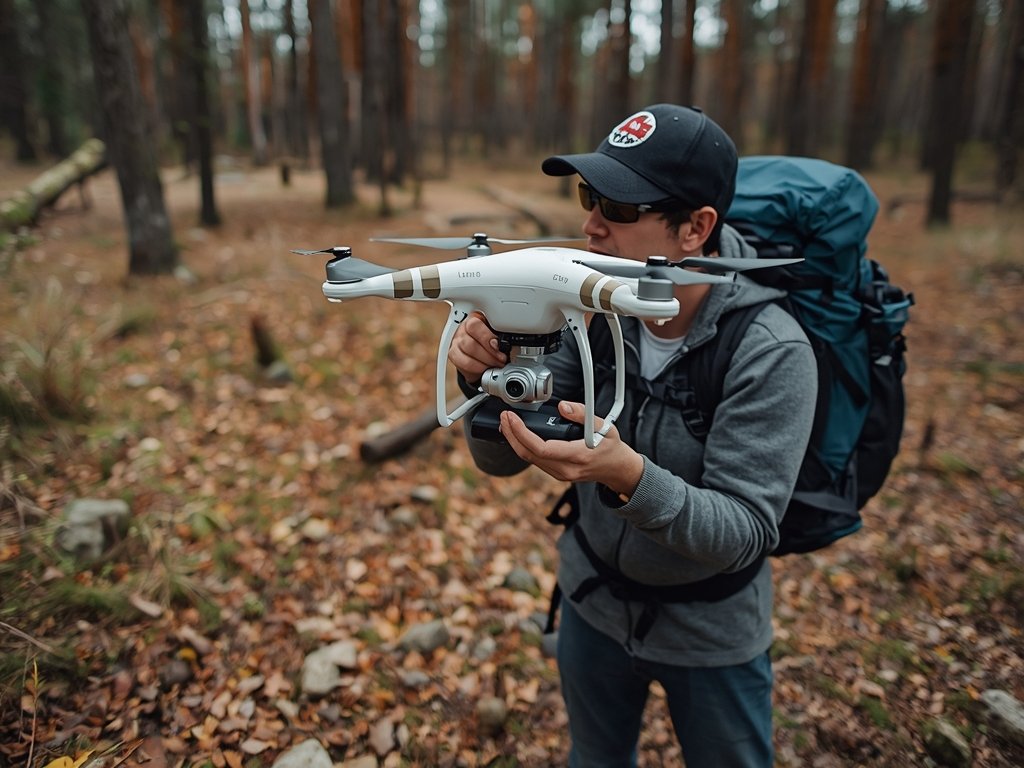
Pack Smart: Essential Accessories
Beyond the drone itself, there are a few must-have accessories for every backpacking trip:
- Extra Batteries: Extend your flight time with additional batteries. Keep them charged and ready for those spontaneous photo opportunities.
- Portable Charger: A compact power bank ensures your drone and other devices stay charged, even off the grid.
- ND Filters: Neutral density filters help control exposure in bright conditions, essential for capturing smooth, cinematic footage.
- Carrying Case: Invest in a durable case to protect your drone during transit. Look for one with custom foam inserts for a snug fit.
Master the Art of Drone Photography
To make the most of your drone, consider these creative tips:
- Scout Locations: Research and plan your shots in advance. Apps like Google Earth can help you discover unique perspectives.
- Play with Perspectives: Experiment with different angles and heights to add drama to your photos and videos.
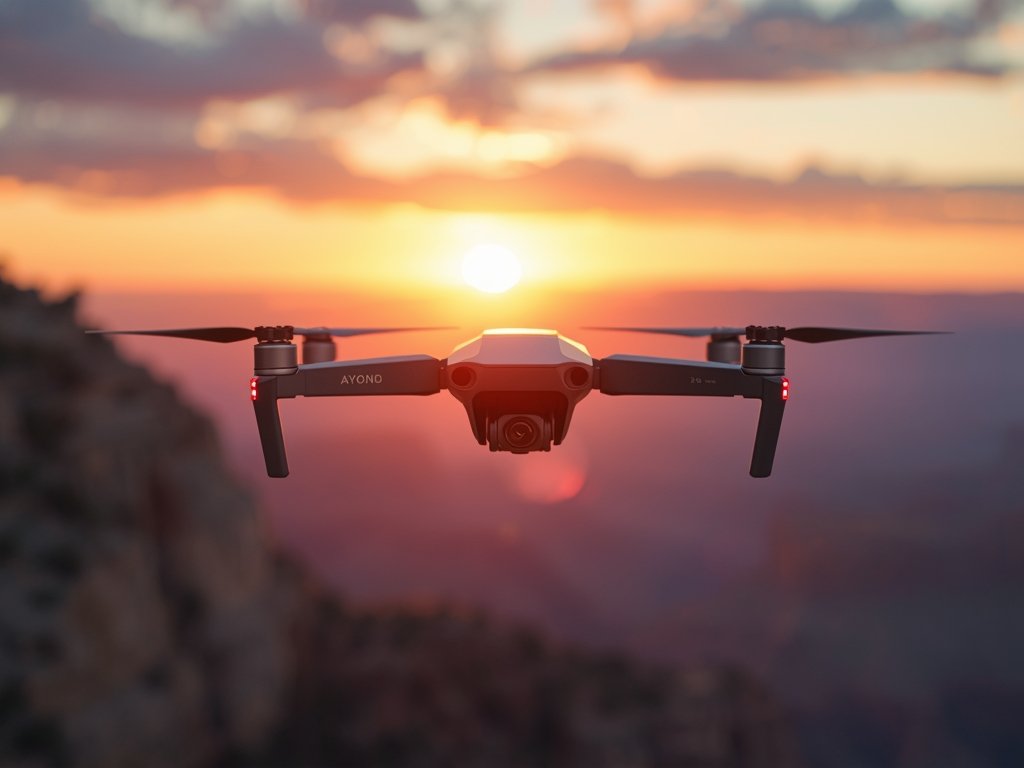
- Capture the Golden Hours: The soft light during sunrise and sunset can transform your aerial shots, creating warm, captivating images.
- Tell a Story: Use your drone to create a narrative. Capture the journey, not just the destination, for a more engaging travelogue.
Navigating Legal and Ethical Considerations
As a responsible drone user, it’s crucial to be aware of the legal and ethical guidelines surrounding drone usage, especially in the diverse landscapes of the US.
Know the Rules: FAA Regulations
The Federal Aviation Administration (FAA) sets the guidelines for drone operations in the US. Key points to remember:
- Register your drone if it weighs between 0.55 lbs (250g) and 55 lbs (25kg).
- Fly below 400 feet and keep your drone within visual line of sight.
- Avoid flying over people or moving vehicles.
- Respect no-fly zones, including national parks and airports.
Always check the FAA’s B4UFLY app for the latest restrictions in your area.
Respecting Nature and Wildlife
When flying in natural environments, prioritize the well-being of wildlife and ecosystems:
- Maintain a safe distance from animals to avoid disturbing their natural behavior.
- Be mindful of nesting birds and other sensitive habitats.
- Avoid flying in protected areas or during sensitive times, such as breeding seasons.
Remember, as visitors to these pristine environments, it’s our responsibility to minimize our impact.
FAQ: Your Drone Backpacking Queries Answered
What’s the best drone for beginners on a budget?
The Ryze Tello is an excellent choice for newcomers to drone photography. Its affordable price, lightweight design, and easy-to-use controls make it a great starting point. While it may lack advanced features, it’s perfect for learning the basics and capturing decent quality footage.
Can I fly my drone in national parks?
Generally, drone use is prohibited in national parks to protect wildlife and ensure visitor safety. However, some parks may allow drones in specific areas with a permit. Always check with the park’s website or visitor center before flying.
How do I transport my drone safely while hiking?
Invest in a high-quality carrying case designed specifically for your drone model. These cases feature custom foam inserts that securely hold the drone and its accessories, protecting them from bumps and scratches during your hike.
What’s the ideal battery life for a backpacking drone?
Aim for a drone with at least 20-30 minutes of flight time. This duration allows for ample shooting opportunities without being too heavy. Consider models with interchangeable batteries for extended flights, especially if you plan to capture time-lapses or long videos.
Are there any restrictions on flying drones in cities?
Urban areas often have stricter regulations due to safety and privacy concerns. Always check local laws and no-fly zones before taking off. Many cities require permits for commercial drone use, and some may have restrictions on flight altitudes and distances from buildings.
Join Our Pilot Community
Connect with fellow drone enthusiasts, share your aerial shots, and get access to free PDF ebook guides.