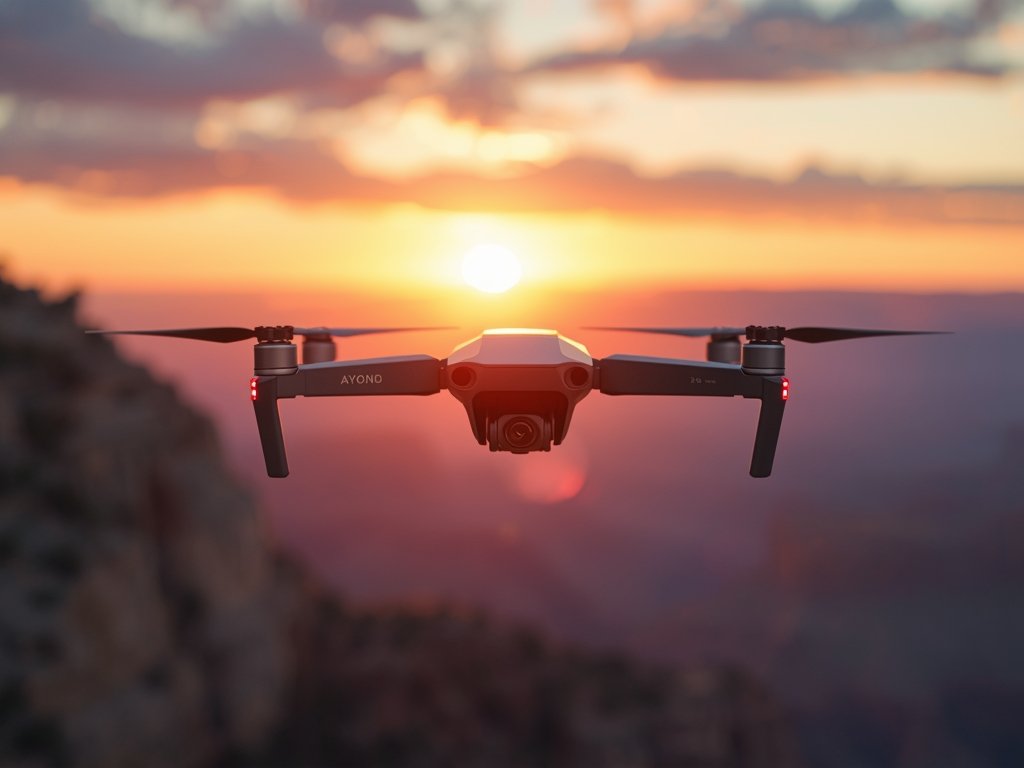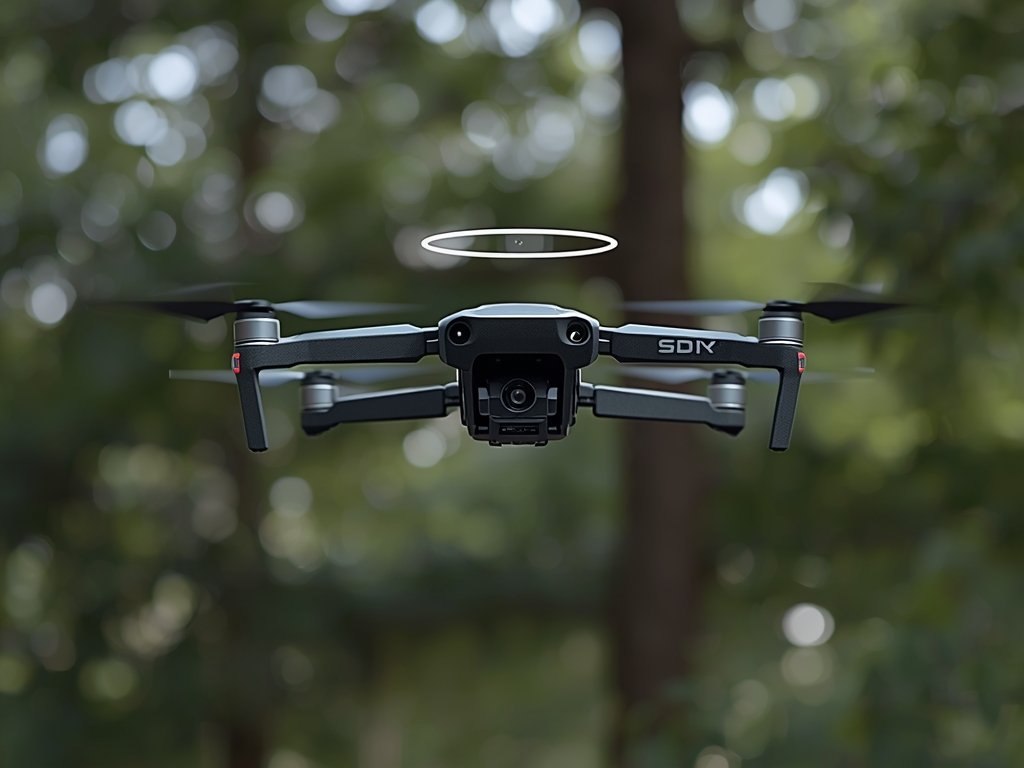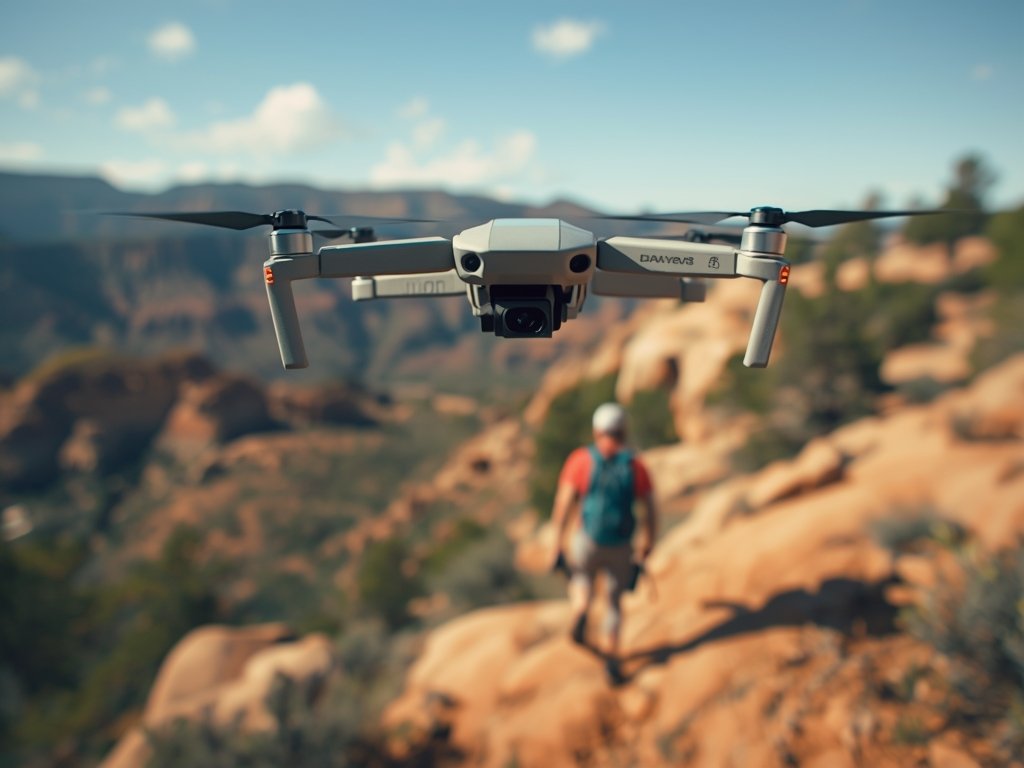

Capturing the American Skyline: Choosing the Perfect Drone for Pro-Level Shots
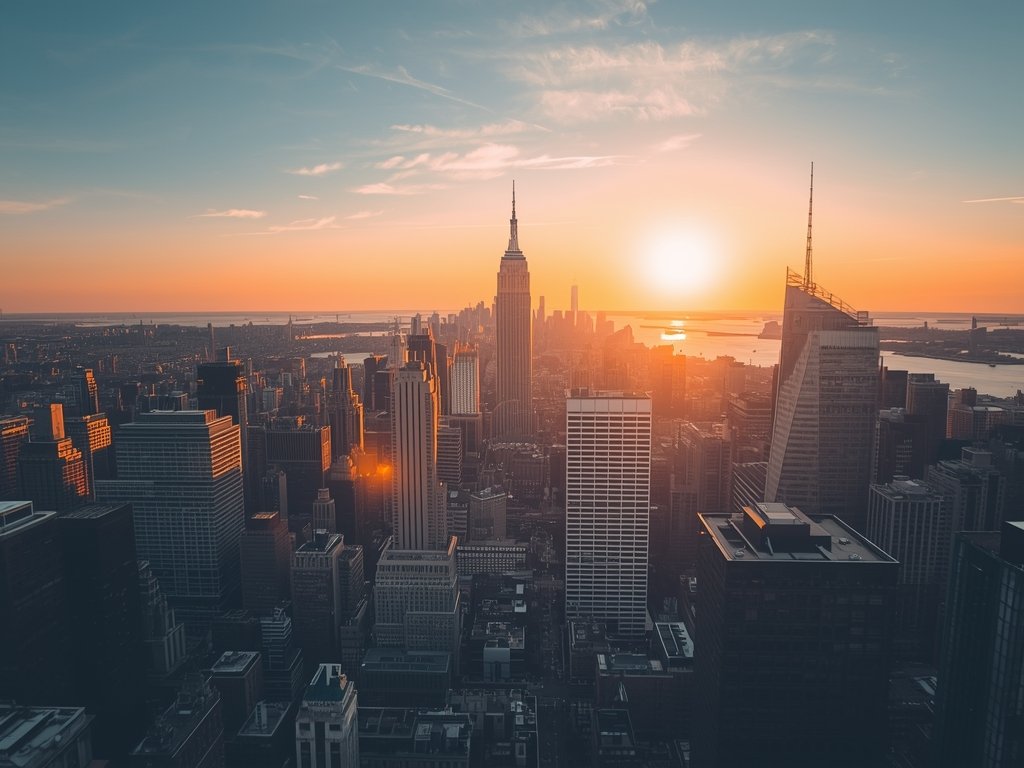
From the rugged peaks of the Rockies to the sun-soaked beaches of California, America’s landscapes beg to be captured from above. But for professional photographers and videographers, not just any drone will do. You need a machine that delivers cinematic quality, unwavering stability, and the precision to bring your creative vision to life.
This guide dives deep into the world of professional aerial photography drones, highlighting the features that matter most and showcasing the top contenders dominating the US market. Whether you’re chasing epic sunsets over the Grand Canyon or documenting urban life in Chicago, we’ll help you find the perfect drone to elevate your craft.
Beyond the Basics: What Makes a Drone “Professional”?
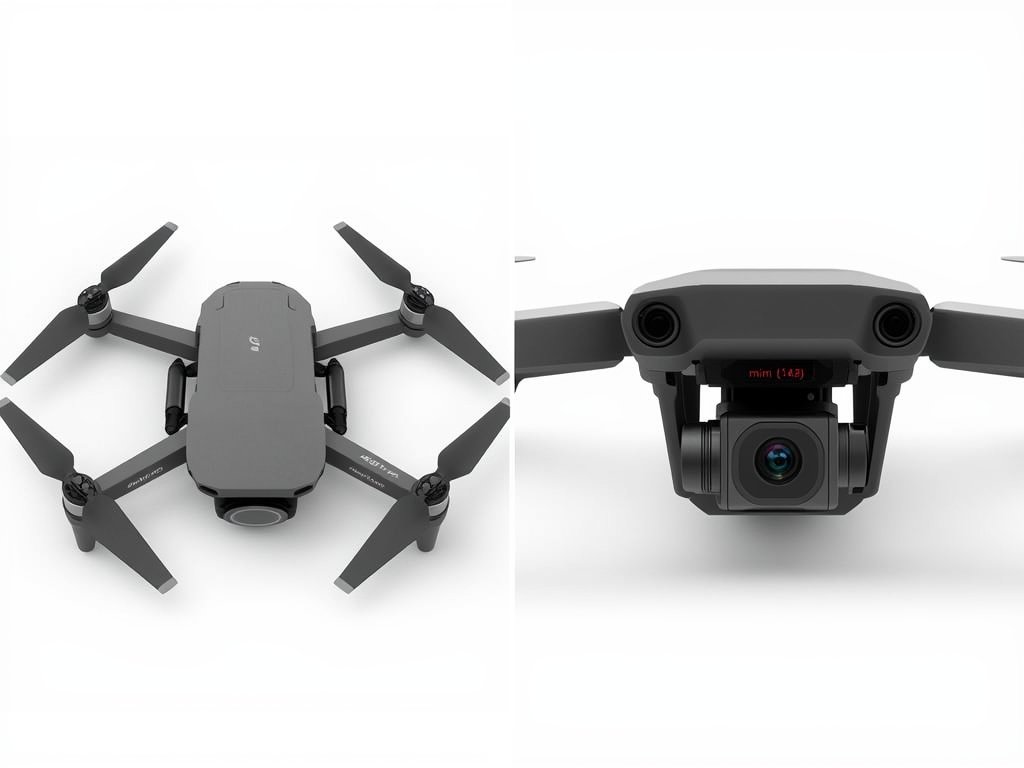
Forget selfie drones and toy quadcopters. Professional aerial photography demands a different breed of machine. Here’s what sets the pros apart:
- Image Quality: 4K and even 6K resolution, high-dynamic range (HDR), and large image sensors for stunning detail and low-light performance.
- Stability: Advanced gimbals and flight control systems ensure smooth, shake-free footage, even in windy conditions.
- Flight Time: Longer battery life means more time capturing the perfect shot, not worrying about landing.
- Control and Precision: Intuitive controllers, waypoint mapping, and obstacle avoidance for precise maneuvers and complex shots.
- Durability and Reliability: Built to withstand the rigors of professional use, with weather resistance and robust construction.
Top Contenders: Drones Dominating the US Market
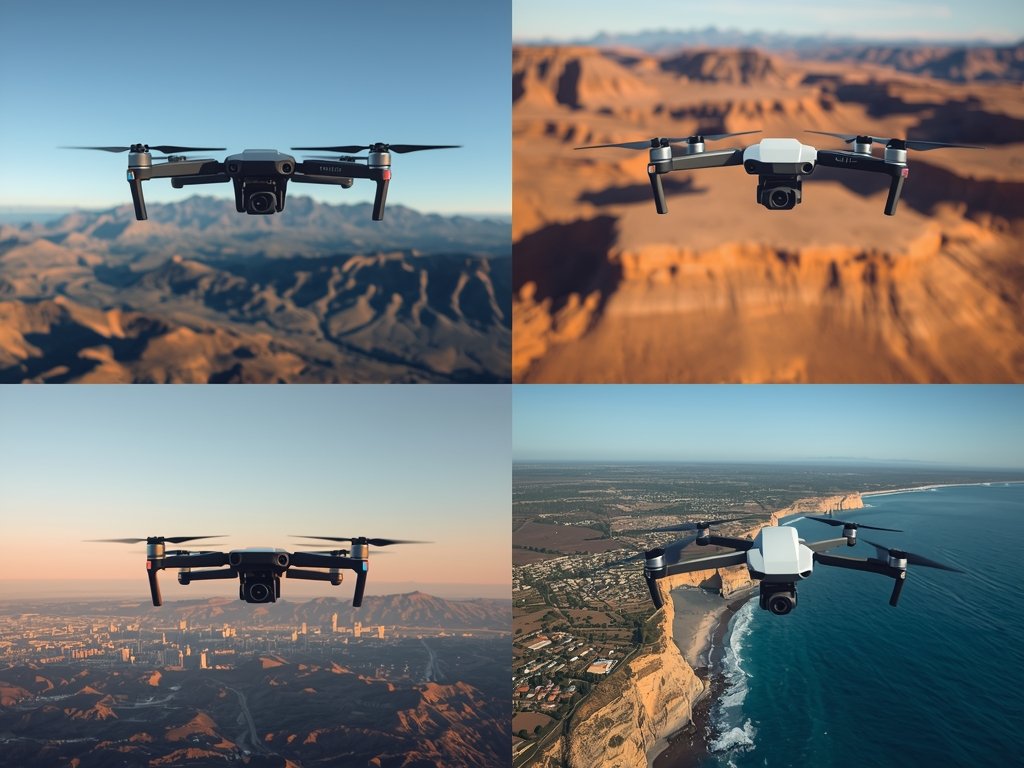
The US market is brimming with exceptional professional drones. Here are some of the top players, each with its own unique strengths:
DJI Inspire 3: The Industry Standard
DJI’s flagship drone remains the benchmark for professional aerial cinematography. Its interchangeable lens system, 6K resolution, and advanced obstacle avoidance make it a favorite among filmmakers and photographers alike.
Autel Evo II Pro: A Serious Challenger
Autel is giving DJI a run for its money with the Evo II Pro. Boasting a 6K camera with a 1-inch sensor, 40 minutes of flight time, and omnidirectional obstacle avoidance, it’s a powerful and versatile option.
Skydio 2+: AI-Powered Autonomy
Skydio takes a different approach, focusing on autonomous flight and obstacle avoidance. The Skydio 2+ excels at capturing dynamic action shots and navigating complex environments with ease.
Freefly Astro: The Cinematographer’s Dream
Built for Hollywood-level productions, the Freefly Astro is a heavy-lift drone capable of carrying high-end cinema cameras. Its modular design and precise control make it a favorite for professional filmmakers.
Beyond the Drone: Essential Accessories for Pro Aerial Photography
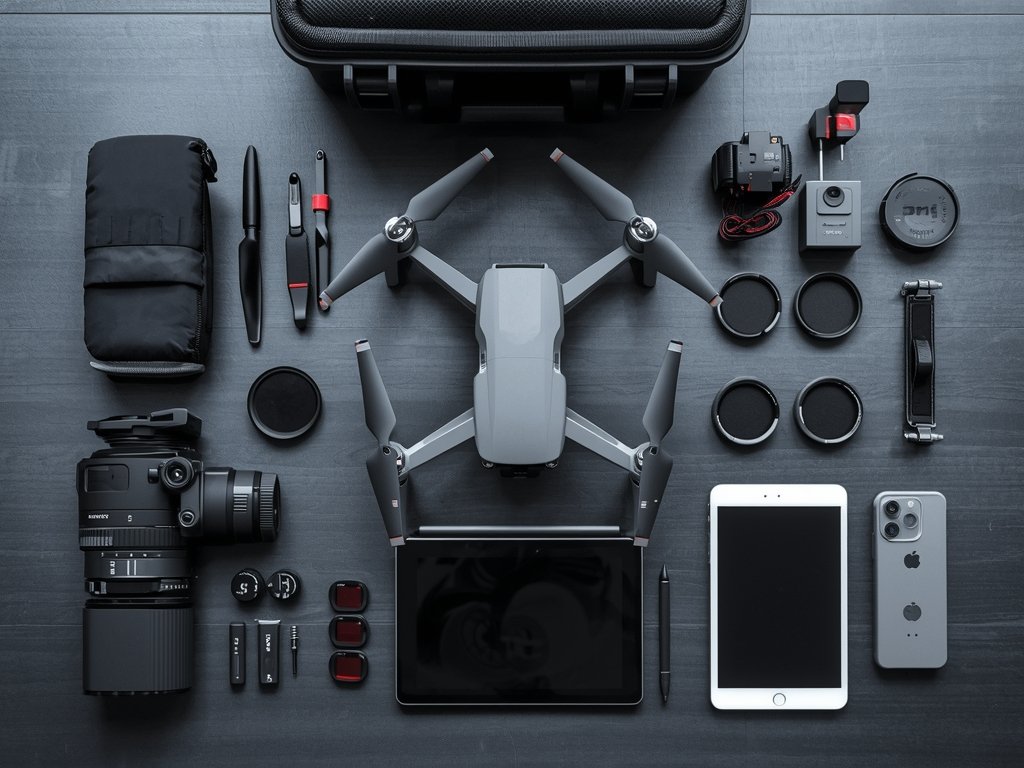
Your drone is just the starting point. To truly elevate your aerial photography game, invest in these essential accessories:
- Extra Batteries: Never run out of juice mid-shoot. Always carry multiple spare batteries.
- ND Filters: Control exposure and achieve cinematic effects with neutral density filters.
- Tablet or Monitor: Get a larger, clearer view of your footage with a dedicated monitor or tablet.
- Carrying Case: Protect your investment with a sturdy, padded case designed for your specific drone model.
Legal and Ethical Considerations: Flying Responsibly in the US
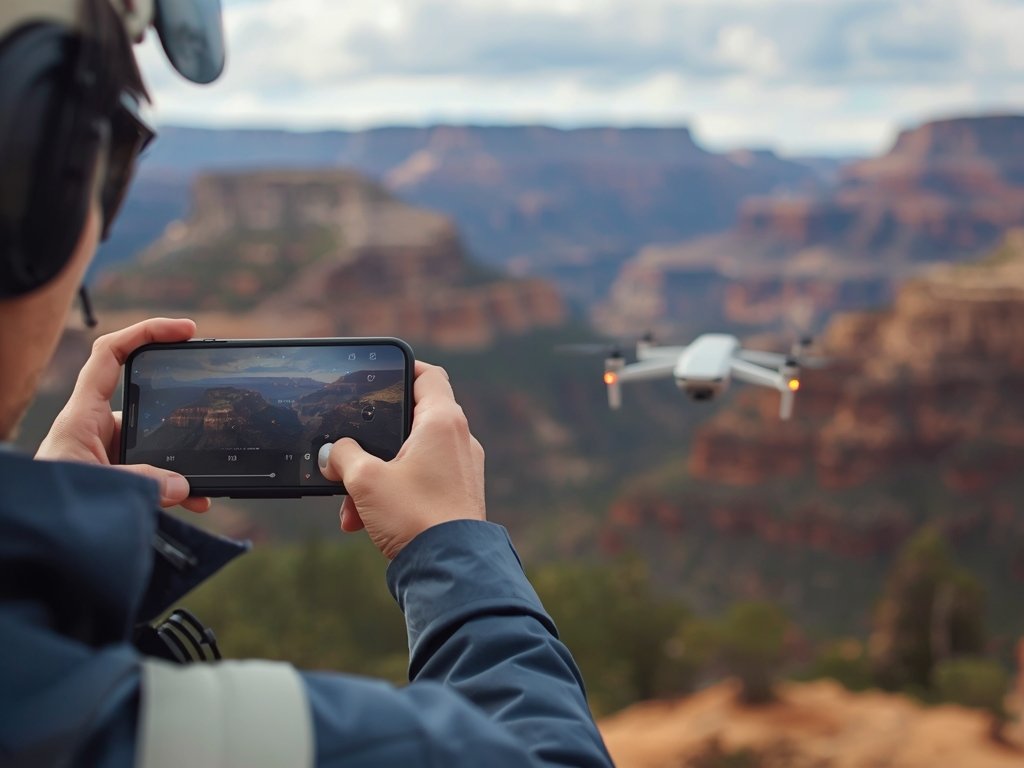
Before you take to the skies, remember: with great drone power comes great responsibility. Familiarize yourself with FAA regulations, obtain necessary permits, and always prioritize safety and privacy.
- FAA Registration: All drones weighing over 0.55 lbs must be registered with the FAA.
- Part 107 Certification: Commercial drone pilots must obtain a Remote Pilot Certificate.
- Airspace Restrictions: Be aware of no-fly zones, airports, and other restricted areas.
- Privacy Concerns: Respect people’s privacy and avoid flying over private property without permission.
FAQ: Answering Your Burning Drone Questions
What’s the best drone for real estate photography?
For capturing stunning aerial shots of properties, the DJI Mavic 3 or Autel Evo II Pro offer excellent image quality, stability, and ease of use.
Can I use my drone for commercial purposes without a license?
No. If you’re using your drone for any commercial activity, including real estate photography, you must obtain a Part 107 Remote Pilot Certificate from the FAA.
What’s the maximum altitude I can fly my drone?
The FAA restricts drone flights to 400 feet above ground level, unless you have special authorization.
How do I choose the right drone for my budget?
Professional drones range widely in price. Consider your specific needs, desired features, and budget when making your decision.
Where can I learn more about drone photography techniques?
Online courses, workshops, and photography communities are great resources for learning advanced drone photography techniques and best practices.
Join Our Pilot Community
Connect with fellow drone enthusiasts, share your aerial shots, and get access to free PDF ebook guides.