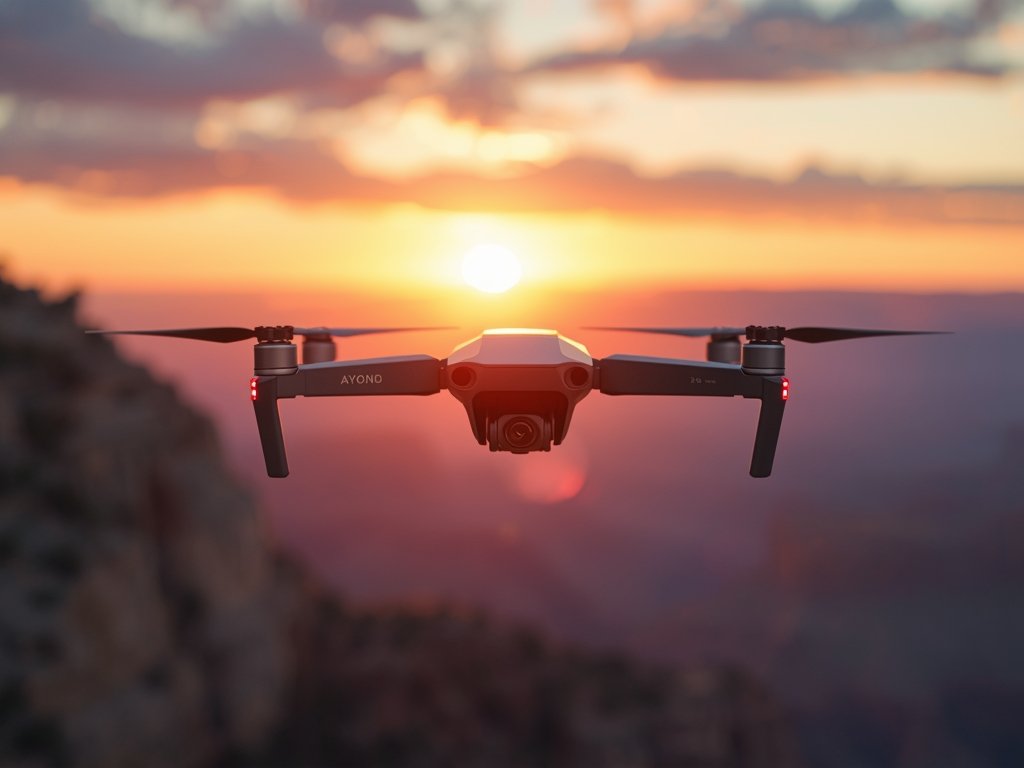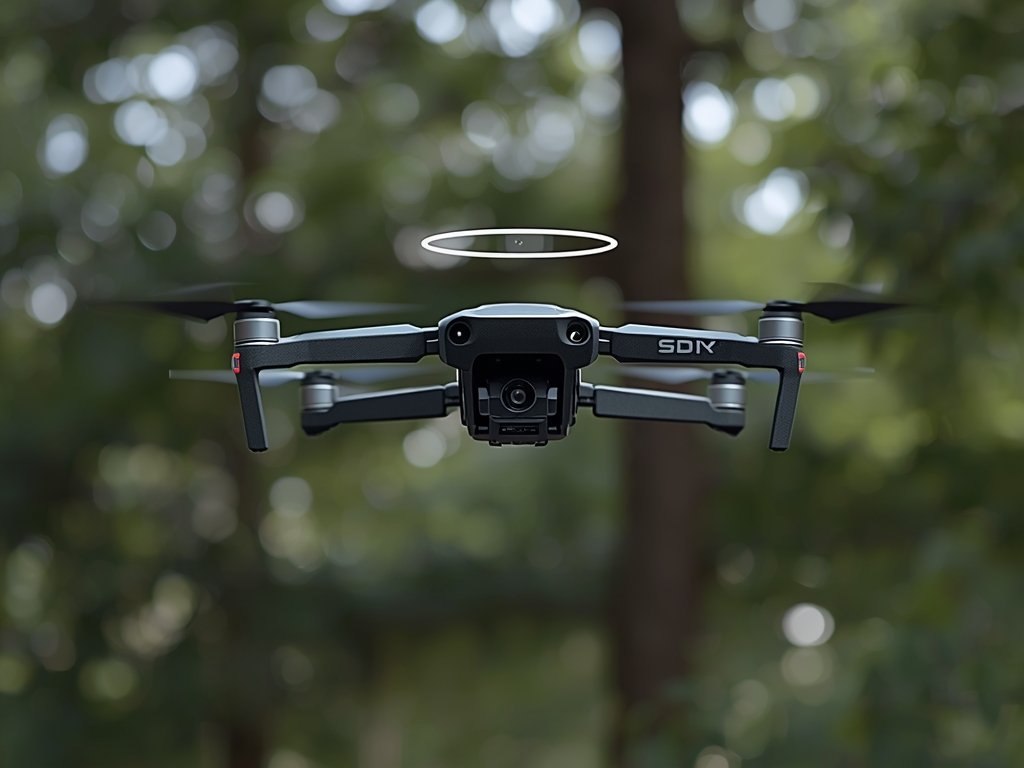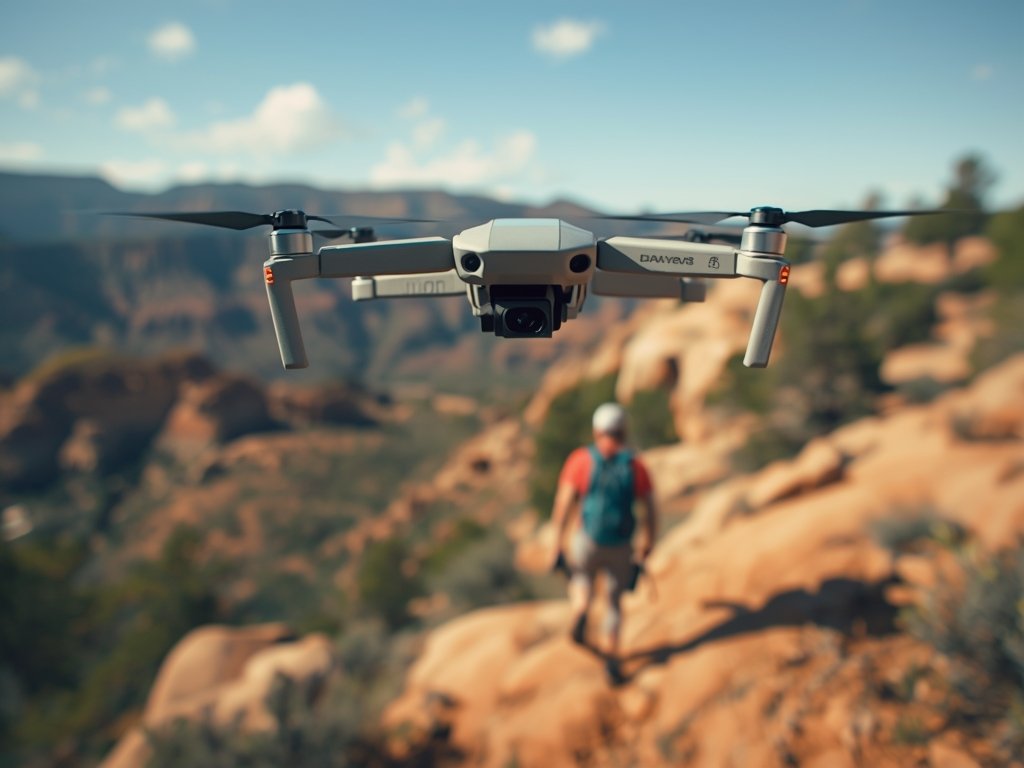

Drone Home: GPS Return-to-Home Features That Save the Day
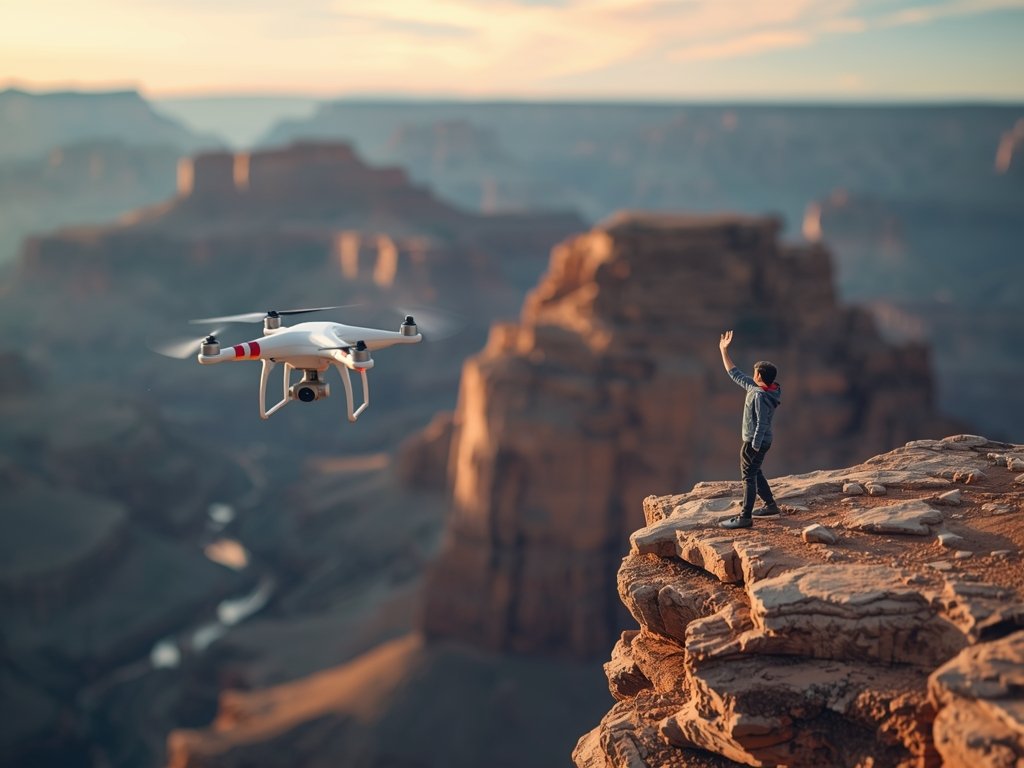
Imagine you’re capturing breathtaking footage of the Grand Canyon, your drone hovering precariously close to the edge. Suddenly, your controller’s battery dies, or a gust of wind sends your drone off course. Panic sets in—until you remember your drone has a GPS Return-to-Home feature. With a tap, your drone safely returns to your location, crisis averted. This isn’t just a cool gadget feature; it’s a game-changer for drone pilots across the U.S.
Why GPS Return-to-Home is a Must-Have for U.S. Drone Enthusiasts
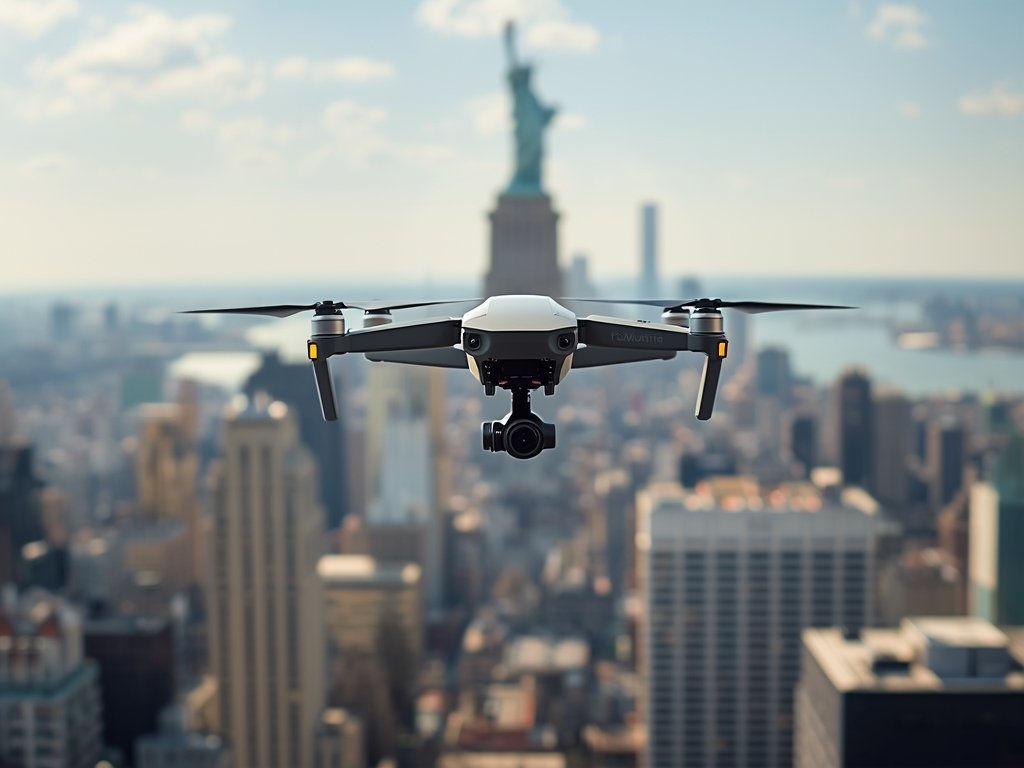
From the dense urban jungles of New York City to the vast open spaces of Montana, U.S. drone pilots face unique challenges. GPS Return-to-Home isn’t just a convenience—it’s a safety net. Whether you’re navigating crowded city skies or dealing with unpredictable weather in the Midwest, this feature ensures your drone finds its way back to you, no matter what.
Safety First: Protecting Your Investment
Drones are expensive, and losing one can be devastating. GPS Return-to-Home minimizes the risk of crashes or flyaways, especially in areas with strict no-fly zones like national parks or military bases. It’s like having a reliable co-pilot that always knows the way back.
Peace of Mind for Beginners and Pros Alike
Whether you’re a newbie piloting your first drone over your backyard in Texas or a pro capturing aerial shots of the Golden Gate Bridge, this feature levels the playing field. It lets you focus on creativity without constantly worrying about losing your drone.
Top Picks: Best Drones with GPS Return-to-Home in 2026
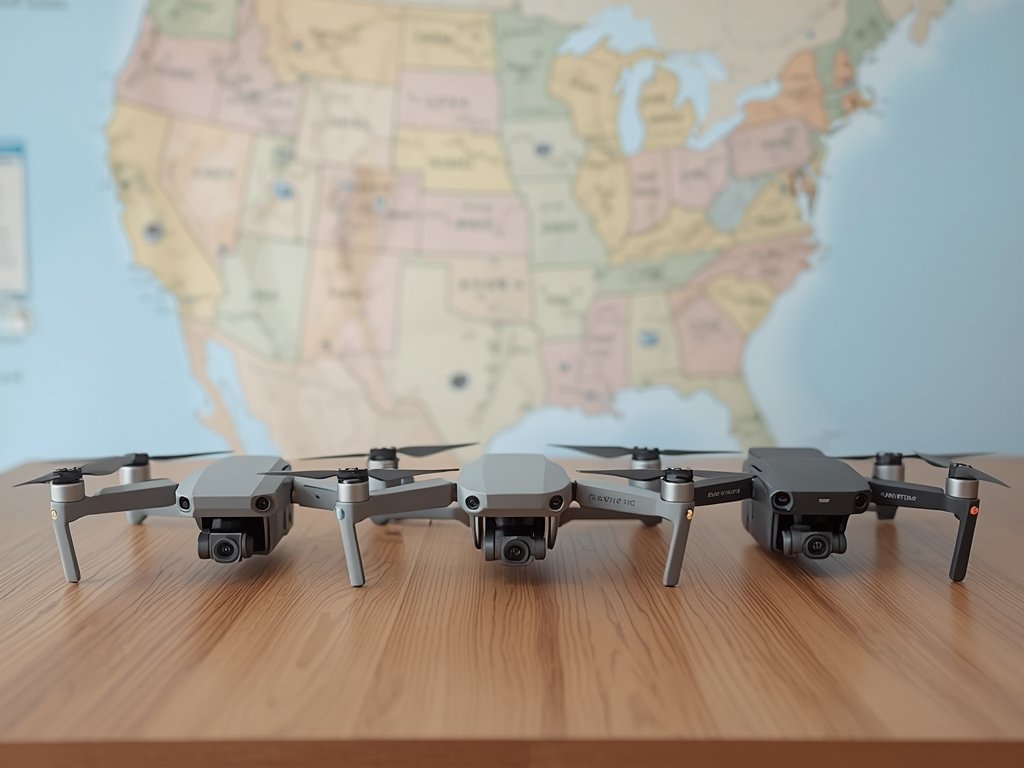
Not all drones are created equal, especially when it comes to GPS Return-to-Home. Here are our top picks for drones that excel in this feature, tailored for U.S. users:
1. DJI Mavic Air 2: The All-Around Champion
DJI is synonymous with drone innovation, and the Mavic Air 2 is no exception. Its Advanced Pilot Assistance Systems (APAS) work seamlessly with GPS Return-to-Home, ensuring a smooth return even in complex environments. Perfect for capturing the fall foliage in New England or the vibrant streets of Miami.
2. Autel EVO Lite+: The Budget-Friendly Contender
If you’re looking for a more affordable option without compromising on features, the Autel EVO Lite+ is a solid choice. Its GPS accuracy and obstacle avoidance make it ideal for flying over the sprawling landscapes of the Southwest or the dense forests of the Pacific Northwest.
3. Holy Stone HS720: Best for Beginners
For those just starting out, the Holy Stone HS720 offers a user-friendly interface and reliable GPS Return-to-Home. It’s perfect for practicing in your local park or capturing family gatherings in your backyard. Plus, its price point makes it accessible for hobbyists across the U.S.
How GPS Return-to-Home Works: The Tech Behind the Magic
GPS Return-to-Home might seem like magic, but it’s all about precision technology. Here’s a breakdown of how it works:
Satellite Connection: The Backbone of GPS
Your drone connects to multiple satellites to pinpoint its location. This is crucial for accurate navigation, whether you’re flying over the flat plains of Kansas or the hilly terrain of West Virginia.
Waypoint Navigation: Mapping the Route Home
Some advanced drones allow you to set waypoints, creating a custom flight path. This is particularly useful for complex missions, like surveying large construction sites or filming a marathon in Chicago.
Fail-Safes: When Things Go Wrong
If your drone loses connection or its battery runs low, GPS Return-to-Home kicks in automatically. It’s like having a built-in emergency plan, ensuring your drone doesn’t end up lost in the wilderness of Yellowstone or the urban maze of Los Angeles.
Real-Life Scenarios: When GPS Return-to-Home Saves the Day
Let’s look at some real-life situations where this feature has been a lifesaver for U.S. drone pilots:
The Windy Day in Colorado
John, a drone enthusiast from Denver, was flying his drone near the Rocky Mountains when a sudden gust of wind sent it off course. Thanks to GPS Return-to-Home, his drone safely returned to his location, avoiding a potential crash in the rugged terrain.
The Battery Scare in Florida
Sarah, a photographer from Miami, was capturing aerial shots of a beach wedding when her drone’s battery warning flashed. With just one tap, her drone returned to her, ensuring she didn’t miss a single moment of the ceremony.
FAQ: Your Questions Answered
What is GPS Return-to-Home?
GPS Return-to-Home is a drone feature that uses GPS technology to automatically navigate the drone back to its takeoff point or a predetermined location.
Does GPS Return-to-Home work everywhere in the U.S.?
Yes, as long as there’s a clear GPS signal. However, it may be less effective in areas with tall buildings, dense forests, or other obstacles that block satellite signals.
Can I use GPS Return-to-Home in no-fly zones?
No, GPS Return-to-Home won’t override no-fly zone restrictions. Always check local regulations before flying your drone.
How accurate is GPS Return-to-Home?
Most modern drones with this feature are highly accurate, usually within a few feet of the takeoff point. However, accuracy can be affected by weather conditions and GPS signal strength.
Is GPS Return-to-Home worth the extra cost?
Absolutely. The peace of mind and safety it provides make it a worthwhile investment, especially for U.S. pilots navigating diverse and challenging environments.
Join Our Pilot Community
Connect with fellow drone enthusiasts, share your aerial shots, and get access to free PDF ebook guides.