
Soaring Above the Wild: Capturing Nature’s Majesty with Drones
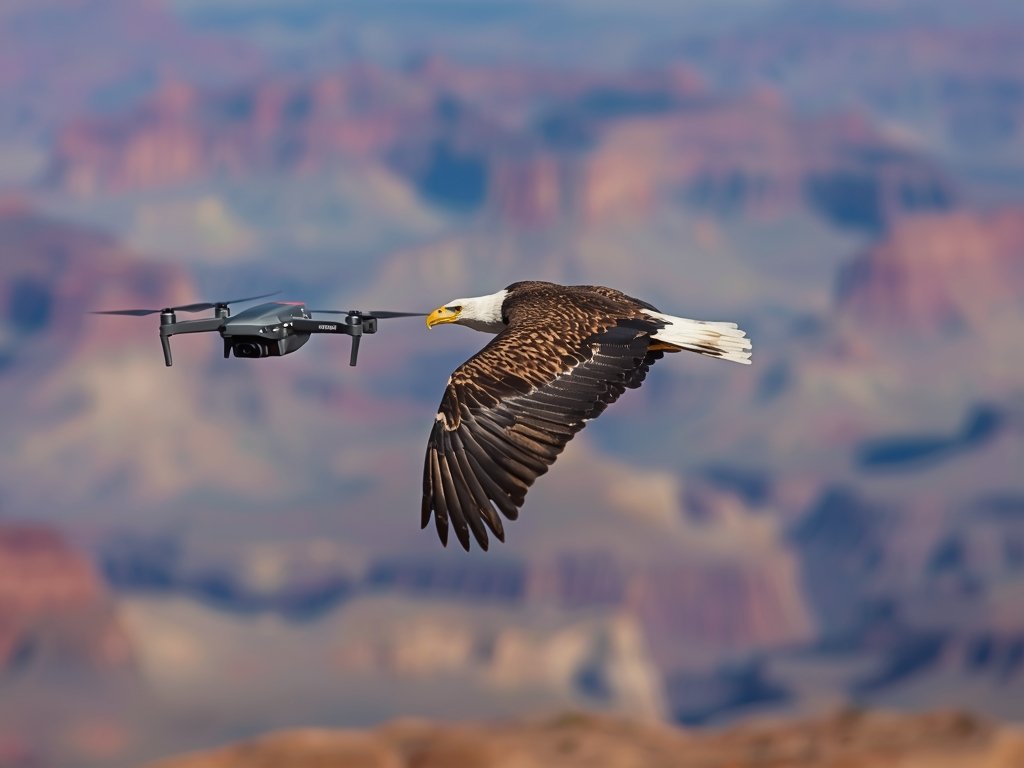
Wildlife photography is an art that demands patience, precision, and a deep connection with nature. With the advent of drone technology, photographers can now capture breathtaking shots from perspectives once deemed impossible. Whether you’re a seasoned pro or an enthusiastic beginner, finding the best drone for wildlife photography can elevate your craft to new heights. Let’s dive into the world of drones and discover the perfect companion for your next adventure.
Why Drones Are a Game-Changer for Wildlife Photography
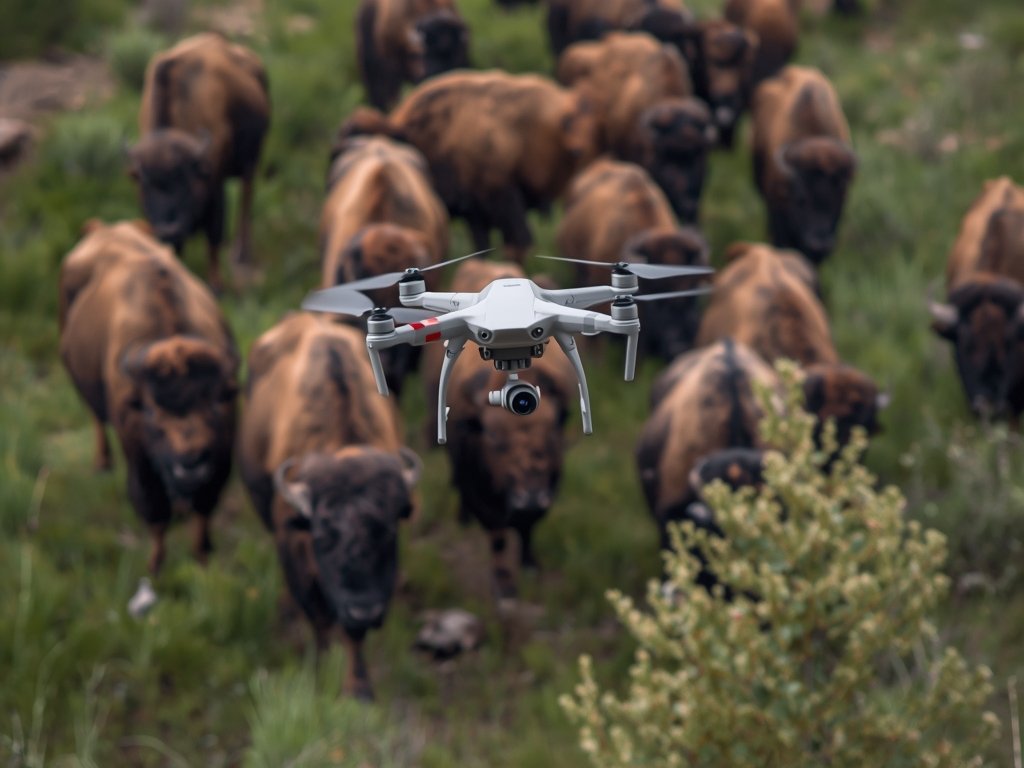
Drones have revolutionized wildlife photography by offering unparalleled access to remote and hard-to-reach locations. From the rugged mountains of the Rockies to the serene wetlands of the Everglades, drones allow photographers to capture intimate moments without disturbing the animals. Their ability to fly silently and hover at great heights ensures minimal impact on wildlife, making them an ethical choice for nature enthusiasts.
Unmatched Perspectives
Imagine capturing a herd of elk grazing in the misty valleys of Montana or a pod of orcas breaching off the coast of Alaska. Drones provide unique angles that ground-based photography simply can’t match. With the ability to fly high or low, you can frame shots that tell a story from a bird’s-eye view or an intimate ground-level perspective.
Ethical Wildlife Observation
Wildlife photography is as much about respect as it is about artistry. Drones allow you to maintain a safe distance from animals, ensuring their behavior remains natural and undisturbed. This ethical approach not only protects wildlife but also results in more authentic and compelling images.
Key Features to Look for in a Wildlife Photography Drone
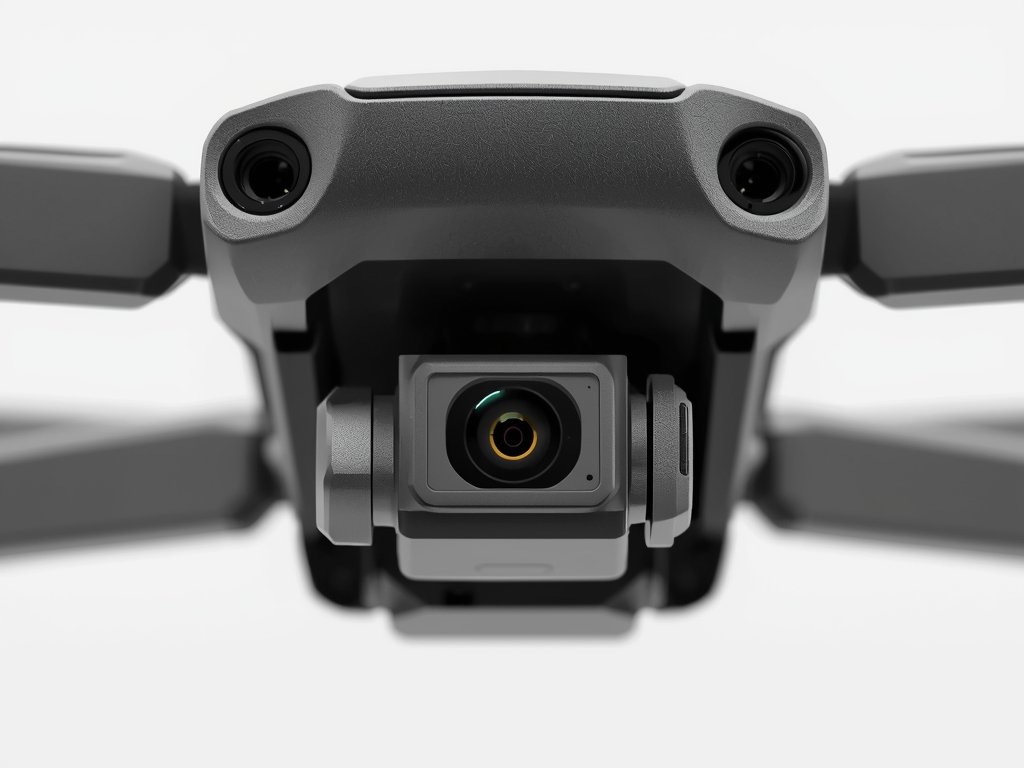
Not all drones are created equal, especially when it comes to wildlife photography. Here are the essential features to consider before making your purchase:
Camera Quality
The heart of any photography drone is its camera. Look for a drone with a high-resolution sensor, excellent low-light performance, and optical zoom capabilities. A 4K camera with a minimum of 12 megapixels is ideal for capturing sharp, detailed images of wildlife in their natural habitats.
Flight Time and Range
Wildlife photography often requires patience and long hours in the field. A drone with a flight time of at least 25-30 minutes ensures you have ample time to capture the perfect shot. Additionally, a range of 4-7 kilometers allows you to explore vast areas without losing connection.
Portability and Durability
Whether you’re hiking through the forests of the Pacific Northwest or trekking in the deserts of Arizona, your drone needs to be lightweight and durable. Foldable designs are particularly convenient for travel, while weather-resistant materials ensure your drone can withstand the elements.
Advanced Flight Modes
Features like follow mode, orbit mode, and waypoint navigation can significantly enhance your photography experience. These modes allow you to focus on composition while the drone handles the flight path, ensuring smooth and professional-looking shots.
Top Drones for Wildlife Photography in 2026
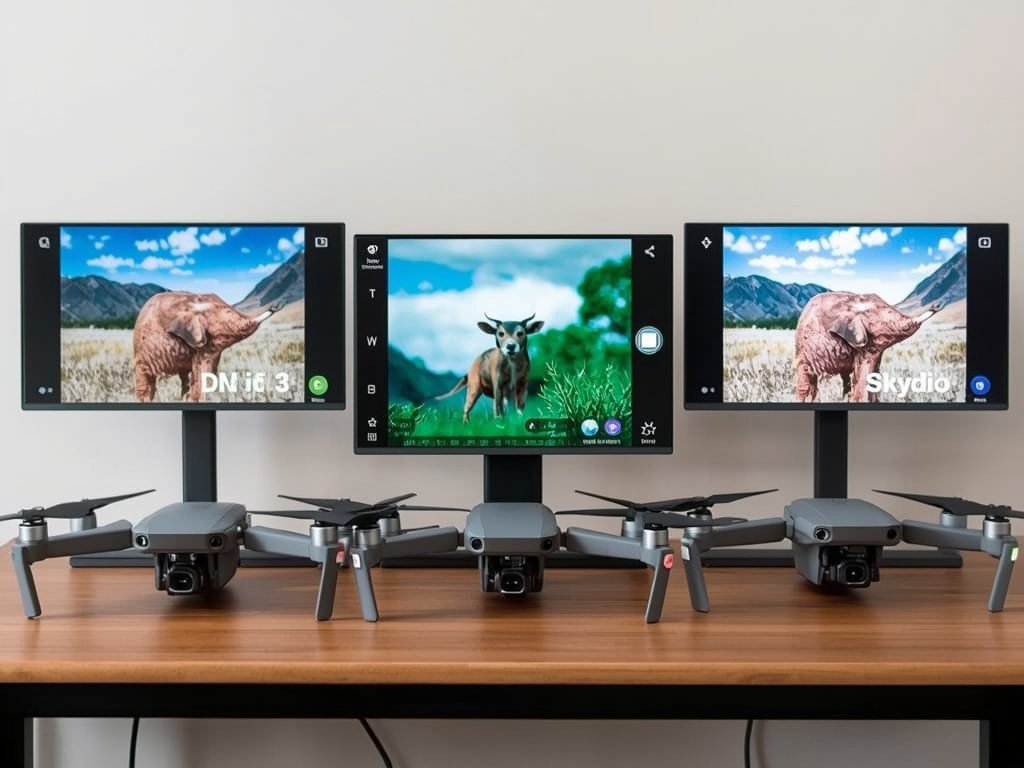
With so many options available, choosing the right drone can be overwhelming. Here are our top picks for wildlife photography, each excelling in different areas:
DJI Mavic 3: The All-Rounder
The DJI Mavic 3 is a favorite among wildlife photographers for its exceptional camera quality and long flight time. Equipped with a 4/3 CMOS sensor and a 28x hybrid zoom, it delivers stunning clarity and detail. Its omnidirectional obstacle sensing ensures safe flights, even in dense forests or rocky terrains.
Autel EVO II: The Zoom Master
If zoom is your priority, the Autel EVO II is the drone for you. With a 6K camera and an impressive 16x optical zoom, it allows you to capture close-ups of wildlife from a safe distance. Its 40-minute flight time and 9-kilometer range make it perfect for extended photography sessions.
Skydio 2: The Autonomous Wonder
The Skydio 2 stands out for its advanced autonomous features. Its AI-powered obstacle avoidance system ensures smooth flights, even in challenging environments. While its camera may not match the Mavic 3 or EVO II in terms of resolution, its ease of use and intelligent flight modes make it a great choice for beginners.
Tips for Capturing Stunning Wildlife Shots with Your Drone
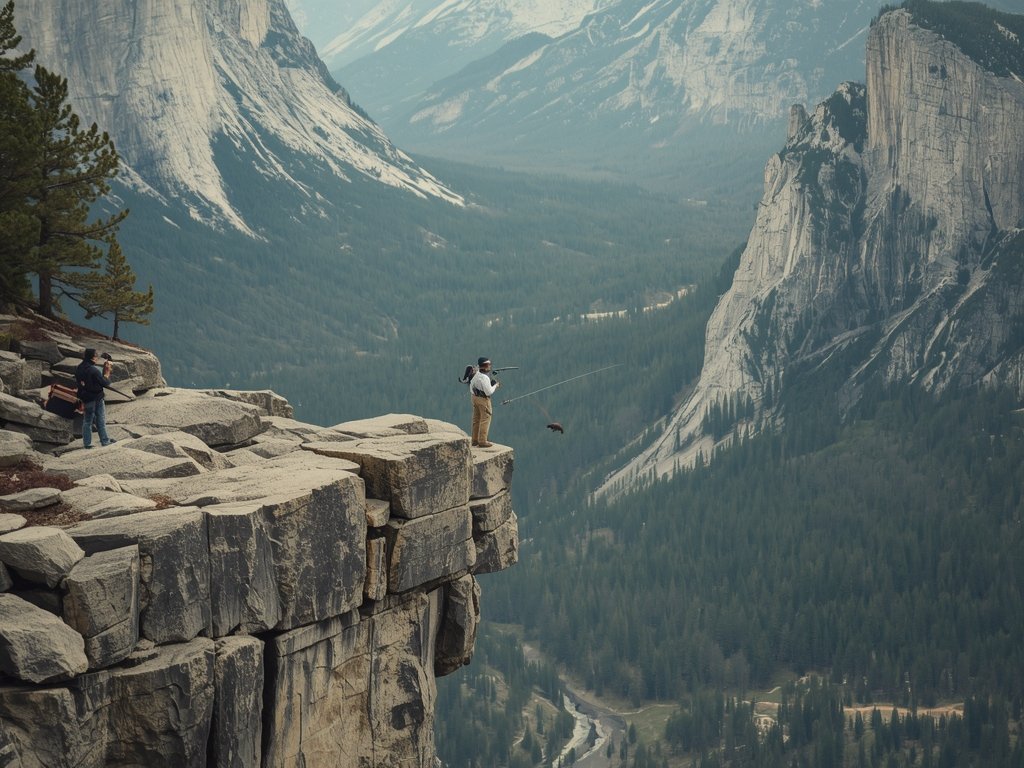
Owning a great drone is just the first step. Here are some tips to help you make the most of your wildlife photography adventures:
Respect Wildlife and Regulations
Always prioritize the well-being of the animals you’re photographing. Maintain a safe distance and avoid flying over nesting sites or sensitive habitats. Additionally, familiarize yourself with local drone regulations, especially in national parks and wildlife reserves.
Plan Your Shots
Research the behavior and habits of the wildlife you intend to photograph. Knowing when and where animals are most active can significantly increase your chances of capturing that perfect shot. Early mornings and late afternoons, known as the golden hours, often provide the best lighting conditions.
Experiment with Angles
Don’t be afraid to experiment with different angles and compositions. Fly low for a unique ground-level perspective or soar high for a dramatic bird’s-eye view. Each angle tells a different story, so let your creativity guide you.
Practice Patience
Wildlife photography is as much about patience as it is about skill. Be prepared to spend hours waiting for the right moment. Remember, the best shots often come to those who wait.
FAQ
What is the best drone for beginners in wildlife photography?
The Skydio 2 is an excellent choice for beginners due to its autonomous features and ease of use. Its advanced obstacle avoidance system ensures safe flights, even in challenging environments.
Can I use any drone for wildlife photography?
While any drone with a decent camera can be used, specialized drones with features like long flight times, high-resolution cameras, and advanced flight modes are ideal for wildlife photography.
How do I ensure my drone photography is ethical?
Always maintain a safe distance from wildlife and avoid disturbing their natural behavior. Familiarize yourself with local regulations and respect no-fly zones, especially in protected areas.
What is the best time of day for wildlife drone photography?
Early mornings and late afternoons, known as the golden hours, offer the best lighting conditions for photography. Animals are also more active during these times, increasing your chances of capturing great shots.
How do I choose the right drone for my budget?
Determine your priorities, such as camera quality, flight time, and portability, and look for a drone that offers the best balance of features within your budget. Mid-range options like the DJI Mavic Air 2 offer excellent value for money.
Join Our Pilot Community
Connect with fellow drone enthusiasts, share your aerial shots, and get access to free PDF ebook guides.