
Why Power Line Inspections Need a Bird’s-Eye View
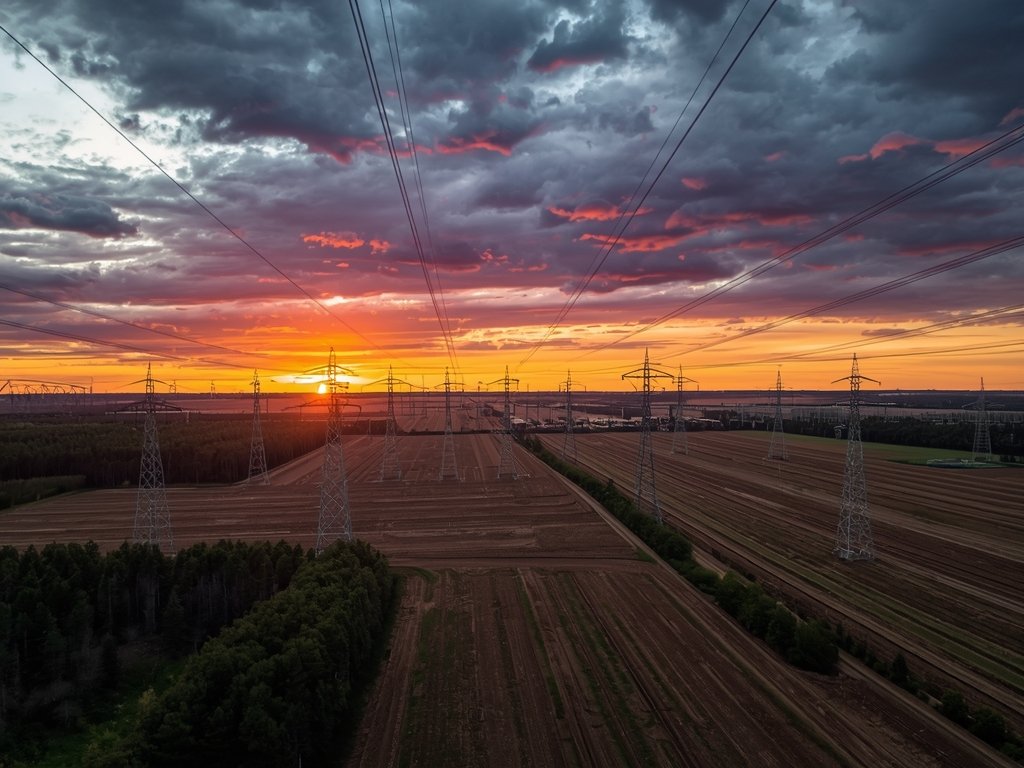
Power lines are the unsung heroes of American infrastructure, keeping our homes lit and devices charged. But inspecting these towering structures is no small feat. Traditional methods often involve helicopters, bucket trucks, or climbing gear—risky, costly, and time-consuming.
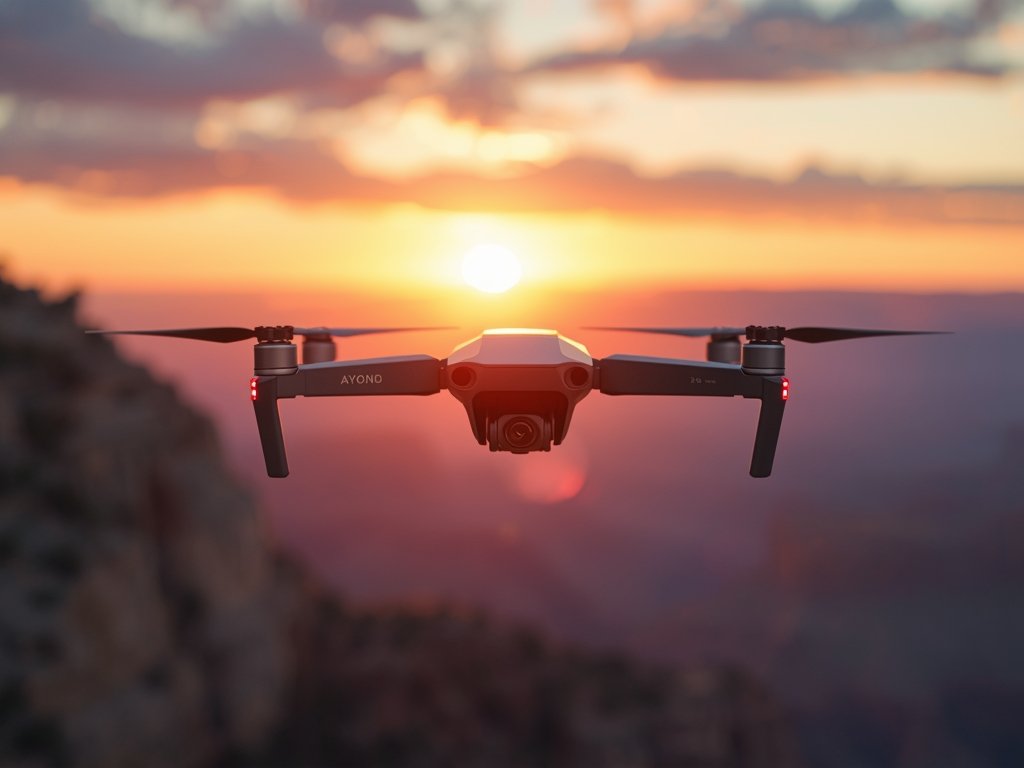
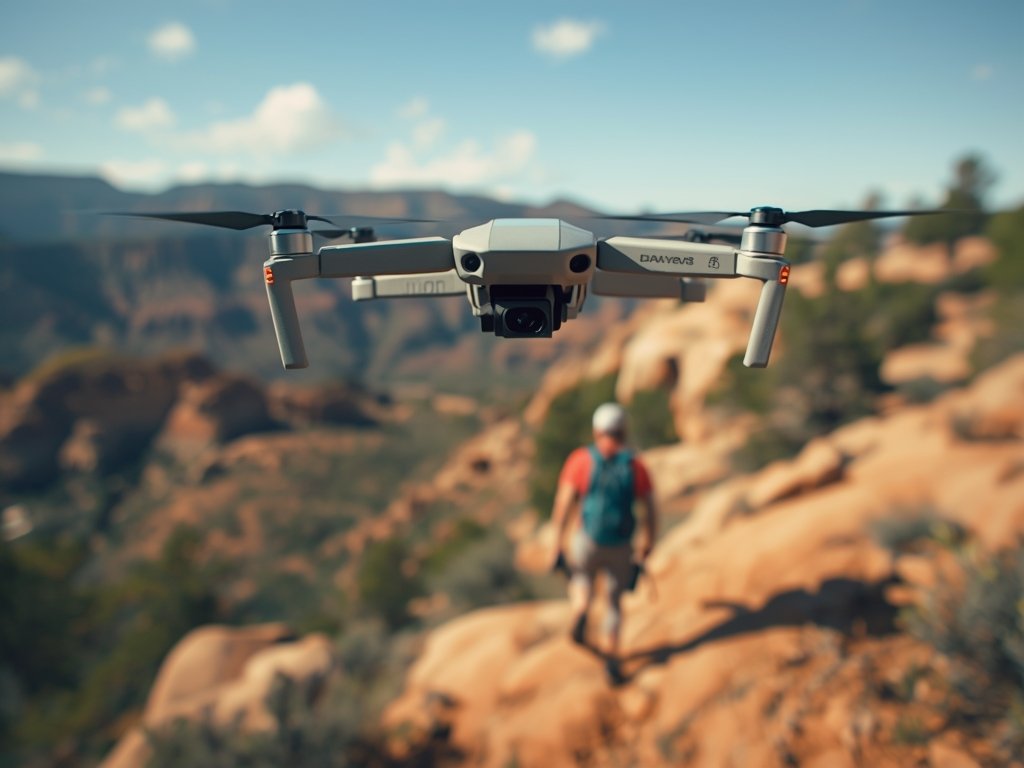
Enter drones: the game-changer for utility companies. With their ability to access hard-to-reach areas and capture high-resolution data, drones are revolutionizing power line inspections. But not all drones are created equal. In this guide, we’ll help you find the best drone for power line inspection tailored to U.S. needs.
What Makes a Drone Ideal for Power Line Inspections?
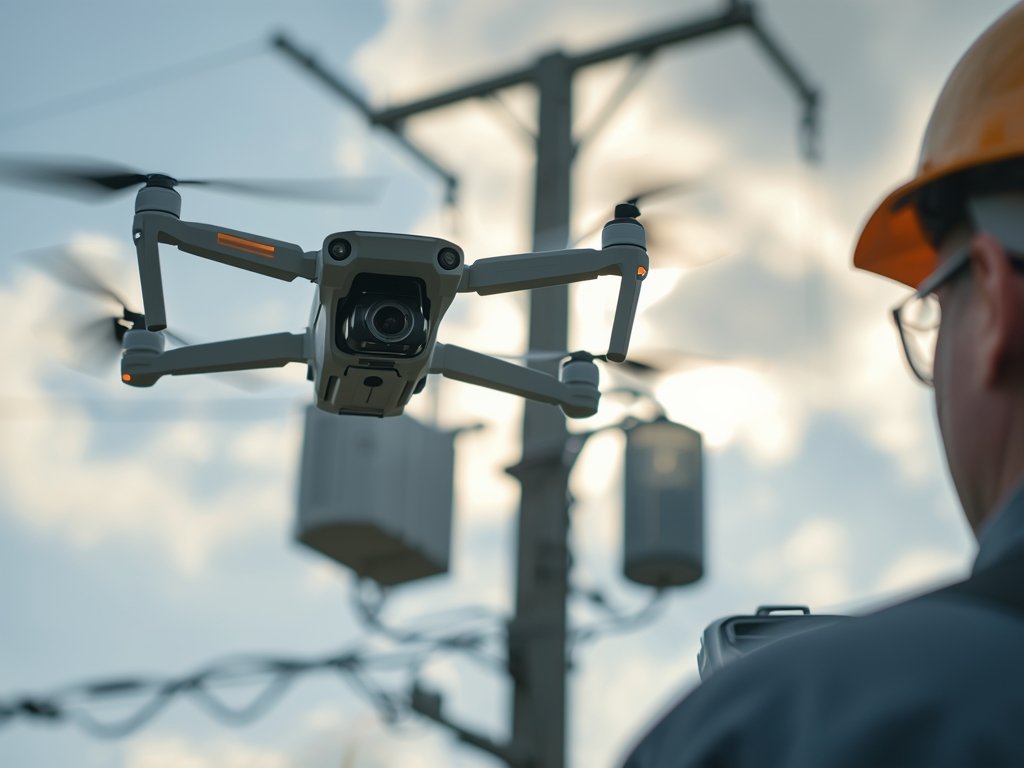
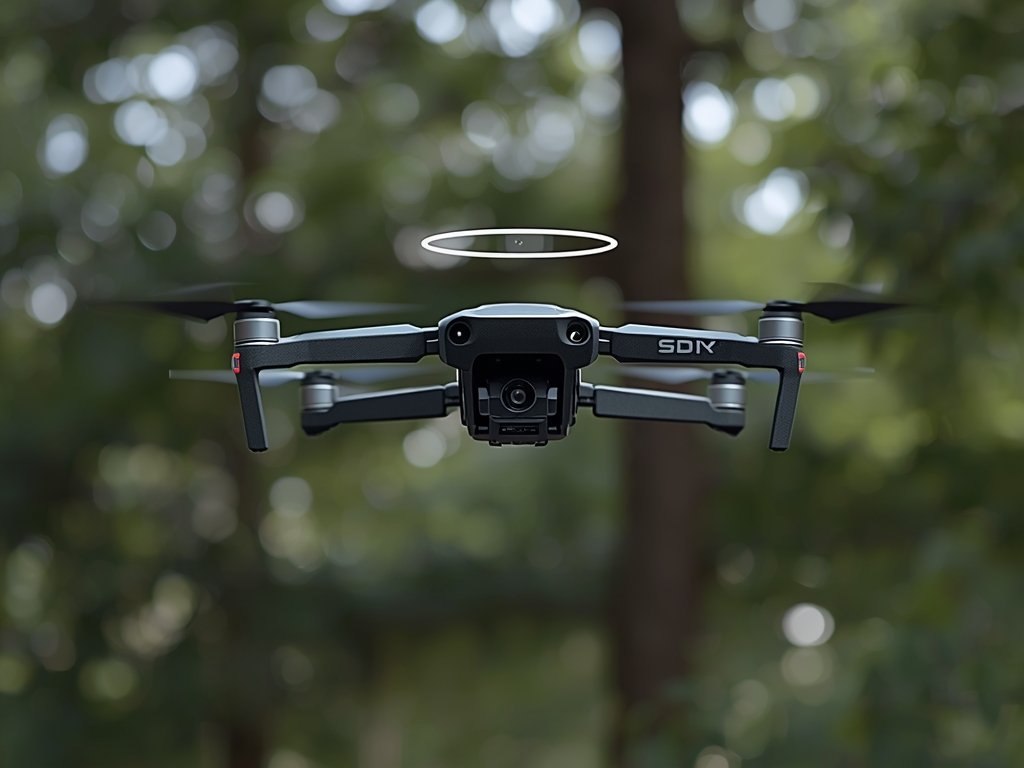
Inspecting power lines requires a drone that’s more than just a flying camera. It needs to be rugged, reliable, and packed with features that make the job safer and more efficient. Here’s what to look for:
- Flight Time: Long battery life to cover extensive grids without frequent landings.
- Durability: Weather-resistant build to handle the unpredictable U.S. climate, from Texas heat to Midwest storms.
- Camera Quality: High-resolution thermal and visual cameras to detect faults like loose connections or overheating.
- Obstacle Avoidance: Advanced sensors to navigate around towers and lines safely.
- Compliance: FAA-approved for commercial use, ensuring legal operation across states.
Top 5 Drones for Power Line Inspections in the U.S.
After testing and reviewing dozens of models, here are our top picks for utility companies across the U.S.:
1. DJI Matrice 300 RTK: The Industry Standard
The DJI Matrice 300 RTK is the go-to drone for many U.S. utility companies. Its 55-minute flight time and IP45 rating make it perfect for long inspections in harsh conditions. Pair it with the Zenmuse H20T camera for thermal imaging that spots issues invisible to the naked eye.
2. SenseFly eBee X: Mapping Master
If your focus is on mapping large power grids, the SenseFly eBee X excels. Its fixed-wing design covers up to 500 acres in a single flight, ideal for rural areas like the Midwest or Southwest. Its RTK capabilities ensure precise data collection.
3. Yuneec H520: Budget-Friendly Reliability
For smaller utilities or those on a budget, the Yuneec H520 offers a balance of performance and affordability. Its E90 camera captures 4K video, and its modular design allows for easy upgrades as your needs grow.
4. Freefly Astro: Compact and Agile
The Freefly Astro is a lightweight drone designed for tight spaces. Its compact size and agile maneuverability make it perfect for inspecting substations or urban power lines in cities like New York or Chicago.
5. Parrot Anafi USA: Secure and Versatile
Built for security-conscious organizations, the Parrot Anafi USA is assembled in the U.S. and complies with strict data privacy standards. Its 48MP camera and 32x zoom make it a versatile choice for detailed inspections.
How to Choose the Right Drone for Your Utility Company
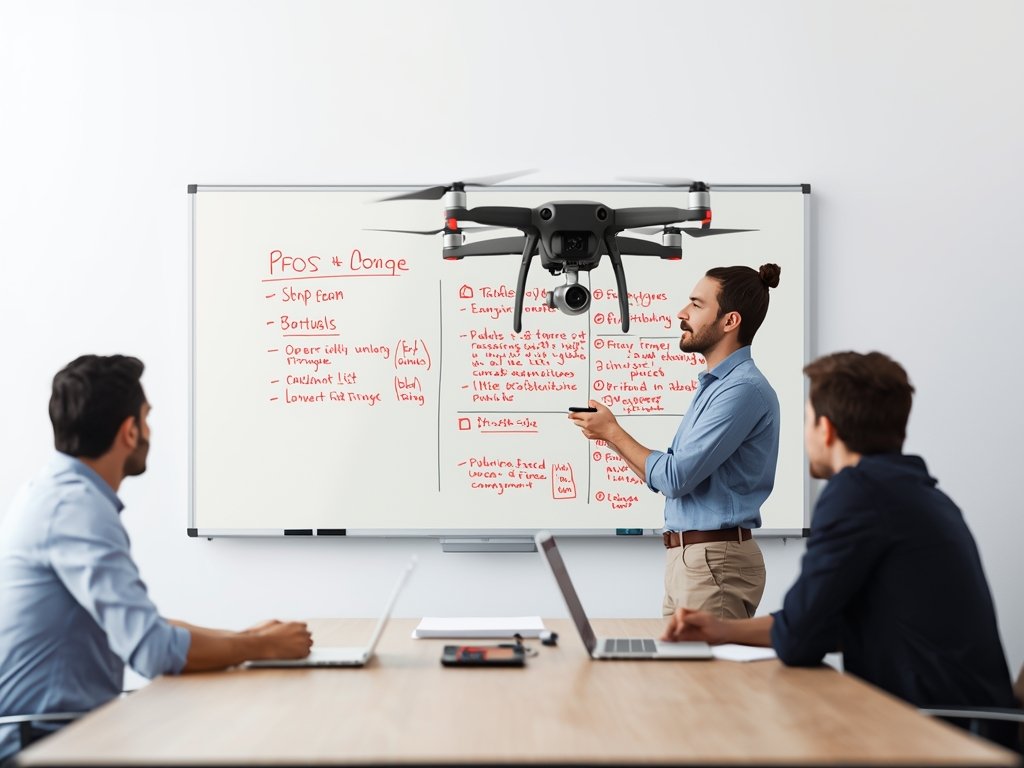
Selecting the best drone for power line inspection depends on your specific needs. Here’s how to narrow down your options:
- Assess Your Grid: Rural areas may need long-range drones, while urban settings require agility.
- Budget Wisely: Factor in not just the drone cost but also training, maintenance, and software expenses.
- Train Your Team: Ensure operators are Part 107 certified and familiar with local regulations.
- Future-Proof: Choose a drone with upgradable features to adapt to evolving inspection needs.
Real-World Success Stories: Drones in Action
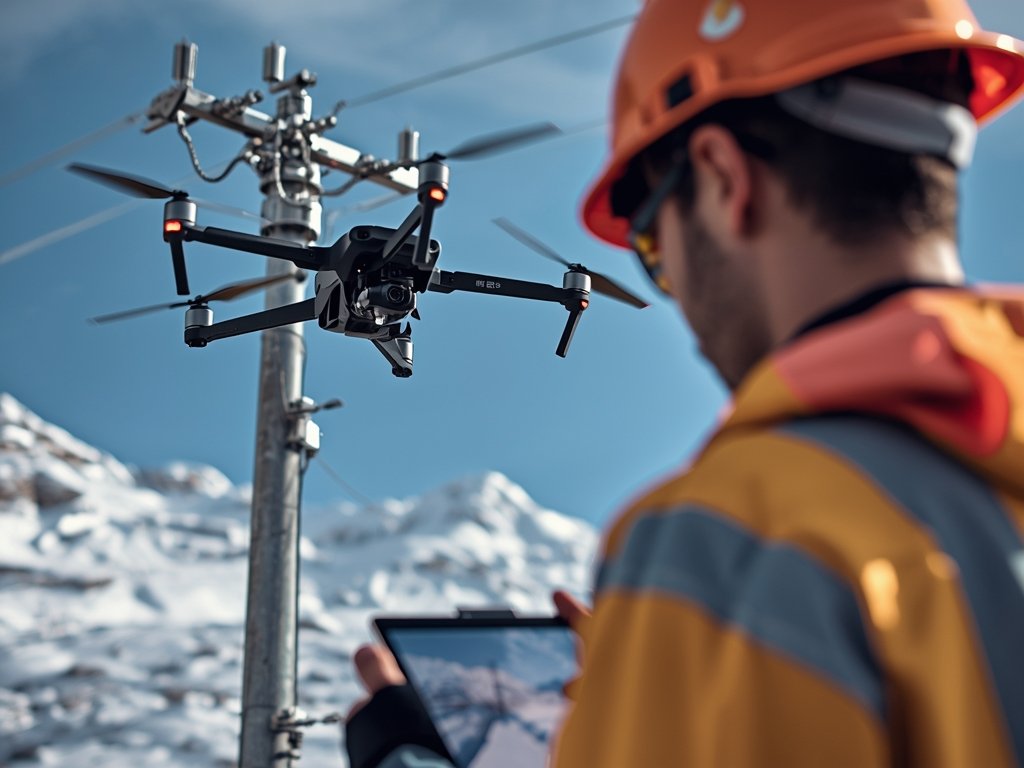
Across the U.S., drones are already making a difference. In California, PG&E uses drones to inspect lines in fire-prone areas, reducing the risk to human crews. In Texas, Oncor deploys drones after storms to quickly assess damage and restore power.
These success stories highlight how the right drone can save time, money, and lives. By adopting this technology, utility companies can ensure a safer, more reliable power supply for American homes and businesses.
FAQ
What is the best drone for power line inspection?
The DJI Matrice 300 RTK is widely considered the best due to its durability, long flight time, and advanced camera options.
Do I need FAA approval to use drones for power line inspections?
Yes, commercial drone operations, including power line inspections, require FAA Part 107 certification.
Can drones inspect power lines in bad weather?
While drones like the Matrice 300 RTK are weather-resistant, extreme conditions like heavy rain or high winds can still pose risks.
How much does a drone for power line inspection cost?
Prices range from $2,000 for budget models like the Yuneec H520 to $10,000+ for high-end drones like the DJI Matrice 300 RTK.
What camera features are essential for power line inspections?
High-resolution visual cameras and thermal imaging capabilities are crucial for detecting faults and potential issues.
Join Our Pilot Community
Connect with fellow drone enthusiasts, share your aerial shots, and get access to free PDF ebook guides.