
Taking Flight: Unlocking the Skies with Beginner-Friendly Drones
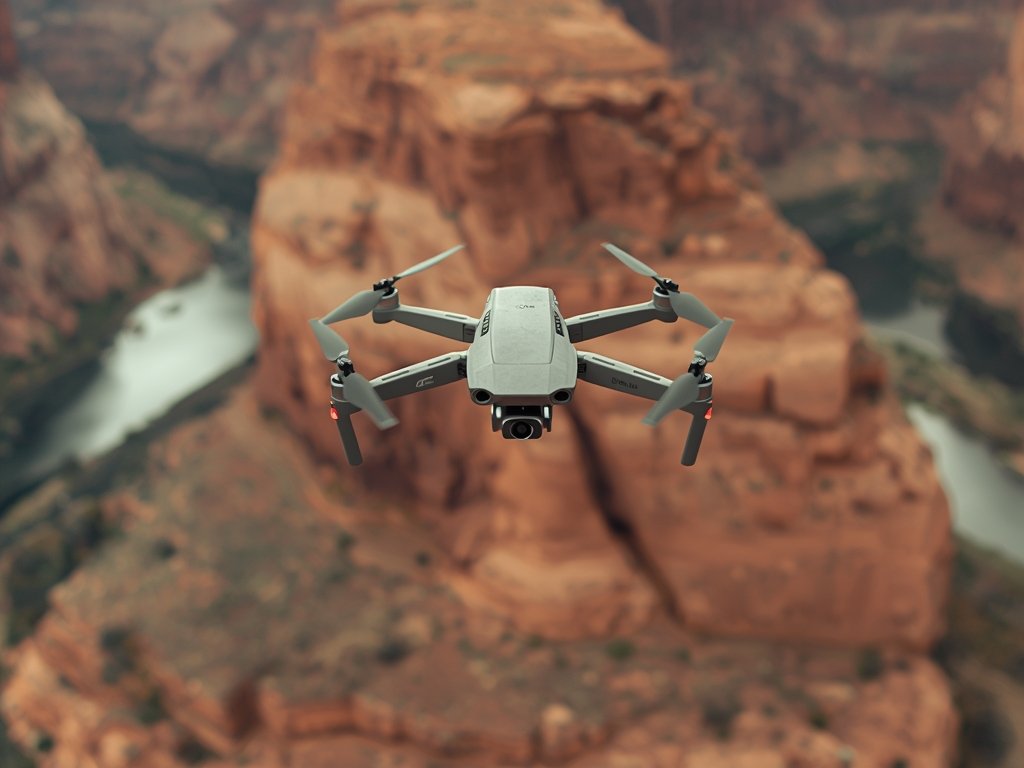
Embarking on the thrilling journey of drone piloting is an exciting prospect for many adults in the United States. With the right beginner-friendly drone, you can capture breathtaking aerial footage, explore new perspectives, and unleash your creativity. In this comprehensive guide, we’ll navigate the world of drones, uncovering the perfect match for your aerial adventures.
Why Choose a Beginner-Friendly Drone?
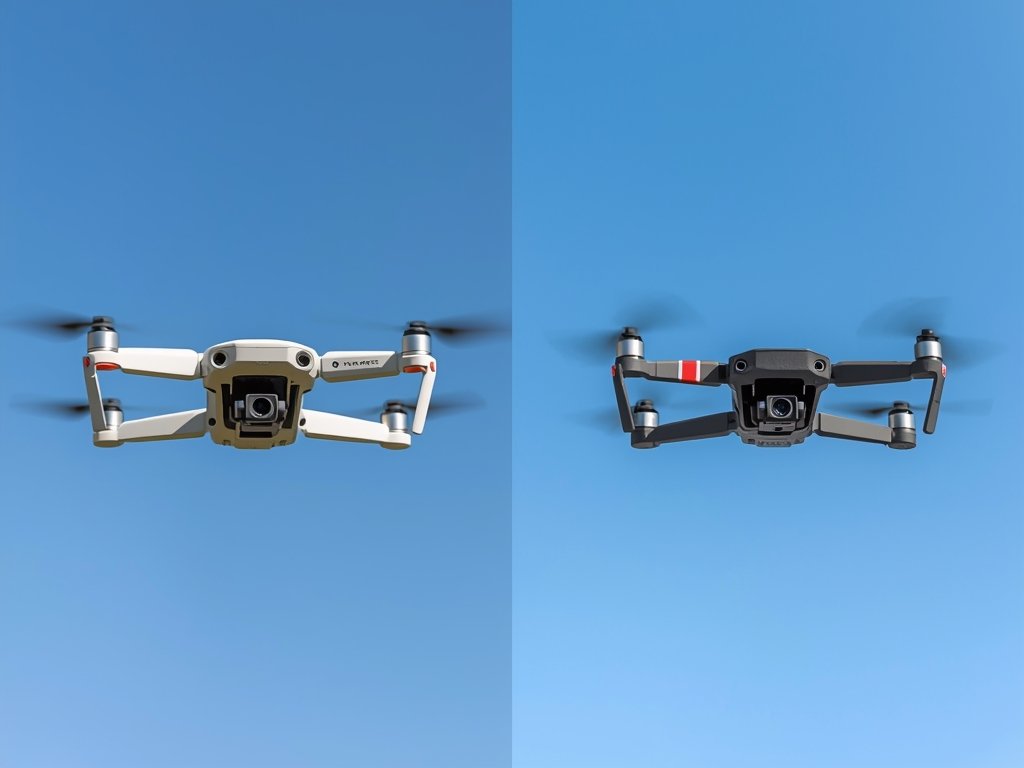
As a novice drone pilot, it’s crucial to start with a user-friendly model that prioritizes simplicity and safety. Beginner-friendly drones are designed with intuitive controls, robust safety features, and durable construction, ensuring a smooth and enjoyable learning experience. These drones often come equipped with advanced stabilization systems, making them more forgiving of pilot errors and allowing you to focus on mastering the basics.
Key Benefits of Beginner-Friendly Drones
- Ease of Use: Simplified controls and user-friendly interfaces make it easy to get started.
- Safety Features: Built-in safeguards, such as obstacle avoidance and return-to-home functions, minimize the risk of accidents.
- Durability: Robust construction ensures your drone can withstand minor crashes and bumps during the learning process.
Top Features to Look for in a Beginner Drone
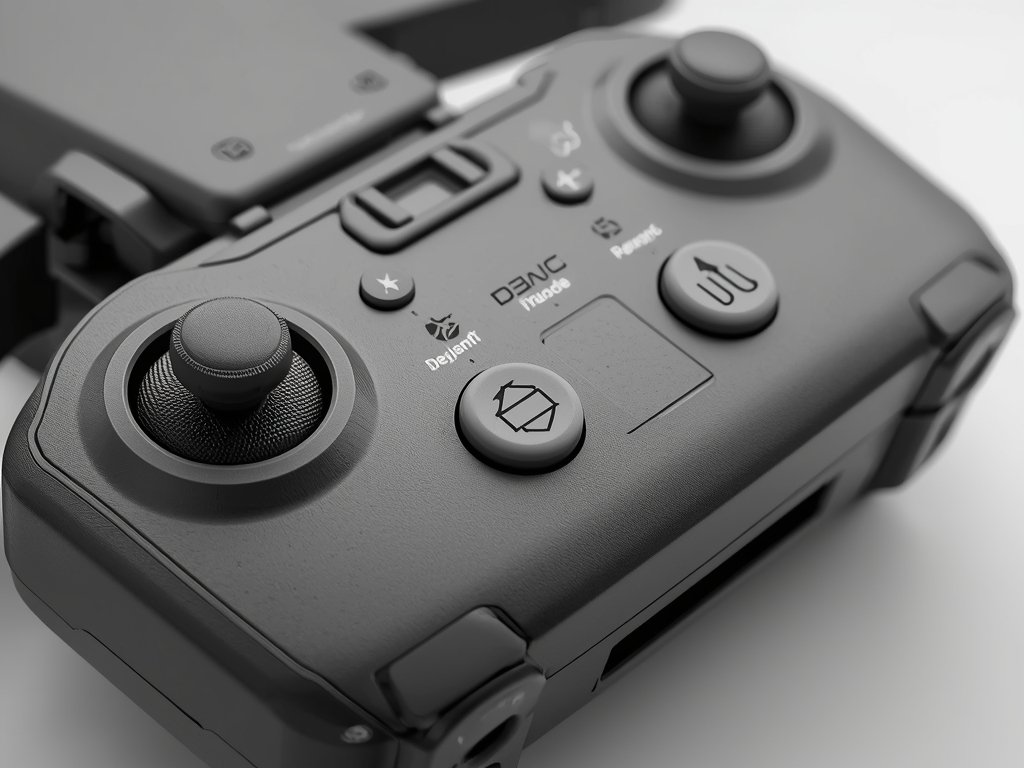
When selecting your first drone, consider the following essential features that cater to beginners:
1. Camera Quality
While not a necessity, a decent camera can enhance your drone experience. Look for models with at least 720p resolution and electronic image stabilization for smooth footage. Some drones even offer 4K cameras, allowing you to capture stunning aerial visuals.
2. Flight Time and Battery Life
Longer flight times mean more opportunities to practice and explore. Aim for drones with at least 15-20 minutes of flight time per battery charge. Additionally, consider models with easily replaceable batteries for extended flying sessions.
3. Range and Connectivity
A reliable connection between your controller and drone is vital. Choose drones with a range of at least 1,000 feet and robust connectivity, such as Wi-Fi or radio frequency, to ensure a stable and responsive flying experience.
Best Beginner Drones: Our Top Picks
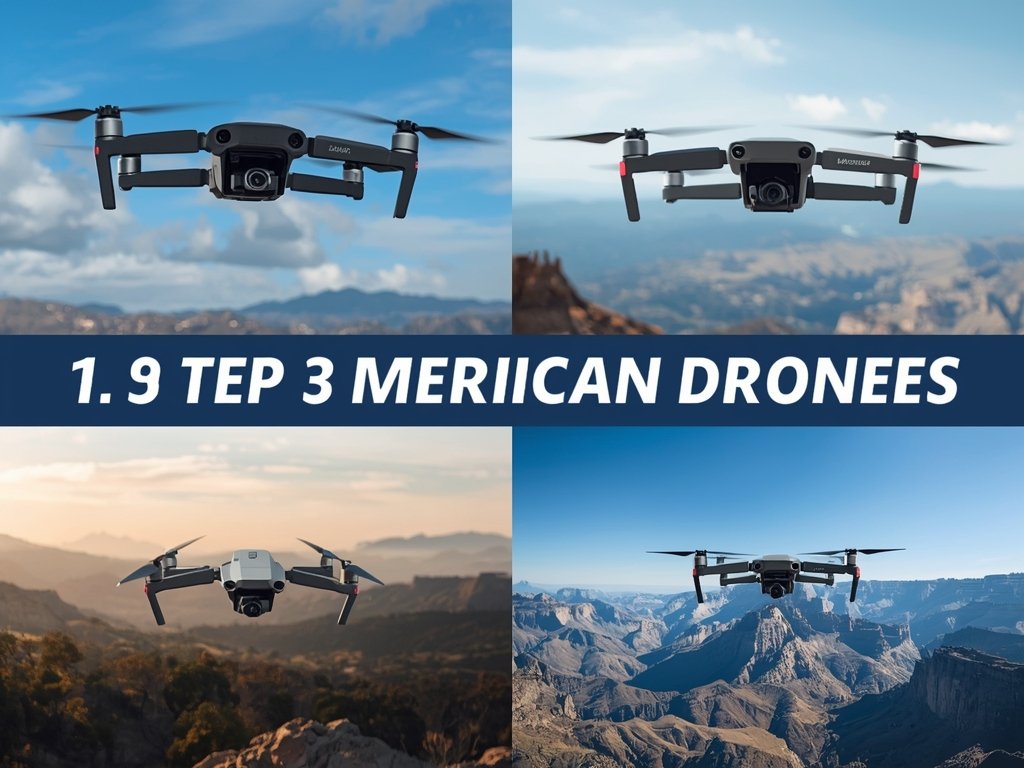
After extensive research and testing, we’ve narrowed down the top beginner-friendly drones that excel in performance, ease of use, and value for money. Here are our top recommendations:
1. DJI Mini 2: Compact and Capable
The DJI Mini 2 is an excellent choice for beginners seeking a lightweight, portable drone without compromising on features. Weighing in at just 249 grams, this drone is easy to maneuver and offers a impressive 31-minute flight time. Its 4K camera captures stunning footage, while the intuitive DJI Fly app provides a seamless flying experience.
2. Ryze Tello: Affordable and Fun
The Ryze Tello is a budget-friendly option perfect for those new to drone piloting. This compact drone offers a 13-minute flight time and a 720p camera, making it an excellent choice for learning the basics. The Tello’s Scratch programming interface also allows users to explore the world of coding, adding an educational aspect to the flying experience.
3. Holy Stone HS120D: Feature-Rich and Durable
The Holy Stone HS120D is a feature-packed drone that offers exceptional value for its price. With a 2K camera, 18-minute flight time, and intuitive controls, this drone is an excellent choice for beginners. Its durable construction and built-in safety features, such as altitude hold and headless mode, make it a reliable option for those still mastering their piloting skills.
Mastering the Basics: Tips for New Drone Pilots
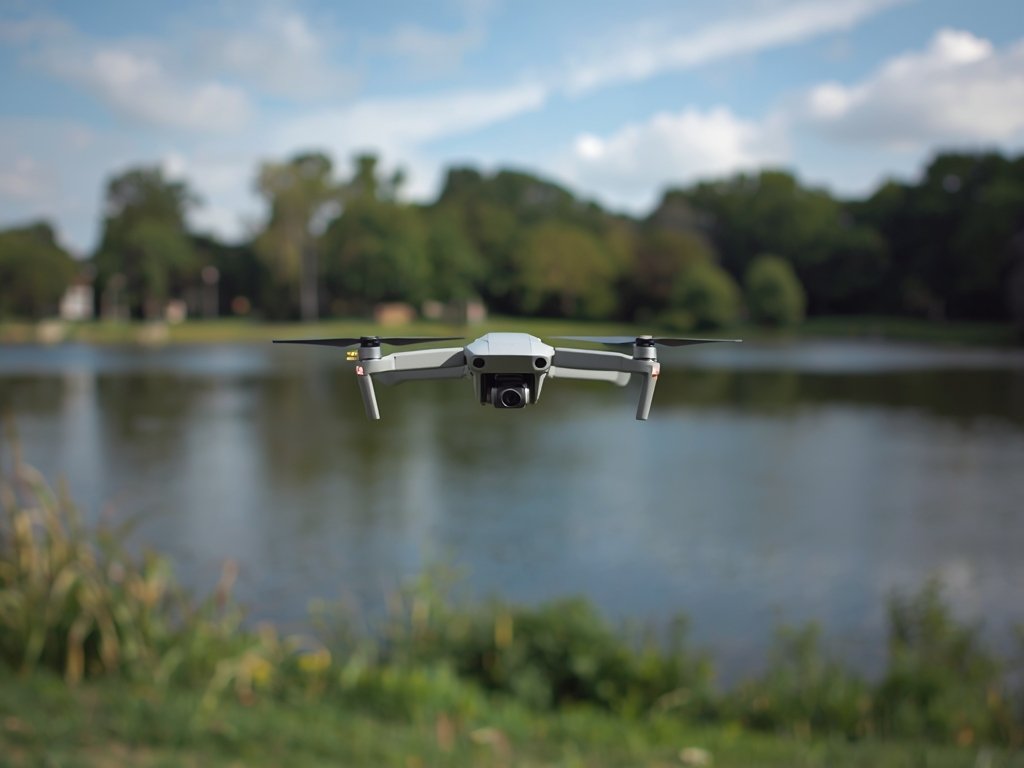
As you embark on your drone piloting journey, keep these essential tips in mind to ensure a safe and enjoyable experience:
1. Start in an Open Area
Choose a spacious, obstacle-free location for your initial flights. Parks, fields, or empty parking lots are ideal spots to practice without the risk of collisions.
2. Learn the Controls Gradually
Take the time to familiarize yourself with the drone’s controls and features. Start with basic maneuvers, such as hovering and gentle turns, before attempting more complex flights.
3. Respect Local Regulations
Familiarize yourself with local drone laws and regulations, such as those set by the Federal Aviation Administration (FAA). Always fly responsibly and avoid restricted areas, such as airports and national parks.
Accessorizing Your Drone: Must-Have Add-ons
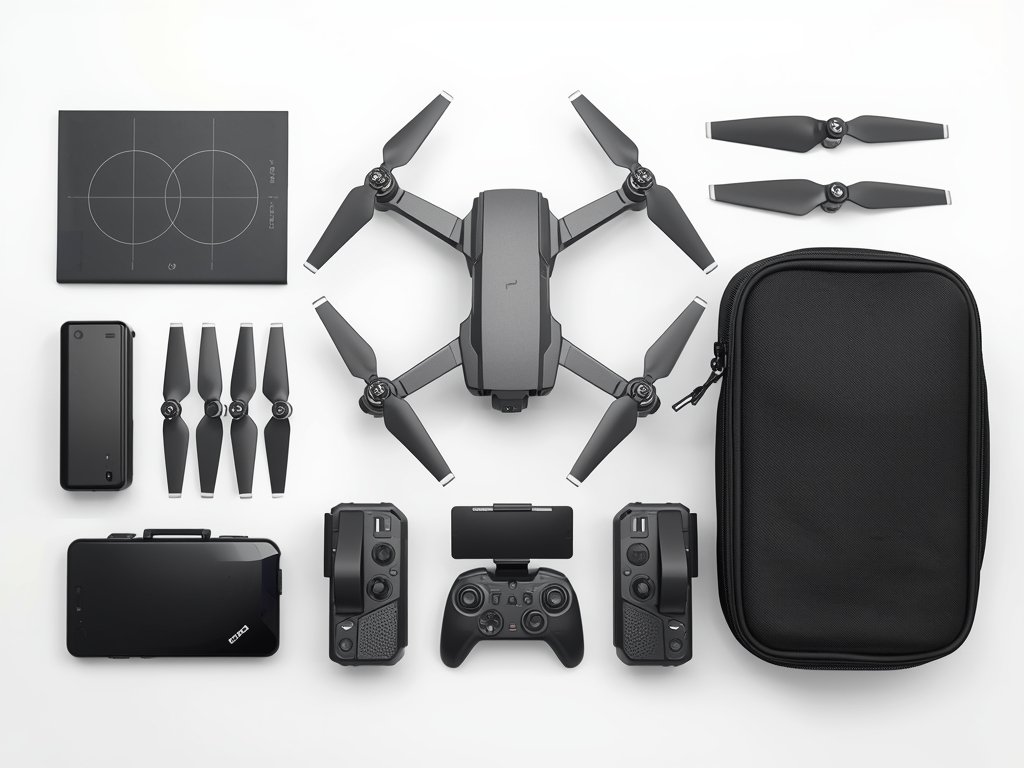
To enhance your drone experience and ensure a smooth flying journey, consider investing in these must-have accessories:
- Extra Batteries: Extend your flying sessions with additional batteries, allowing for more practice and exploration.
- Carrying Case: Protect your drone during transport and storage with a durable, custom-fit carrying case.
- Propeller Guards: Safeguard your drone’s propellers from damage during crashes or collisions, especially during the learning phase.
FAQ
What is the best beginner drone for under $300?
The Ryze Tello and Holy Stone HS120D are excellent options for those seeking a budget-friendly beginner drone. Both models offer a great balance of features, performance, and affordability, making them ideal choices for newcomers to the hobby.
Do I need a license to fly a drone in the United States?
If you’re flying a drone for recreational purposes and it weighs between 0.55 lbs (250 grams) and 55 lbs (25 kg), you must pass the Recreational UAS Safety Test (TRUST) and carry proof of test passage with you during flights. For commercial use, you’ll need to obtain a Remote Pilot Certificate from the FAA.
Can I fly my drone anywhere in the United States?
While drones can be flown in many areas, there are restrictions and no-fly zones to be aware of. Always check local regulations and avoid flying near airports, national parks, and other restricted areas. The FAA’s B4UFLY app is a helpful tool for identifying safe flying locations.
How do I maintain and care for my drone?
Regular maintenance is crucial to ensuring your drone’s longevity and performance. Clean your drone after each flight, inspect propellers for damage, and store it in a dry, safe place. Additionally, keep your firmware up to date and calibrate your drone’s sensors periodically.
What should I do if my drone crashes or malfunctions?
In the event of a crash or malfunction, remain calm and assess the situation. If possible, attempt to retrieve your drone and inspect it for damage. Refer to your drone’s user manual for troubleshooting steps, and contact the manufacturer’s support team if needed. Always prioritize safety and avoid attempting repairs beyond your expertise.
Join Our Pilot Community
Connect with fellow drone enthusiasts, share your aerial shots, and get access to free PDF ebook guides.