
Soaring Above the Competition: Choosing the Perfect Drone for Real Estate Photography
In today’s competitive real estate market, captivating visuals are essential for making your listings stand out. Drone photography has become a game-changer, offering breathtaking aerial perspectives that traditional ground-based shots simply can’t match. But with so many drones on the market, how do you choose the best one for your real estate photography needs?
Taking Flight: Why Drones are a Real Estate Photographer’s Secret Weapon
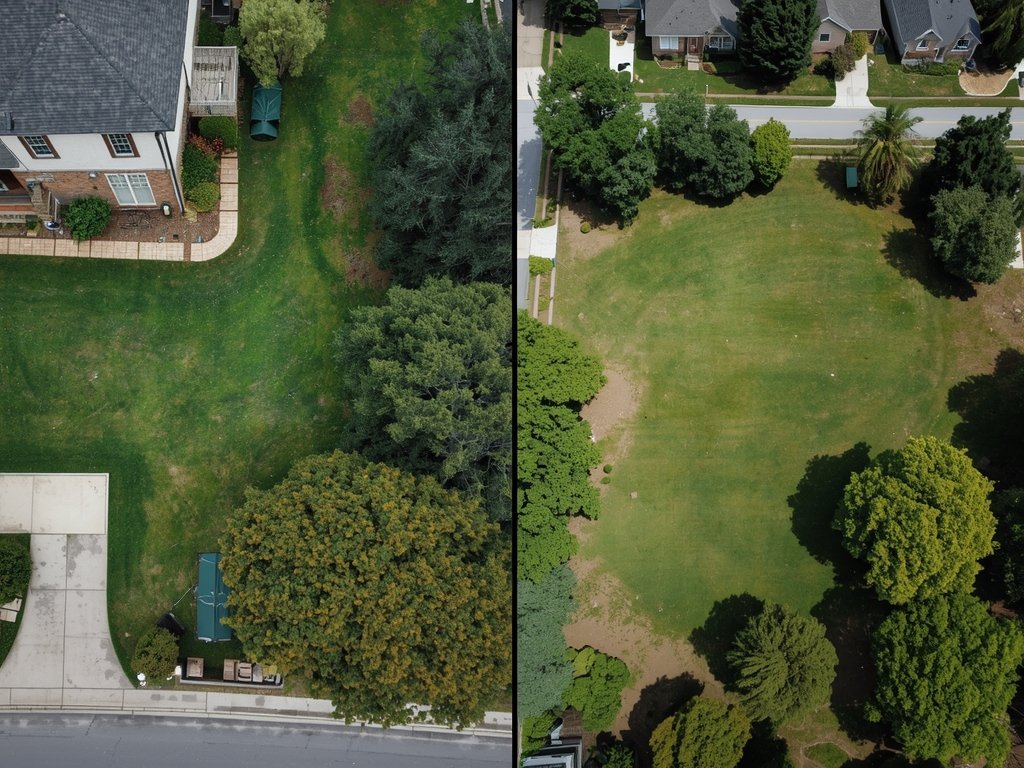
Drone photography elevates your listings from ordinary to extraordinary. It allows you to:
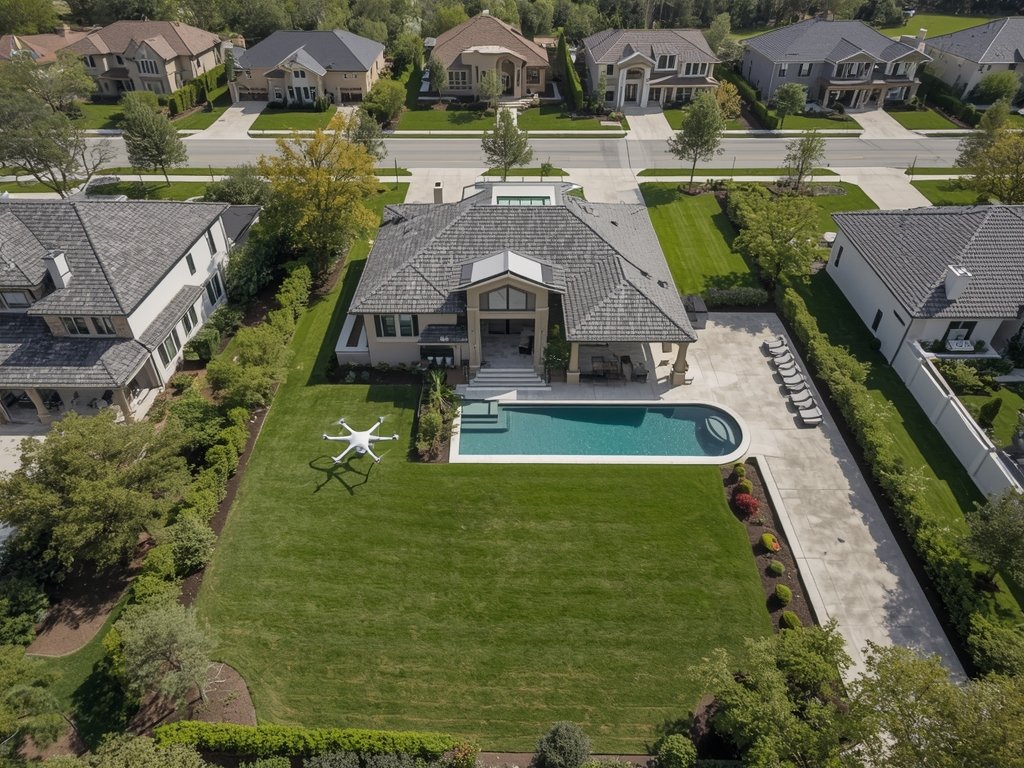
- Showcase Property Size and Layout: Capture the entire property, including outbuildings, landscaping, and surrounding areas, giving potential buyers a comprehensive understanding of the space.
- Highlight Unique Features: Emphasize features like pools, gardens, or stunning views that might be missed from ground level.
- Provide Context: Show the property’s location in relation to nearby amenities, schools, or parks, giving buyers a sense of the neighborhood.
- Create a Wow Factor: Stunning aerial shots add a touch of luxury and professionalism to your listings, leaving a lasting impression on potential buyers.
Navigating the Skies: Key Features to Consider When Choosing a Drone
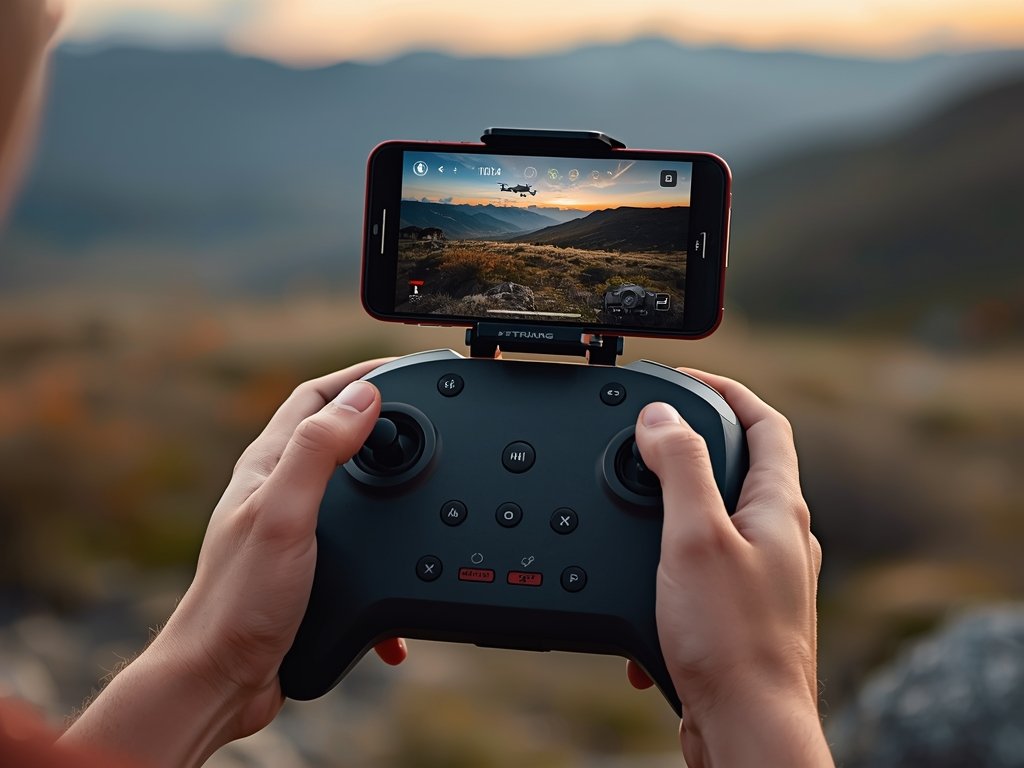
Not all drones are created equal. When selecting a drone for real estate photography, prioritize these essential features:
- Camera Quality: Opt for a drone with a high-resolution camera (at least 12 megapixels) capable of capturing sharp, detailed images and smooth 4K video. Look for features like optical zoom, image stabilization, and adjustable aperture for optimal control in various lighting conditions.
- Flight Time and Range: Choose a drone with a flight time of at least 20-30 minutes to allow for ample shooting time. Consider the range of the drone’s controller, ensuring it can cover the distances you need for your shoots.
- Portability and Ease of Use: Look for a drone that’s compact, lightweight, and easy to transport. Foldable designs are ideal for on-the-go photographers. Intuitive controls and user-friendly interfaces are crucial for efficient operation.
- Safety Features: Prioritize drones with safety features like obstacle avoidance, return-to-home functionality, and GPS positioning to minimize the risk of accidents and ensure a smooth flight experience.
Top Contenders: Best Drones for Real Estate Photography in 2026
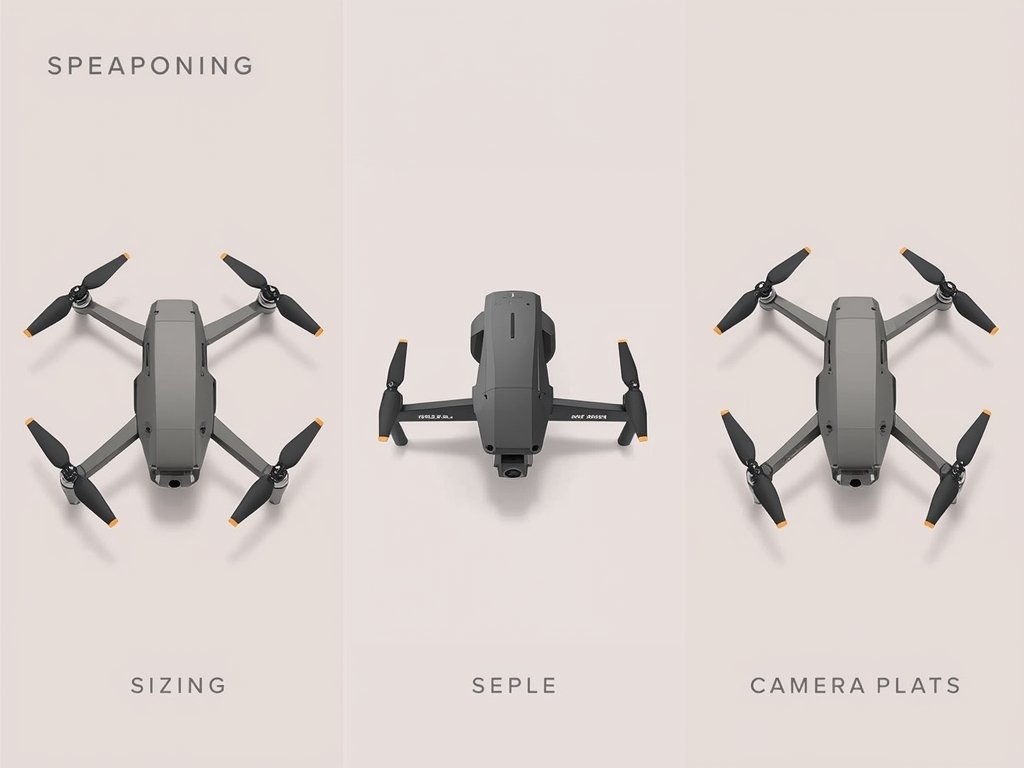
Here are some of the top drones currently dominating the real estate photography scene:
- DJI Mavic 3: This premium drone boasts a Hasselblad camera with a 4/3 CMOS sensor, delivering exceptional image quality and low-light performance. Its omnidirectional obstacle sensing and extended flight time make it a top choice for professionals.
- DJI Mini 3 Pro: Lightweight and portable, the Mini 3 Pro packs a punch with its 48MP camera and 4K video capabilities. Its compact size and ease of use make it ideal for beginners and experienced pilots alike.
- Autel Evo Lite+: Offering a 6K camera with a 1-inch sensor, the Evo Lite+ delivers stunning image quality and impressive low-light performance. Its long flight time and advanced safety features make it a strong contender.
Legal Eagle: Navigating Drone Regulations in the USA
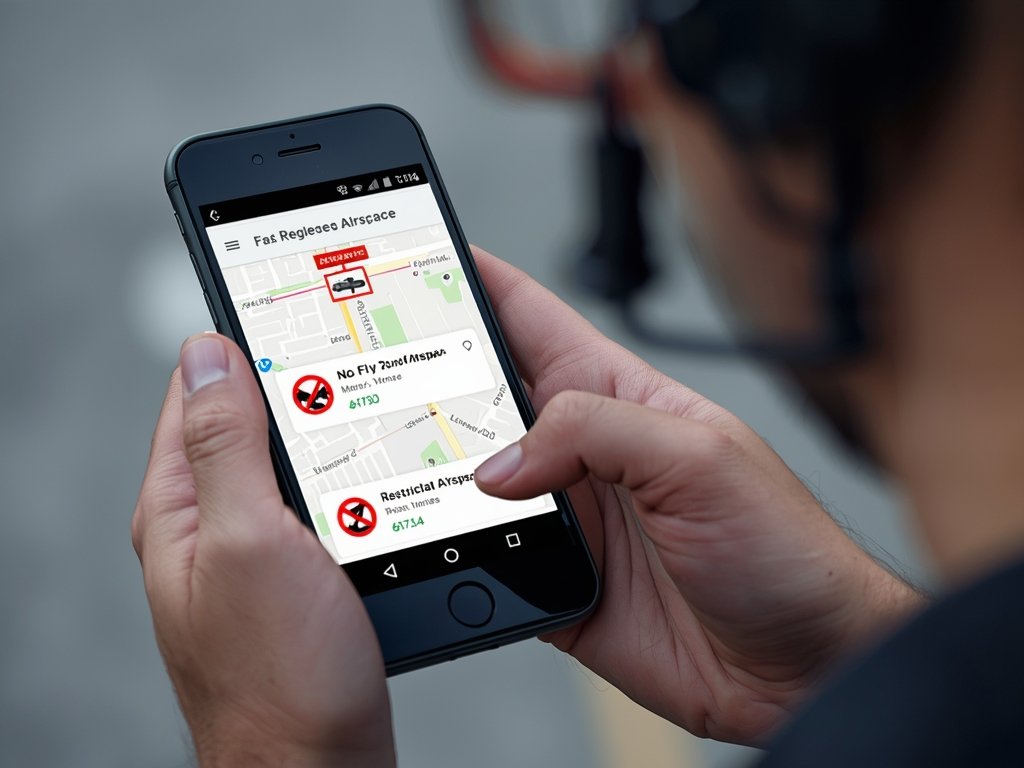
Before taking to the skies, familiarize yourself with the Federal Aviation Administration (FAA) regulations for drone operation in the United States. Key points to remember:
- Registration: All drones weighing over 0.55 lbs (250 grams) must be registered with the FAA.
- Part 107 Certification: If you’re using your drone for commercial purposes, including real estate photography, you’ll need to obtain a Part 107 Remote Pilot Certificate.
- Flight Restrictions: Be aware of no-fly zones, restricted airspace, and local ordinances that may limit drone operation in certain areas.
Taking Your Photography to New Heights: Tips for Capturing Stunning Aerial Shots
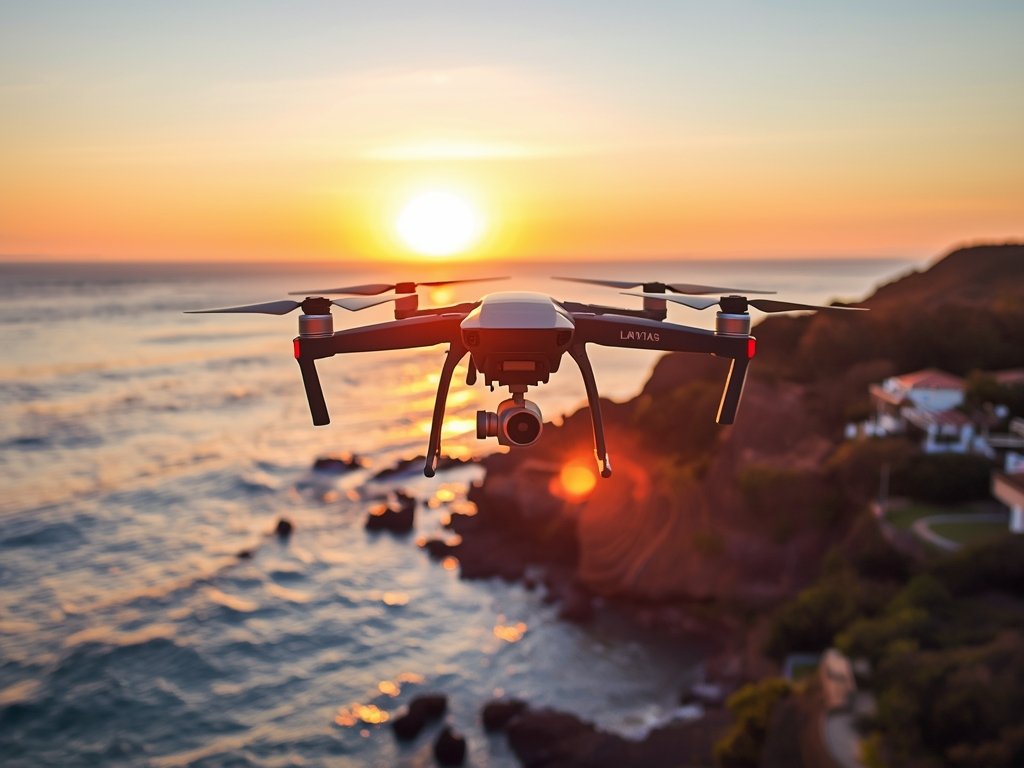
Mastering drone photography takes practice and creativity. Here are some tips to elevate your aerial shots:
- Plan Your Shots: Scout locations beforehand and plan your flight path to capture the most compelling angles and perspectives.
- Utilize Different Heights and Angles: Experiment with different altitudes and camera angles to create variety and visual interest.
- Leverage Natural Light: Shoot during the golden hour (shortly after sunrise or before sunset) for warm, flattering light and long shadows.
- Edit with Care: Use photo editing software to enhance your images, but avoid over-editing, which can make them look unnatural.
FAQ
Do I need a license to fly a drone for real estate photography?
Yes, if you’re using your drone for commercial purposes, including real estate photography, you’ll need to obtain a Part 107 Remote Pilot Certificate from the FAA.
What’s the best time of day to take drone photos?
The golden hour, shortly after sunrise or before sunset, offers the most flattering light for aerial photography.
How high can I fly my drone?
FAA regulations limit drone flights to 400 feet above ground level. Always be aware of local ordinances and restricted airspace.
What safety precautions should I take when flying a drone?
Always fly your drone within your line of sight, maintain a safe distance from people and property, and be mindful of weather conditions. Familiarize yourself with your drone’s safety features and emergency procedures.
Can I use my drone to take photos inside a house?
While technically possible, using a drone indoors can be challenging due to limited space and potential safety hazards. It’s generally recommended to use traditional photography methods for interior shots.
Join Our Pilot Community
Connect with fellow drone enthusiasts, share your aerial shots, and get access to free PDF ebook guides.