
Eyes in the Sky: Unlocking Tactical Military Drone Capabilities
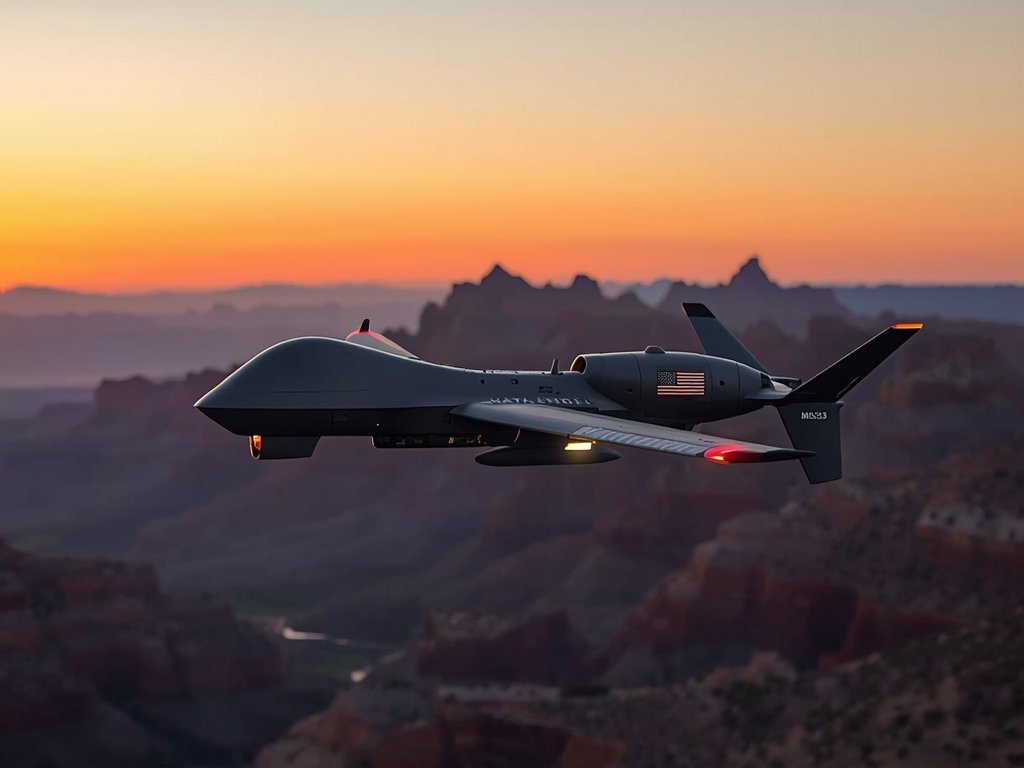
From the dusty battlefields of Afghanistan to the dense jungles of South America, tactical military drones have become indispensable assets for U.S. armed forces. These unmanned aerial vehicles (UAVs) are no longer just tools for surveillance; they’re game-changers in modern warfare, offering precision, agility, and versatility. Let’s dive into what makes these drones tick and how they’re reshaping the battlefield.
The Evolution of Tactical Drones: From Reconnaissance to Combat
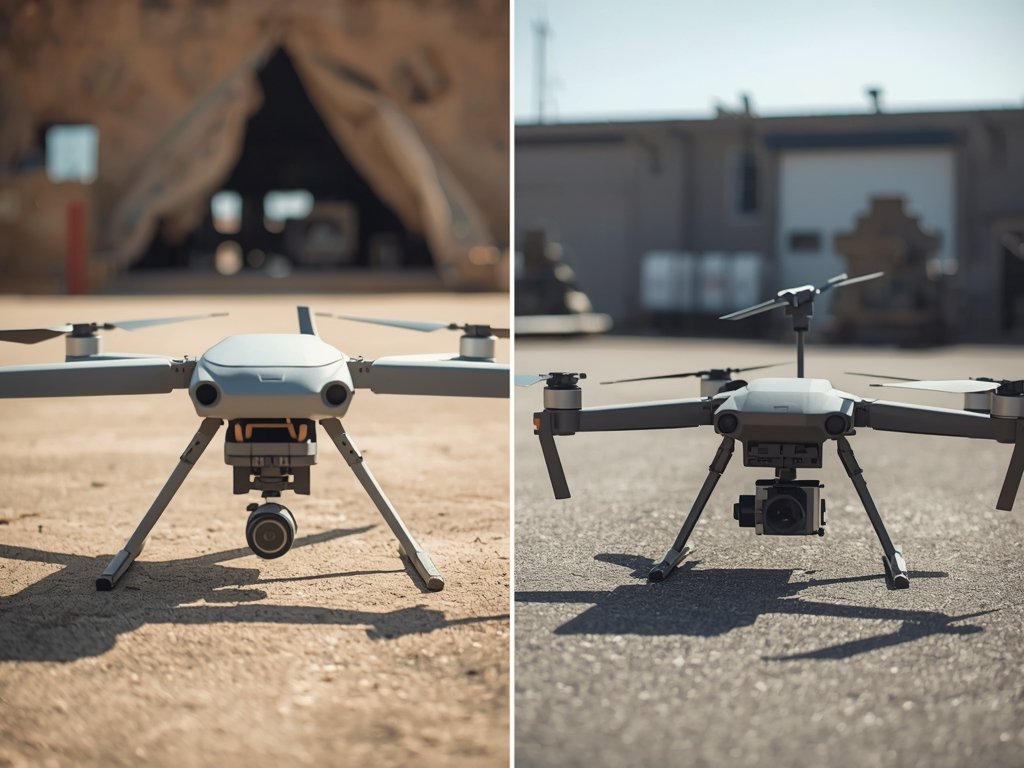
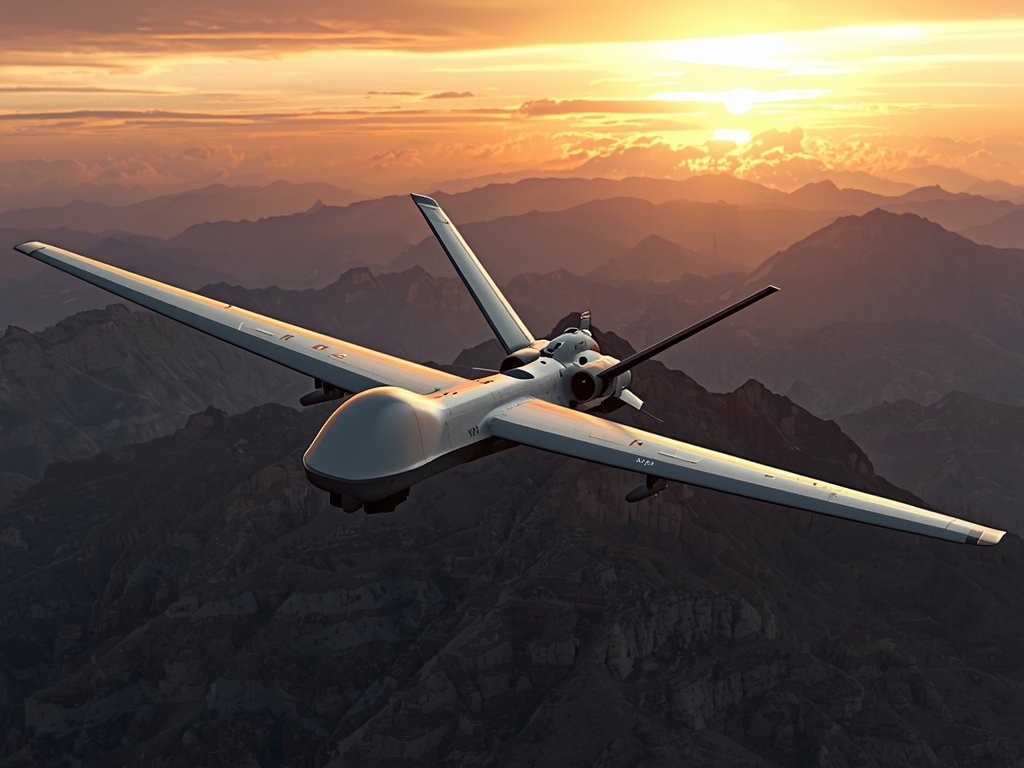
Tactical drones have come a long way since their early days as glorified cameras with wings. Initially designed for reconnaissance, they’ve evolved into multi-role platforms capable of intelligence gathering, target acquisition, and even direct combat. The U.S. military’s adoption of drones like the RQ-7 Shadow and the MQ-1 Predator paved the way for smaller, more agile systems tailored for ground troops.
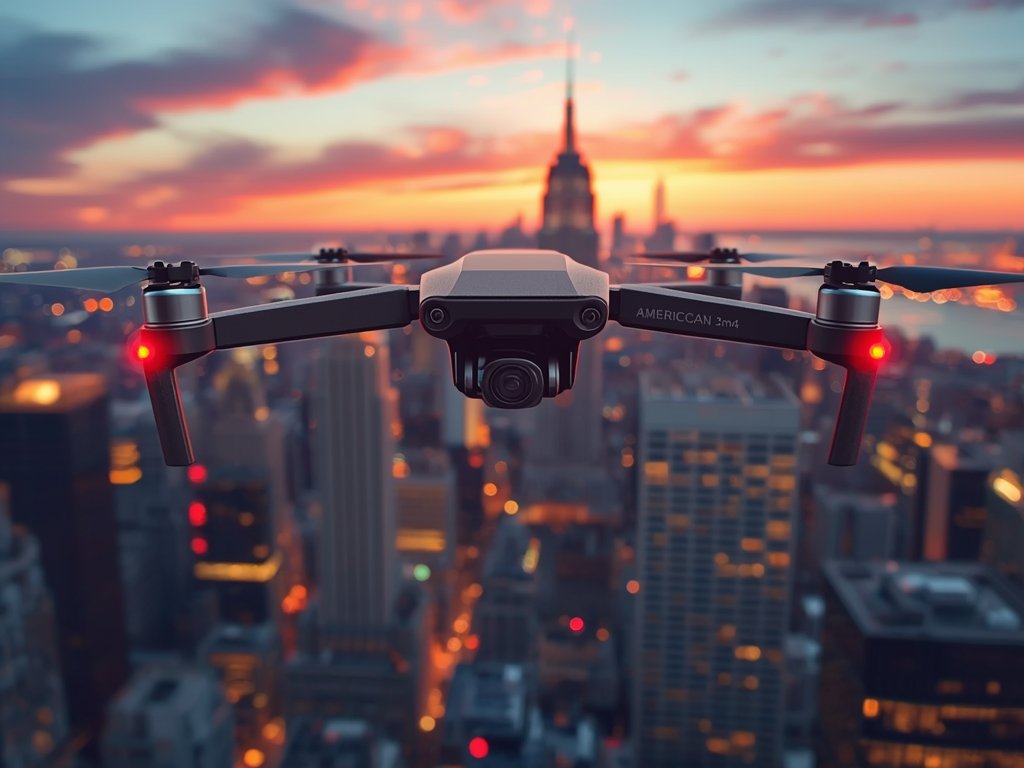
Today, drones like the FLIR Black Hornet and Switchblade are compact enough to fit in a soldier’s backpack, yet powerful enough to provide real-time situational awareness and strike capabilities. This evolution reflects a shift toward decentralized warfare, where units on the ground can deploy their own aerial assets without relying on larger command structures.
Key Capabilities: What Makes Tactical Drones Unstoppable

1. Stealth and Maneuverability
Modern tactical drones are designed to be nearly invisible to the enemy. With whisper-quiet electric motors and compact designs, they can operate in urban environments or dense foliage without detection. Their agility allows them to dodge obstacles and maintain a low profile, making them ideal for covert operations.
2. Real-Time Intelligence Gathering
Equipped with high-resolution cameras, thermal imaging, and advanced sensors, these drones provide troops with a bird’s-eye view of the battlefield. This real-time data helps commanders make informed decisions, whether it’s identifying enemy positions or assessing terrain for troop movements.
3. Precision Strike Capabilities
Some tactical drones, like the Switchblade, are armed with explosive warheads, turning them into loitering munitions. These drones can hover over a target area, waiting for the perfect moment to strike with pinpoint accuracy. This capability minimizes collateral damage and maximizes mission success.
Tactical Drones in Action: Real-World Applications
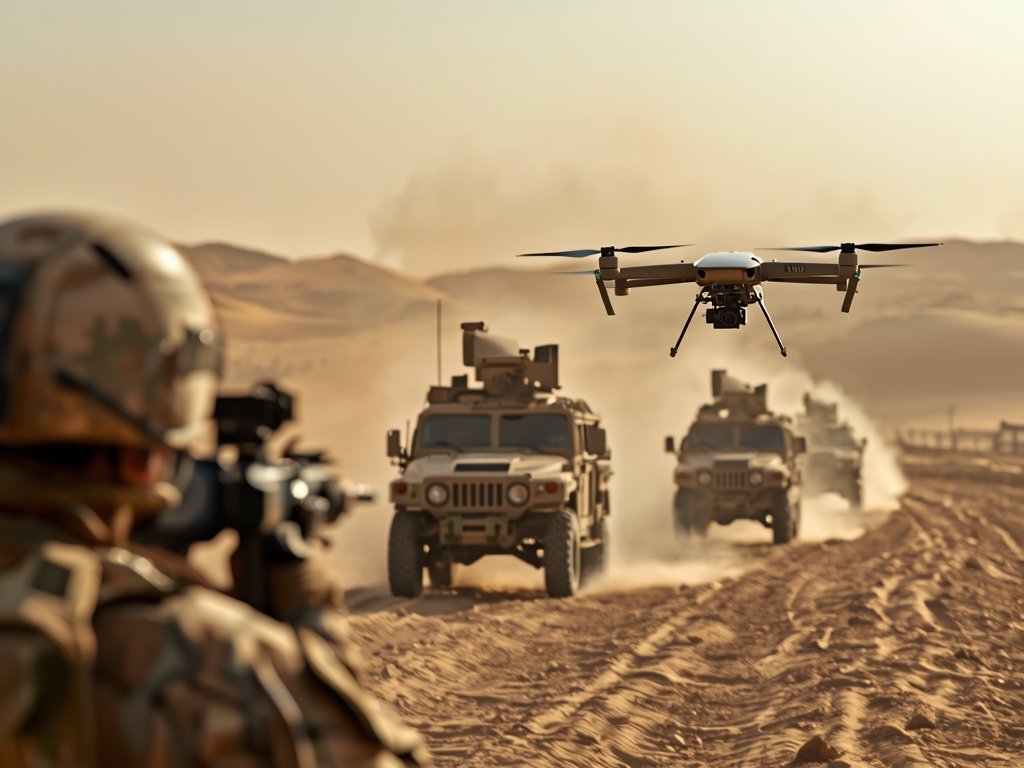
The U.S. military has deployed tactical drones in a variety of scenarios, from counterinsurgency operations to humanitarian missions. During the War on Terror, drones like the Raven and Puma provided critical intelligence in Afghanistan and Iraq, helping troops avoid ambushes and locate high-value targets.
Closer to home, tactical drones have been used by law enforcement agencies and border patrol to monitor illegal activities and secure national borders. Their versatility makes them invaluable tools for both military and civilian applications, proving that their impact extends far beyond the battlefield.
The Future of Tactical Drones: What’s Next?
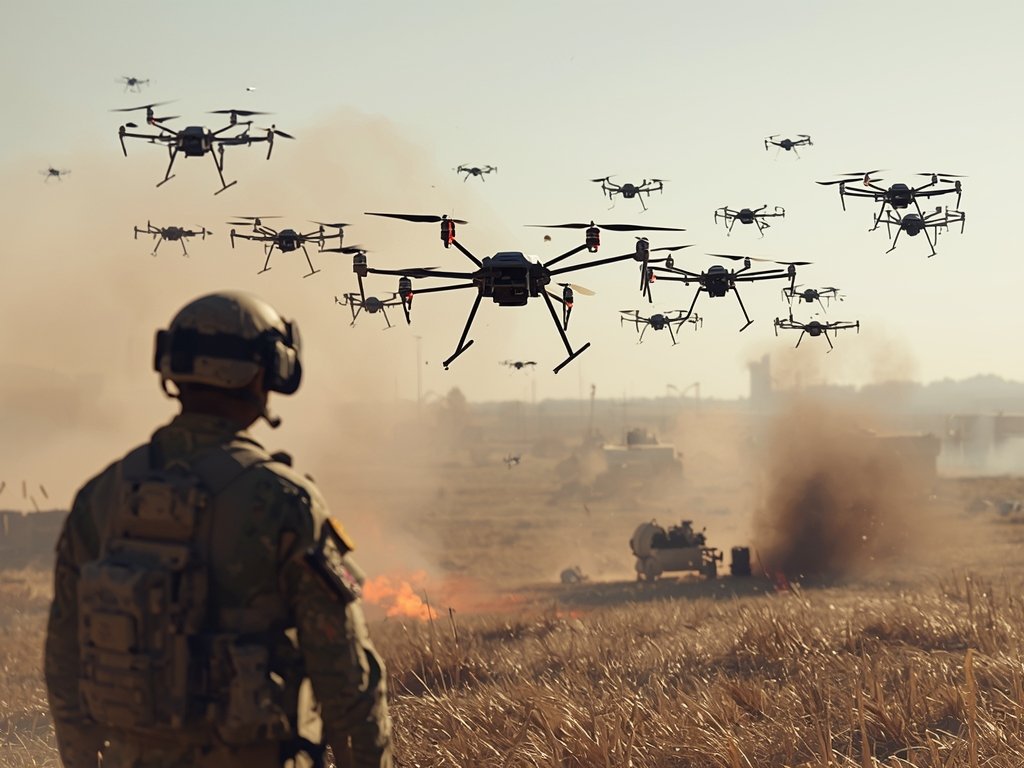
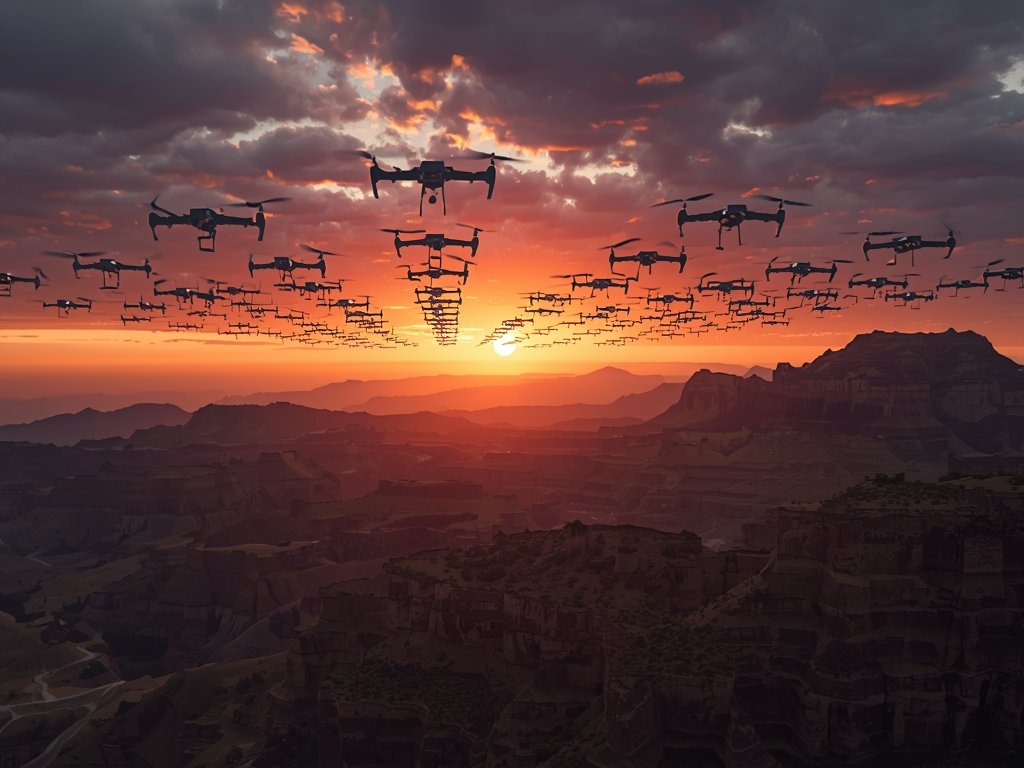
As technology advances, tactical drones are poised to become even more capable. Swarm technology, where multiple drones operate in coordination, is on the horizon. This could revolutionize reconnaissance and strike missions, allowing for greater coverage and redundancy.
Additionally, advancements in AI and machine learning could enhance drones’ ability to autonomously navigate complex environments and identify targets. While ethical considerations remain, there’s no denying that the future of tactical drones is bright—and it’s coming faster than you think.
FAQ: Your Burning Questions Answered
What is the range of a typical tactical drone?
Most tactical drones have a range of 5 to 15 kilometers, though some advanced models can operate up to 50 kilometers away from their controllers. This range is ideal for supporting ground troops without requiring extensive infrastructure.
Can tactical drones operate in bad weather?
While adverse weather conditions like heavy rain or strong winds can impact drone performance, many modern models are designed to withstand challenging environments. Waterproof coatings and stabilized flight systems help them operate in less-than-ideal conditions.
How long can a tactical drone stay in the air?
Flight times vary depending on the model and payload, but most tactical drones can stay airborne for 30 minutes to 2 hours. Extended-range versions, like the RQ-21 Blackjack, can fly for up to 16 hours.
Are tactical drones only used by the military?
While the military is the primary user, tactical drones are also employed by law enforcement, search and rescue teams, and even private companies for tasks like infrastructure inspection and disaster response.
Join Our Pilot Community
Connect with fellow drone enthusiasts, share your aerial shots, and get access to free PDF ebook guides.