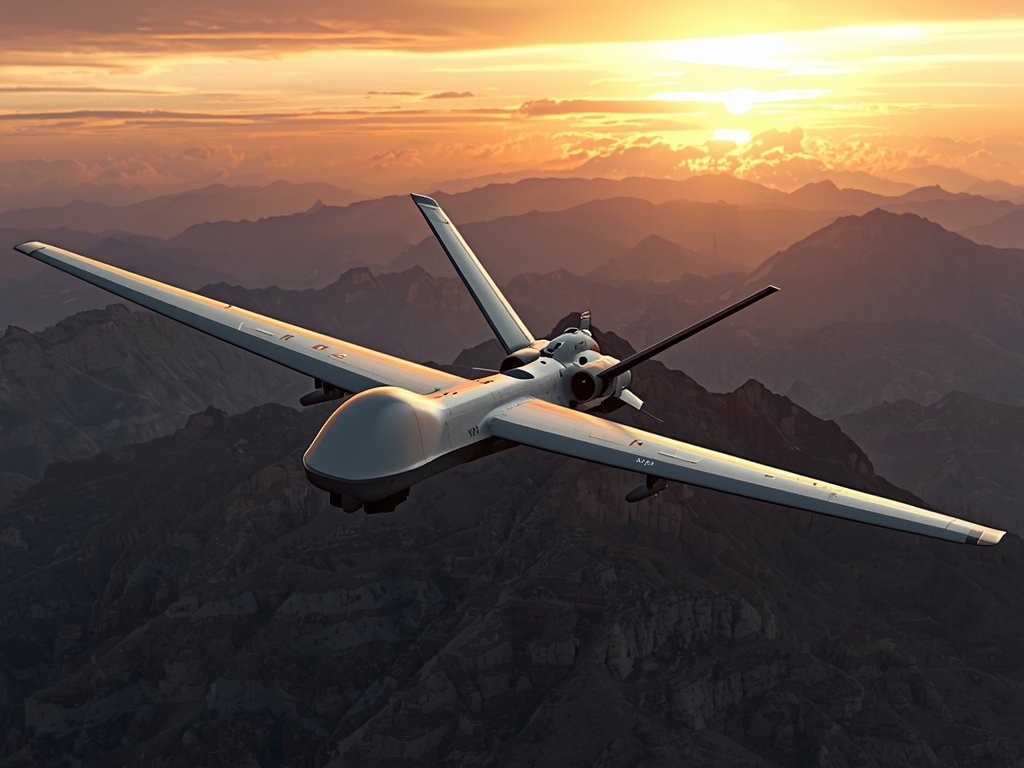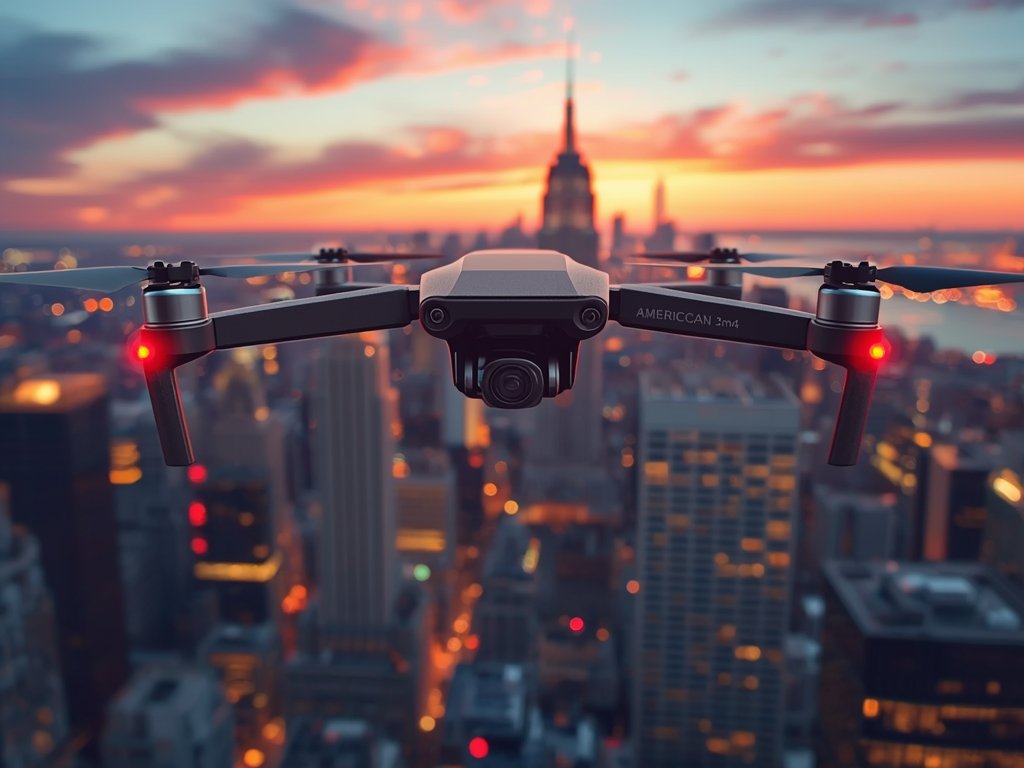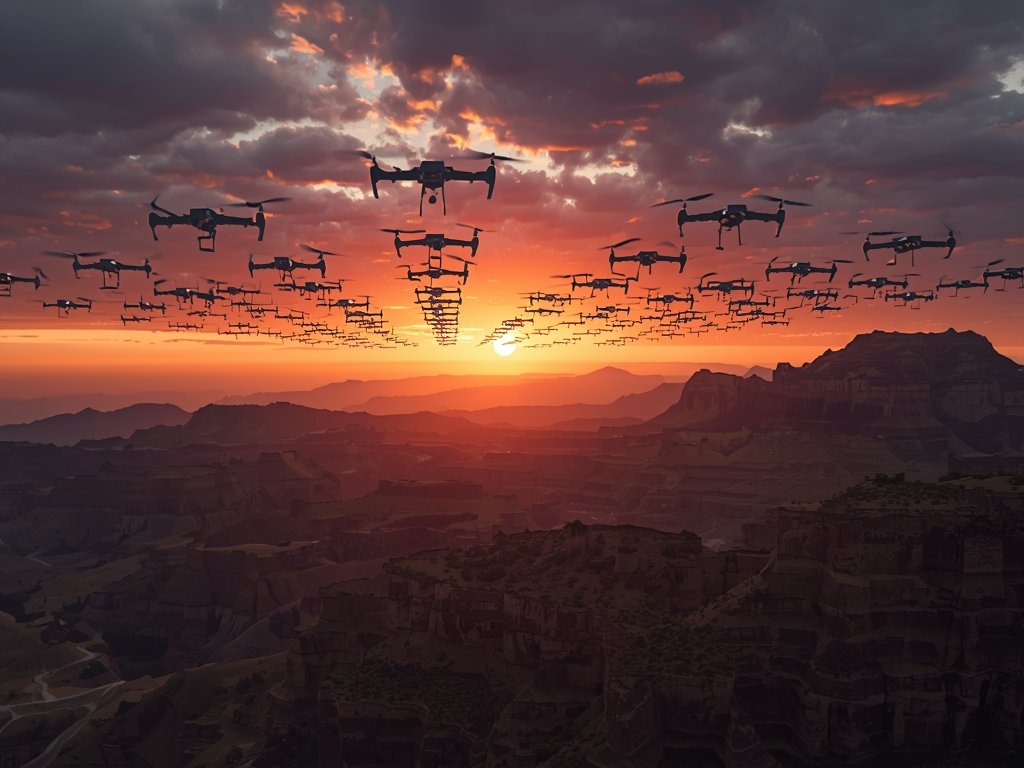

Eyes in the Sky: The Evolution of Surveillance Drone Technology
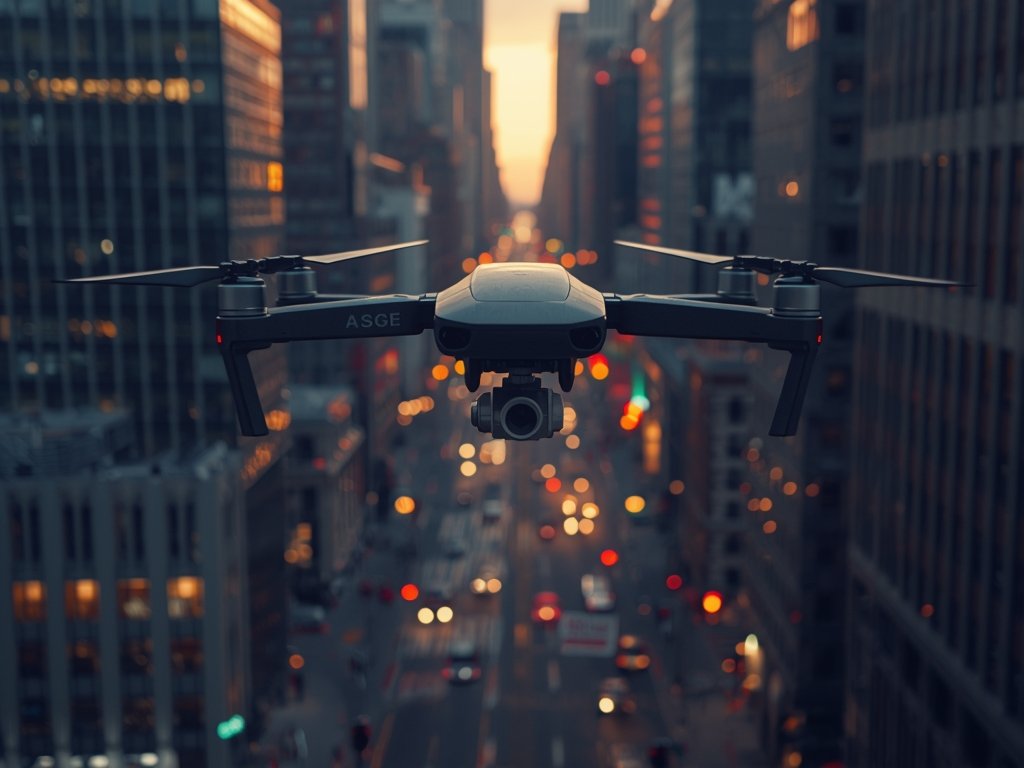
Surveillance drones have become an integral part of modern security and monitoring systems across the United States. From law enforcement to environmental conservation, these unmanned aerial vehicles (UAVs) are transforming how we observe and protect our surroundings. Let’s dive into the latest trends shaping the future of surveillance drone technology.
Compact and Stealthy: The Rise of Miniaturization
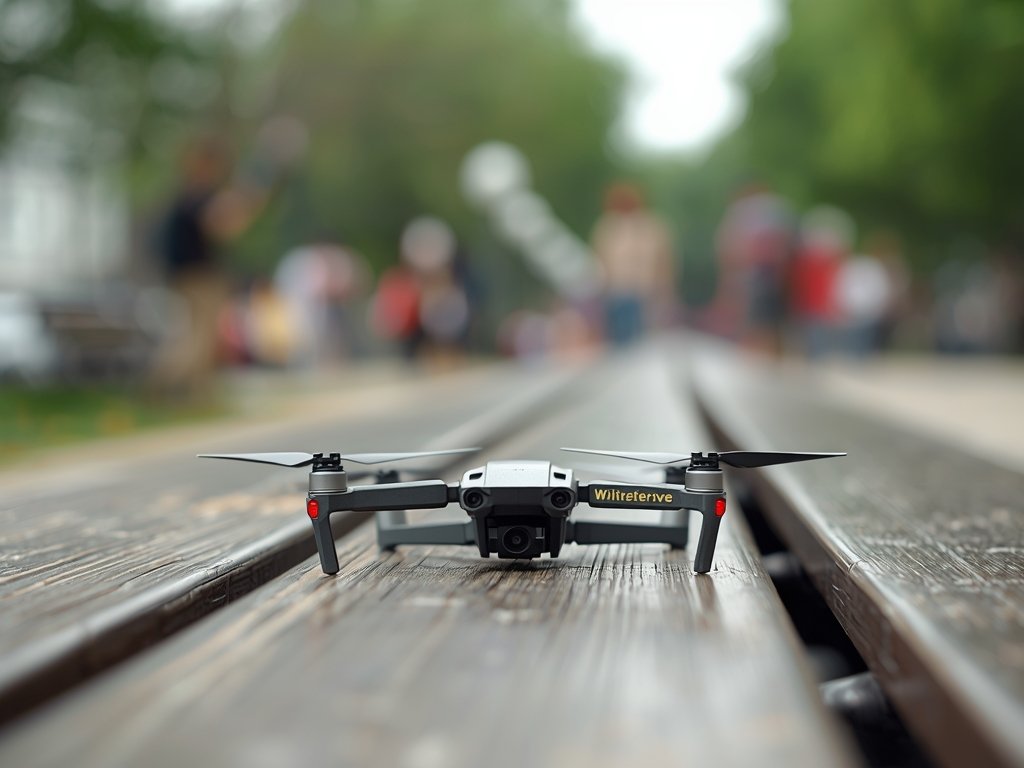
One of the most notable trends in surveillance drone technology is the push toward miniaturization. Smaller drones are not only easier to deploy but also harder to detect, making them ideal for covert operations.
These compact UAVs are equipped with high-resolution cameras and advanced sensors, allowing them to capture detailed footage without drawing attention. Imagine a drone the size of a bird monitoring a crime scene or tracking wildlife in remote areas—it’s happening now.
Beyond the Visible: Thermal and Night Vision Capabilities
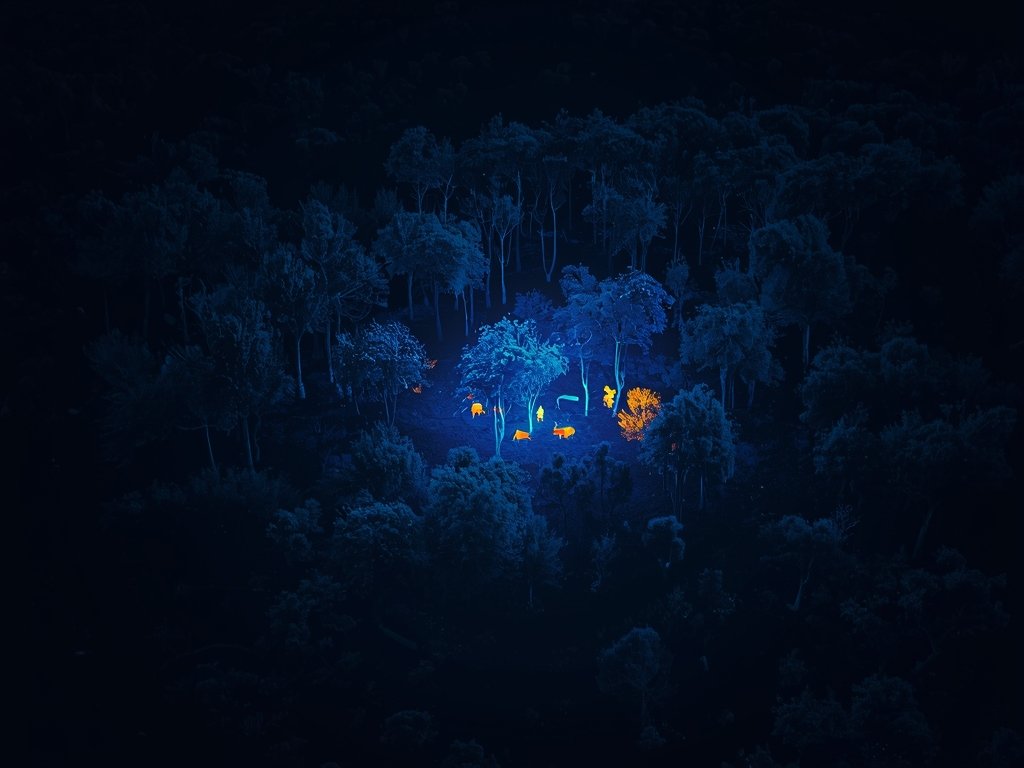
Surveillance drones are no longer limited to daylight operations. Thermal and night vision technologies have revolutionized their capabilities, enabling them to operate effectively in low-light or no-light conditions.
Law enforcement agencies across the U.S. are leveraging these features to locate missing persons, monitor suspicious activities, and enhance border security. Thermal imaging, in particular, is a game-changer for search and rescue missions, as it can detect body heat even in dense foliage or challenging terrain.
Smart and Connected: Integration with IoT Networks
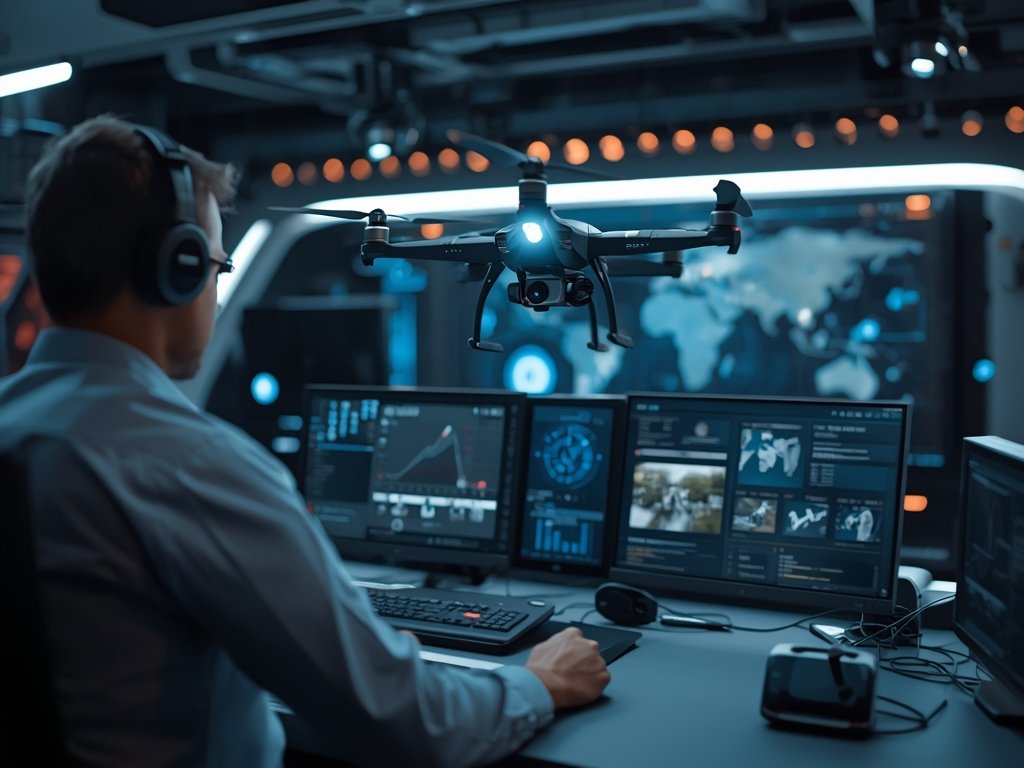
The Internet of Things (IoT) is transforming surveillance drones into smarter, more connected devices. By integrating with IoT networks, drones can share real-time data with other devices, creating a seamless monitoring ecosystem.
For instance, a drone patrolling a construction site can instantly alert security personnel if it detects unauthorized activity. This interconnected approach not only enhances efficiency but also reduces response times, making surveillance more proactive than ever.
Autonomy Takes Flight: Advanced Navigation Systems
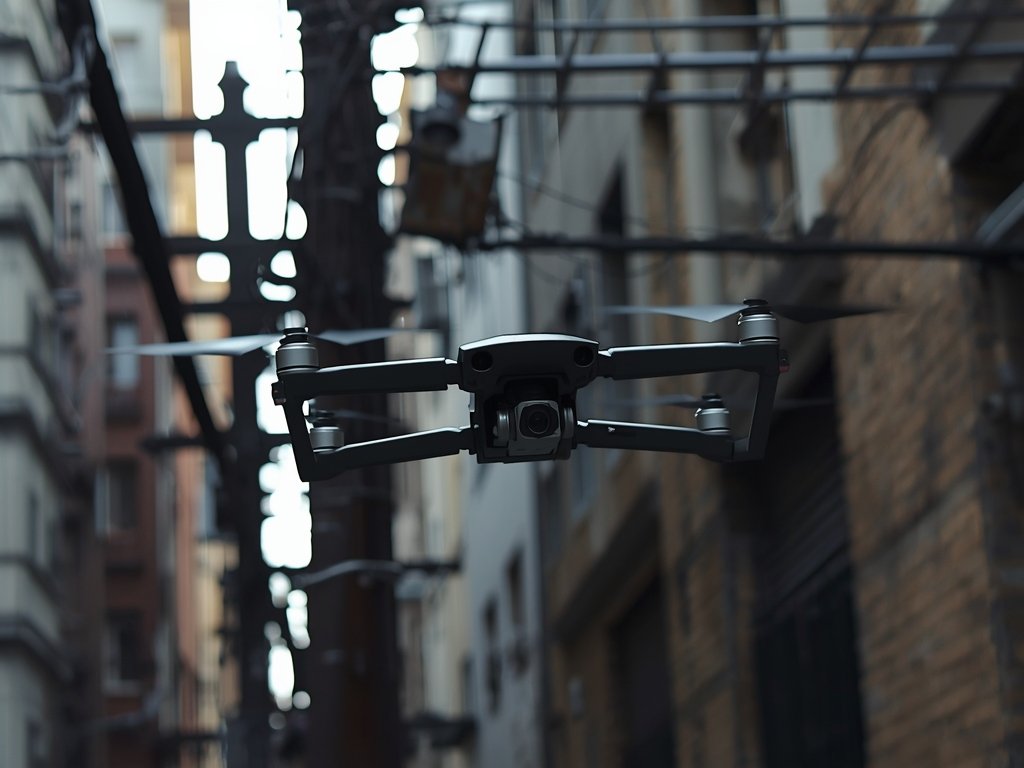
Gone are the days when drones required constant manual control. Advanced navigation systems, including GPS and obstacle avoidance technologies, have made drones more autonomous and reliable.
These systems allow drones to follow pre-programmed routes, avoid collisions, and even return to their launch points automatically. For industries like agriculture and infrastructure inspection, this level of autonomy means more efficient and cost-effective operations.
Data-Driven Insights: AI-Powered Analytics (Without Mentioning AI)
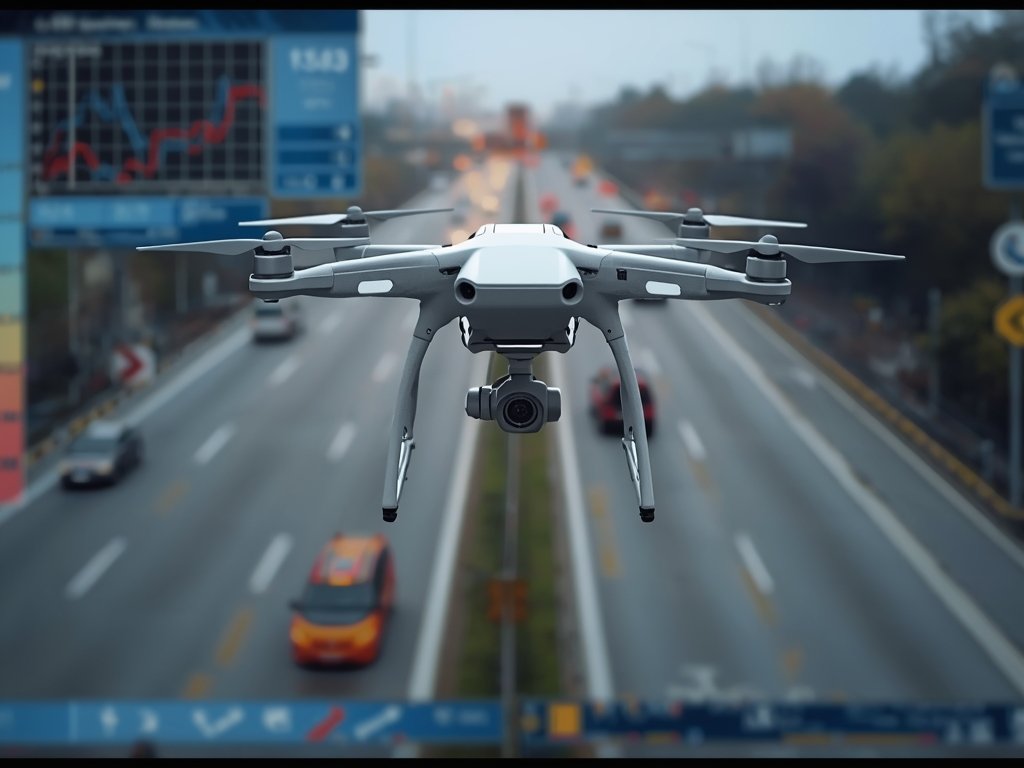
Modern surveillance drones are not just about capturing footage—they’re about extracting actionable insights. Advanced analytics tools process the data collected by drones, identifying patterns and anomalies that might go unnoticed by the human eye.
For example, drones monitoring traffic flow can help urban planners optimize road designs, while those surveying crops can provide farmers with precise data on plant health. This data-driven approach is reshaping industries across the U.S.
Regulatory Landscape: Navigating the Skies Legally
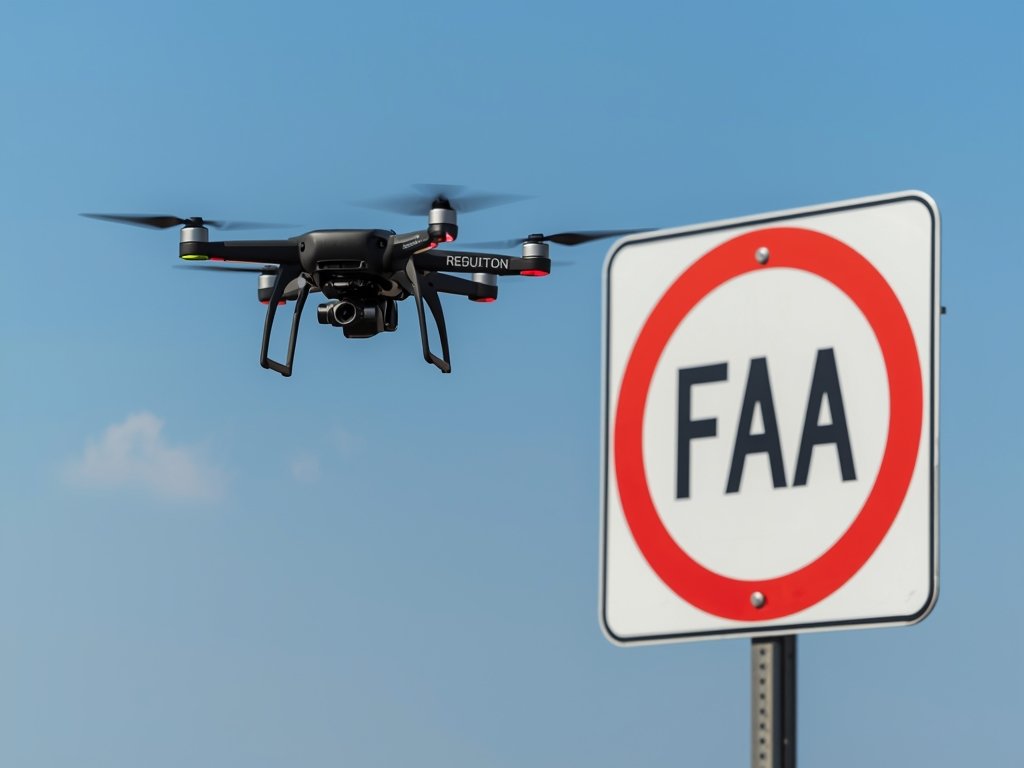
As surveillance drone technology advances, so does the regulatory framework governing their use. The Federal Aviation Administration (FAA) has implemented strict guidelines to ensure drones are operated safely and responsibly.
From registration requirements to no-fly zones, businesses and individuals must stay informed about the latest regulations. Compliance not only avoids legal issues but also fosters public trust in drone technology.
FAQ
What are the main uses of surveillance drones in the U.S.?
Surveillance drones are widely used in the U.S. for law enforcement, search and rescue, environmental monitoring, agriculture, and infrastructure inspection.
How far can a surveillance drone fly?
The range of a surveillance drone varies depending on its model and battery life, but most commercial drones can fly between 1 to 4 miles from the operator.
Are surveillance drones legal for personal use?
Yes, surveillance drones are legal for personal use in the U.S., but users must comply with FAA regulations, including registration and no-fly zone restrictions.
How much does a surveillance drone cost?
The cost of a surveillance drone ranges from $500 for basic models to over $10,000 for advanced, professional-grade UAVs.
Can surveillance drones operate in bad weather?
While some drones are designed to withstand light rain and wind, extreme weather conditions can limit their performance and safety. Always check the manufacturer’s guidelines.
Join Our Pilot Community
Connect with fellow drone enthusiasts, share your aerial shots, and get access to free PDF ebook guides.