
Taking Flight: The Ultimate Guide to Commercial Drone Fleet Management
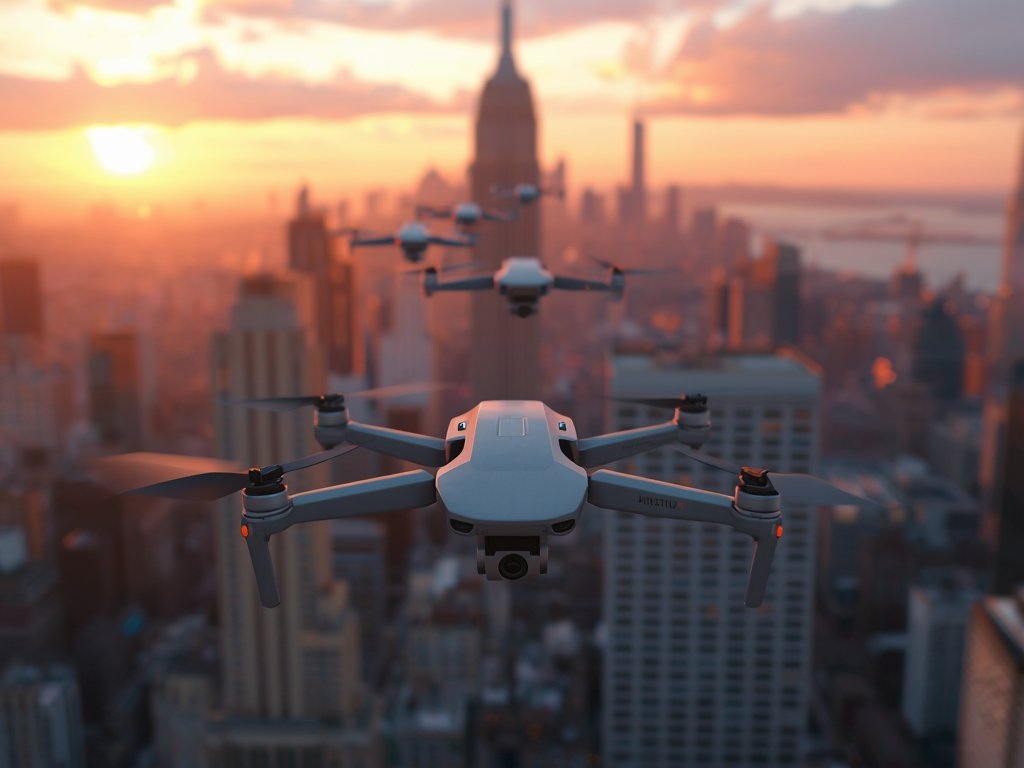
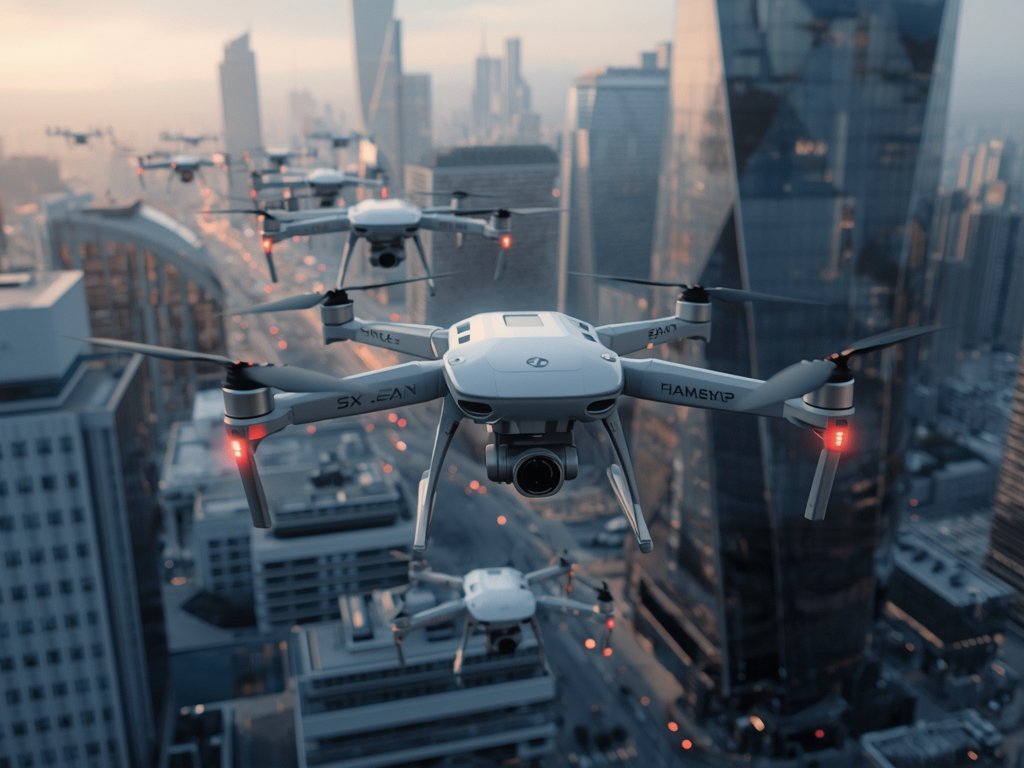
As the sun sets over the bustling city of New York, a fleet of commercial drones takes to the skies, their sleek designs and precise movements a testament to the growing importance of drone technology in the United States. From package delivery to aerial photography, drones are revolutionizing the way businesses operate, and effective fleet management is crucial to unlocking their full potential.
The Sky’s the Limit: Understanding Commercial Drone Operations

Commercial drone operations are a complex and highly regulated industry, with the Federal Aviation Administration (FAA) overseeing all aspects of drone use in the United States. To operate a commercial drone fleet, businesses must obtain a Part 107 certification, which requires passing a knowledge test and meeting strict safety standards.
Key Considerations for Commercial Drone Operations
- Regulatory Compliance: Staying up-to-date with FAA regulations and obtaining necessary certifications is essential for legal and safe drone operations.
- Safety Protocols: Implementing robust safety protocols, including pre-flight checks and emergency procedures, is crucial for preventing accidents and minimizing risks.
- Maintenance and Repairs: Regular maintenance and prompt repairs are necessary to ensure the longevity and reliability of drone equipment.
Navigating the Fleet: Strategies for Effective Drone Management
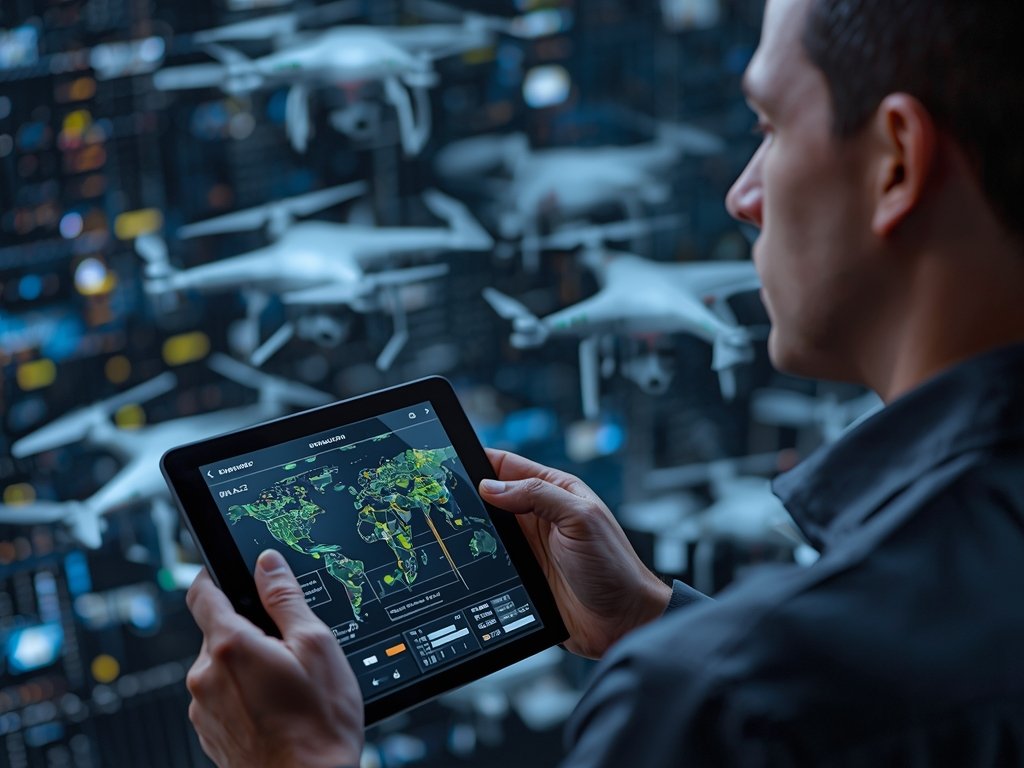
Effective drone fleet management requires a combination of strategic planning, real-time monitoring, and data-driven decision-making. By implementing best practices and leveraging technology, businesses can optimize their drone operations and achieve greater efficiency, productivity, and profitability.
Best Practices for Drone Fleet Management
- Centralized Control: Establishing a centralized control center for monitoring and managing drone operations can improve coordination and response times.
- Real-Time Monitoring: Utilizing real-time data and analytics to track drone performance, battery life, and flight paths can help identify potential issues and optimize routes.
- Predictive Maintenance: Implementing predictive maintenance strategies can reduce downtime and extend the lifespan of drone equipment.
Overcoming Turbulence: Common Challenges in Drone Fleet Management

Despite the many benefits of commercial drone operations, businesses often face significant challenges in managing their fleets. From adverse weather conditions to equipment failures, these challenges can disrupt operations and impact productivity. However, by anticipating and preparing for these challenges, businesses can minimize their impact and maintain a competitive edge.
Common Challenges and Solutions
- Adverse Weather Conditions: Implementing weather monitoring and forecasting tools can help businesses anticipate and avoid adverse conditions, reducing the risk of accidents and equipment damage.
- Equipment Failures: Establishing robust maintenance and repair protocols, as well as investing in high-quality equipment, can minimize the risk of equipment failures and downtime.
- Regulatory Changes: Staying informed about regulatory changes and updates can help businesses maintain compliance and avoid penalties or fines.
Reaching New Heights: The Benefits of Effective Drone Fleet Management

Effective drone fleet management offers numerous benefits for businesses, from increased efficiency and productivity to enhanced safety and regulatory compliance. By optimizing their drone operations, businesses can achieve significant cost savings, improve customer satisfaction, and gain a competitive edge in their industry.
Key Benefits of Effective Drone Fleet Management
- Increased Efficiency: Optimized drone operations can reduce flight times, minimize downtime, and improve overall productivity.
- Enhanced Safety: Robust safety protocols and real-time monitoring can reduce the risk of accidents and minimize liability.
- Improved Customer Satisfaction: Faster delivery times, more accurate data collection, and enhanced services can improve customer satisfaction and loyalty.
The Future of Flight: Trends and Innovations in Drone Fleet Management
As the drone industry continues to evolve, businesses must stay ahead of the curve by embracing new trends and innovations in fleet management. From advanced analytics to autonomous operations, these developments are poised to transform the way businesses manage their drone fleets and unlock new opportunities for growth and success.
Emerging Trends and Innovations
- Advanced Analytics: Leveraging data analytics and machine learning can provide valuable insights into drone performance, maintenance needs, and operational efficiency.
- Autonomous Operations: The development of autonomous drones and advanced navigation systems can enable more efficient and reliable operations, reducing the need for human intervention.
- Integration with IoT: Integrating drones with the Internet of Things (IoT) can enable real-time data sharing and coordination with other devices and systems, enhancing overall operational efficiency.
FAQ
What are the key requirements for obtaining a Part 107 certification?
To obtain a Part 107 certification, individuals must pass a knowledge test, be at least 16 years old, and meet specific citizenship and language requirements. Additionally, they must undergo a background check and obtain a remote pilot certificate from the FAA.
How can businesses ensure regulatory compliance in their drone operations?
Businesses can ensure regulatory compliance by staying up-to-date with FAA regulations, obtaining necessary certifications, and implementing robust safety protocols. Regular training and education for drone pilots and operators can also help maintain compliance and minimize risks.
What are some best practices for maintaining and repairing drone equipment?
Best practices for maintaining and repairing drone equipment include regular inspections, cleaning, and lubrication, as well as prompt repairs and replacements of damaged components. Establishing a maintenance schedule and keeping detailed records can also help extend the lifespan of drone equipment.
How can businesses leverage data analytics to optimize their drone fleet management?
Businesses can leverage data analytics to optimize their drone fleet management by tracking key performance indicators (KPIs), identifying areas for improvement, and making data-driven decisions. Advanced analytics tools can provide valuable insights into drone performance, maintenance needs, and operational efficiency, enabling businesses to achieve greater productivity and profitability.
What are some emerging applications for commercial drone fleets?
Emerging applications for commercial drone fleets include package delivery, aerial photography and videography, surveying and mapping, and emergency response. As drone technology continues to evolve, we can expect to see even more innovative applications in industries such as agriculture, construction, and healthcare.
Join Our Pilot Community
Connect with fellow drone enthusiasts, share your aerial shots, and get access to free PDF ebook guides.