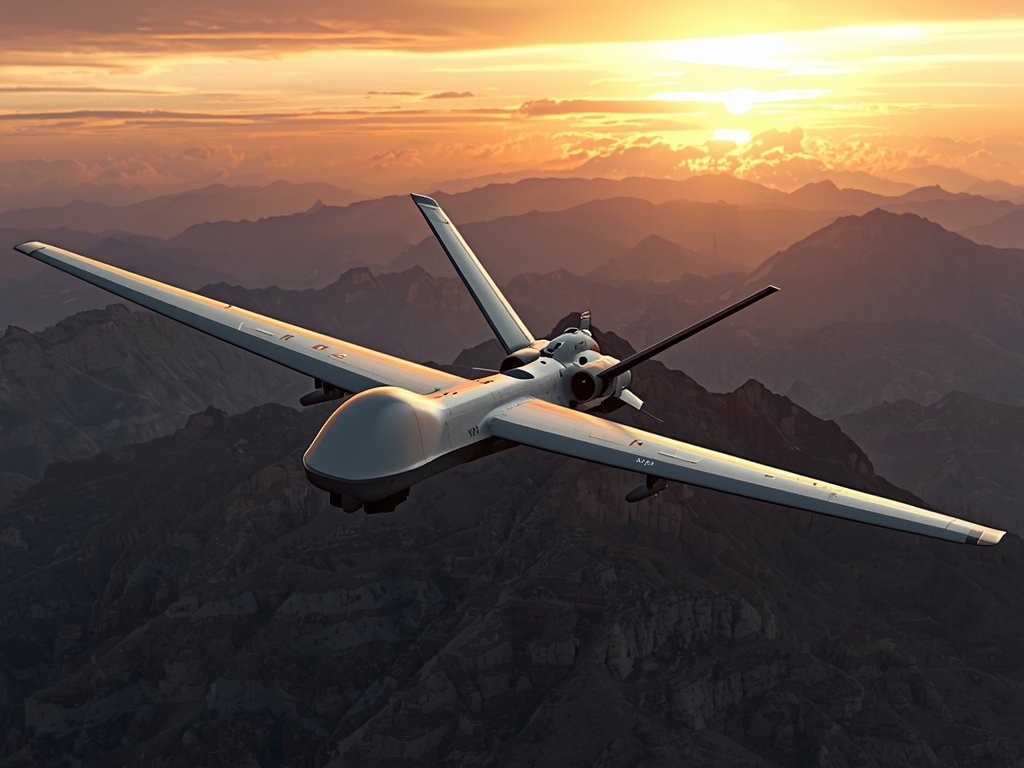

The Eyes in the Sky: Unveiling the Power of Military Drone Surveillance
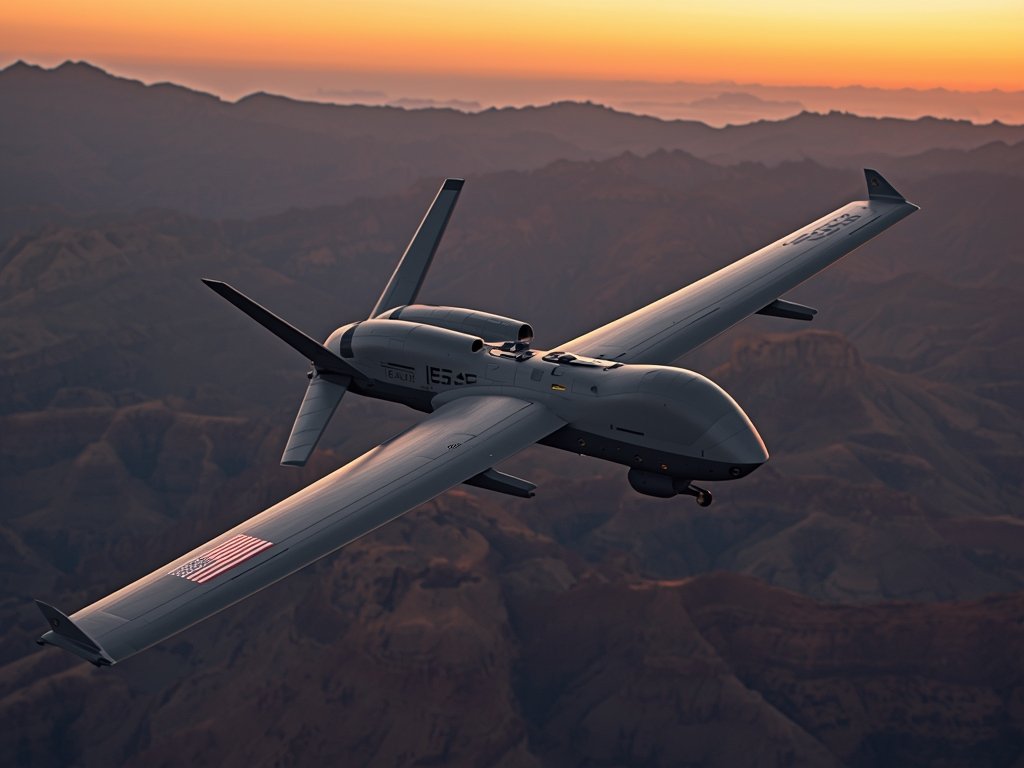
In the vast expanse of the American skies, a silent revolution is unfolding. Military drone surveillance systems have become the cornerstone of modern defense strategies, offering unparalleled advantages in intelligence gathering, reconnaissance, and security operations. As the United States continues to navigate an increasingly complex global landscape, these unmanned aerial vehicles (UAVs) are redefining the way we approach national security.
A Brief History of Military Drones in the US

The concept of unmanned aerial vehicles is not new. In fact, the United States has been at the forefront of drone technology since the mid-20th century. During the Vietnam War, the US military employed rudimentary drones for surveillance and target practice. However, it wasn’t until the 1990s and early 2000s that drones became a pivotal part of military operations, particularly in the Middle East.
Today, drones like the MQ-9 Reaper and RQ-4 Global Hawk are household names in defense circles, symbolizing the evolution of American military prowess. These systems have not only enhanced battlefield awareness but also minimized risks to human pilots, marking a significant shift in warfare tactics.
How Military Drone Surveillance Systems Work
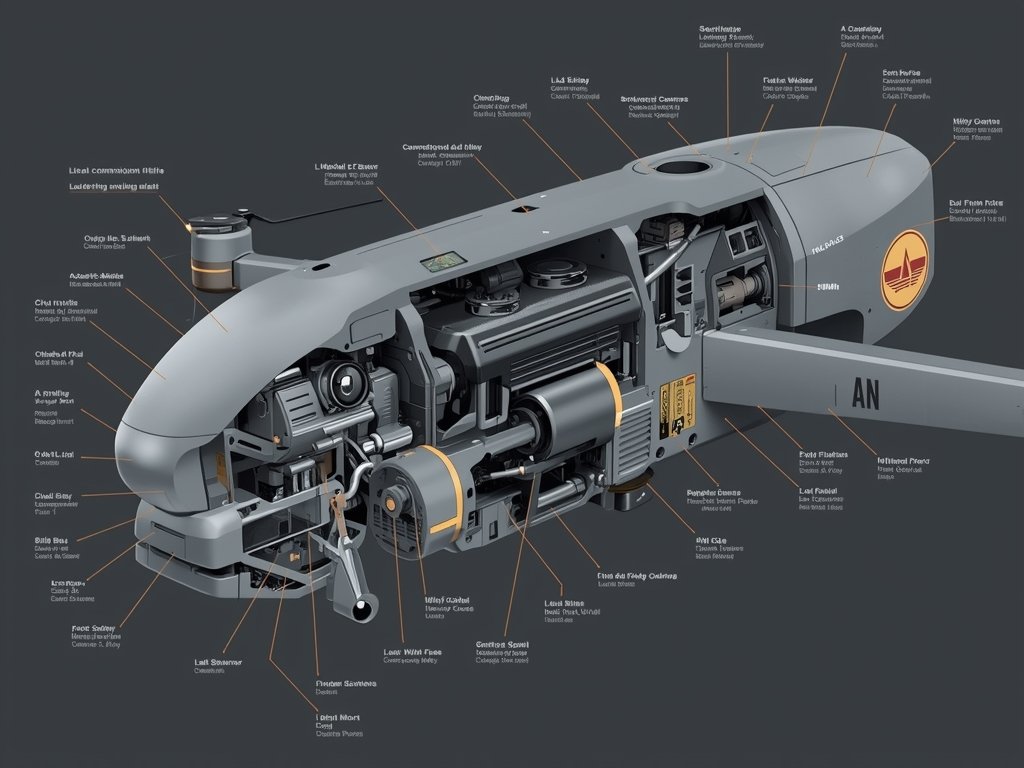
At the heart of every military drone surveillance system is a sophisticated network of technology. These drones are equipped with high-resolution cameras, thermal imaging sensors, and advanced communication systems that allow them to transmit real-time data to ground stations. The integration of GPS and autonomous flight capabilities ensures precision and reliability, even in challenging environments.
One of the most impressive aspects of these systems is their ability to operate in stealth mode. With minimal noise and a small radar signature, drones can gather critical intelligence without alerting adversaries. This makes them indispensable for covert operations and border security.
Key Components of Drone Surveillance
- High-Resolution Cameras: Capture detailed imagery from miles above the ground.
- Thermal Imaging: Detects heat signatures, ideal for night operations and tracking targets.
- Communication Systems: Ensures seamless data transmission between the drone and command centers.
- Autonomous Flight: Allows drones to navigate pre-programmed routes with minimal human intervention.
Applications of Military Drone Surveillance in the US
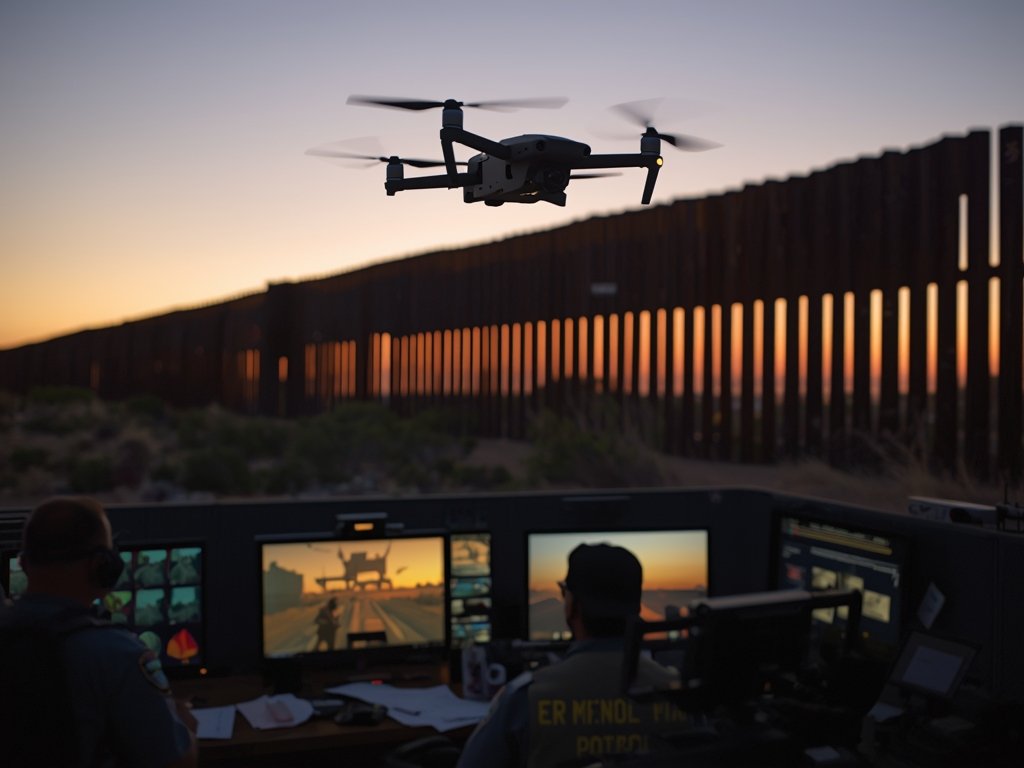
The versatility of military drone surveillance systems has led to their deployment in a wide range of applications across the United States. From border security to disaster response, these drones are proving to be invaluable assets.
Border Security and Patrol
The vast expanse of the US-Mexico border presents a unique challenge for law enforcement agencies. Military drones equipped with thermal imaging and high-resolution cameras have become essential tools for monitoring illegal crossings and identifying smuggling routes. Their ability to cover large areas quickly makes them far more efficient than traditional ground patrols.
Disaster Response and Relief
In the aftermath of natural disasters like hurricanes, wildfires, and floods, drones play a critical role in assessing damage and locating survivors. Their aerial perspective allows emergency responders to identify safe routes and prioritize rescue efforts, saving precious time and resources.
Counterterrorism and Homeland Security
The threat of terrorism remains a pressing concern for the United States. Military drones are often deployed to monitor high-risk areas, track suspicious activities, and provide real-time intelligence to law enforcement agencies. Their stealth capabilities make them ideal for covert operations aimed at preventing potential attacks.
The Ethical Debate: Privacy vs. Security
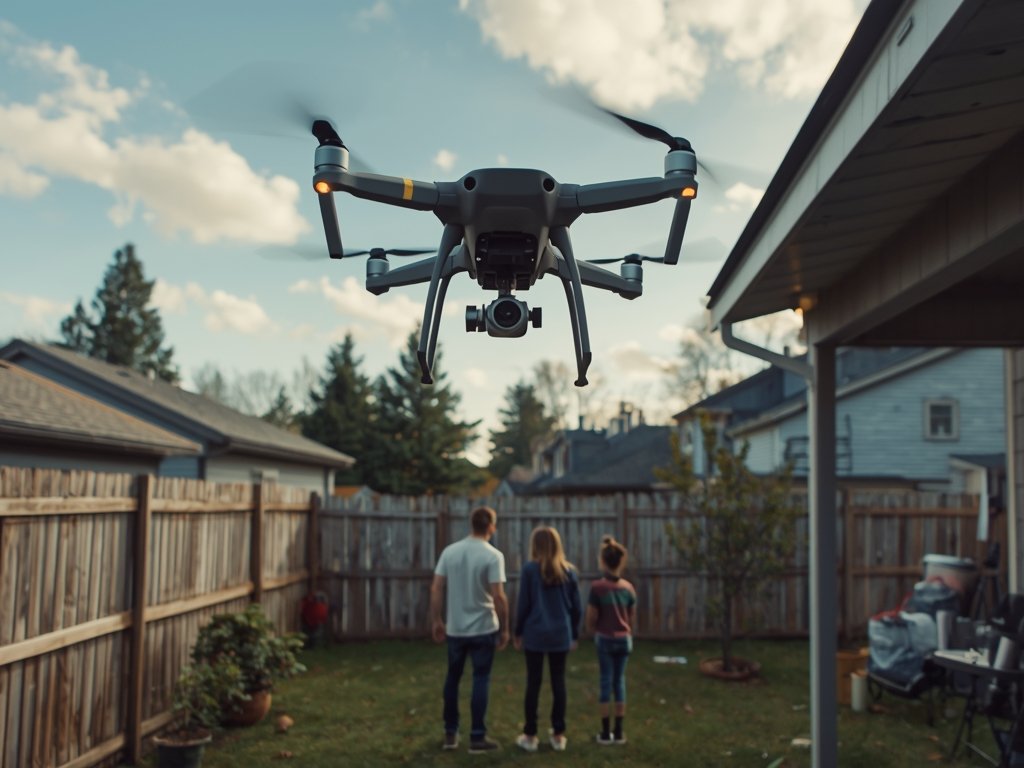
While the benefits of military drone surveillance are undeniable, their use has sparked a heated debate about privacy and civil liberties. Critics argue that the widespread deployment of drones could lead to unwarranted surveillance, infringing on the rights of American citizens. The lack of clear regulations governing drone use has further fueled these concerns.
Proponents, however, contend that these systems are essential for national security and public safety. They emphasize the need for a balanced approach, where drone operations are conducted within a legal framework that respects individual privacy while addressing legitimate security threats.
Striking the Right Balance
As the use of military drones continues to grow, policymakers are faced with the challenge of striking the right balance between security and privacy. Initiatives such as the FAA’s Remote ID rule, which requires drones to broadcast their location and operator information, are steps in the right direction. Public dialogue and transparency will be key to addressing these concerns and building trust.
The Future of Military Drone Surveillance
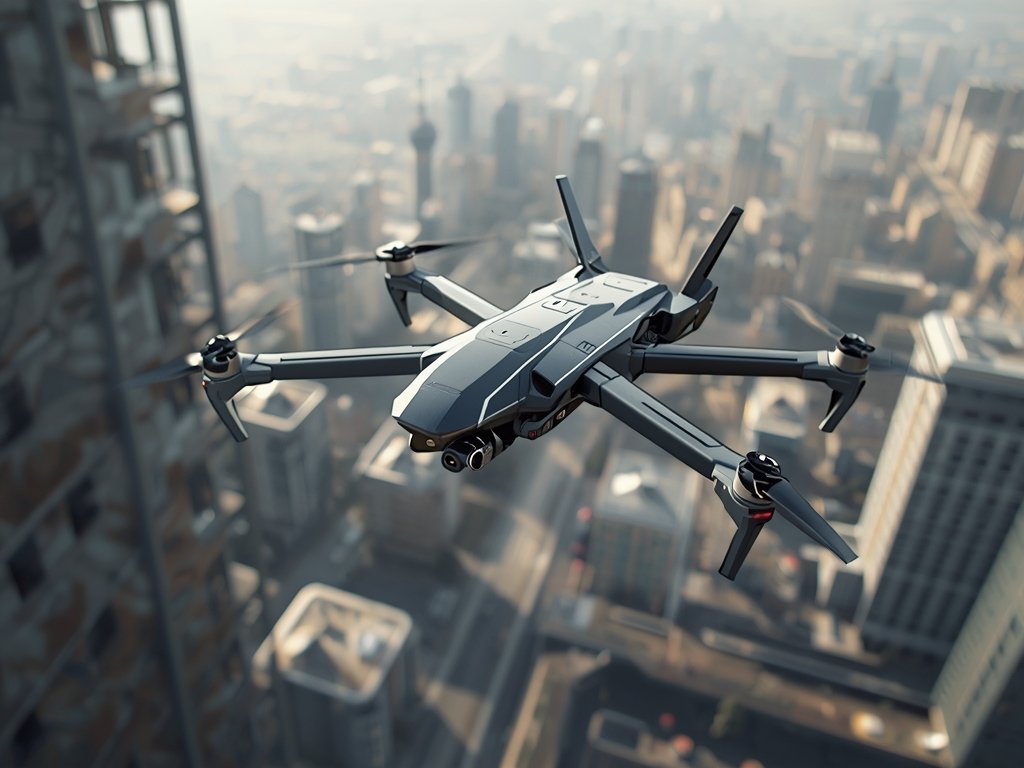
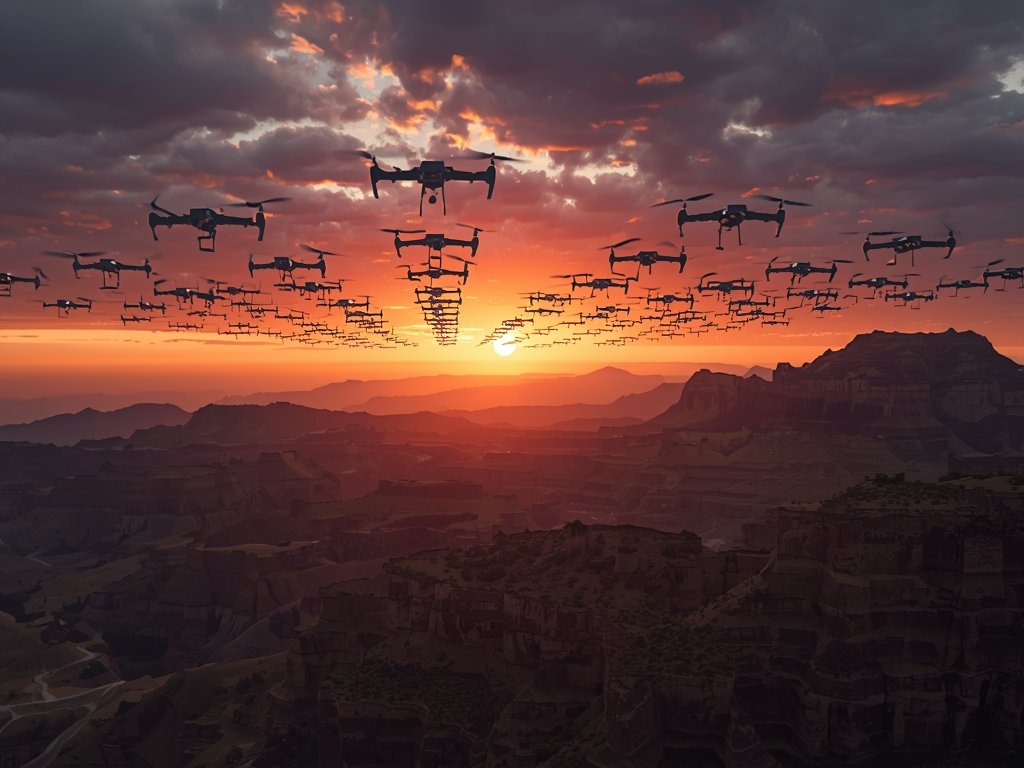
The future of military drone surveillance is brimming with possibilities. Advances in technology are paving the way for more capable, efficient, and autonomous systems. Swarm technology, for instance, allows multiple drones to operate in coordination, enhancing their effectiveness in complex missions.
Additionally, the integration of artificial intelligence (AI) is set to revolutionize drone operations. AI-powered drones can analyze vast amounts of data in real-time, identify patterns, and make informed decisions without human intervention. This could significantly enhance their role in both military and civilian applications.
Emerging Trends to Watch
- Swarm Technology: Enables multiple drones to work together, increasing coverage and efficiency.
- AI Integration: Enhances data analysis and decision-making capabilities.
- Extended Range and Endurance: Allows drones to operate for longer periods and cover greater distances.
- Stealth Enhancements: Further reduces detectability, making drones even more effective in covert operations.
FAQ
What is the primary purpose of military drone surveillance systems?
The primary purpose of military drone surveillance systems is to gather intelligence, conduct reconnaissance, and enhance security operations. They provide real-time data and situational awareness, enabling informed decision-making in both military and civilian contexts.
How do military drones differ from civilian drones?
Military drones are designed for specialized tasks such as surveillance, reconnaissance, and combat support. They are equipped with advanced features like thermal imaging, long-range communication systems, and stealth capabilities, which are not typically found in civilian drones.
Are military drones used for domestic surveillance in the US?
Yes, military drones are used for domestic surveillance in the US, particularly for border security, disaster response, and counterterrorism efforts. However, their use is subject to legal and ethical considerations to protect civil liberties.
What are the ethical concerns surrounding military drone surveillance?
The primary ethical concerns include potential violations of privacy, the lack of clear regulations governing drone use, and the risk of unwarranted surveillance. Balancing security needs with individual rights remains a key challenge.
What does the future hold for military drone technology?
The future of military drone technology includes advancements like swarm technology, AI integration, extended range and endurance, and enhanced stealth capabilities. These innovations will further expand their applications and effectiveness in various fields.
Join Our Pilot Community
Connect with fellow drone enthusiasts, share your aerial shots, and get access to free PDF ebook guides.