
The Deep Blue’s Hidden Secrets
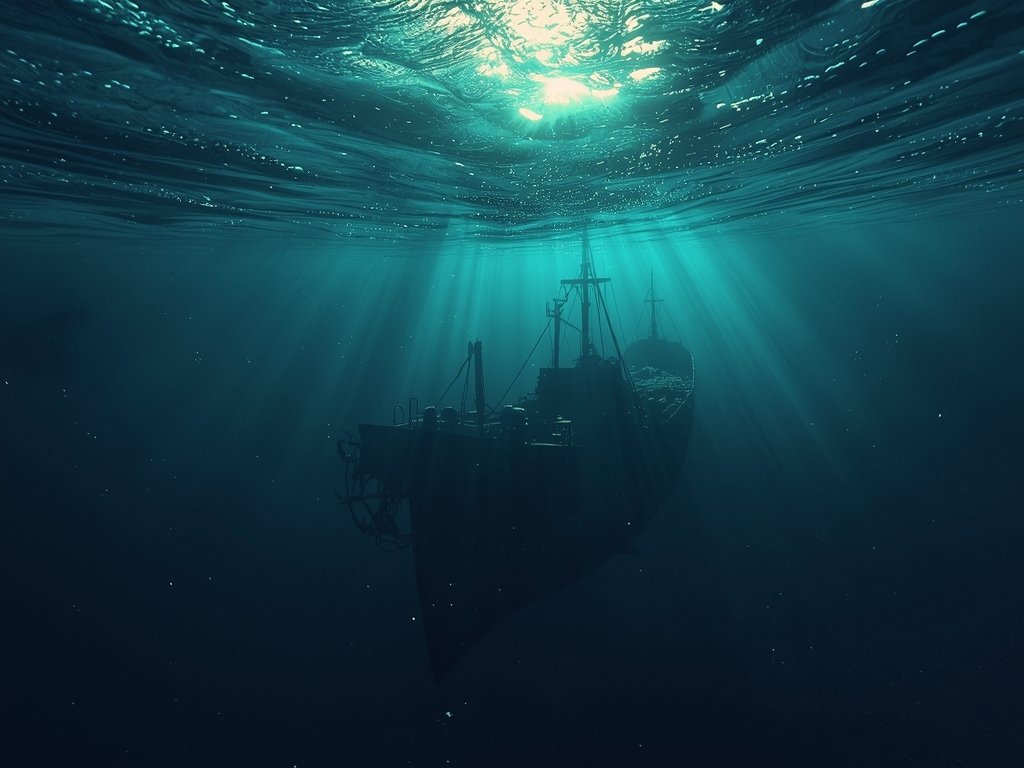
The ocean’s depths have long captivated the human imagination, holding secrets and treasures beyond our wildest dreams. From ancient civilizations’ lost cities to modern-day shipwrecks, the underwater world is a treasure trove waiting to be discovered. But how can we explore these depths without getting our feet wet?
Enter the world of underwater drones, a revolutionary technology that’s changing the game for marine archaeologists, treasure hunters, and ocean enthusiasts alike. These robotic explorers are our eyes and hands in the deep, allowing us to uncover the ocean’s mysteries like never before.
A New Era of Exploration
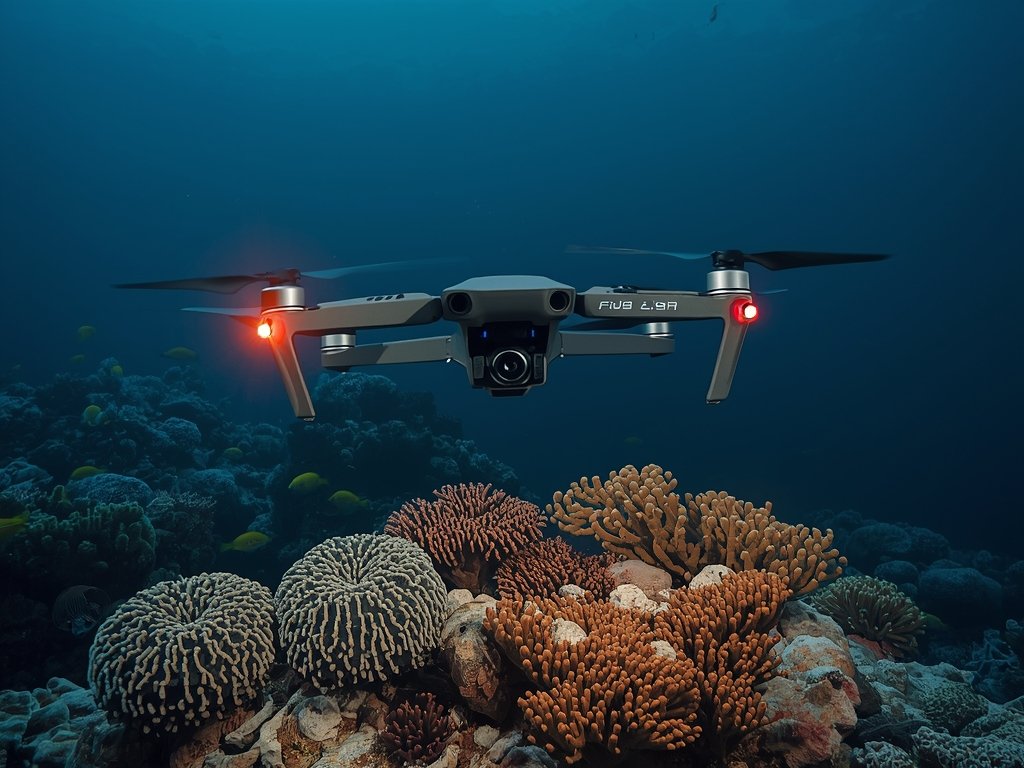
The Rise of Underwater Drones
Underwater drones, also known as ROVs (Remotely Operated Vehicles), have become indispensable tools for ocean exploration. These compact, maneuverable machines are equipped with high-definition cameras, powerful lights, and robotic arms, enabling them to navigate and interact with the underwater environment with precision.
In the United States, organizations like the National Oceanic and Atmospheric Administration (NOAA) and the Woods Hole Oceanographic Institution have been at the forefront of adopting this technology. Their missions have taken these drones to the deepest trenches and most remote locations, uncovering secrets that were once thought unreachable.
Uncovering Shipwrecks: A Treasure Hunter’s Dream
One of the most exciting applications of underwater drones is in the search for shipwrecks. The ocean floor is a vast graveyard of maritime history, with thousands of vessels lost to the depths over the centuries. From Spanish galleons laden with gold and silver to World War II-era battleships, these wrecks are time capsules waiting to be discovered.
Take, for instance, the story of the SS Central America, a sidewheel steamer that sank in 1857 during a hurricane off the coast of South Carolina. This ship, known as the “Ship of Gold,” was carrying a massive cargo of gold coins and ingots from the California Gold Rush. For over a century, it remained lost until a team of explorers, aided by underwater drones, located the wreck in 1988. The recovery of its treasure is a testament to the power of this technology.
The Technology Behind the Dive
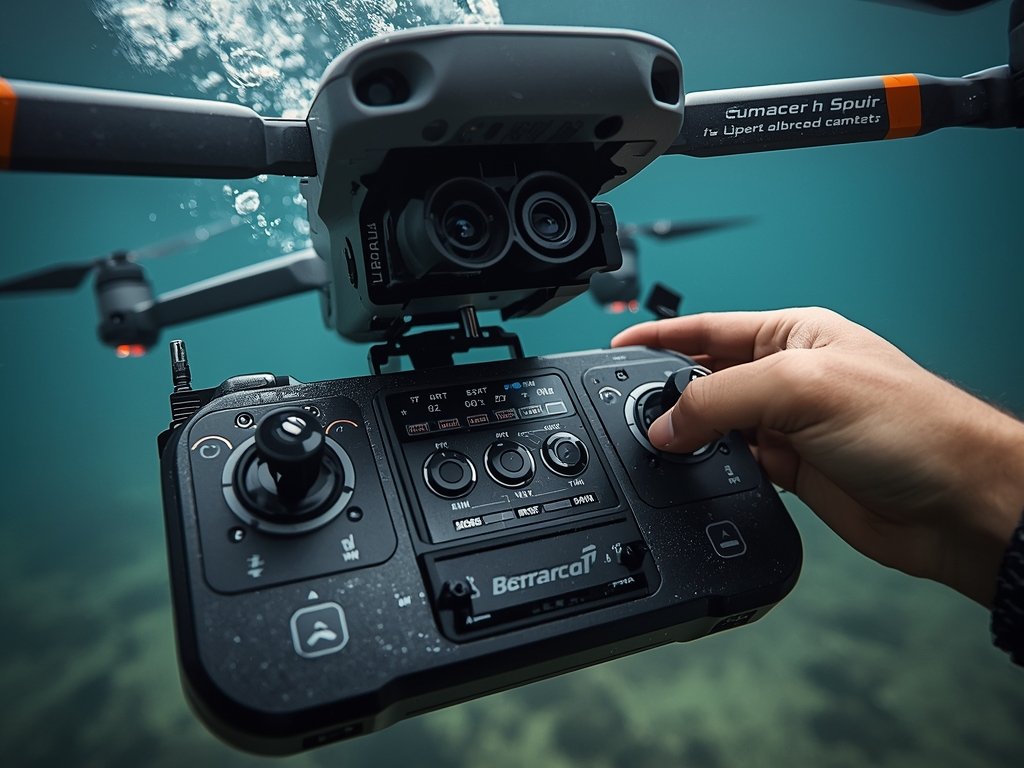
How Do Underwater Drones Work?
Underwater drones are marvels of engineering, designed to withstand the extreme pressures and conditions of the deep sea. They are typically equipped with:
- High-Definition Cameras: Capturing detailed footage and images, even in low-light conditions.
- Powerful Lights: Illuminating the dark depths, revealing hidden details.
- Robotic Arms: Manipulating objects and collecting samples with precision.
- Sensors and Sonars: Mapping the ocean floor and detecting obstacles.
These drones are controlled remotely by pilots on the surface, who use real-time video feeds and data to navigate and operate the vehicle. The technology allows for precise movements, making it possible to explore delicate ecosystems and recover artifacts without causing damage.
Overcoming the Challenges of the Deep
Operating in the deep sea presents unique challenges. The extreme pressure, limited visibility, and unpredictable currents require specialized equipment and skilled operators. Underwater drones are designed to withstand pressures of thousands of pounds per square inch, ensuring they can reach the ocean’s deepest recesses.
Additionally, these drones often use advanced propulsion systems, such as thrusters and vectored thrust, to maintain stability and maneuverability in strong currents. This technology enables them to hover in place, move sideways, or even turn on a dime, making them incredibly versatile in various underwater conditions.
The Hunt for Sunken Treasures
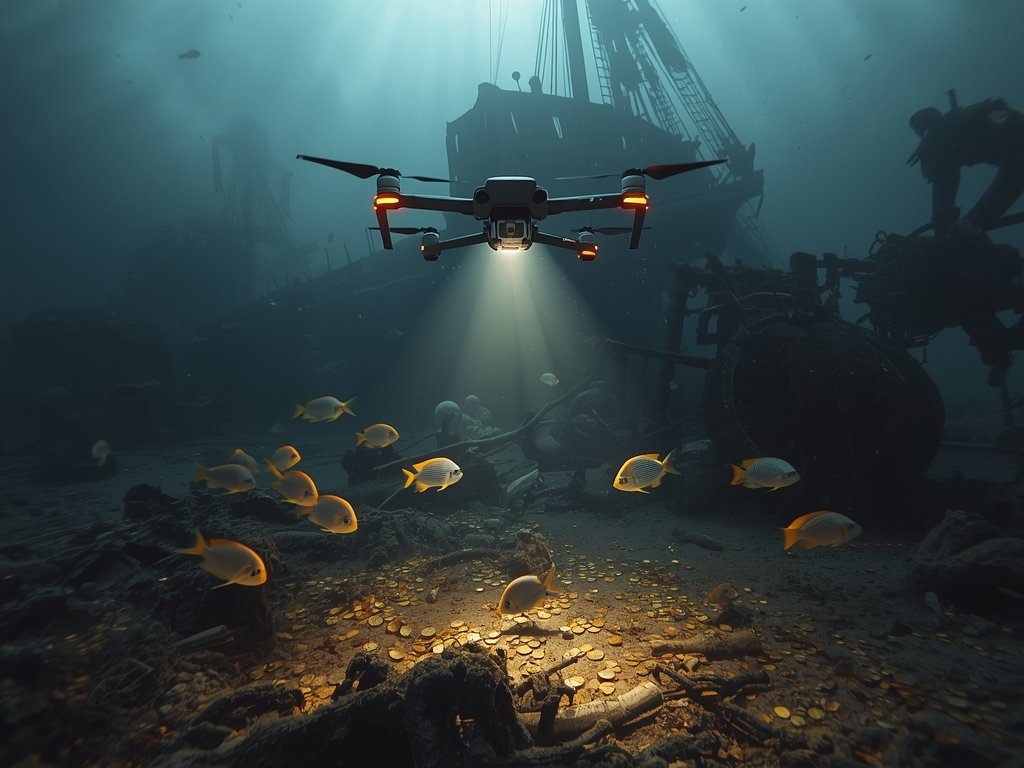
A Treasure Hunter’s Toolkit
For treasure hunters, underwater drones are like having a team of divers with superpowers. They can reach depths and locations that are unsafe or inaccessible to humans, and their advanced sensors can detect even the smallest clues that might lead to a discovery.
One of the key advantages of using drones is their ability to create detailed maps of the ocean floor. By using sonar and laser scanning, they can generate 3D models of shipwrecks and other underwater features, providing valuable data for archaeologists and historians.
The Legal and Ethical Considerations
While the thrill of discovering a shipwreck and its treasures is undeniable, it’s essential to approach these endeavors with respect and responsibility. In the United States, the Abandoned Shipwrecks Act of 1987 provides protection for historic shipwrecks, ensuring they are treated as cultural resources.
Treasure hunters and marine archaeologists must obtain permits and follow strict guidelines to ensure the preservation of these sites. The use of underwater drones has made it easier to document and study wrecks without disturbing them, allowing for a more ethical and sustainable approach to exploration.
Preserving History, One Discovery at a Time
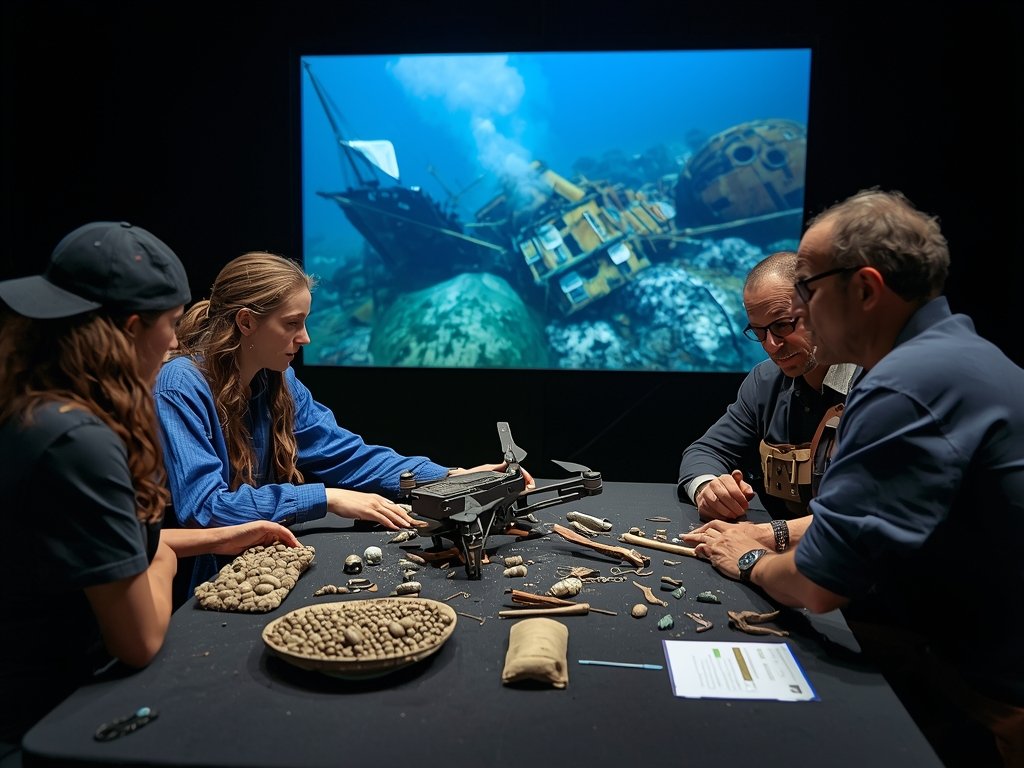
The Impact on Marine Archaeology
Underwater drones have revolutionized the field of marine archaeology, enabling researchers to study and preserve history in ways that were previously unimaginable. By providing detailed imagery and data, these drones help archaeologists create accurate reconstructions of shipwrecks and their cargo.
For example, the discovery of the USS Monitor, a Civil War-era ironclad warship, off the coast of North Carolina, was a significant milestone. The use of underwater drones allowed archaeologists to create a comprehensive 3D model of the wreck, providing valuable insights into its design and construction.
Educating and Inspiring the Next Generation
The footage and data collected by underwater drones are not only valuable for research but also for education and public engagement. Stunning videos of shipwrecks and marine life can inspire a new generation of ocean enthusiasts and scientists.
Many organizations and universities in the US are using this technology to create virtual reality experiences and educational programs, bringing the wonders of the deep to classrooms and museums. By sharing these discoveries, we can foster a greater appreciation for our maritime heritage and the importance of ocean conservation.
The Future of Underwater Exploration
What Lies Ahead
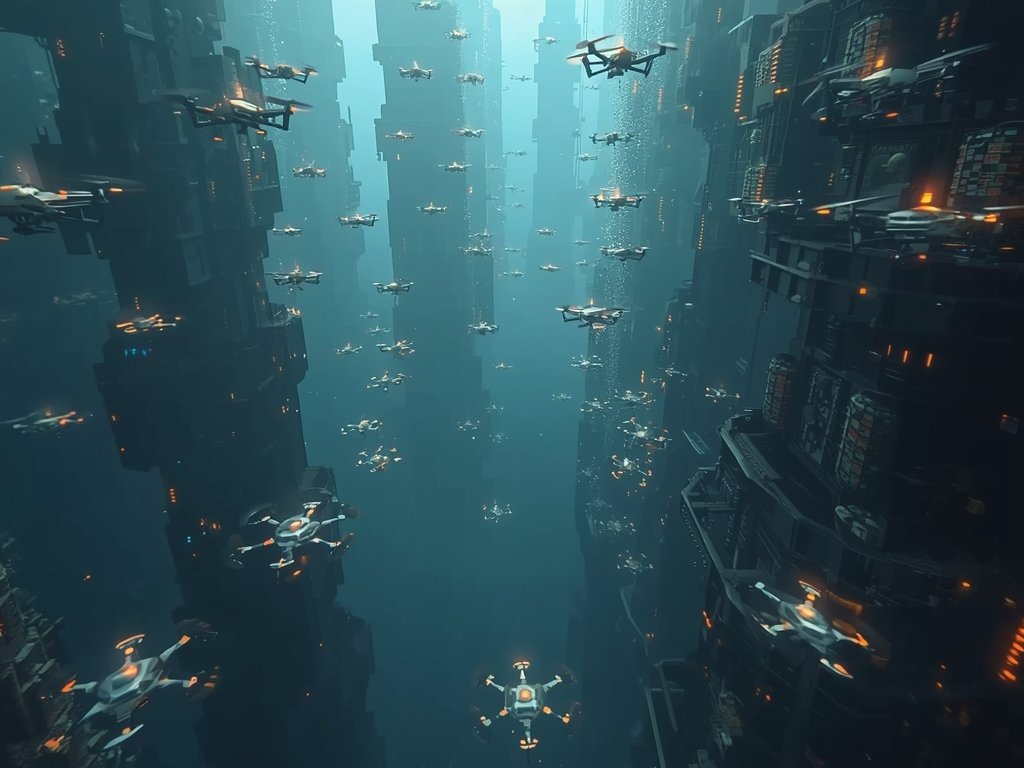
As technology continues to advance, the future of underwater exploration looks brighter than ever. We can expect to see even more sophisticated drones with improved capabilities, such as longer dive times, greater depth ratings, and enhanced artificial intelligence for autonomous operations.
The development of smaller, more agile drones will allow for exploration in tight spaces and complex environments, such as underwater caves and coral reefs. Additionally, advancements in materials science will lead to more durable and efficient designs, further expanding the possibilities for discovery.
A Global Effort to Uncover the Past
The United States is not alone in its pursuit of underwater treasures. Countries around the world are investing in underwater drone technology, leading to a global effort to uncover the ocean’s secrets. International collaborations are becoming more common, as researchers and explorers share resources and expertise to tackle the vastness of the ocean.
From the ancient trade routes of the Mediterranean to the mysterious depths of the Pacific, underwater drones are our ambassadors to the deep, helping us connect with our shared maritime heritage and the wonders that lie beneath the waves.
FAQ
How deep can underwater drones go?
Modern underwater drones are capable of reaching impressive depths, with some models rated for dives of up to 6,000 meters (20,000 feet) or more. These deep-diving drones are designed to withstand extreme pressures, allowing them to explore the ocean’s deepest trenches and abyssal plains.
Can underwater drones be used for more than just shipwrecks?
Absolutely! While shipwreck exploration is a popular application, underwater drones have a wide range of uses. They are employed in marine biology research, oceanography, underwater construction, and even search and rescue operations. Their versatility makes them invaluable tools for various industries and scientific disciplines.
What are the challenges of operating underwater drones?
Operating underwater drones presents unique challenges, including limited communication and control due to water’s effect on radio waves. Pilots must rely on tethered cables or acoustic modems for communication, which can be affected by distance and water conditions. Additionally, strong currents and poor visibility can make navigation difficult, requiring skilled operators and advanced technology.
How are underwater drones helping marine conservation?
Underwater drones play a crucial role in marine conservation efforts by providing a non-invasive way to study and monitor marine ecosystems. They can capture detailed footage of coral reefs, marine life, and underwater habitats, helping scientists assess the health of these environments. This data is essential for conservation planning, habitat restoration, and raising awareness about the importance of ocean protection.
What are some notable shipwreck discoveries made with underwater drones?
Underwater drones have been instrumental in numerous significant shipwreck discoveries. One notable example is the location of the USS Indianapolis, a World War II cruiser, in 2017. This ship, famous for its role in delivering components of the atomic bomb, was sunk by a Japanese submarine in 1945. The use of underwater drones helped pinpoint the wreck’s location, providing closure for the families of the crew and valuable historical insights.
Join Our Pilot Community
Connect with fellow drone enthusiasts, share your aerial shots, and get access to free PDF ebook guides.