
The Sky’s New Peeping Tom: When Drones Cross the Line

Drones have become a common sight in American skies, from hobbyists capturing breathtaking landscapes to professionals surveying construction sites. But what happens when that buzzing device hovering above your backyard fence feels a little too close for comfort? As drone technology becomes more accessible, concerns about privacy and surveillance are taking center stage in neighborhoods across the country.
In a nation that values personal freedom and the right to privacy, the idea of an unseen eye monitoring your property can be unsettling. While most drone operators are responsible and respectful, a few bad apples can spoil the bunch, leaving you wondering: is your neighbor using their drone to spy on you?
Uninvited Guests: Understanding Drone Surveillance Laws
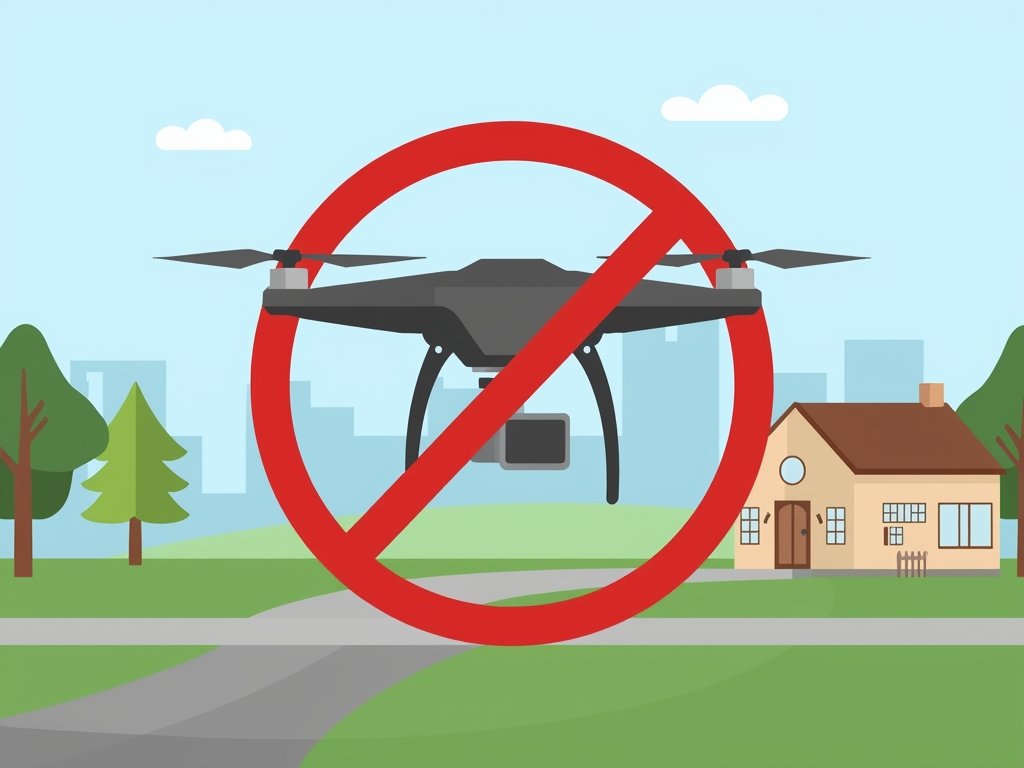
Before we dive into the signs of drone spying, let’s clear the air about what’s legal and what’s not. In the United States, drone regulations are a patchwork of federal, state, and local laws. The Federal Aviation Administration (FAA) sets the baseline rules for drone operation, but individual states and municipalities can add their own restrictions.
Generally, drones are prohibited from flying over private property without the owner’s consent. However, the specifics can get murky. For instance, if a drone is flying in public airspace (above 400 feet) and happens to capture your property in passing, it may not be considered trespassing. But if it’s hovering at a lower altitude, loitering, or clearly focusing on your home, you may have a case for invasion of privacy.
Know Your Rights: Key Legal Considerations
- State-Specific Laws: Some states, like California and Florida, have enacted strict anti-drone surveillance laws, while others have more lenient regulations.
- Expectation of Privacy: Courts often consider whether you had a reasonable expectation of privacy in the area being monitored. Fenced backyards typically offer more protection than front lawns visible from the street.
- Intent Matters: Proving that a drone operator intended to spy on you can be challenging but is crucial for legal action.
Buzzing Too Close? 5 Telltale Signs of Drone Spying

Now that we’ve covered the legal landscape, let’s get to the heart of the matter: how can you tell if a drone is watching your property? While there’s no foolproof method, certain behaviors and patterns can raise red flags. Here are five signs that your aerial visitor might have ulterior motives:
1. Persistent Hovering: When Curiosity Becomes Creepy
Drones engaged in legitimate activities, like photography or inspections, typically follow a clear flight path. If a drone seems to be lingering over your property for extended periods, especially at odd hours, it’s cause for concern. Persistent hovering, particularly near windows or private areas, suggests a deliberate attempt to observe your activities.
2. Unusual Flight Patterns: Mapping Your Movements
Pay attention to the drone’s flight path. Is it systematically scanning your property, moving in a grid-like pattern, or focusing on specific areas like entrances and windows? These behaviors could indicate an attempt to map your home’s layout or monitor your daily routines. Legitimate drone use rarely requires such detailed surveillance.
3. Nighttime Visits: The Cover of Darkness
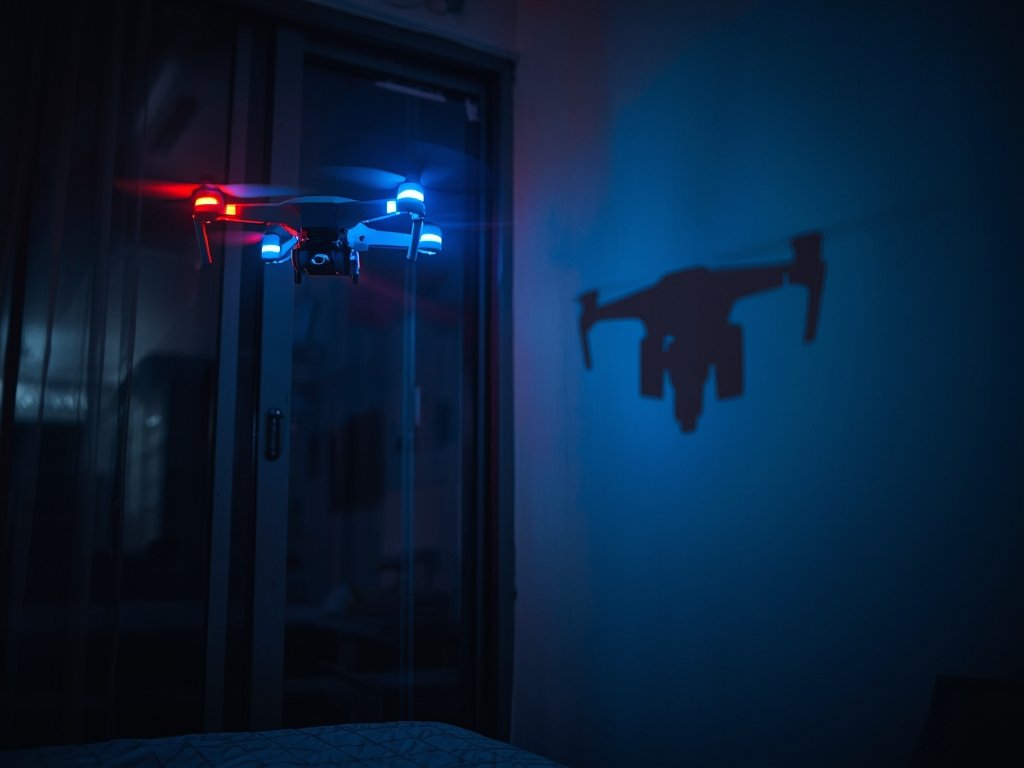
While not all nighttime drone flights are suspicious, they can be a red flag, especially if they occur regularly. Drones equipped with infrared or night-vision cameras can operate effectively in the dark, making them ideal tools for covert surveillance. If you notice a drone buzzing around your property after sunset, it’s worth investigating further.
4. Camera Pointed Directly at Your Property
Most drones have visible cameras, often mounted on gimbals that allow for precise positioning. If you can see the drone’s camera, take note of its orientation. A camera consistently pointed directly at your property, rather than the surrounding area, is a strong indicator of targeted surveillance. This is especially concerning if the drone is operated by someone you know or suspect.
5. Repeated Appearances by the Same Drone
Drones, like cars, often have distinctive features that make them recognizable. If you notice the same drone appearing over your property repeatedly, it’s time to take action. Keep a record of the drone’s appearance, flight times, and behavior. This information can be invaluable if you need to report the activity to authorities or confront the operator.
From Backyards to Courtrooms: Real-Life Drone Spying Cases

Drone spying is not just a theoretical concern; it’s a reality that has already led to legal battles across the country. These cases highlight the complexities of drone privacy laws and the challenges of proving surveillance.
The Case of the Nosy Neighbor: A Texas Showdown
In 2019, a Texas couple sued their neighbor, alleging that he used a drone to spy on them and their young children. The plaintiffs claimed that the drone flew over their backyard pool area, where they had a reasonable expectation of privacy. The case settled out of court, but it set a precedent for drone-related privacy disputes in the state.
California’s Landmark Drone Privacy Law
California has been at the forefront of drone privacy legislation, enacting a law that prohibits drones from recording individuals without their consent in areas where they have a reasonable expectation of privacy. This law has been tested in court, with mixed results, but it remains a crucial tool for protecting residents from aerial surveillance.
Lessons Learned: What These Cases Teach Us
- Documentation is Key: In every successful case, detailed records of drone activity played a crucial role in proving surveillance.
- Local Laws Matter: The outcome of drone privacy cases often hinges on state-specific legislation, underscoring the importance of knowing your local laws.
- Prevention is Better than Cure: Many disputes could be avoided if drone operators respected privacy boundaries and neighbors communicated openly about concerns.
Protecting Your Privacy: Practical Steps to Deter Drone Spying
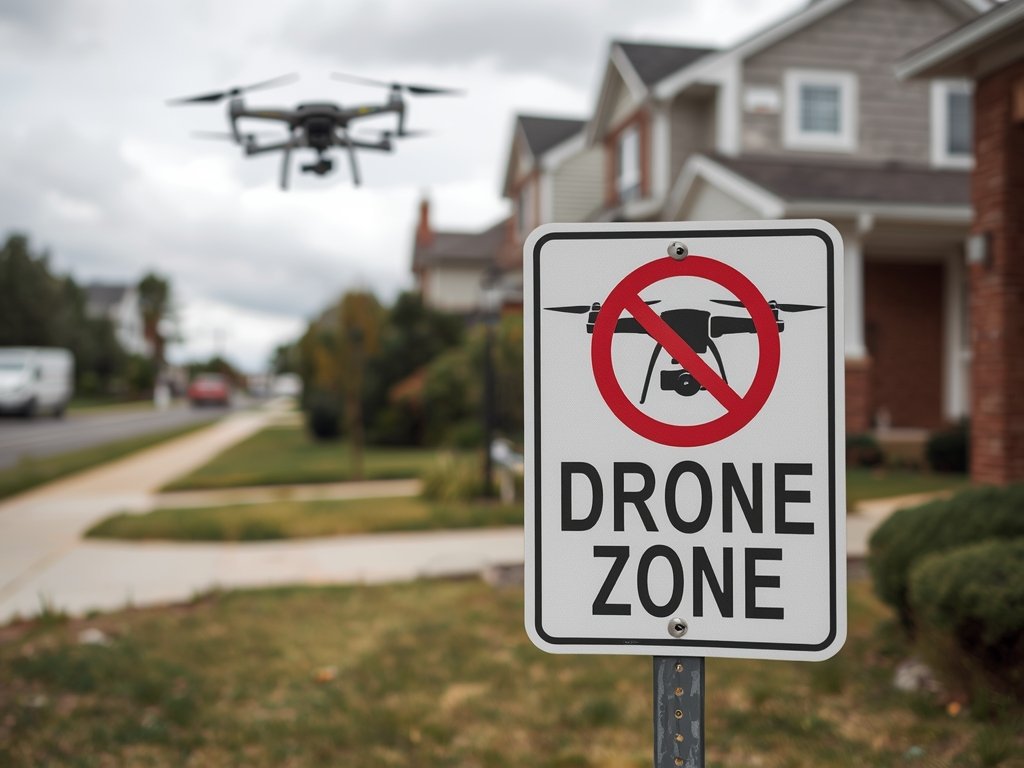
If you suspect a drone is watching your property, you’re not powerless. There are several steps you can take to protect your privacy and deter unwanted surveillance. From legal actions to practical solutions, here’s how to take a stand against drone spying:
1. Document and Report: Building Your Case
Start by keeping a detailed log of drone sightings, including dates, times, duration, and behavior. If possible, take photos or videos of the drone. This evidence can be crucial if you need to report the activity to local law enforcement or file a complaint with the FAA. Many states also have specific agencies or hotlines for reporting privacy violations.
2. Confront the Operator: A Direct Approach
If you know or suspect who’s operating the drone, consider approaching them directly. Calmly express your concerns about privacy and ask them to stop flying over your property. Sometimes, a friendly conversation can resolve the issue without escalating to legal action. However, always prioritize your safety and avoid confrontational situations.
3. Install Privacy Barriers: Physical Solutions
For a more permanent solution, consider installing physical barriers that obstruct the view of drones. Tall fences, privacy screens, and strategically placed trees or shrubs can make it harder for drones to observe your property. While this won’t stop all surveillance, it can significantly reduce the risk.
4. Use Anti-Drone Technology: High-Tech Protection
For those willing to invest in advanced solutions, anti-drone technology is becoming increasingly accessible. Drone detection systems can alert you to nearby UAVs, while jamming devices (where legal) can disrupt their signals. However, be aware of the legal implications of using such technology, as it may be regulated or prohibited in your area.
Finding Common Ground: Balancing Innovation and Privacy

As drones become an integral part of American life, finding a balance between innovation and privacy is essential. While the technology offers countless benefits, from emergency response to environmental monitoring, it also presents unique challenges to our personal freedoms.
Community Engagement: A Path Forward
One of the most effective ways to address drone privacy concerns is through community engagement. Neighborhood associations and local governments can play a pivotal role in establishing guidelines for responsible drone use. By fostering dialogue between drone enthusiasts and concerned residents, we can create a culture of respect and accountability.
Education and Awareness: Empowering the Public
Many drone-related privacy issues stem from a lack of awareness about the technology’s capabilities and limitations. Educating the public about drone laws, etiquette, and privacy best practices can go a long way in preventing conflicts. Schools, community centers, and online platforms can all contribute to this effort.
Advocating for Clearer Laws: A Call to Action
Ultimately, addressing drone spying requires clearer and more consistent legislation. By advocating for comprehensive drone privacy laws at the state and federal levels, we can ensure that this powerful technology is used responsibly. Contacting your local representatives and supporting privacy advocacy groups are tangible ways to make your voice heard.
FAQ: Your Drone Privacy Questions Answered
Can I Shoot Down a Drone Flying Over My Property?
No, shooting down a drone is illegal and dangerous. It can lead to criminal charges and put people and property at risk. Instead, focus on legal avenues like reporting the activity to authorities.
What Should I Do if I Spot a Drone at Night?
Document the sighting with notes or recordings, if possible. Nighttime drone flights are not always suspicious, but repeated appearances warrant further investigation. Report persistent or concerning behavior to local law enforcement.
Are There Apps to Detect Drones Near Me?
Yes, several apps claim to detect nearby drones using acoustic sensors or radio frequency scanners. While these can be useful tools, their effectiveness varies, and they may not work with all drone models.
How Can I Prove a Drone Was Spying on Me?
Proving drone spying requires strong evidence, such as detailed logs of sightings, photos or videos of the drone, and witness statements. If possible, capture footage showing the drone’s camera pointed directly at your property or engaging in suspicious behavior.
What Are My Rights if a Drone Crashes on My Property?
If a drone crashes on your property, you have the right to detain the operator (if present) and contact law enforcement. You may also be entitled to compensation for any damage caused. However, do not handle or keep the drone without legal advice, as this could lead to complications.
Join Our Pilot Community
Connect with fellow drone enthusiasts, share your aerial shots, and get access to free PDF ebook guides.