
The Need for Speed: FPV Drone Racing 101
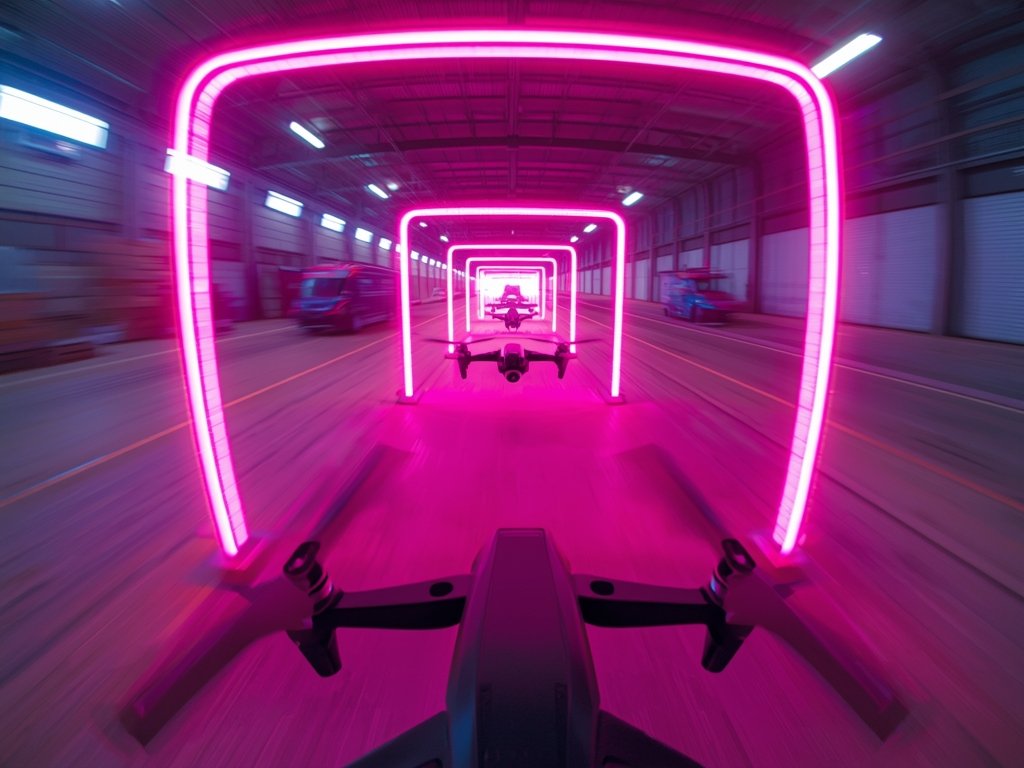
Imagine strapping on a pair of goggles and experiencing the thrill of flying at breakneck speeds, weaving through obstacles, and battling it out with fellow pilots. That’s FPV drone racing—a sport that’s taken the U.S. by storm, blending adrenaline, tech, and community like nothing else.
Born in the early 2010s, FPV (First-Person View) drone racing has evolved from backyard hobby to a full-fledged competitive scene. Today, it’s a cultural phenomenon, with events like the Drone Racing League (DRL) airing on ESPN and local meetups popping up from Brooklyn to Burbank.
Gear Up: Building Your Racing Arsenal
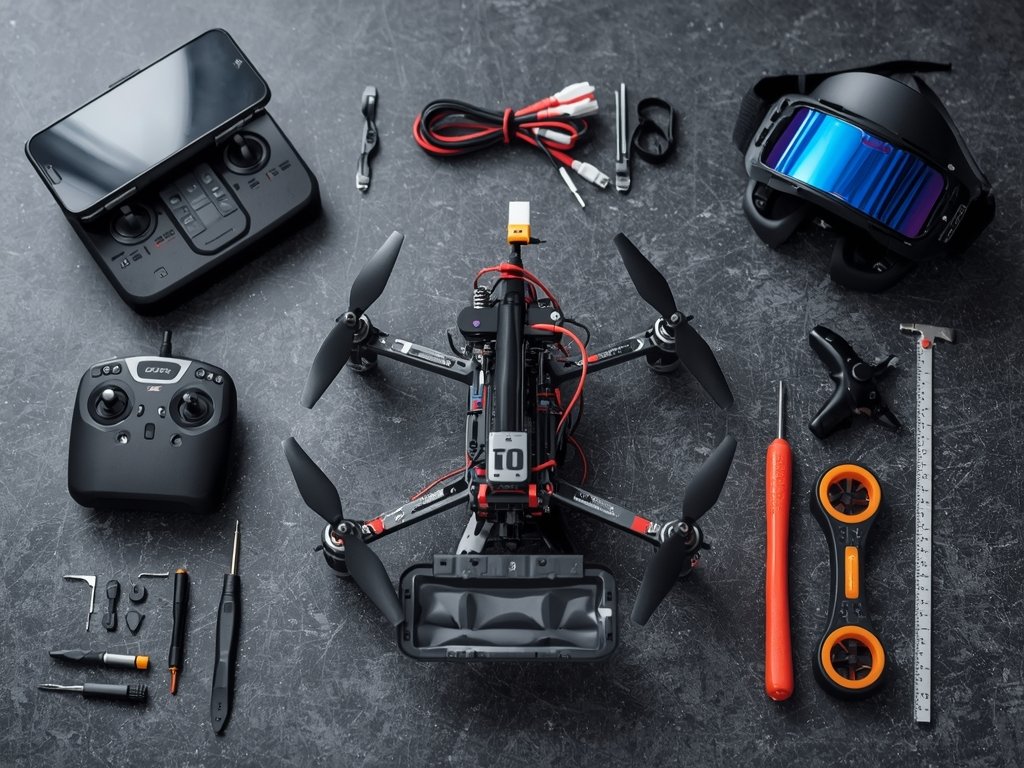
Before you hit the skies, you’ll need the right gear. Think of it as your racing arsenal—each piece tailored to maximize speed, control, and performance.
The Heart of the Beast: The Racing Drone
Your drone is your steed. For racing, you’ll want a lightweight, durable quadcopter with brushless motors and a flight controller optimized for agility. Brands like TBS, iFlight, and Diatone are pilot favorites.
Your Window to the Sky: FPV Goggles
FPV goggles are your portal to the cockpit. Look for models with low latency, high resolution, and a comfortable fit. Fat Shark and DJI dominate this space, but newer brands like Skyzone are worth checking out.
Command Central: The Radio Transmitter
Your transmitter is how you communicate with your drone. Go for one with ergonomic grips, customizable switches, and a reliable signal. FrSky and Spektrum are industry standards.
From Backyards to Big Leagues: Where to Race

Whether you’re a weekend warrior or aspiring pro, there’s a racing scene for you. From DIY tracks in your local park to high-stakes competitions, the U.S. is a hotspot for FPV action.
Local Meetups: Start Here
Join Facebook groups or forums like RotorDrone to find local pilots. Many cities, from Austin to Seattle, have weekly meetups where beginners can learn the ropes and veterans can test new builds.
Regional and National Competitions
Ready to step up? Events like the MultiGP Championship and DRL races offer cash prizes, sponsorships, and the chance to fly against the best. Pro tip: Start with smaller events to build your skills and confidence.
DIY Tracks: Build Your Own Battlefield
Got a backyard or access to a warehouse? Build your own track using PVC pipes, flags, and a little creativity. It’s a great way to practice and host your own races with friends.
Mastering the Craft: Tips for New Pilots
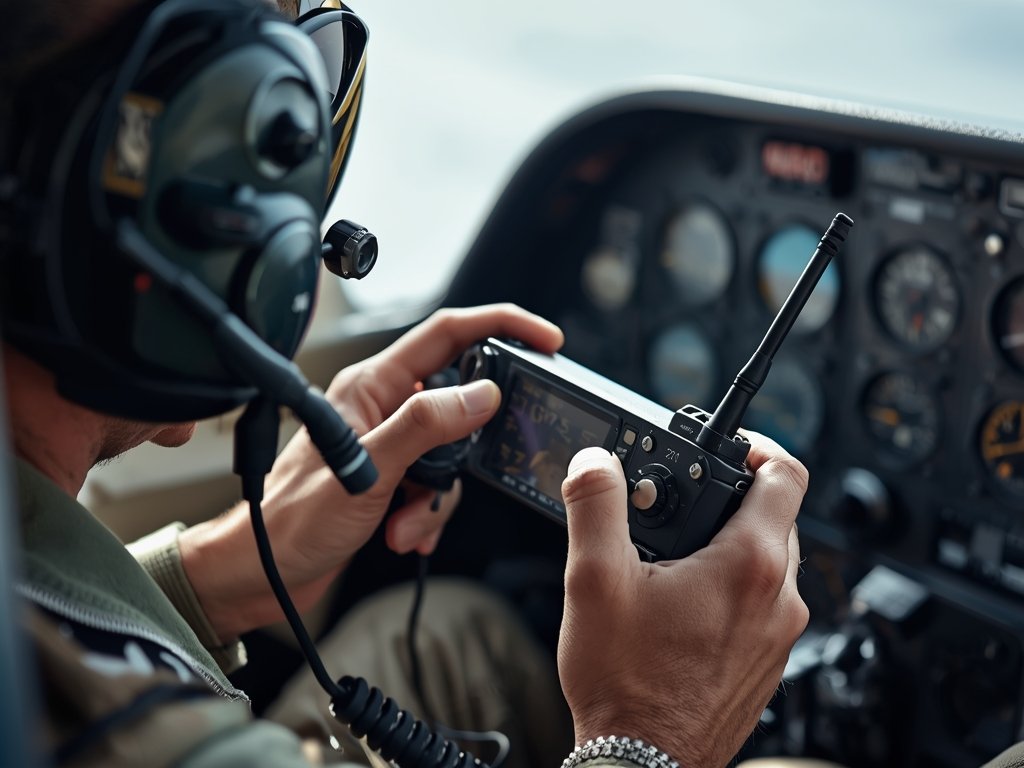
FPV drone racing isn’t just about speed—it’s about precision, strategy, and practice. Here’s how to level up your game and avoid common rookie mistakes.
Start Slow, Finish Fast
Don’t rush into high-speed flights. Begin with basic maneuvers in open spaces to get a feel for your drone’s handling. Apps like Velocidrone can help you practice in a virtual environment.
Learn the Lines: Race Strategy
Every track has an optimal racing line. Study the course, identify the fastest path, and practice hitting each gate with precision. Small adjustments can shave seconds off your time.
Crash and Learn: It’s Part of the Game
Crashes are inevitable, but they’re also learning opportunities. Invest in durable parts and keep a repair kit handy. Over time, you’ll develop a sixth sense for avoiding obstacles.
The Community: More Than Just a Sport
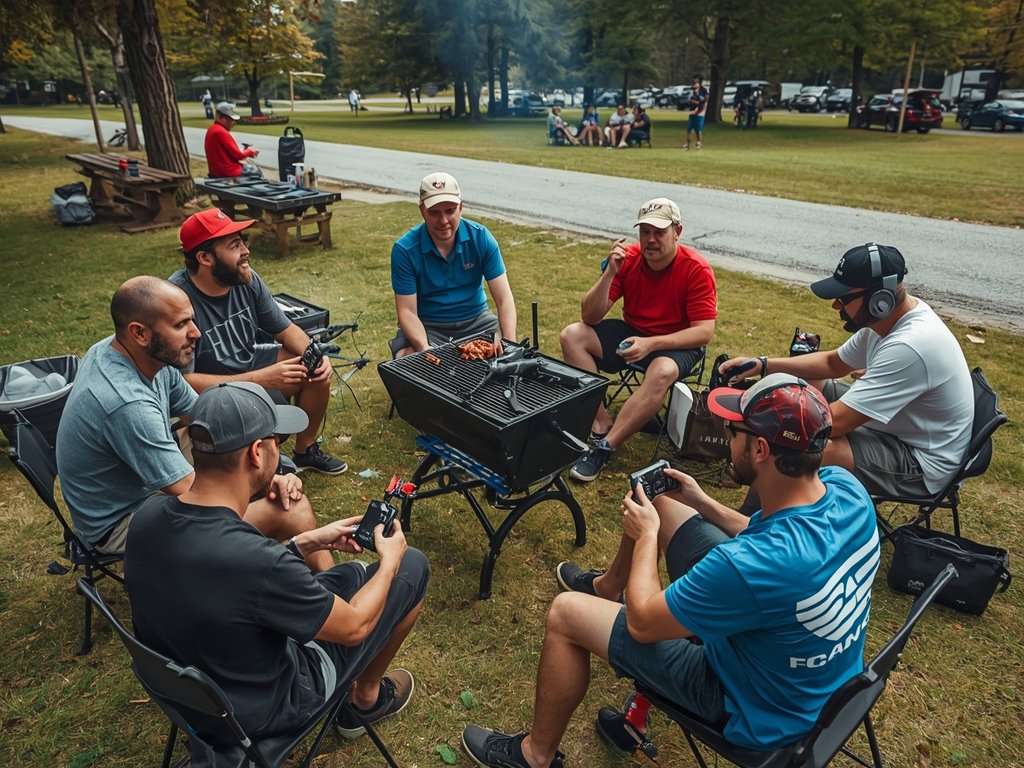
What sets FPV drone racing apart isn’t just the tech—it’s the people. The community is a tight-knit family of enthusiasts who share tips, celebrate wins, and support each other through crashes.
Online Hubs: Connect and Grow
Forums like Drone Racing League’s Discord and Reddit’s r/Multicopter are goldmines for advice, build guides, and event updates. Don’t be shy—ask questions and share your progress.
Local Chapters: Find Your Tribe
Join a local MultiGP chapter or racing club. These groups often host workshops, races, and social events. It’s a great way to make friends and stay motivated.
Give Back: Pay It Forward
Once you’ve gained experience, consider mentoring newcomers. Teaching others not only strengthens the community but also sharpens your own skills.
FAQ: Your Burning Questions Answered
How much does it cost to get into FPV drone racing?
Beginner setups start around $300–$500, including a drone, goggles, and transmitter. Costs can rise as you upgrade to pro-level gear.
Do I need any special licenses to race drones in the U.S.?
For recreational racing, no license is required. However, if you’re flying in public spaces or near airports, follow FAA guidelines and register your drone if it weighs over 0.55 lbs.
What’s the best way to learn FPV drone racing?
Start with simulator training, then practice in open areas. Join local meetups and seek advice from experienced pilots to accelerate your learning curve.
Can I make money from FPV drone racing?
Yes! Top pilots earn through sponsorships, prize money, and content creation. Building a following on platforms like YouTube or Twitch can also generate income.
Join Our Pilot Community
Connect with fellow drone enthusiasts, share your aerial shots, and get access to free PDF ebook guides.