
The Ultimate FPV Drone Setup Guide for Beginners
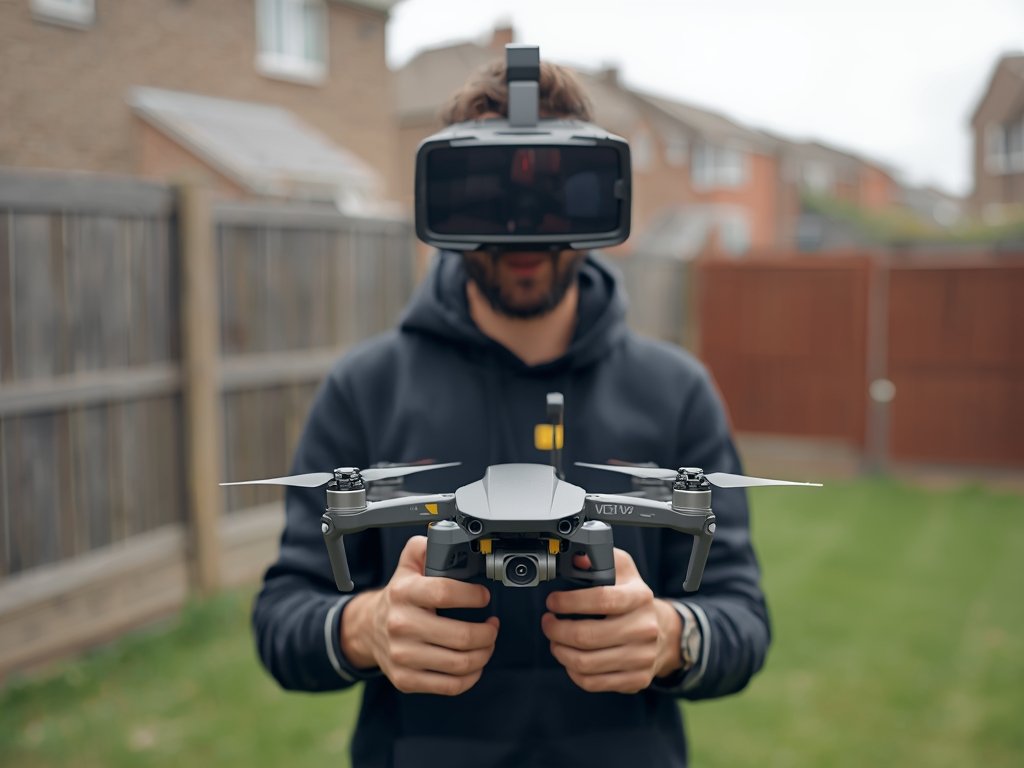
Ready to dive into the thrilling world of FPV drone racing? Whether you’re inspired by the adrenaline-pumping scenes from Top Gun: Maverick or just love the idea of flying like a bird, this guide will walk you through everything you need to get started. From choosing the right gear to mastering your first flight, we’ve got you covered.
Why FPV Drone Racing is Taking the U.S. by Storm
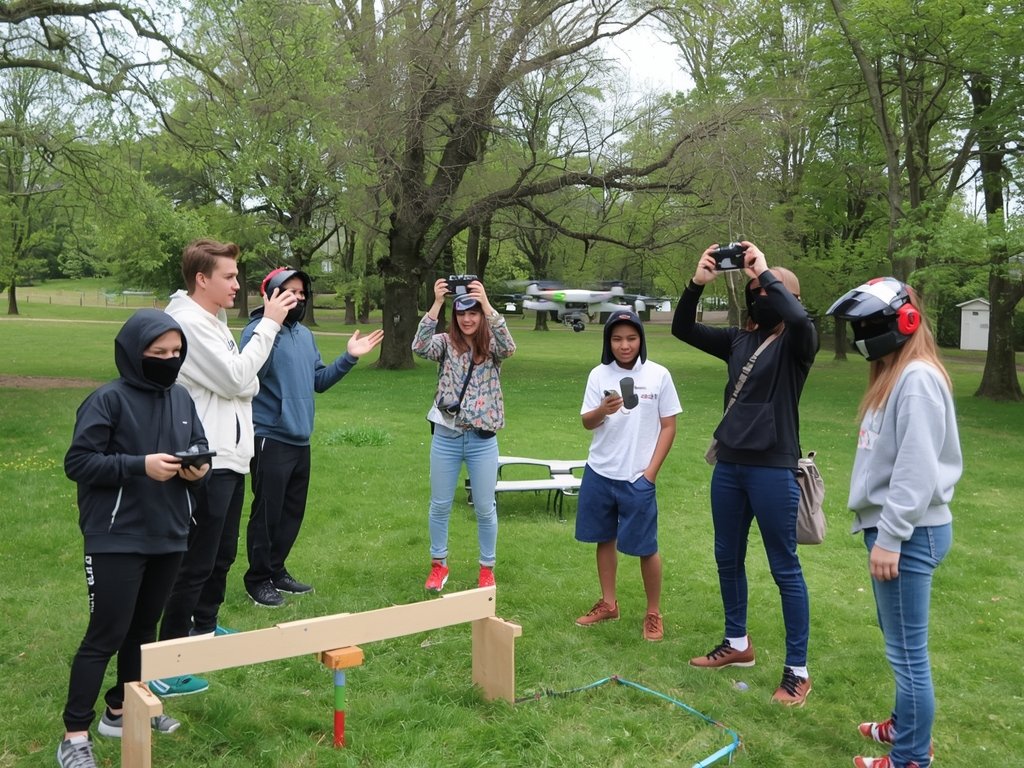
FPV drone racing isn’t just a hobby—it’s a cultural phenomenon. Across the U.S., from the tech hubs of Silicon Valley to the open skies of Texas, enthusiasts are flocking to this fast-paced sport. It’s like combining the precision of gaming with the thrill of real-world racing. Plus, with events like the Drone Racing League gaining national attention, there’s never been a better time to join the community.
Essential Gear for Your FPV Drone Setup
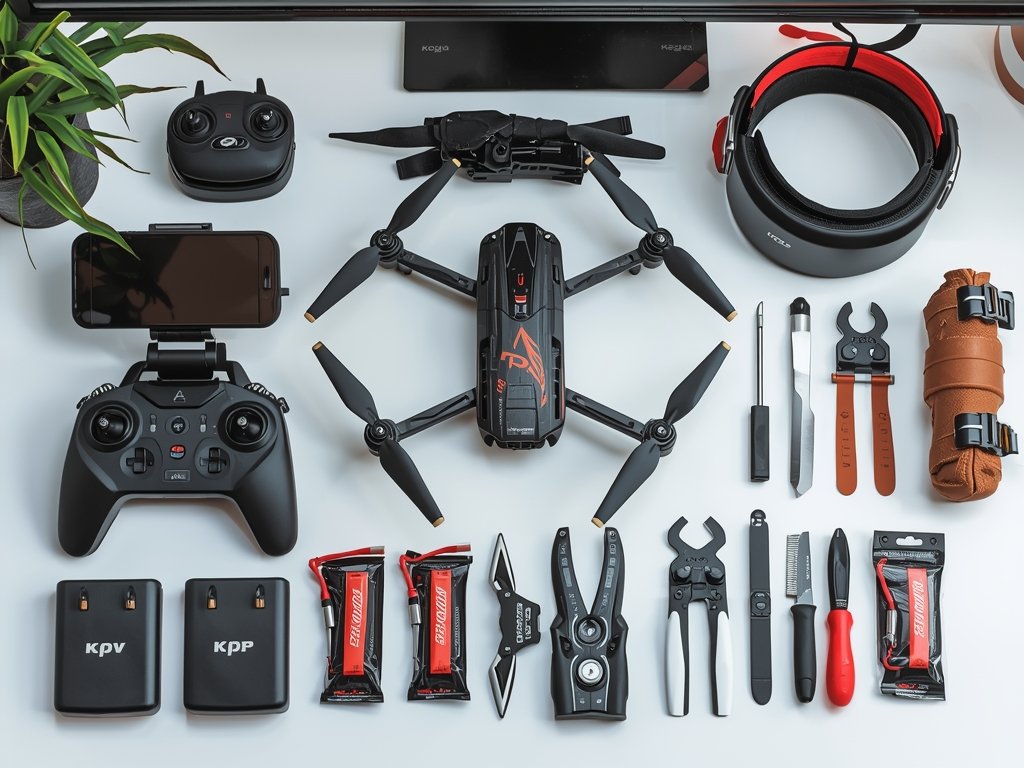
Before you take to the skies, you’ll need the right equipment. Here’s a breakdown of the essentials:
1. FPV Drone
For beginners, a ready-to-fly (RTF) drone like the BetaFPV Cetus Pro is a great starting point. It’s durable, easy to repair, and comes with everything you need to get flying quickly.
2. FPV Goggles
Your window to the drone’s perspective. Look for goggles with a high refresh rate and adjustable diopter settings, like the Fat Shark Scout.
3. Remote Controller
The FrSky Taranis X9 Lite is a popular choice for its ergonomic design and customizable buttons. It’s compatible with most FPV drones and offers a smooth learning curve.
4. Batteries and Charger
Invest in high-quality LiPo batteries and a balance charger to keep your drone powered up. Safety first—always follow charging guidelines to avoid accidents.
Setting Up Your FPV Drone: Step-by-Step
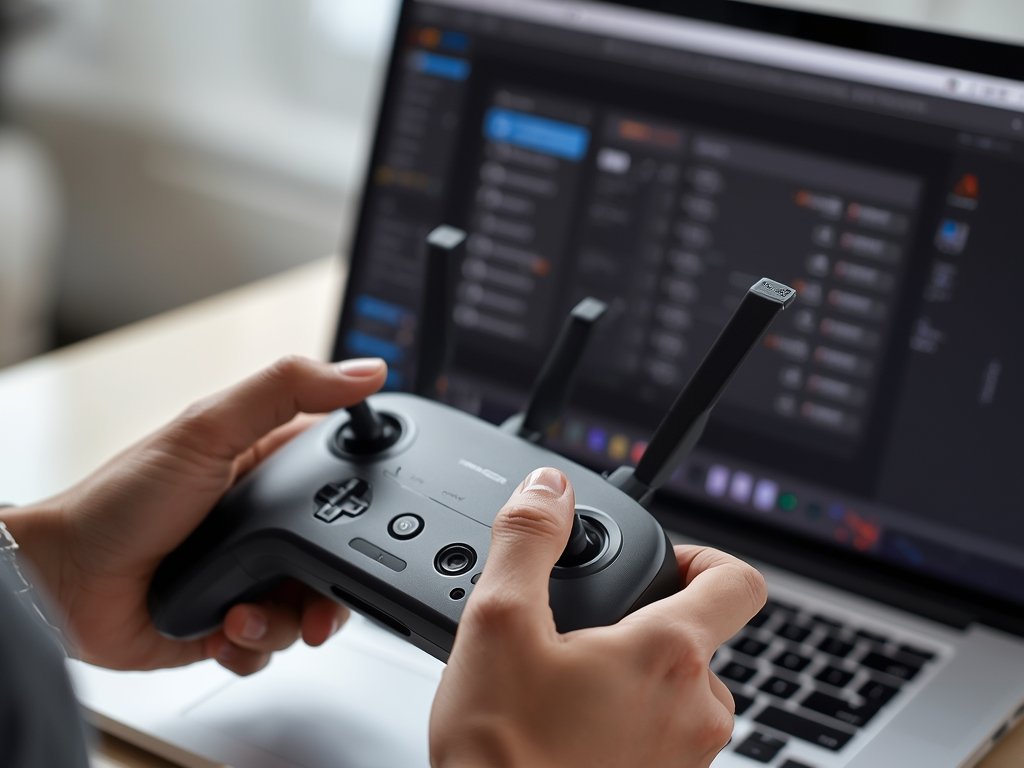
Once you’ve gathered your gear, it’s time to get everything set up. Here’s how:
1. Bind Your Remote to the Drone
Follow the manufacturer’s instructions to pair your remote controller with the drone. This usually involves putting both devices into binding mode and waiting for a connection.
2. Configure Betaflight
Download Betaflight, the go-to software for tuning FPV drones. Connect your drone to your computer and adjust settings like PID values and motor directions to optimize performance.
3. Test Your Setup
Before your first flight, perform a range check to ensure your remote and drone communicate effectively. Also, do a propeller spin test to verify that everything is working as expected.
Mastering Your First Flight: Tips and Tricks
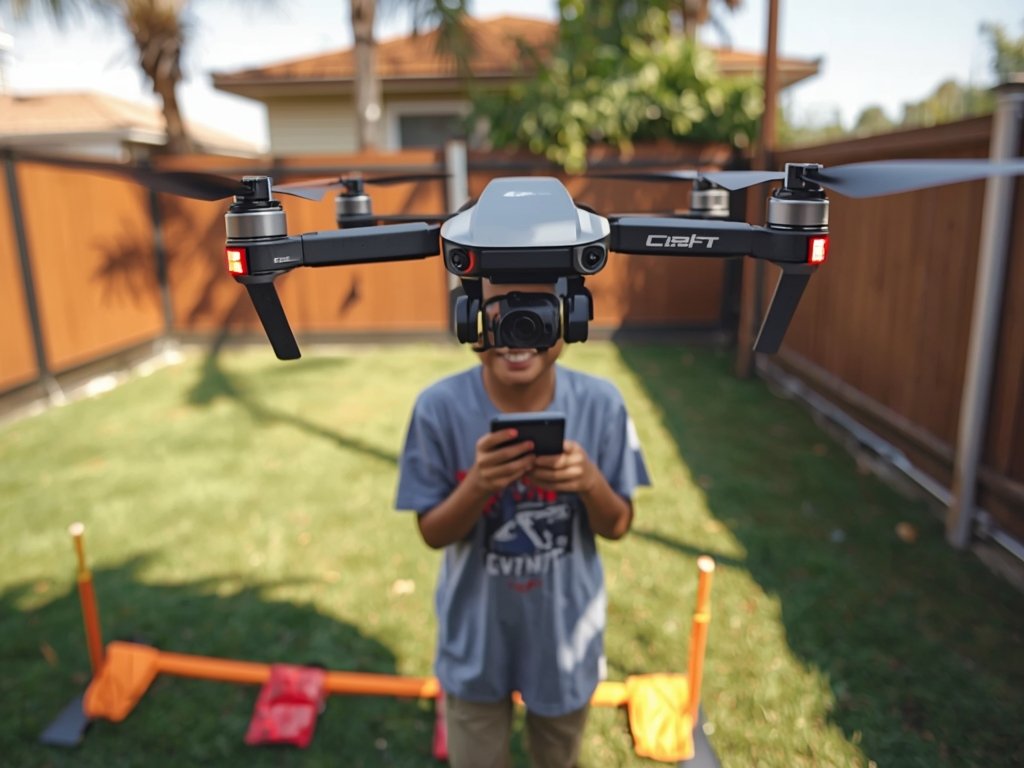
Your first flight can be both exciting and nerve-wracking. Here’s how to make it a success:
1. Start in an Open Space
Choose a wide, obstacle-free area like a park or an empty parking lot. Avoid crowded places or areas with power lines.
2. Practice Hovering
Before attempting tricks, focus on maintaining a stable hover. This will help you get a feel for the drone’s controls and responsiveness.
3. Fly in Short Bursts
Keep your initial flights short to conserve battery life and avoid overwhelming yourself. Gradually increase flight time as you gain confidence.
Joining the FPV Community in the U.S.
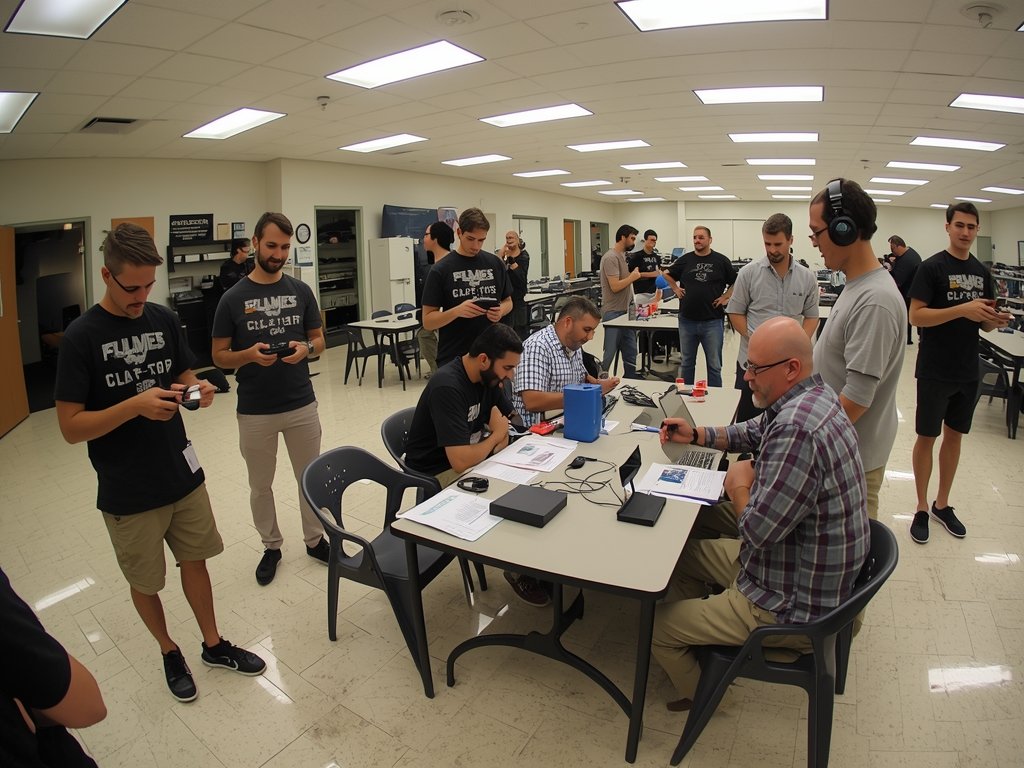
One of the best parts of FPV drone racing is the community. Here’s how to get involved:
1. Find Local Groups
Check platforms like Meetup or Facebook for FPV drone clubs in your area. Many cities have regular meetups where pilots gather to fly and share tips.
2. Attend Events
Keep an eye out for local races or MultiGP events. These are great opportunities to test your skills, meet fellow pilots, and learn from the pros.
3. Join Online Forums
Communities like FPV Know It All and Drone Racing League Forums are treasure troves of information. Ask questions, share your progress, and connect with pilots across the country.
FAQ: Common Questions About FPV Drone Setup
How much does it cost to start FPV drone racing?
Beginner setups typically range from $300 to $600, depending on the quality of gear. Ready-to-fly kits are the most cost-effective option for newcomers.
Do I need any special licenses to fly FPV drones in the U.S.?
For recreational flying, you’ll need to pass the TRUST test from the FAA. Commercial pilots must obtain a Part 107 certification.
What’s the best way to learn FPV drone racing?
Start with simulator software like Liftoff or Velocity Drone to practice in a risk-free environment. Once you’re comfortable, transition to real-world flying.
How long does it take to become proficient at FPV drone racing?
With consistent practice, most beginners can become proficient within 3 to 6 months. The key is patience and persistence.
Join Our Pilot Community
Connect with fellow drone enthusiasts, share your aerial shots, and get access to free PDF ebook guides.