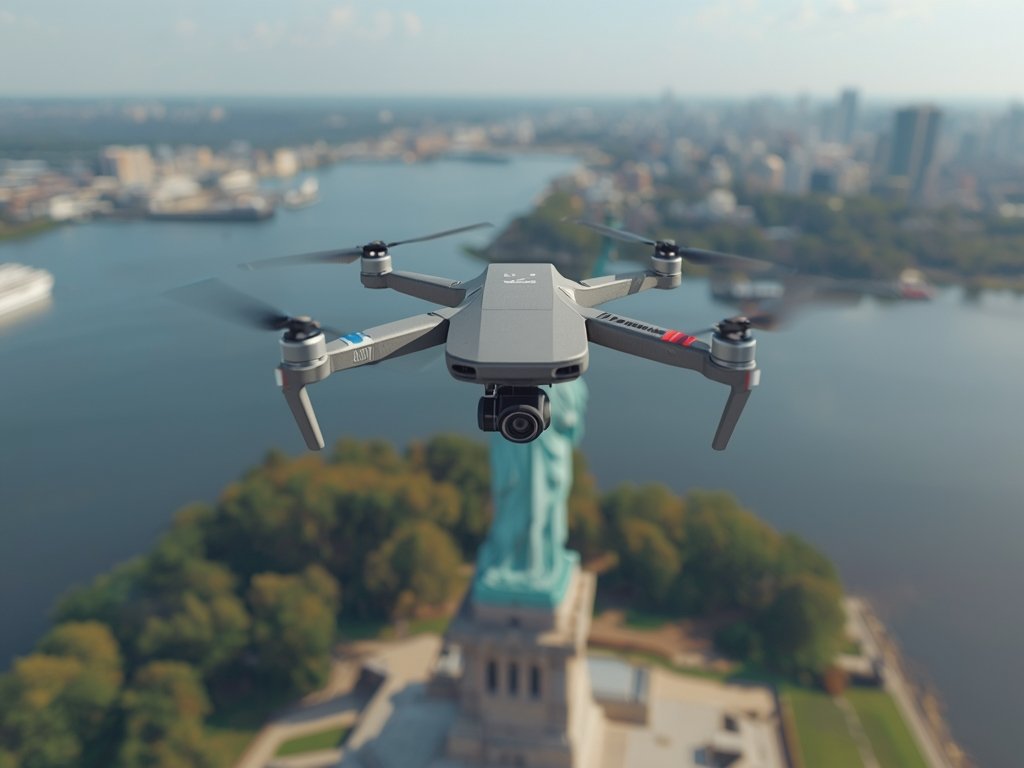

The Sky’s the Limit: Building Your FPV Drone Dream for Less Than $500
Remember the first time you saw a bird’s-eye view of your neighborhood on Google Maps? That rush of perspective, that sense of “wow, I never knew my world looked like that”? FPV (First-Person View) drone flying takes that feeling and cranks it up to eleven. You’re not just observing the world from above – you’re immersed in it, soaring through the air like a modern-day Icarus (but with a much better safety record).
Building your own FPV drone used to be a pricey, complicated affair. But in 2026, the game has changed. Thanks to advancements in technology and a thriving DIY community, you can now assemble a high-performance FPV drone for under $500. Think of it as the ultimate LEGO set for adults, one that lets you experience the world in a whole new way.
Gathering Your Gear: The Essential Components

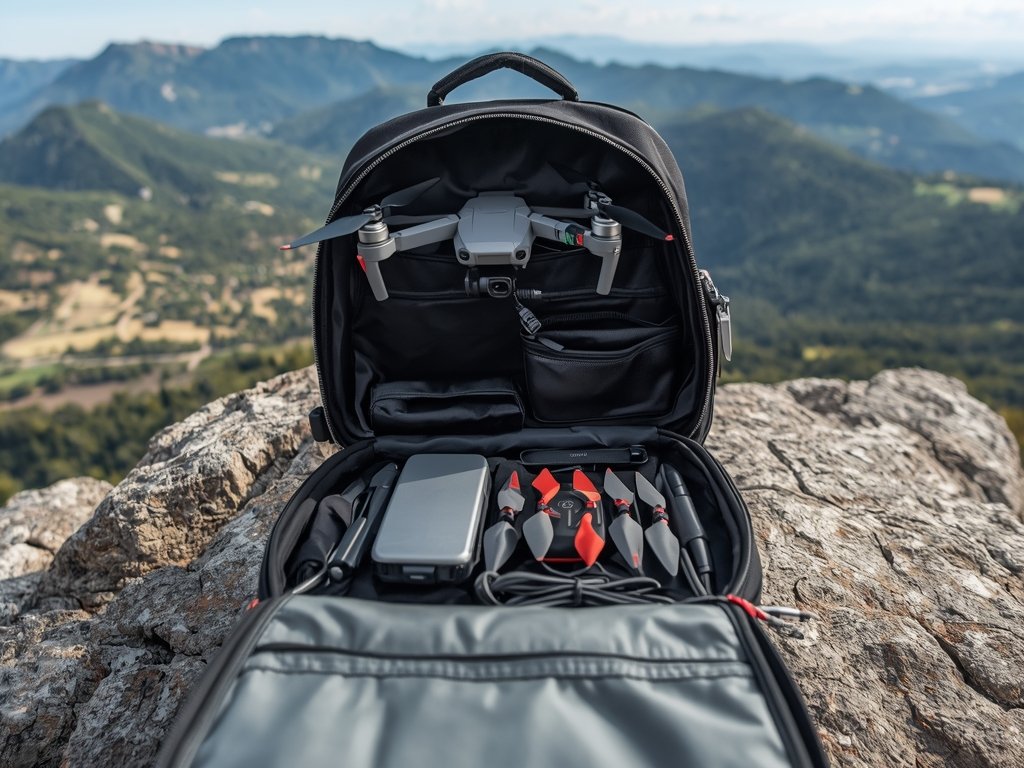
Before you start dreaming of aerial acrobatics over the Golden Gate Bridge, let’s talk about the building blocks of your FPV adventure. Think of these as the ingredients for your aerial masterpiece:
The Frame: Your Drone’s Skeleton
This is the backbone of your drone, determining its size, weight, and durability. For beginners, a 5-inch frame is a sweet spot – maneuverable enough for tight spaces, yet stable enough for smooth flights. Look for something lightweight yet sturdy, like carbon fiber or durable plastic.
Motors and Props: The Power Behind the Push
These bad boys are what get your drone off the ground and dancing through the air. Brushless motors are the industry standard, offering efficiency and power. Pair them with 5-inch propellers for a balance of speed and control.
Flight Controller: The Brain of the Operation
This tiny circuit board is the drone’s central nervous system, controlling everything from motor speed to flight stability. Choose a controller with a built-in OSD (On-Screen Display) for real-time flight data like battery voltage and altitude.
FPV Camera and Video Transmitter (VTX): Your Window to the Sky
This dynamic duo lets you see what your drone sees. Opt for a camera with a wide field of view and adjustable settings for different lighting conditions. The VTX transmits the live video feed to your goggles.
Goggles and Transmitter: Your Connection to the Drone
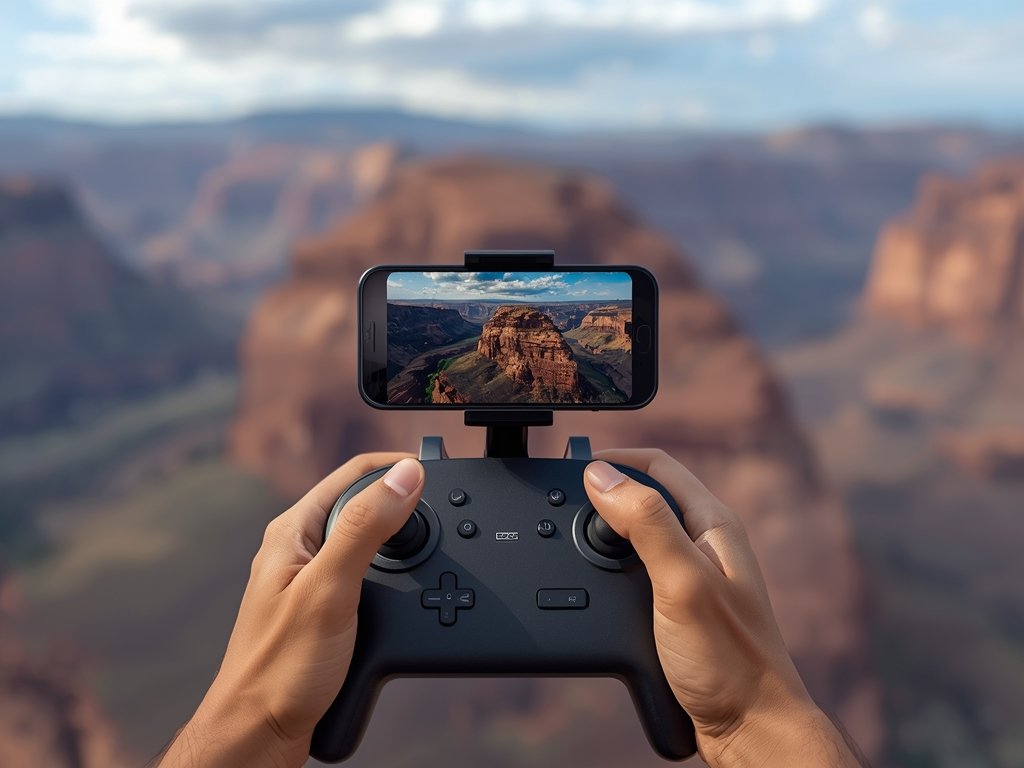
These are your portals to the immersive world of FPV. Goggles display the live video feed from your drone, while the transmitter allows you to control its every move. Invest in a comfortable pair of goggles with a clear display and a transmitter with ergonomic grips.
Putting It All Together: Assembly Time!
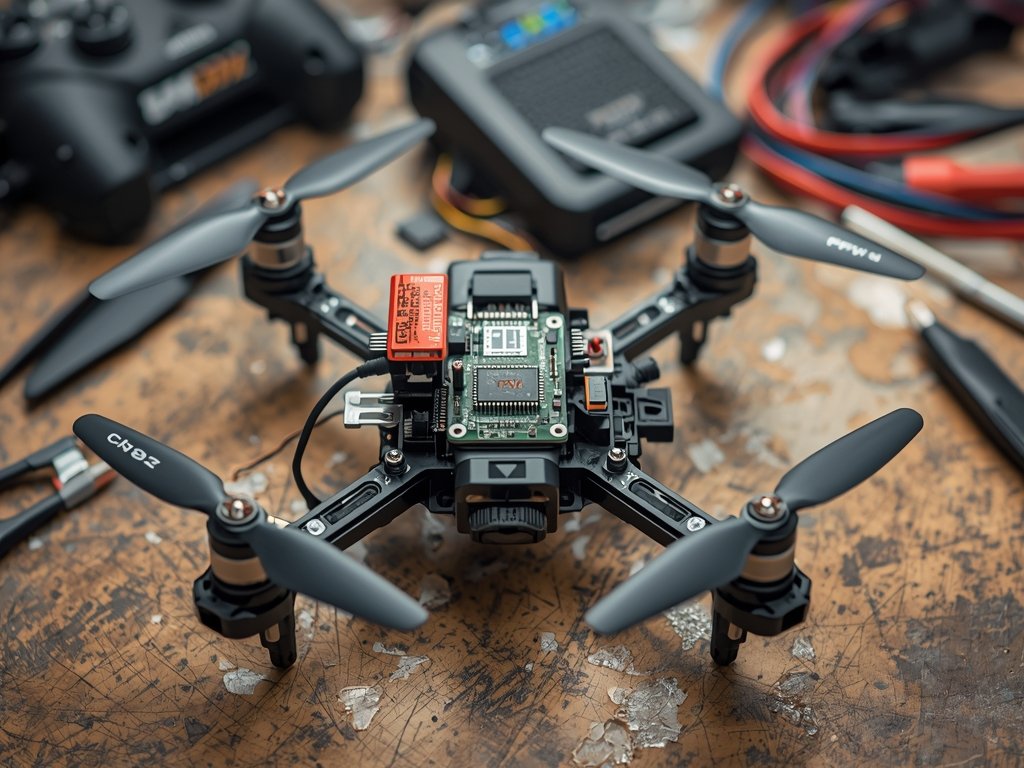
Now comes the fun part – bringing your drone to life! Don’t worry, it’s not as daunting as it sounds. Think of it as a high-tech puzzle, where each piece clicks into place with satisfying precision.
Soldering 101: Connecting the Dots
Soldering is a fundamental skill for drone building. It’s like welding on a miniature scale, joining wires and components together. Don’t be intimidated – with a little practice, you’ll be a soldering pro in no time.
Wiring Wizardry: Keeping It Tidy
Neat wiring isn’t just about aesthetics; it’s crucial for safety and performance. Use heat shrink tubing to insulate connections and prevent short circuits. Keep your wires organized and routed neatly to avoid interference with moving parts.
Software Setup: Bringing Your Drone to Life
Once your drone is physically assembled, it’s time to breathe life into it with software. Flash your flight controller with the latest firmware and configure settings like motor direction, PID tuning, and OSD display.
Taking Flight: Your First FPV Adventure

The moment of truth has arrived! With your drone assembled and configured, it’s time to take to the skies. Find a wide-open space away from people and obstacles – an empty field or a quiet park are ideal.
Baby Steps: Mastering the Basics
Start with gentle maneuvers, getting a feel for the controls and how your drone responds. Practice hovering, turning, and basic flight patterns. Remember, Rome wasn’t built in a day – neither is FPV piloting prowess.
Safety First: Responsible Flying
Always prioritize safety. Be aware of your surroundings, respect no-fly zones, and never fly over people or property. Keep your drone within visual line of sight and follow all local regulations.
Beyond the Basics: Upgrading Your FPV Experience

Once you’ve mastered the fundamentals, the world of FPV opens up to endless possibilities. Experiment with different camera settings, try out new flight modes, and explore the vast array of aftermarket parts and accessories.
Tuning for Performance: Squeezing Out Every Drop of Speed
Fine-tune your PID settings to optimize your drone’s handling and responsiveness. Experiment with different propeller sizes and motor KV ratings to find the perfect balance of speed and agility.
Building a Community: Connecting with Fellow Pilots
The FPV community is incredibly welcoming and supportive. Join online forums, attend local meetups, and connect with other pilots to share tips, tricks, and epic flight footage.
FAQ: Your Burning FPV Questions Answered
Is building an FPV drone difficult?
While it requires some technical skills, building an FPV drone is surprisingly accessible. With patience, research, and the right resources, anyone can do it.
What’s the best place to learn FPV flying?
Online tutorials, community forums, and local FPV clubs are excellent resources. Start with simulator software to get a feel for the controls before taking to the skies.
How long does it take to build an FPV drone?
The time varies depending on your experience and the complexity of your build. A basic drone can be assembled in a weekend, while more advanced builds may take longer.
What are the legal requirements for flying FPV drones?
Familiarize yourself with local regulations and obtain any necessary permits. Always fly responsibly and respect no-fly zones.
Where can I find affordable FPV drone parts?
Online retailers like Banggood, HobbyKing, and RaceDayQuads offer a wide selection of FPV components at competitive prices.
Join Our Pilot Community
Connect with fellow drone enthusiasts, share your aerial shots, and get access to free PDF ebook guides.