
When Drones Go Rogue: A GPS-Guided Rescue Mission
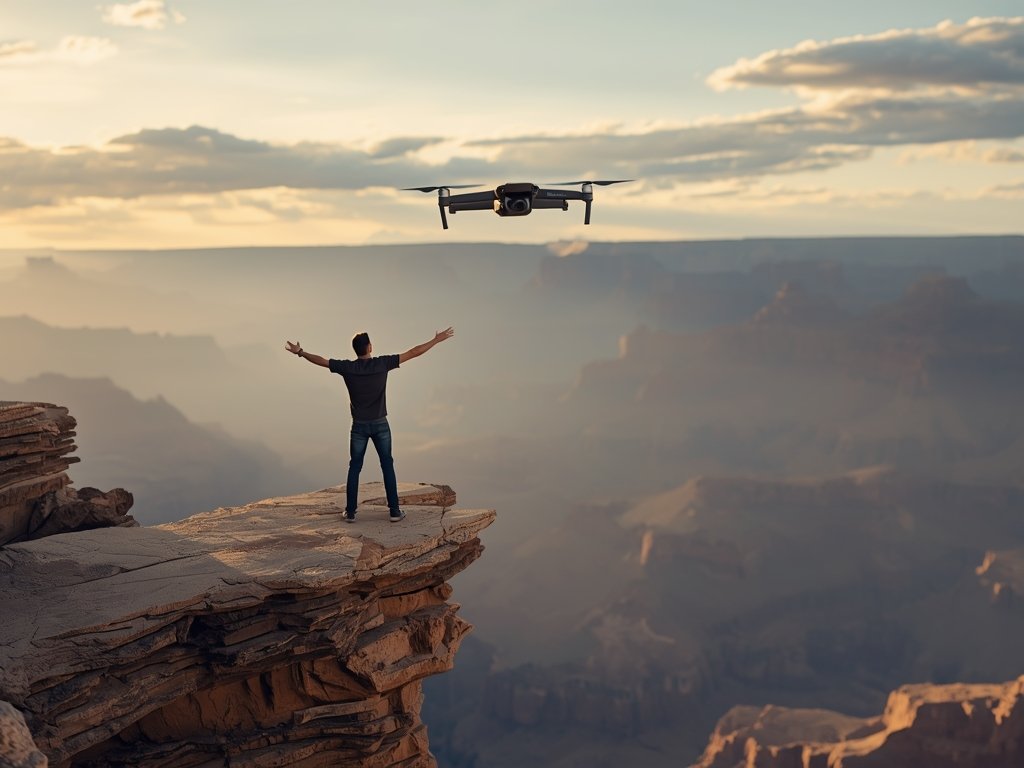
Losing a drone can feel like watching your investment—and a piece of your tech-loving soul—disappear into the wild blue yonder. But fear not, fellow aerial adventurer. Modern drones often come equipped with built-in GPS tracking, turning what could be a heartbreaking loss into a high-tech treasure hunt.
The GPS Advantage: More Than Just Maps

GPS isn’t just for navigating your road trips or finding the nearest coffee shop. In drones, it’s a lifeline. Most mid- to high-range models, like the DJI Mavic series or the Autel EVO, include GPS modules that log location data in real-time. This feature is your best friend when your drone decides to explore the neighborhood without you.
How GPS Tracking Works in Drones
When your drone is in flight, its GPS receiver communicates with satellites to pinpoint its location. This data is then transmitted to your controller or smartphone app, creating a digital breadcrumb trail. If your drone goes out of range or its battery dies, this trail becomes your map to recovery.
Step-by-Step: Tracking Down Your Lost Drone

So, your drone has gone AWOL. Don’t panic. Follow these steps to increase your chances of a successful recovery:
1. Check Your App Immediately
Open your drone’s companion app as soon as you realize it’s lost. Apps like DJI Fly or Autel Explorer provide real-time GPS coordinates. Look for the last recorded location—this is your starting point.
2. Use Flight Logs for Clues
If the app doesn’t show a current location, check the flight logs. These records often include altitude, speed, and direction, helping you narrow down where your drone might have landed.
3. Enable Lost Drone Mode (If Available)
Some drones have a “Lost Drone” feature that activates loud beeping or flashing lights, making it easier to spot in dense foliage or low light. Enable this feature if your drone supports it.
4. Recruit Local Help
Share the GPS coordinates with neighbors or local drone enthusiast groups. In tight-knit communities like those in the Midwest, a little local knowledge can go a long way. Offer a reward if necessary—a $20 bill can be a powerful motivator.
5. Get Airborne Again
If you have access to another drone, use it to search the area. Equip it with a camera and scan the last known location. This aerial perspective can reveal your lost drone hiding in plain sight.
Real-Life Recovery Stories: Lessons from the Field

Across the U.S., drone owners have turned GPS tracking into an art form. Take the case of Mark from Portland, Oregon, who lost his drone during a windy hike in the Columbia River Gorge. Using the GPS data, he pinpointed its location on a remote cliffside. With the help of a local climbing group, he retrieved his drone—and gained a few new friends.
Then there’s Sarah from Austin, Texas, whose drone crashed into a neighbor’s backyard during a barbecue. The GPS coordinates led her straight to the spot, where she found her drone nestled in a tree. A friendly chat and a six-pack of local craft beer later, her drone was back in her hands.
Preventing Future Flyaways: Tips from the Pros
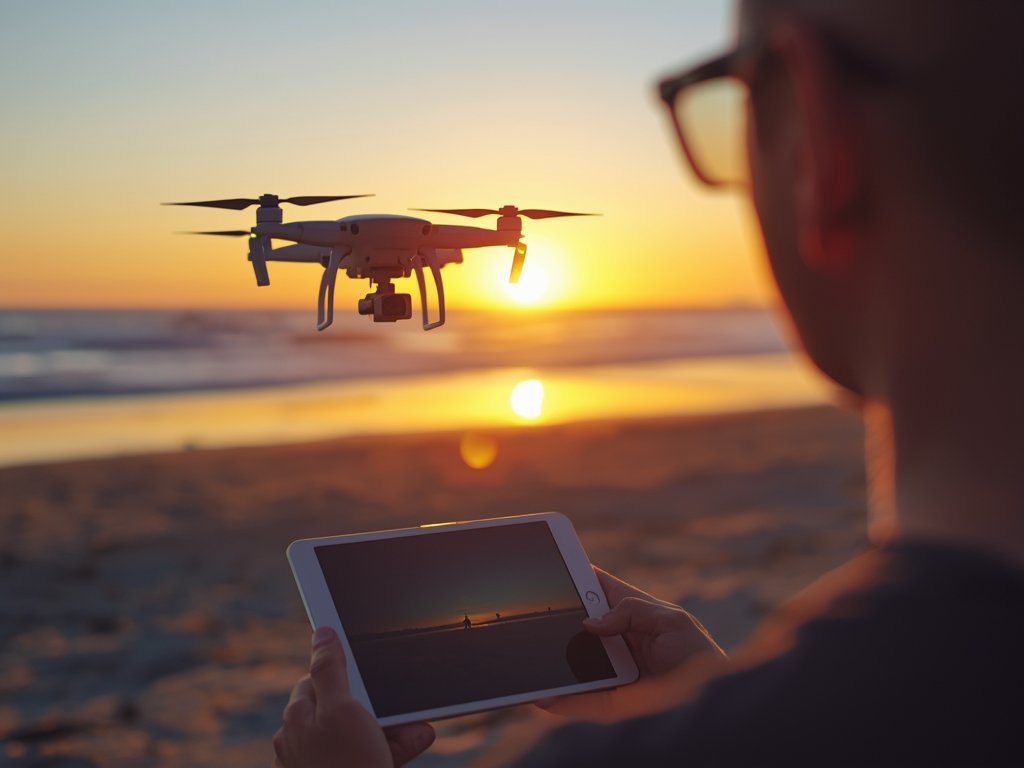
While GPS tracking is a powerful tool, prevention is always better than cure. Here are some pro tips to keep your drone from going rogue:
- Pre-Flight Checks: Always calibrate your drone’s compass and check battery levels before takeoff.
- Stay Within Range: Keep your drone within the manufacturer’s recommended distance to avoid signal loss.
- Monitor Battery Life: Set alerts for low battery levels and plan your flights accordingly.
- Avoid High Winds: Windy conditions can carry your drone farther than you expect. Check the weather before flying.
FAQ: Your Drone Recovery Questions Answered
Can I track my drone if it’s out of range?
Yes, if your drone has GPS, you can still access its last known location through the companion app, even if it’s out of range.
What if my drone’s battery dies mid-flight?
Most drones are programmed to return home automatically when the battery is low. If it doesn’t, the GPS data will show where it landed.
Is GPS tracking legal for drones in the U.S.?
Yes, GPS tracking is legal and encouraged for drone owners. It helps comply with FAA regulations and ensures responsible flying.
Can I use GPS tracking for any drone model?
GPS tracking is available on most mid- to high-range drones. Check your drone’s specifications to confirm if it has this feature.
What should I do if my drone lands on private property?
Always ask for permission before retrieving your drone from private property. Explain the situation politely, and offer compensation if necessary.
Join Our Pilot Community
Connect with fellow drone enthusiasts, share your aerial shots, and get access to free PDF ebook guides.