
The Sky’s New Sheriff: Understanding Remote ID
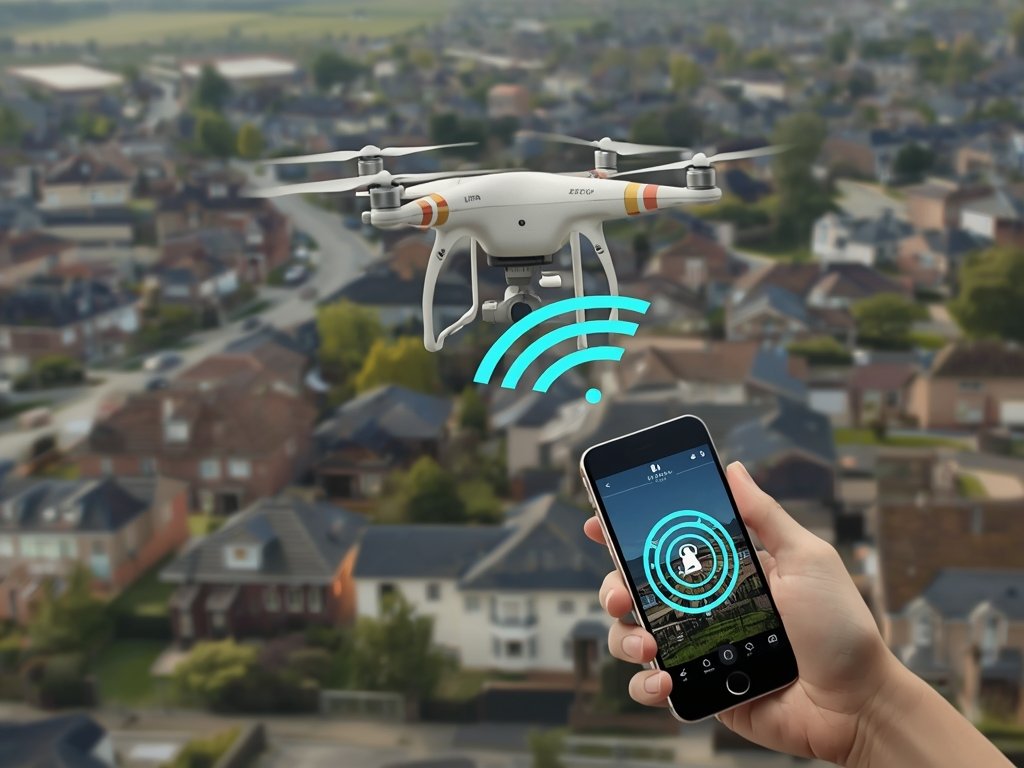
If you’re a drone pilot in the United States, you’ve likely heard the buzz about Remote ID. This new regulation, enforced by the Federal Aviation Administration (FAA), is a game-changer for drone operations. Think of it as a digital license plate for your drone, broadcasting its location and your operator details in real-time.
Remote ID is designed to enhance airspace safety and security, allowing law enforcement and other federal agencies to identify drones and their operators quickly. As of September 2026, most drone operations in the US require compliance with this rule, so it’s crucial to understand what it means for your flights.
Why Remote ID Matters for American Drone Pilots
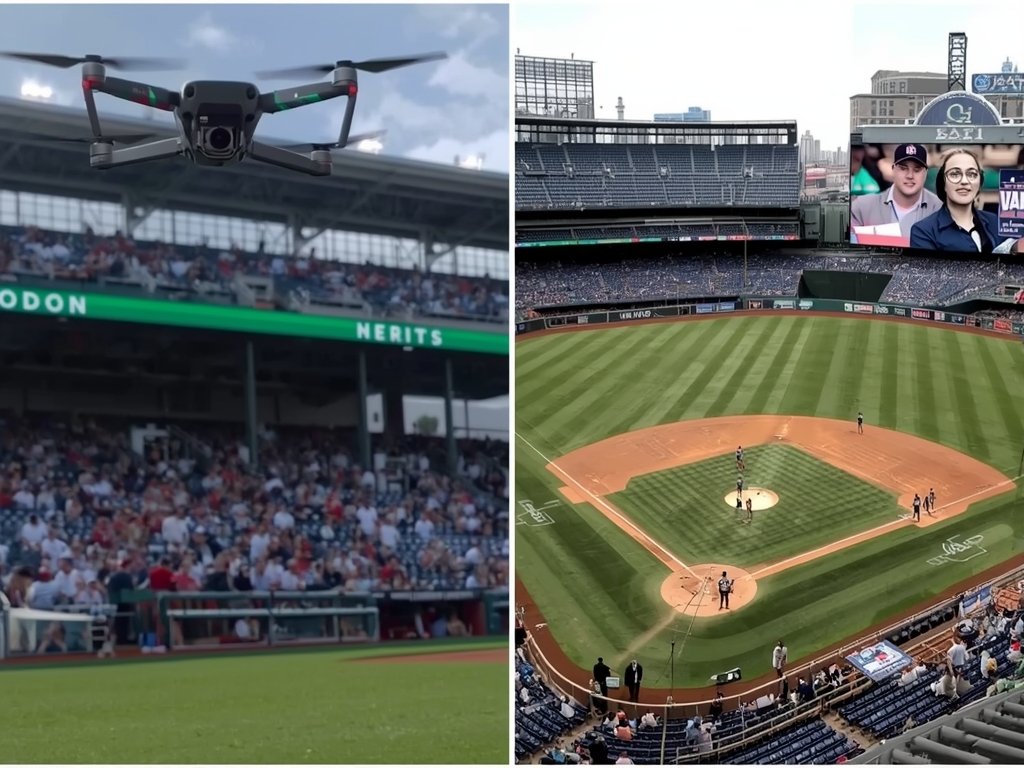
The US has seen a surge in drone popularity, with over 1.7 million registered drones as of 2024. While most pilots fly responsibly, high-profile incidents have raised concerns. Drones interfering with wildfire operations in California or disrupting sports events like the Super Bowl highlight the need for better accountability.
Remote ID addresses these issues by providing instant traceability. It’s not just about catching bad actors; it’s also about protecting legitimate pilots. With Remote ID, you can prove your drone wasn’t involved in any incidents, safeguarding your flying privileges.
How Remote ID Works: The Tech Behind the Rule
Broadcasting Your Drone’s Digital Signature
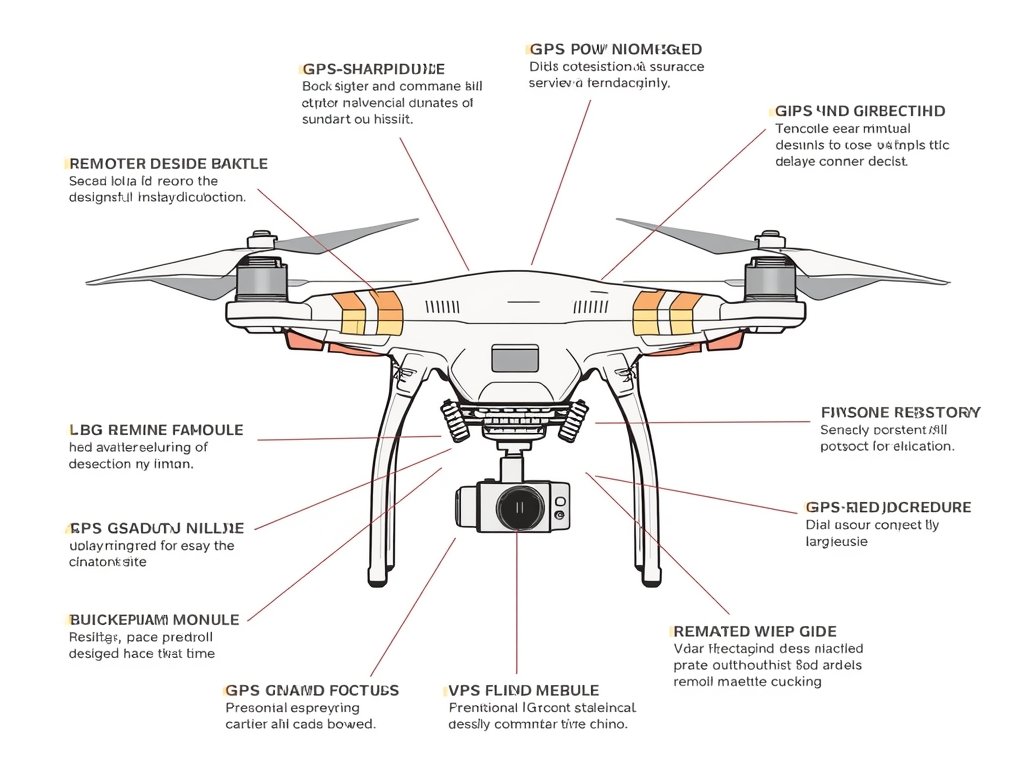
Remote ID-compliant drones transmit key information via radio frequency broadcast or through the internet. This data includes:
- Drone’s location (latitude, longitude, altitude)
- Drone’s speed and direction
- Operator’s location (if within 0.5 miles of the drone)
- Drone’s serial number and other identification details
This data can be received by anyone with a Remote ID-enabled device, such as a smartphone with the right app, within a few miles of the drone.
Two Paths to Compliance: Broadcast vs. Network
Drones can achieve Remote ID compliance in two ways:
- Broadcast Remote ID: The drone itself transmits the required data directly. This method is common in newer models designed specifically for Remote ID.
- Network Remote ID: The drone connects to the internet (via cellular or Wi-Fi) and sends data to a Remote ID service provider, which then broadcasts it. This is often used with older drones that can’t be upgraded to broadcast directly.
Who Needs to Comply? Breaking Down the Rules
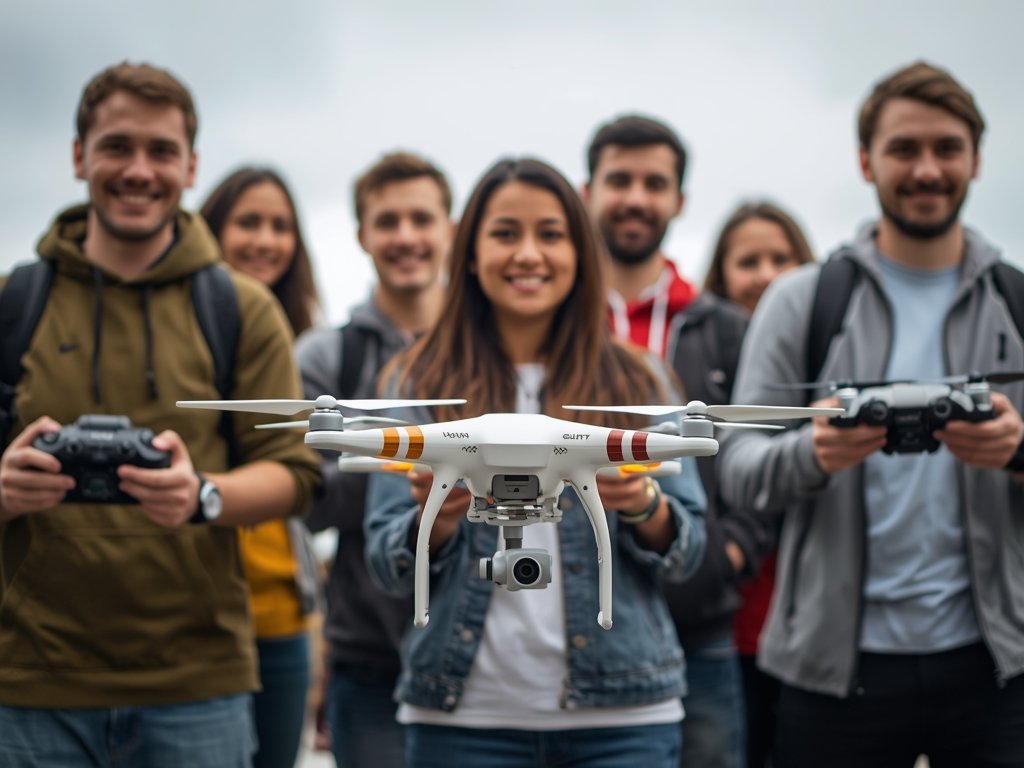
The Remote ID rule applies to most drones operated in US airspace, but there are exceptions. Here’s a quick breakdown:
- Recreational Pilots: If your drone weighs over 0.55 lbs (250g), you must comply with Remote ID. This includes popular models like the DJI Mini 3 and Mavic series.
- Commercial Operators: All Part 107 pilots must use Remote ID-compliant drones, regardless of weight. This covers real estate photography, inspections, and other professional uses.
- Exceptions: Drones flown at approved FAA-recognized identification areas (FRIA) or those weighing under 0.55 lbs (like the DJI Mini SE) are exempt, but these cases are limited.
Getting Compliant: Upgrading Your Drone for Remote ID
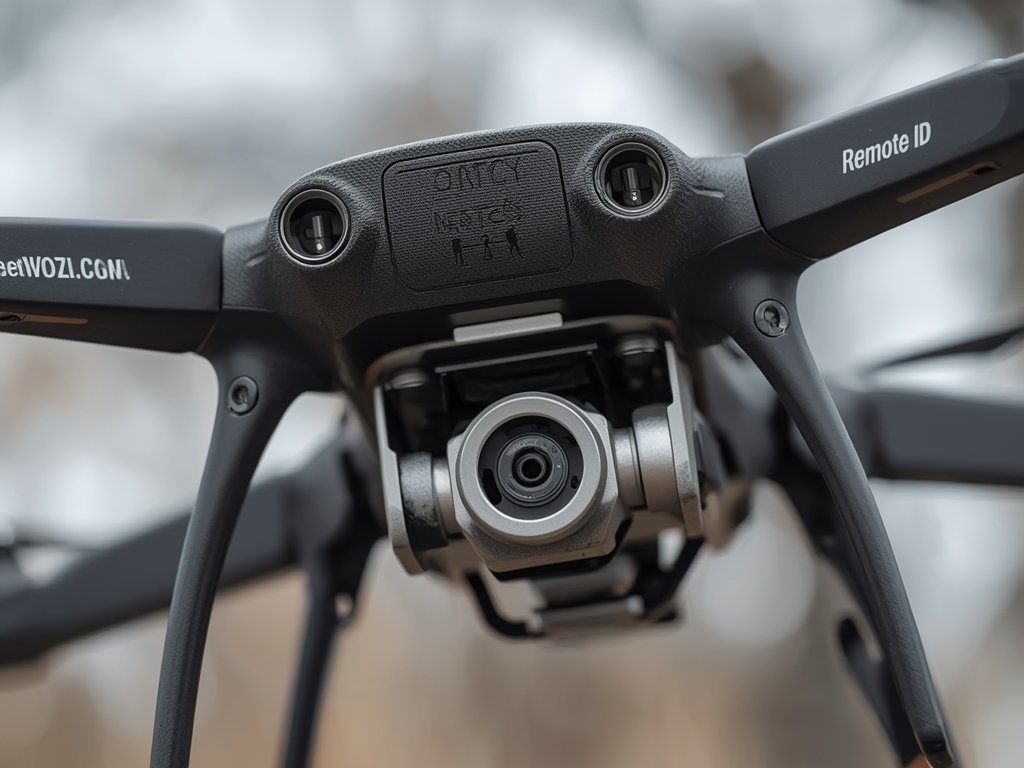
If your drone isn’t Remote ID-ready, you have options. Many manufacturers offer upgrade kits or new models with built-in compliance. For example, DJI provides Remote ID modules for popular drones like the Mavic 2 series.
For network Remote ID, you can use services like DroneID Live or Skyward, which connect your drone to the internet via a cellular link. This method is more complex but allows older drones to comply.
Remember, flying a non-compliant drone after the deadline can result in fines or other penalties. The FAA is serious about enforcement, so it’s worth investing in the necessary upgrades.
Remote ID in Action: Real-World Scenarios
A Day in the Life of a Compliant Pilot
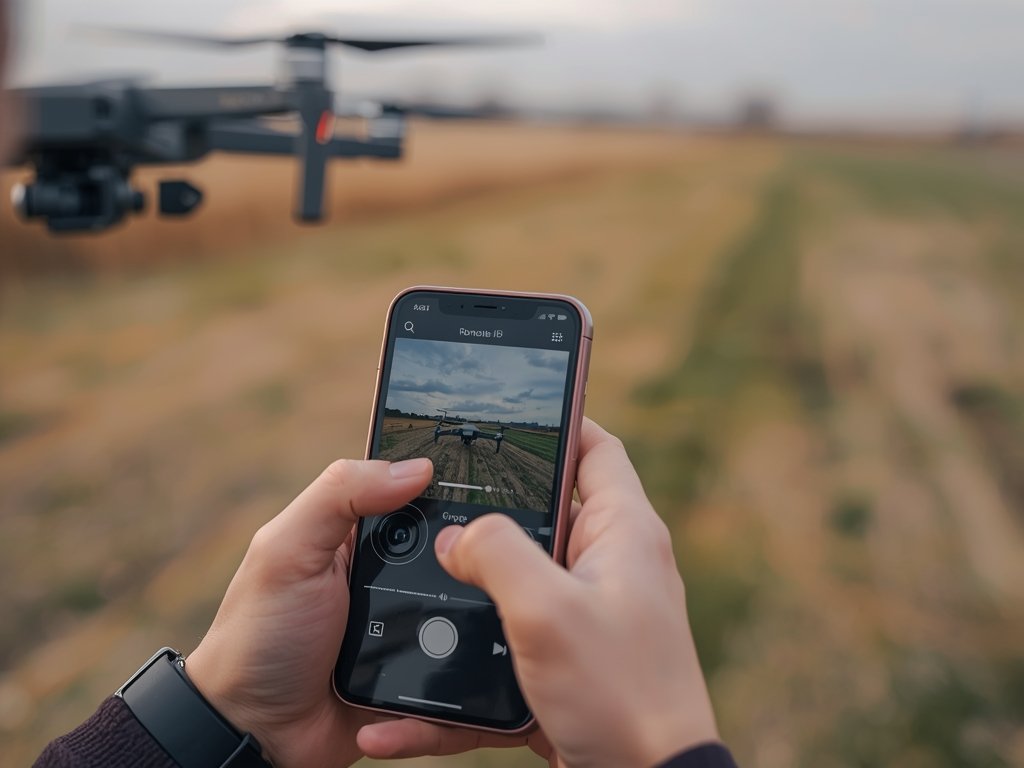
Imagine you’re a real estate photographer in Arizona, preparing for a shoot. Before takeoff, you check your drone’s Remote ID status using the DJI Fly app. Everything looks good, so you launch and capture stunning aerial footage of a desert property.
Later, while flying near a busy highway, a police officer approaches you. Thanks to Remote ID, the officer can quickly verify your drone’s details and see that you’re operating legally. You’re free to continue your work without incident.
When Things Go Wrong: Remote ID to the Rescue
Consider a scenario where a drone crashes into a power line in Texas. With Remote ID, authorities can immediately trace the drone back to its operator. If it wasn’t your drone, you can prove your innocence by showing your flight logs, avoiding unnecessary scrutiny.
This traceability also helps in search and rescue operations. If a hiker goes missing in the Rocky Mountains, authorities can use Remote ID data to identify drones in the area, potentially gathering crucial footage to aid the search.
FAQ: Remote ID Demystified
Do all drones need Remote ID?
No, drones under 0.55 lbs (250g) and those flown at FAA-approved FRIA sites are exempt. However, most recreational and all commercial drones must comply.
Can I fly my old drone without Remote ID?
Only if it weighs under 0.55 lbs or you’re flying at a FRIA. Otherwise, you’ll need to upgrade it with a Remote ID module or use a network Remote ID service.
How far does Remote ID broadcast?
Broadcast Remote ID typically reaches a few miles, depending on terrain. Network Remote ID relies on internet connectivity, so it works anywhere with a cellular or Wi-Fi signal.
What happens if I fly without Remote ID?
The FAA can issue fines or other penalties. Repeated violations may result in the suspension of your pilot certificate or other flying privileges.
Can I turn off Remote ID during flight?
No, Remote ID must remain active throughout your entire flight. Tampering with the system is illegal and can lead to serious consequences.
Join Our Pilot Community
Connect with fellow drone enthusiasts, share your aerial shots, and get access to free PDF ebook guides.