
Soaring Safely: Understanding US Drone Laws
Before you launch your drone into the vast American skies, it’s crucial to understand the legal framework that governs unmanned aerial vehicles (UAVs). The Federal Aviation Administration (FAA) sets the rules, ensuring safety and privacy for all. Whether you’re a hobbyist or a professional, compliance isn’t just a suggestion—it’s the law.
The FAA’s Part 107 regulations outline the dos and don’ts for commercial drone pilots, while recreational flyers must follow the Exception for Limited Recreational Operations. Key rules include flying under 400 feet, keeping your drone within sight, and avoiding restricted airspace. Ignoring these can lead to hefty fines or worse.
For travelers, the challenge lies in navigating the patchwork of local laws that often complement federal regulations. Some states, like California and New York, have stricter rules, especially near private properties and public events. Always check local ordinances before takeoff.
Top US Destinations for Drone Enthusiasts
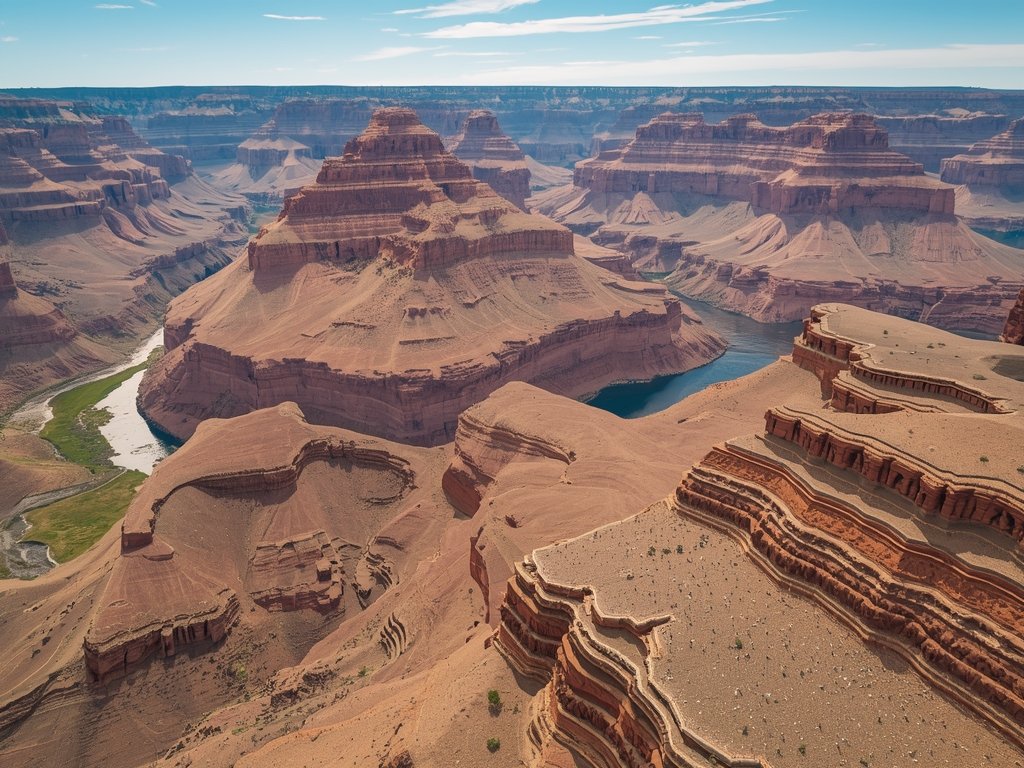
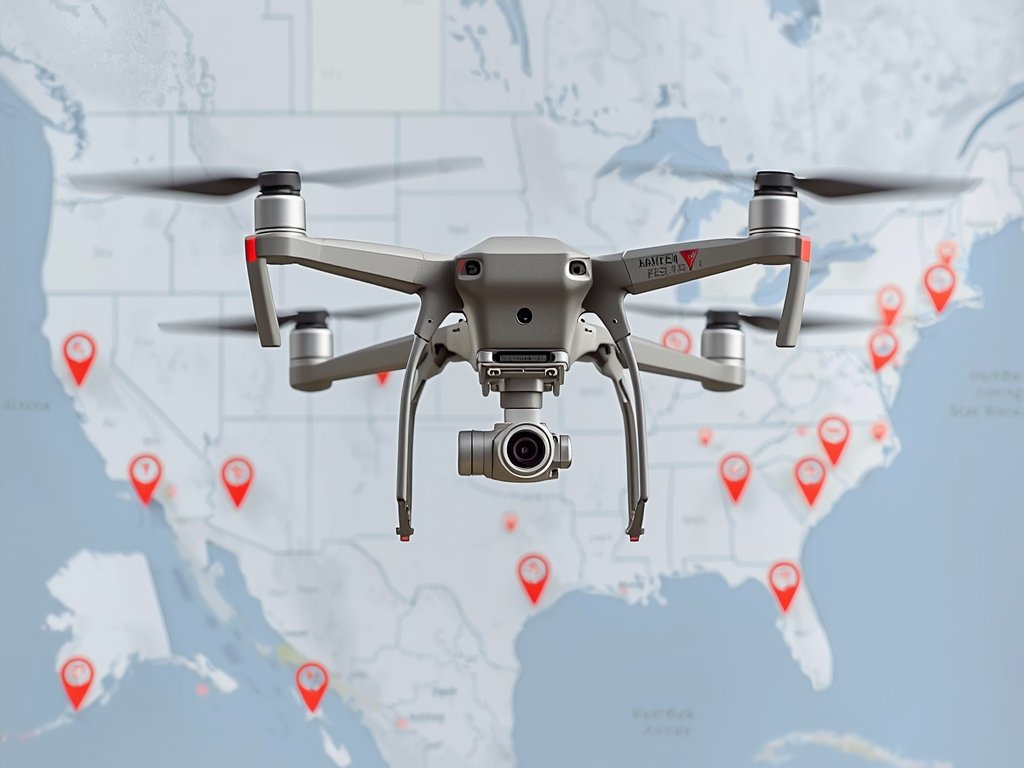
The US is a treasure trove of drone-friendly destinations, each offering unique vistas and opportunities. From national parks to urban landscapes, here are some top spots where you can legally fly and capture stunning footage.
National Parks with Drone Access
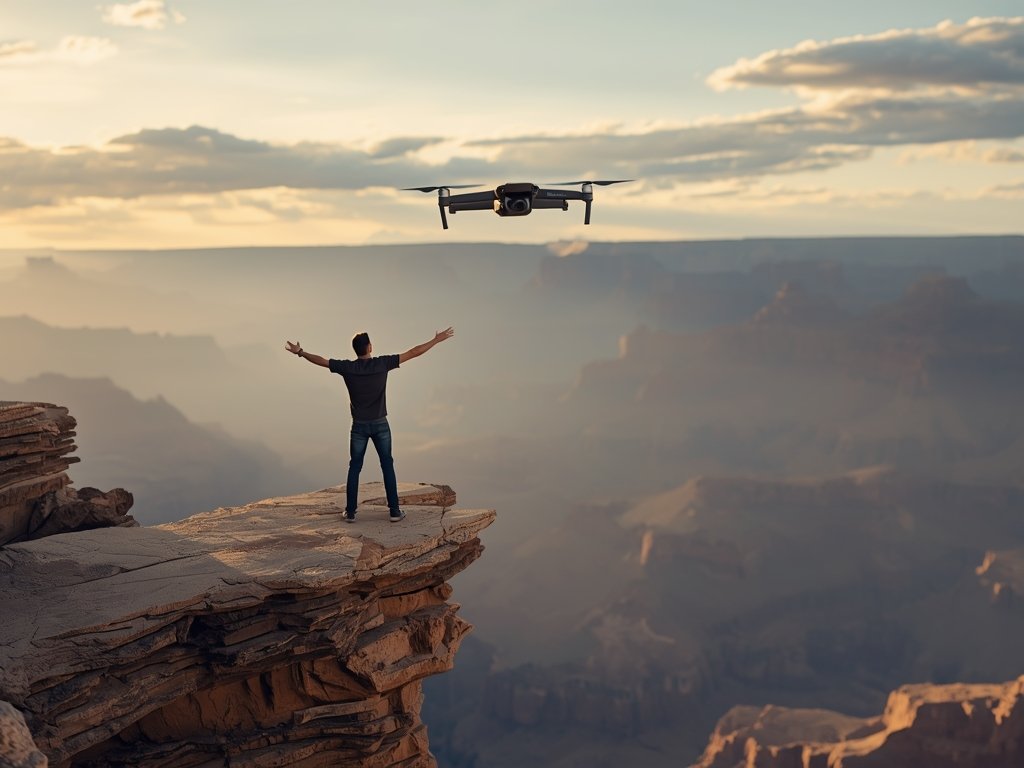
While many national parks restrict drones to protect wildlife and visitor experiences, a few allow them in designated areas. For instance, the Grand Canyon permits drone flights in specific zones, provided you stay clear of wildlife and crowds. Always check the park’s website for updates.
Urban Skylines: Cities That Welcome Drones
Cities like Denver and Austin are more drone-friendly, offering ample opportunities to capture their vibrant skylines. However, always avoid flying near airports, stadiums, and government buildings. Some cities require permits for commercial shoots, so plan ahead.
Hidden Gems: Lesser-Known Drone Hotspots
Beyond the iconic locations, places like the Bonneville Salt Flats in Utah or the Palouse Falls in Washington offer breathtaking, crowd-free drone photography opportunities. These hidden gems often have fewer restrictions, making them ideal for creative flights.
Navigating No-Fly Zones: What You Need to Know
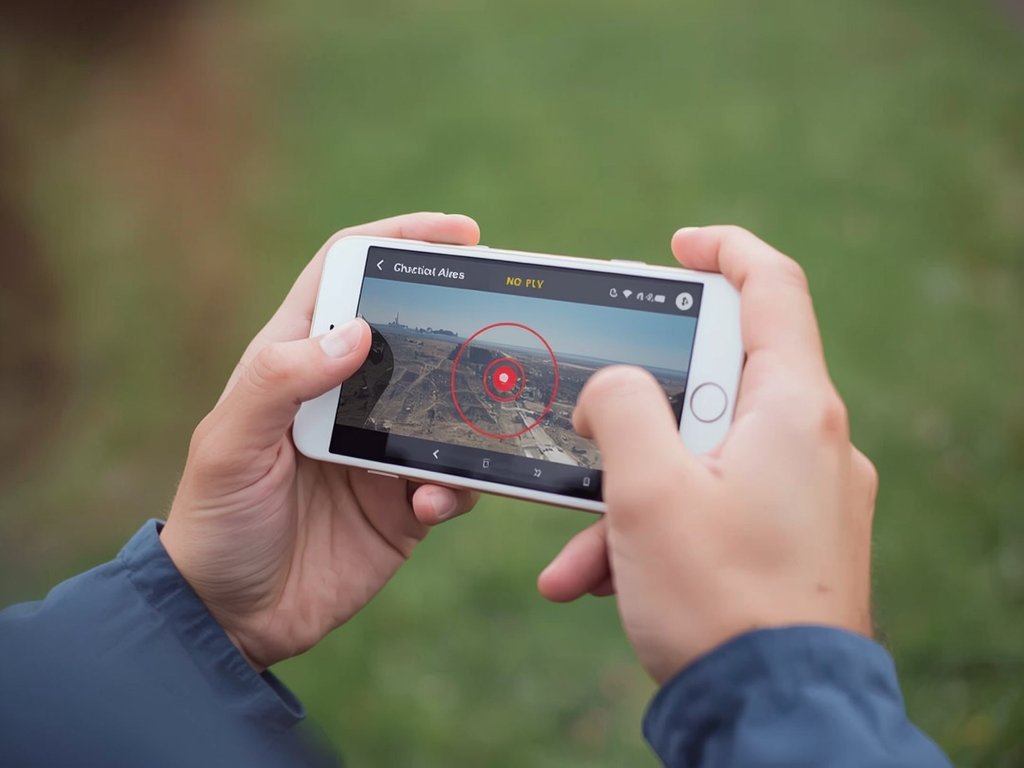
No-fly zones are areas where drone operations are prohibited due to safety, security, or privacy concerns. These include airports, military bases, and national landmarks. Flying in these zones can result in severe penalties, so it’s essential to stay informed.
The FAA’s B4UFLY app is an invaluable tool for identifying no-fly zones. It provides real-time updates on restricted areas, making it easier to plan your flights. Additionally, temporary flight restrictions (TFRs) may be imposed during events like wildfires or presidential visits, so always check before flying.
State and local restrictions add another layer of complexity. For example, flying over private property without permission is illegal in most states. Always respect privacy and avoid areas where your drone might disturb people or wildlife.
Tips for Traveling with Your Drone

Traveling with a drone requires careful planning to ensure compliance and safety. Here are some tips to make your journey smooth and stress-free.
Packing and Transportation
Invest in a sturdy, padded case to protect your drone during transit. Remove the battery and pack it separately, as airlines often have specific rules for lithium-ion batteries. Keep your drone easily accessible for security checks.
International vs. Domestic Travel
While this guide focuses on the US, if your travels take you abroad, research the drone laws of your destination country. Some countries have stricter regulations or require special permits. Always declare your drone at customs when entering a new country.
Battery and Equipment Safety
Carry extra batteries, but ensure they comply with airline regulations. Store them in a fireproof bag and avoid fully charging them before travel. Regularly inspect your drone for damage, especially after rough handling during transit.
Drone Photography Ethics: Respecting Privacy and Nature
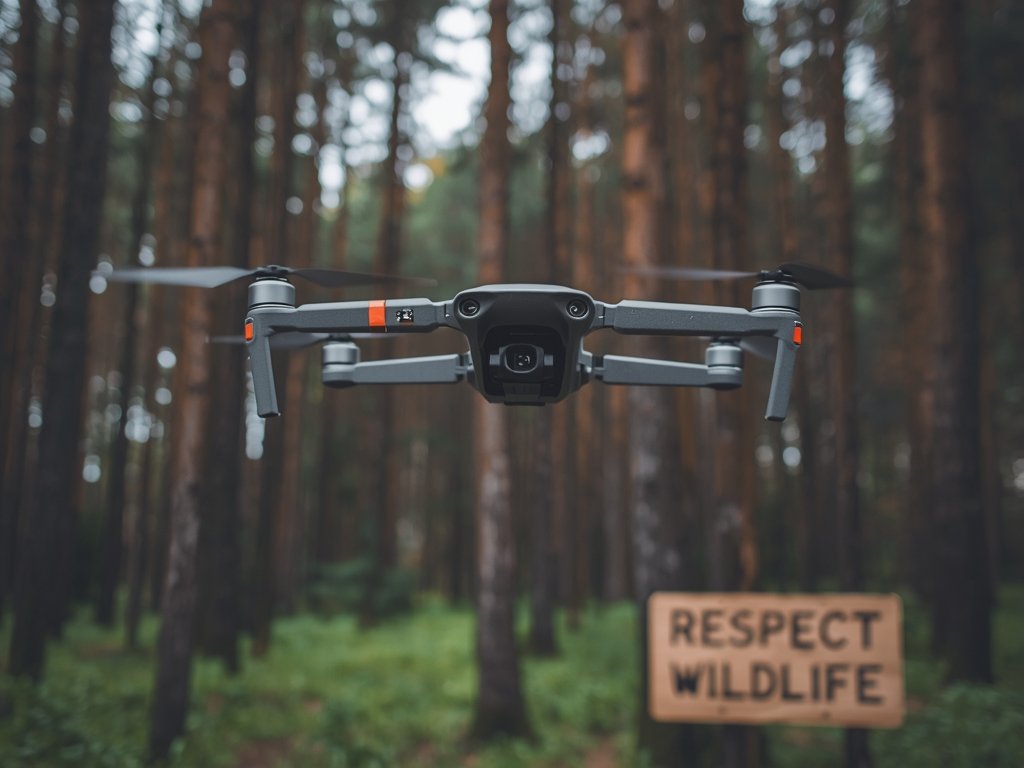
As a drone pilot, you have a responsibility to minimize your impact on people, wildlife, and the environment. Ethical flying ensures that the hobby remains enjoyable for everyone and protects sensitive ecosystems.
Avoid flying over private property without permission, and never invade someone’s personal space. Be mindful of noise levels, especially in quiet areas like parks or residential neighborhoods. If you’re flying near wildlife, maintain a safe distance to avoid disturbing animals.
When capturing footage in natural areas, follow the principles of Leave No Trace. Avoid landing your drone on fragile ecosystems, and be cautious not to cause erosion or damage. By flying responsibly, you help preserve these beautiful locations for future generations.
FAQ
Do I need a license to fly a drone in the US?
If you’re flying for recreational purposes, you must pass the Recreational UAS Safety Test (TRUST). Commercial pilots need a Remote Pilot Certificate under Part 107.
Can I fly my drone in national parks?
Most national parks prohibit drones to protect wildlife and visitor experiences, but a few allow them in designated areas. Always check the park’s specific regulations.
What should I do if my drone flies into restricted airspace?
If you accidentally enter restricted airspace, land your drone safely as soon as possible. Report the incident to the FAA and take steps to avoid future violations.
How can I find drone-friendly locations near me?
Use apps like B4UFLY or DroneSentry to identify legal flying areas. Local drone communities and forums are also great resources for discovering hidden gems.
Are there any restrictions on drone photography for personal use?
Even for personal use, you must follow all federal, state, and local laws. Respect privacy, avoid restricted areas, and fly responsibly to stay within legal boundaries.
Join Our Pilot Community
Connect with fellow drone enthusiasts, share your aerial shots, and get access to free PDF ebook guides.