
Why 249g Matters: The Drone Traveler’s Sweet Spot
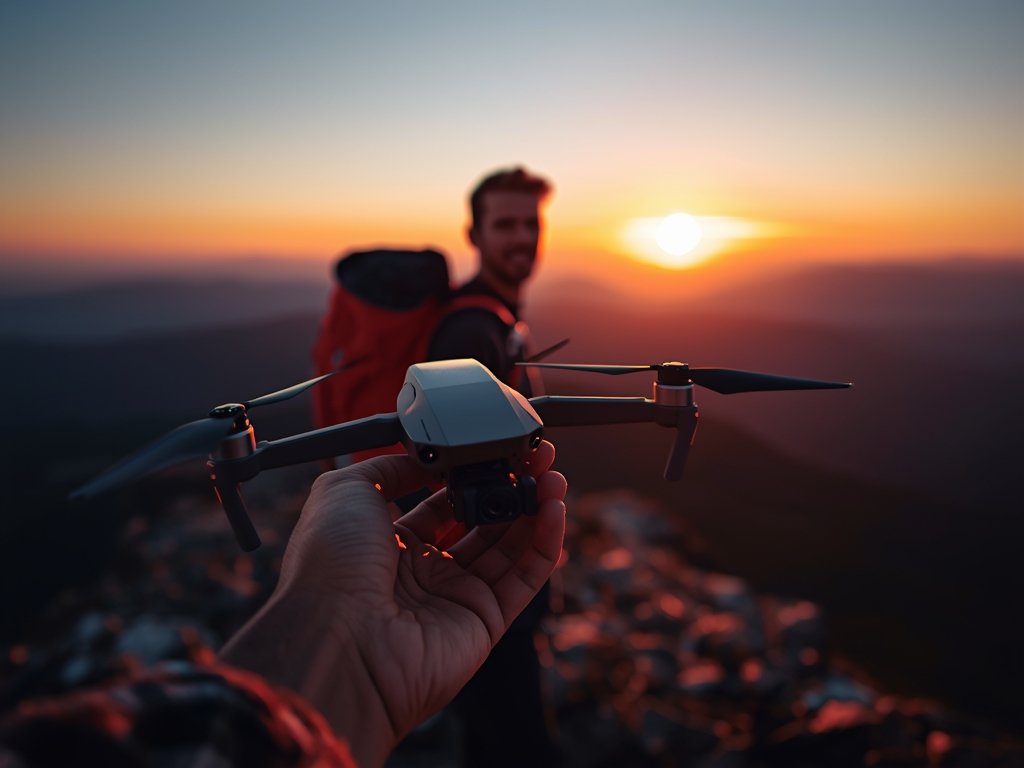
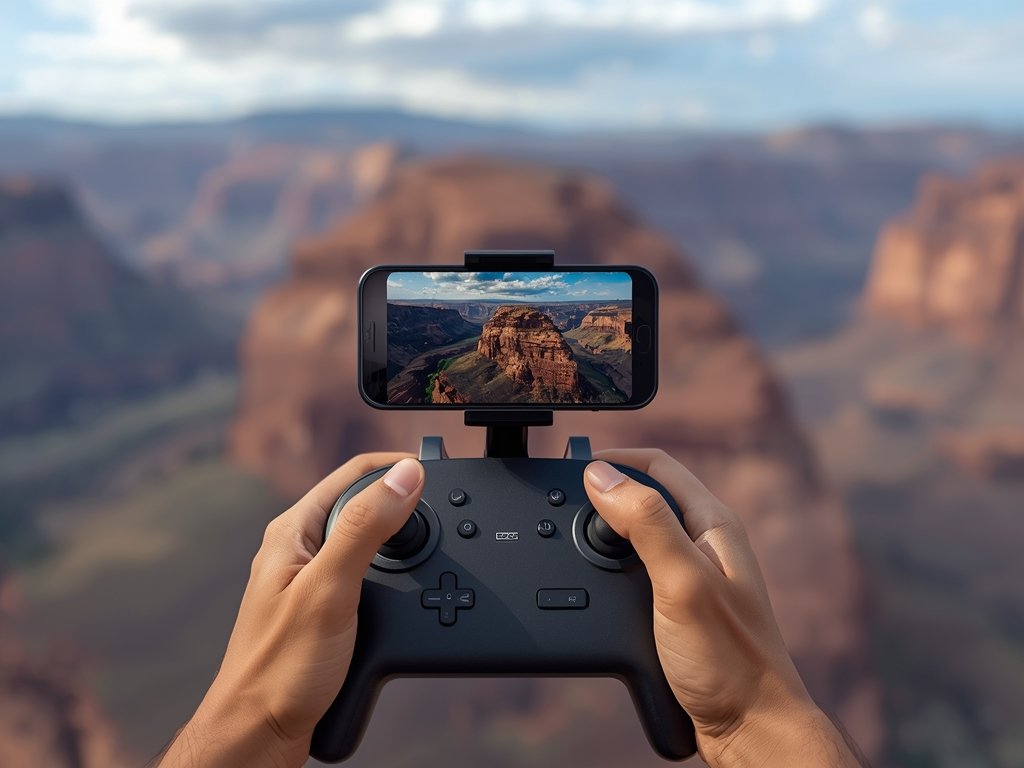
For travelers, every gram counts. But when it comes to drones, there’s a magic number: 249 grams. In the US, drones under this weight are exempt from FAA registration, making them the perfect travel companions.
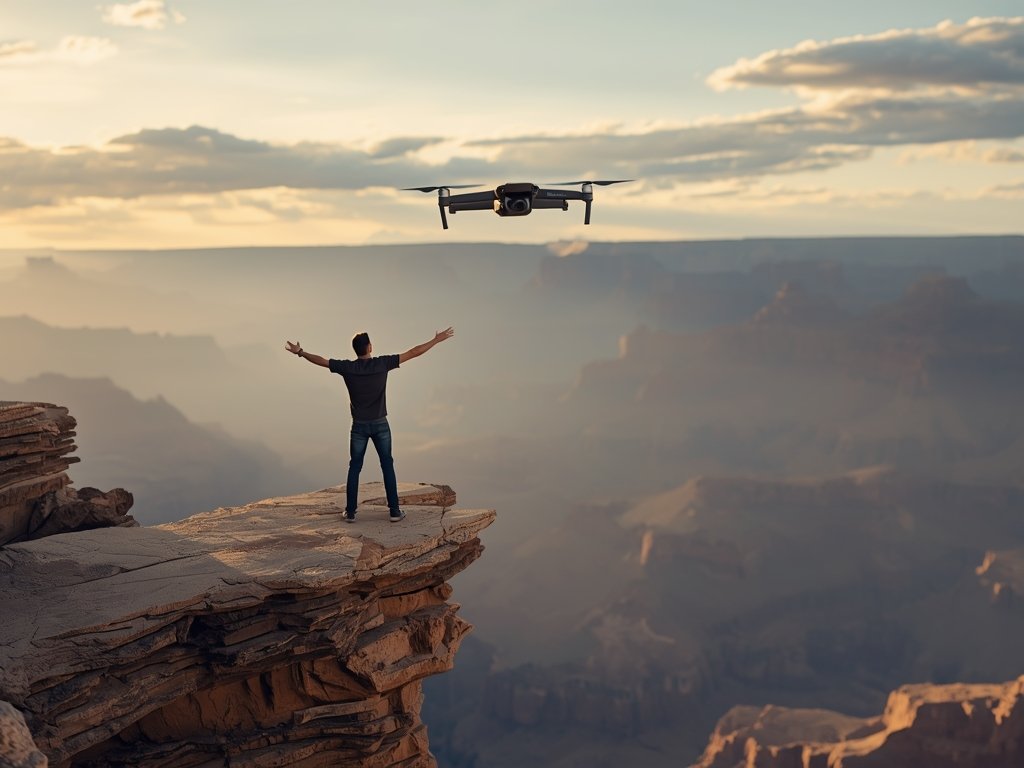
No more paperwork, no more fees – just pure flying freedom. Whether you’re capturing the Grand Canyon’s majesty or the neon glow of Times Square, a sub-249g drone lets you focus on the experience, not the regulations.
Meet the Contenders: Top Picks for 2026
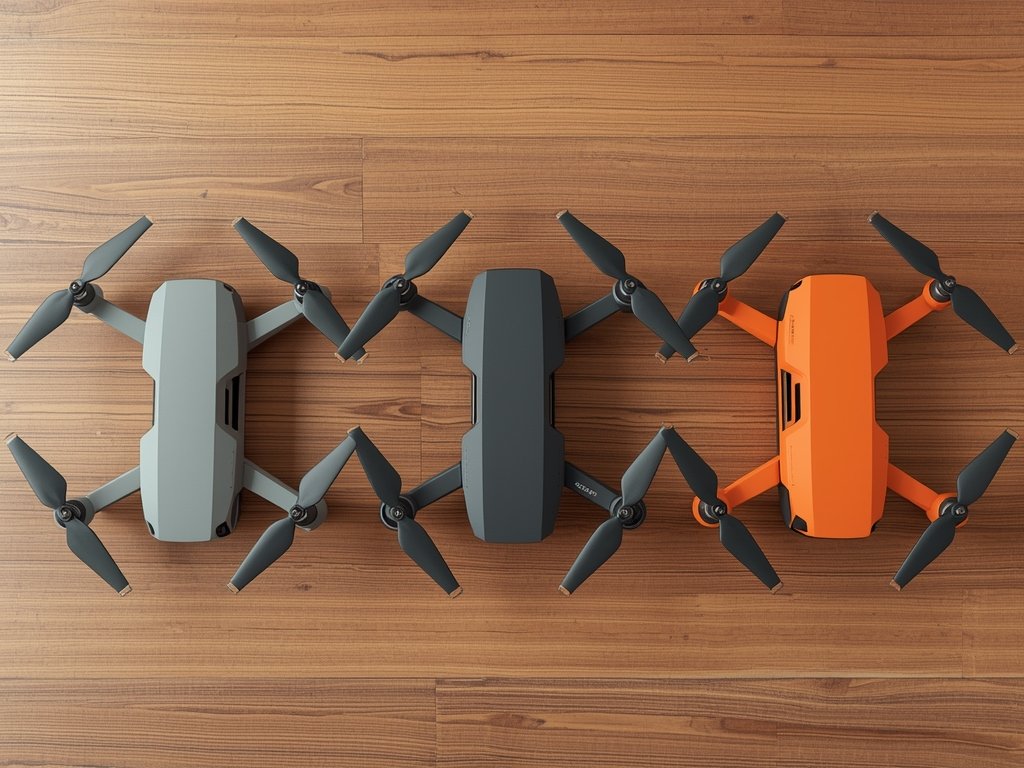
The drone market is buzzing with innovation, and 2026 is no exception. We’ve scoured the skies to bring you the best under 249g drones for travelers. From foldable powerhouses to pocket-sized wonders, these drones pack a punch without weighing you down.
Our top picks combine portability, performance, and value, ensuring you get the most out of your aerial adventures. Let’s dive into the details.
1. SkyHawk Mini: The Ultimate Travel Companion
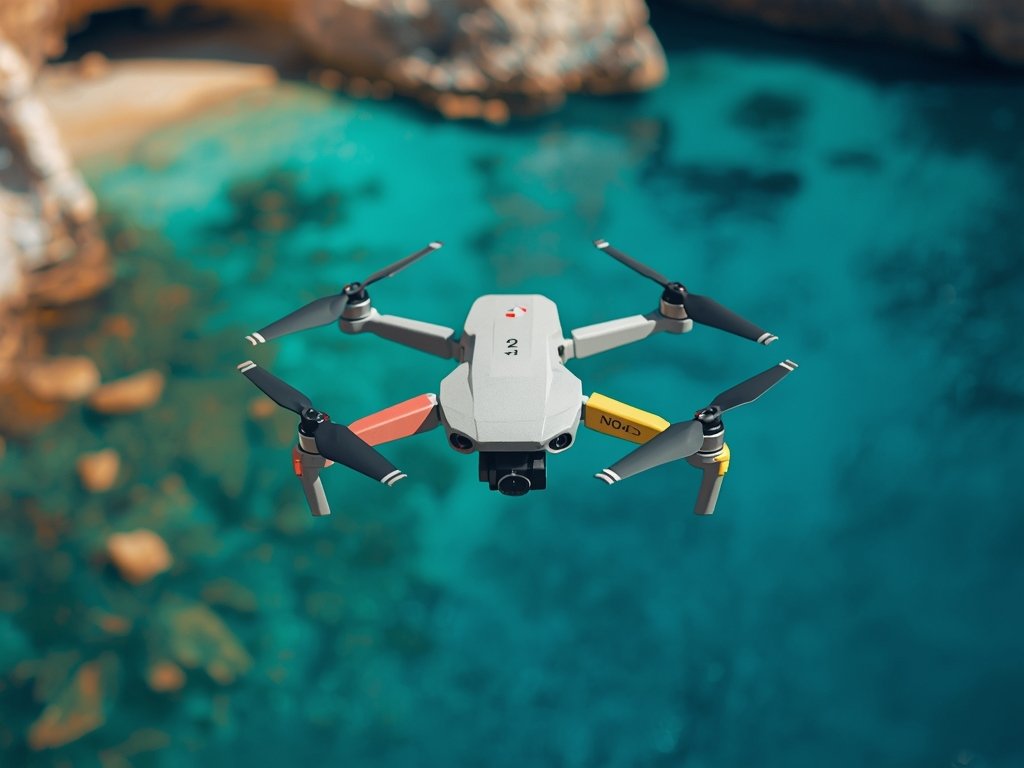
The SkyHawk Mini is a game-changer for travelers. Weighing in at just 230g, it’s incredibly compact yet packed with features. Its 4K camera delivers breathtaking footage, while the 3-axis gimbal ensures smooth, stable shots.
With a 30-minute flight time and intuitive controls, the SkyHawk Mini is perfect for capturing everything from the rocky shores of Maine to the vibrant streets of New Orleans.
2. AirDrift Nano: Pocket-Sized Powerhouse
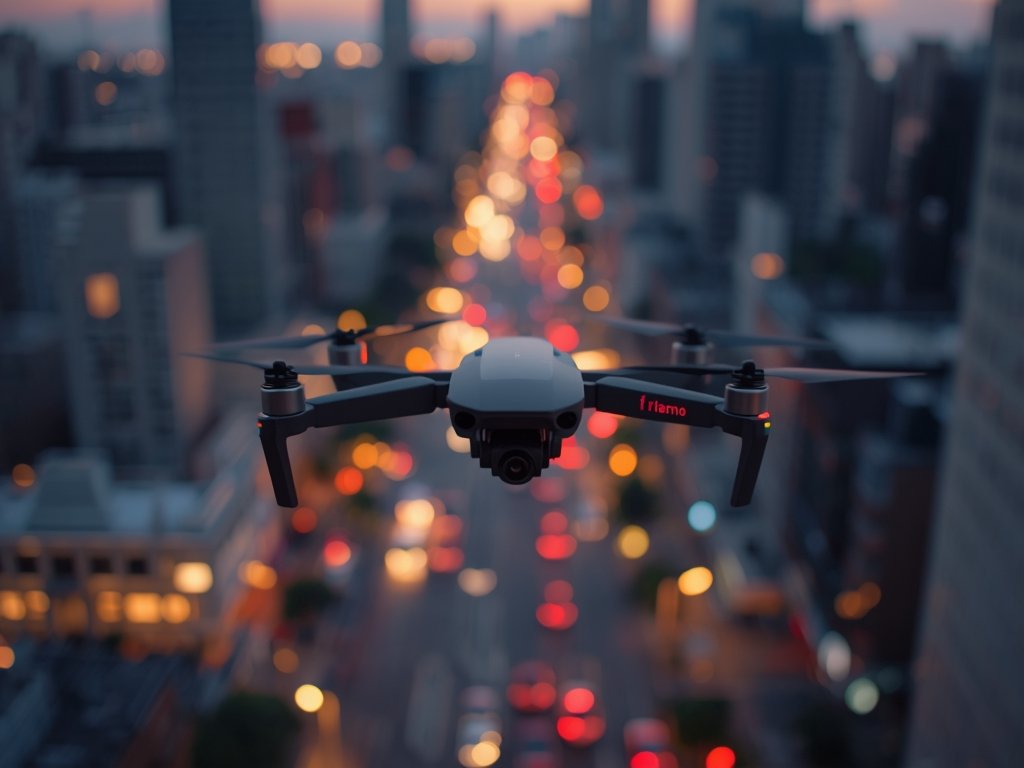
If size matters, the AirDrift Nano is your drone. At a mere 198g, it’s one of the lightest options available. But don’t let its small stature fool you – this drone is a performer.
Its 2.7K camera and electronic image stabilization make it ideal for quick, on-the-go shots. The Nano’s foldable design means it can slip into your pocket, ready for spontaneous flights over the Golden Gate Bridge or the Las Vegas Strip.
3. Voyager X1: The Long-Haul Flyer
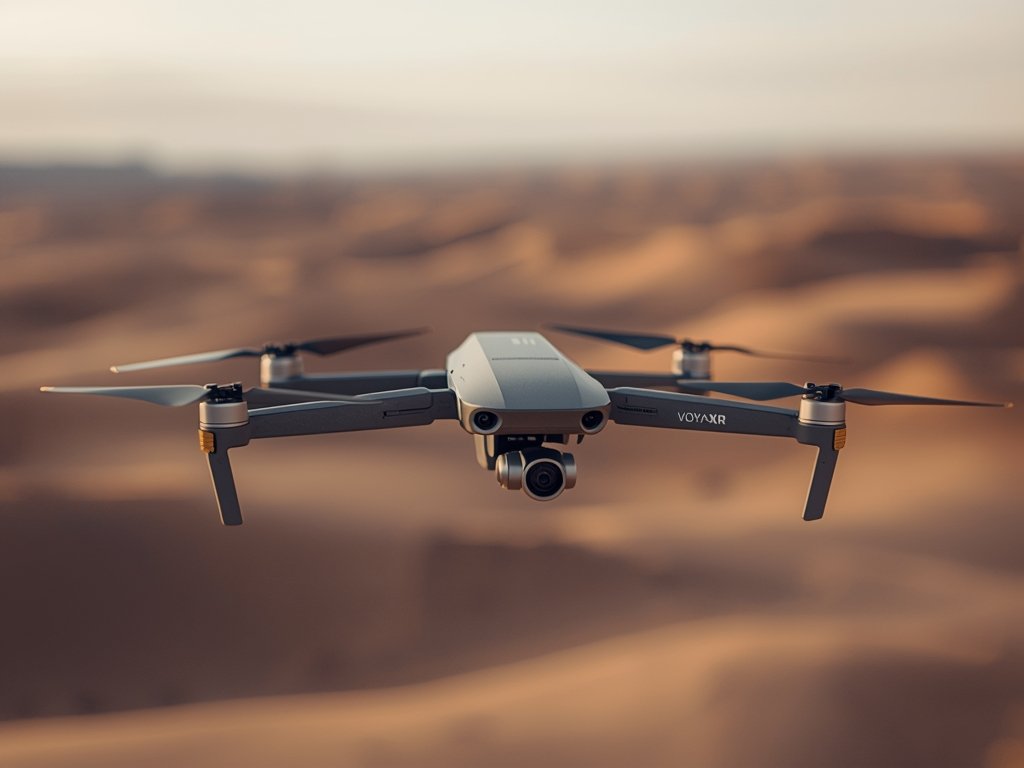
For those who crave endurance, the Voyager X1 stands out. With a remarkable 45-minute flight time, it’s the perfect companion for extended adventures. Its 248g weight keeps it under the FAA limit, while its advanced obstacle avoidance system ensures safe flights.
Whether you’re exploring the vastness of the Mojave Desert or the dense forests of the Pacific Northwest, the Voyager X1 has the stamina to keep up with your travels.
Key Features to Look For
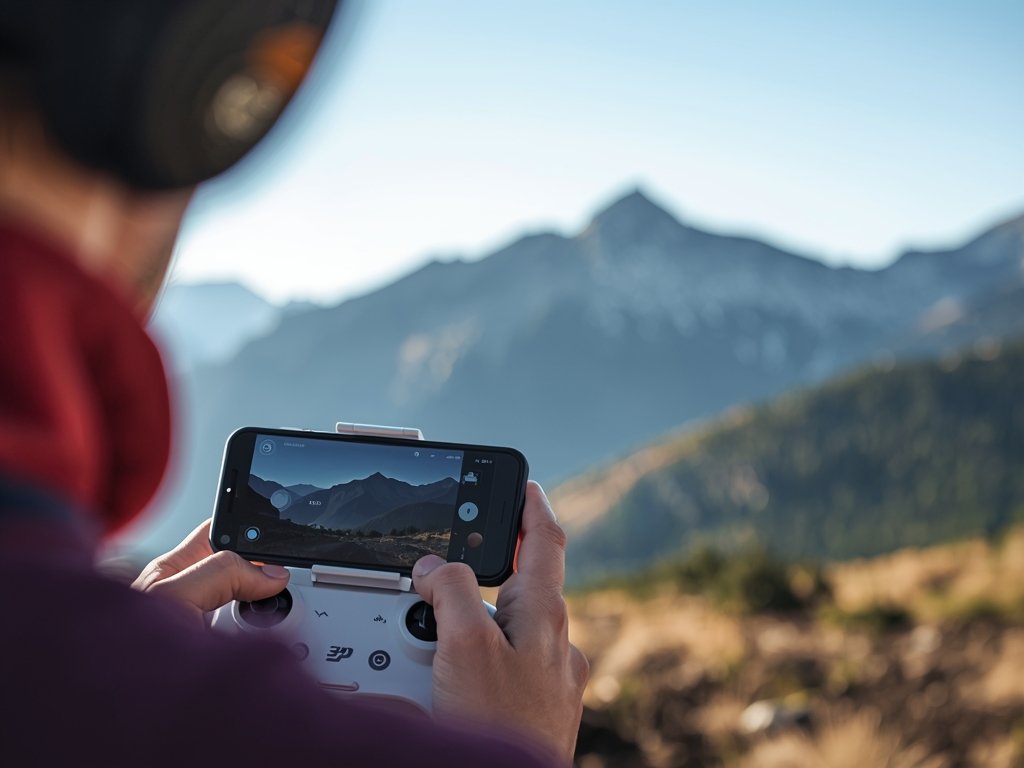
When choosing a travel drone, certain features are non-negotiable. Camera quality, flight time, and portability top the list. But don’t overlook the importance of smart features like follow mode, quick shots, and GPS return-to-home.
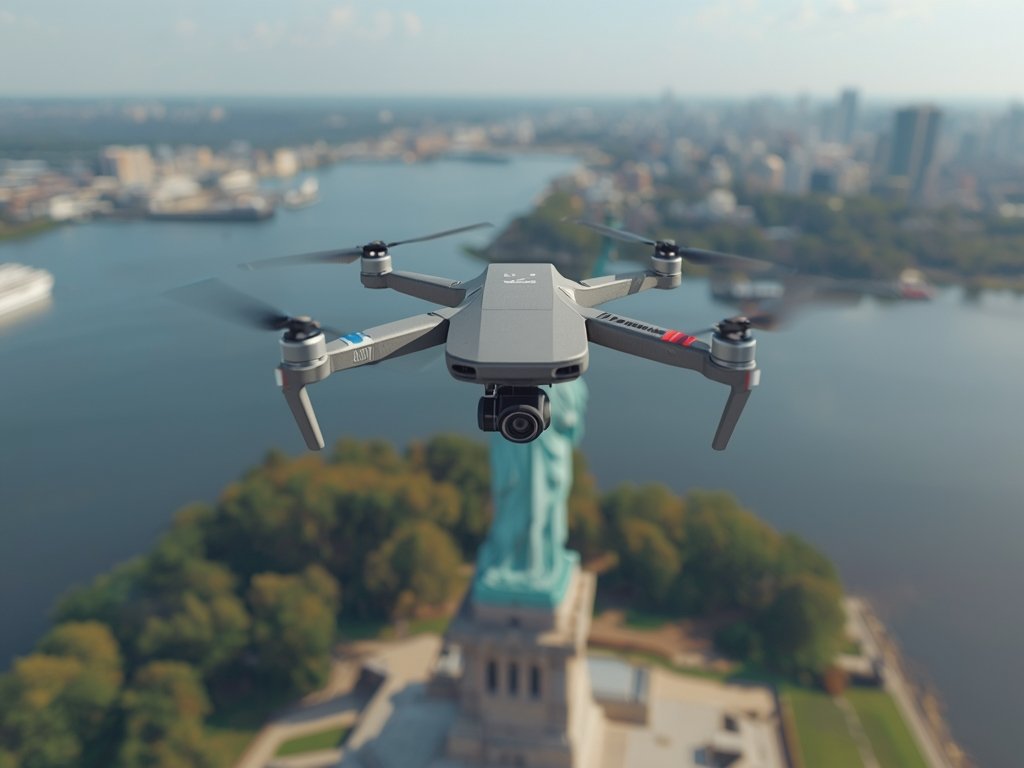
These features not only enhance your flying experience but also ensure you capture the best possible footage. After all, what’s the point of a drone if it can’t showcase the beauty of places like Yellowstone or the Statue of Liberty?
Camera Quality: Capturing the Moment
A great camera is the heart of any drone. Look for at least 2.7K resolution and electronic image stabilization for smooth footage. Higher-end models offer 4K or even 5.2K video, perfect for professional-quality content.
Whether you’re filming the autumn colors of New England or the neon lights of Miami, a top-notch camera ensures your memories are as vivid as the real thing.
Flight Time: More Air, More Adventure
Flight time is crucial for travelers. While most sub-249g drones offer 20-30 minutes, some models push the boundaries with 40+ minutes. Longer flight times mean more opportunities to explore and capture the essence of your destination.
Imagine soaring over the Grand Tetons or the Florida Keys without constantly worrying about battery life. It’s all about maximizing your time in the air.
Travel-Friendly Design: Compact and Ready to Go
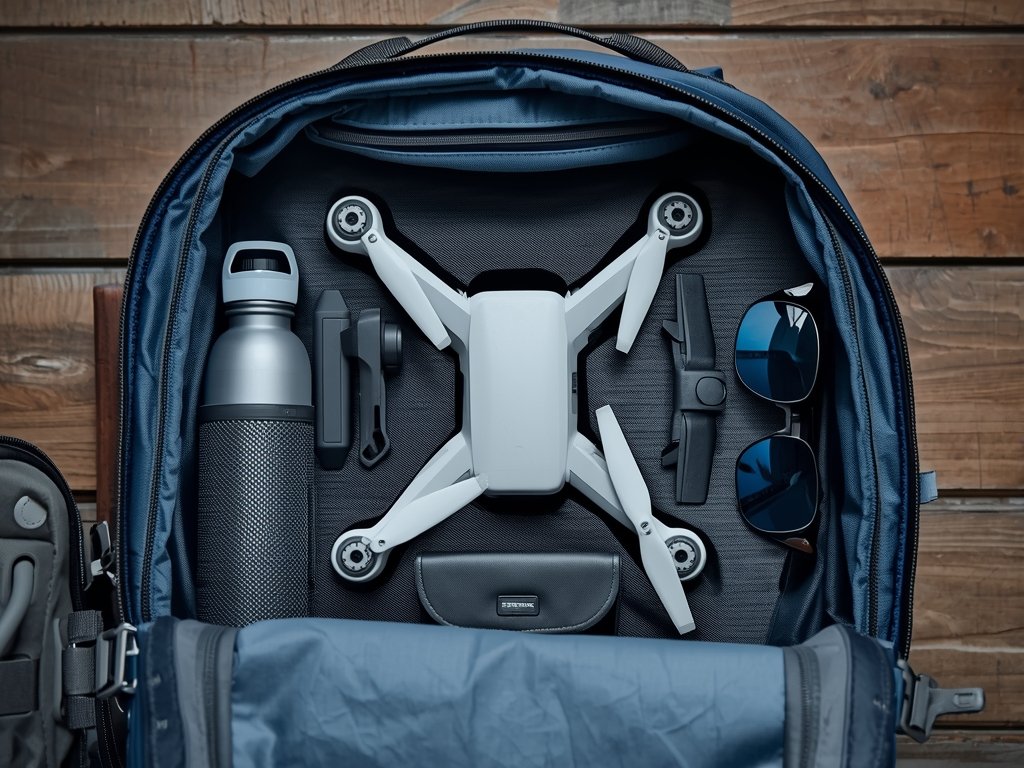
A travel drone should be as easy to carry as your smartphone. Foldable designs and compact cases are a must for fitting into tight spaces, whether it’s a carry-on bag or a hiking backpack.
The best travel drones are designed with adventurers in mind, ensuring they’re ready for any journey, from the bustling streets of Chicago to the serene beaches of Hawaii.
Durability: Built to Last
Travel can be tough on gear. Look for drones with durable materials and weather resistance. Carbon fiber frames and water-resistant coatings can make a big difference, especially in unpredictable conditions.
Whether you’re facing the rainy skies of Seattle or the dusty trails of the Southwest, a rugged drone ensures you’re always ready to fly.
Ease of Use: Fly with Confidence
Not everyone is a drone expert. Intuitive controls and user-friendly apps make flying accessible to all. Features like one-touch takeoff and landing, as well as automatic return-to-home, add an extra layer of convenience.
Even if you’re a beginner, you’ll feel like a pro when navigating the skies above iconic landmarks like Mount Rushmore or the Brooklyn Bridge.
FAQ
Do I need a license to fly a sub-249g drone in the US?
No, drones under 249g are exempt from FAA registration, making them ideal for casual travelers. However, always follow local regulations and no-fly zones.
Can I bring a drone on a plane?
Yes, most airlines allow drones in carry-on luggage. However, batteries must be packed in your carry-on, not checked baggage. Check with your airline for specific guidelines.
What’s the best drone for beginners?
Look for drones with intuitive controls, automatic features, and good customer support. The AirDrift Nano and SkyHawk Mini are excellent choices for newcomers.
How do I ensure my drone footage is stable?
Choose a drone with a 3-axis gimbal and electronic image stabilization. These features compensate for movement, resulting in smooth, professional-looking video.
Are there any restrictions on where I can fly my drone?
Yes, always check local laws and no-fly zones before flying. National parks, airports, and certain urban areas often have restrictions. Apps like B4UFLY can help you stay informed.
Join Our Pilot Community
Connect with fellow drone enthusiasts, share your aerial shots, and get access to free PDF ebook guides.