
The Invisible Firefighter: Why Thermal Drones Are the Future of Firefighting
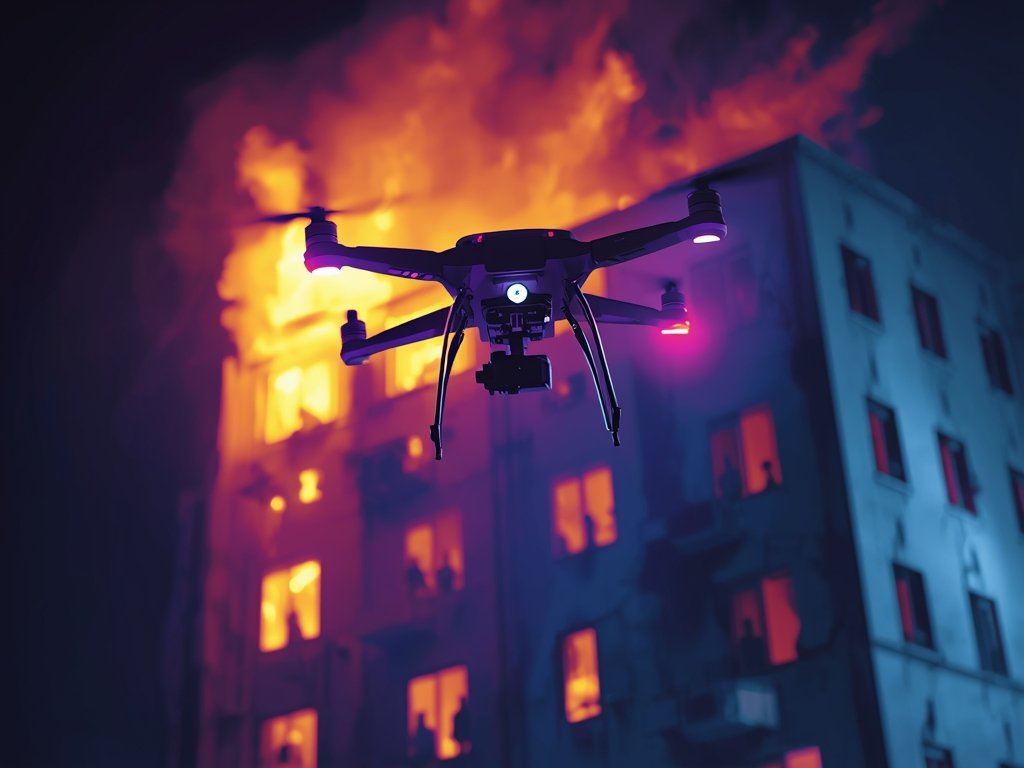
In the high-stakes world of firefighting, every second counts. From California’s wildfire-ravaged hillsides to Chicago’s towering skyscrapers, fire departments across the U.S. are constantly seeking innovative ways to save lives and property. Enter thermal drones—the unsung heroes of modern firefighting. By 2026, these aerial devices will no longer be a luxury but a necessity. Here’s why every fire department needs one.
Seeing Through the Smoke: The Power of Thermal Imaging
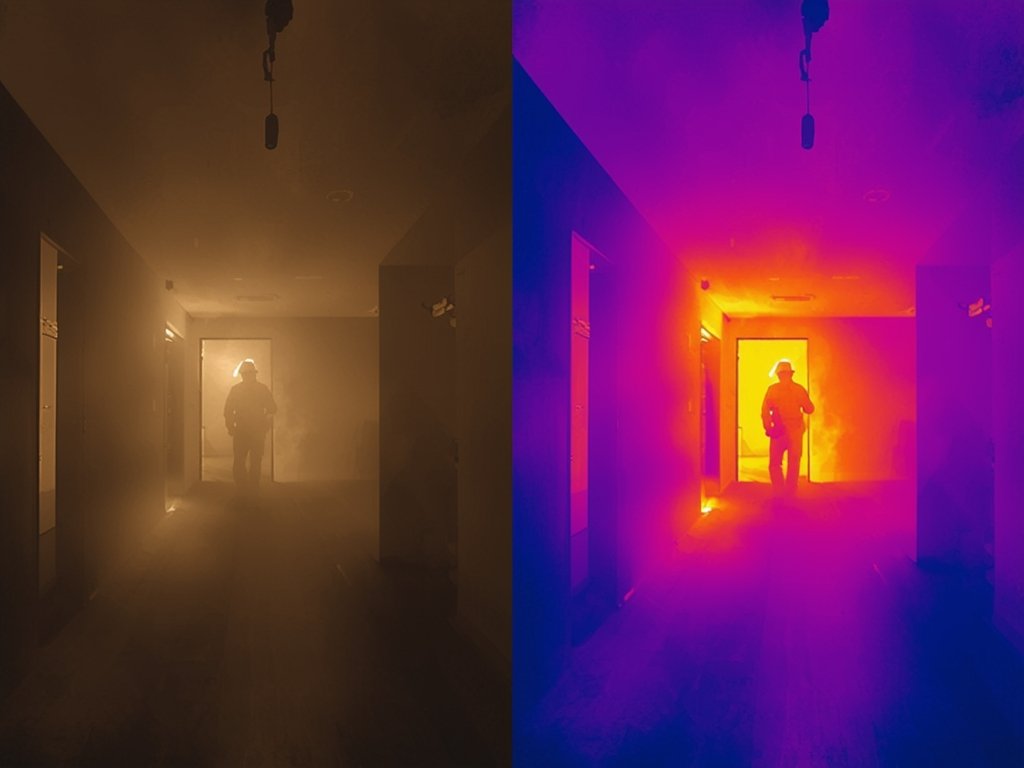
Firefighters have long relied on thermal imaging cameras (TICs) to navigate smoke-filled environments. But what happens when the fire is out of reach or the scene is too dangerous? Thermal drones take this technology to new heights—literally.
These drones can fly into areas inaccessible to humans, providing real-time thermal data that helps crews identify hotspots, locate trapped individuals, and assess structural integrity. In a country where wildfires burn millions of acres annually and urban fires claim thousands of lives, this capability is a game-changer.
Real-World Impact: The California Wildfire Example
During the 2026 California wildfire season, thermal drones proved their worth. In one instance, a drone detected a hidden fire line advancing toward a residential area, allowing crews to redirect resources and save dozens of homes. Without this aerial perspective, the outcome could have been catastrophic.
From Search and Rescue to Fire Prevention: Versatility in Action
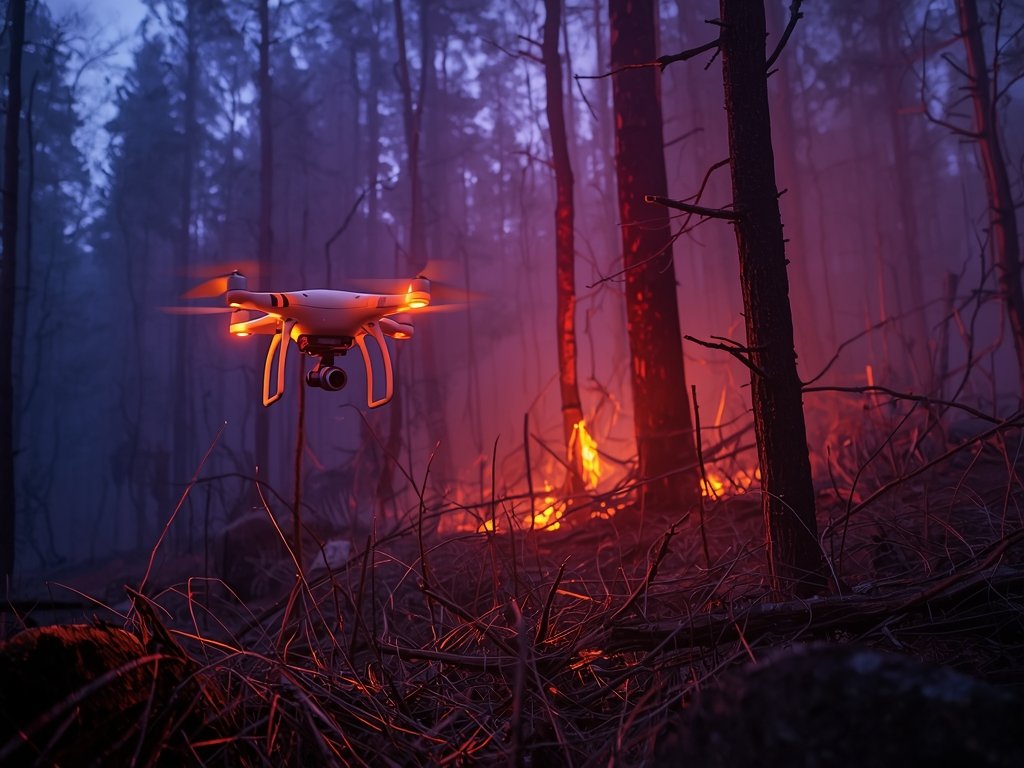
Thermal drones aren’t just for active fires. Their versatility makes them invaluable tools for search and rescue operations, fire prevention, and post-fire analysis. In states like Texas and Florida, where hurricanes and floods often trigger secondary fires, these drones can quickly assess damage and locate survivors.
For fire prevention, thermal drones can scan forests and urban areas for potential hazards, such as overheating electrical lines or smoldering embers. In 2022, a drone in Oregon detected a smoldering tree stump hours before it could ignite a full-blown wildfire, preventing untold damage.
Post-Fire Investigations: Uncovering the Truth
After the flames are out, thermal drones help investigators determine the fire’s origin and spread. This data is crucial for insurance claims, legal proceedings, and improving future fire safety measures. In cities like New York, where high-rise fires are common, drones provide a safer, more efficient way to conduct these investigations.
Cost-Effective and Life-Saving: The ROI of Thermal Drones
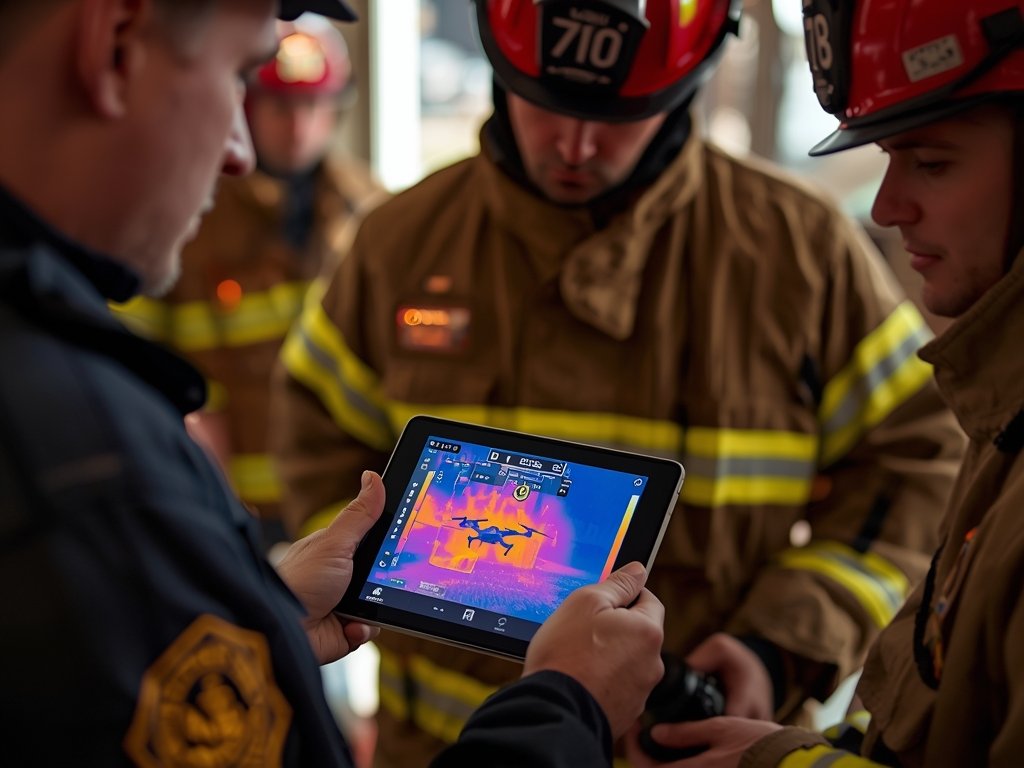
Investing in a thermal drone might seem expensive, but the return on investment is undeniable. A single drone can save millions in property damage and, more importantly, countless lives. For departments operating on tight budgets, this technology offers a cost-effective way to enhance capabilities without hiring additional personnel.
Moreover, drones reduce the risk to firefighters by providing critical information before they enter dangerous situations. In 2021, a drone in Michigan helped locate a collapsed floor in a burning warehouse, preventing a team of firefighters from walking into a deadly trap.
Federal Funding Opportunities
Fire departments don’t have to shoulder the cost alone. Federal grants, such as the Assistance to Firefighters Grant (AFG) and the Staffing for Adequate Fire and Emergency Response (SAFER) program, often cover the purchase of advanced equipment like thermal drones. With wildfires and urban fires on the rise, securing funding for these devices is easier than ever.
Overcoming Challenges: Training and Integration
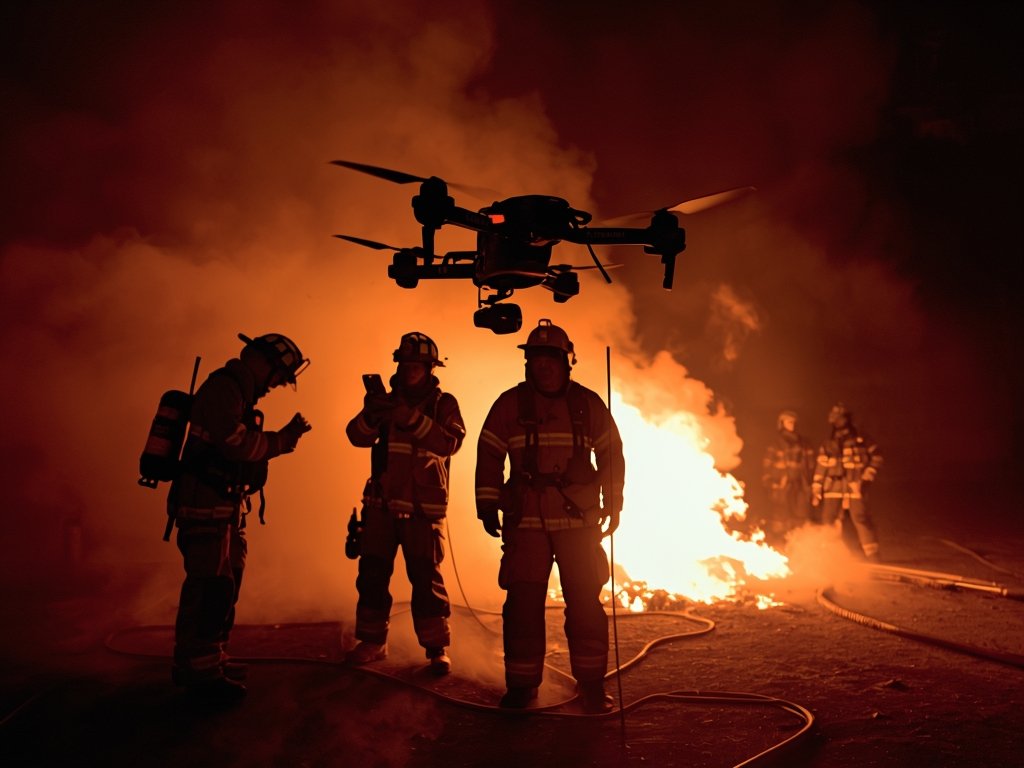
Adopting new technology isn’t without challenges. Firefighters need proper training to operate thermal drones effectively, and departments must integrate this technology into existing protocols. However, the learning curve is manageable, and the benefits far outweigh the initial hurdles.
Many drone manufacturers offer specialized training programs tailored to firefighting needs. Additionally, organizations like the National Fire Protection Association (NFPA) are developing guidelines to ensure safe and effective drone use in fire operations.
Community Support: Building Trust Through Transparency
Some communities may have concerns about drones, particularly regarding privacy. Fire departments can address these worries by being transparent about how and when drones are used. Public demonstrations and educational campaigns can help build trust and highlight the life-saving potential of this technology.
The Future is Now: Why 2026 is the Tipping Point
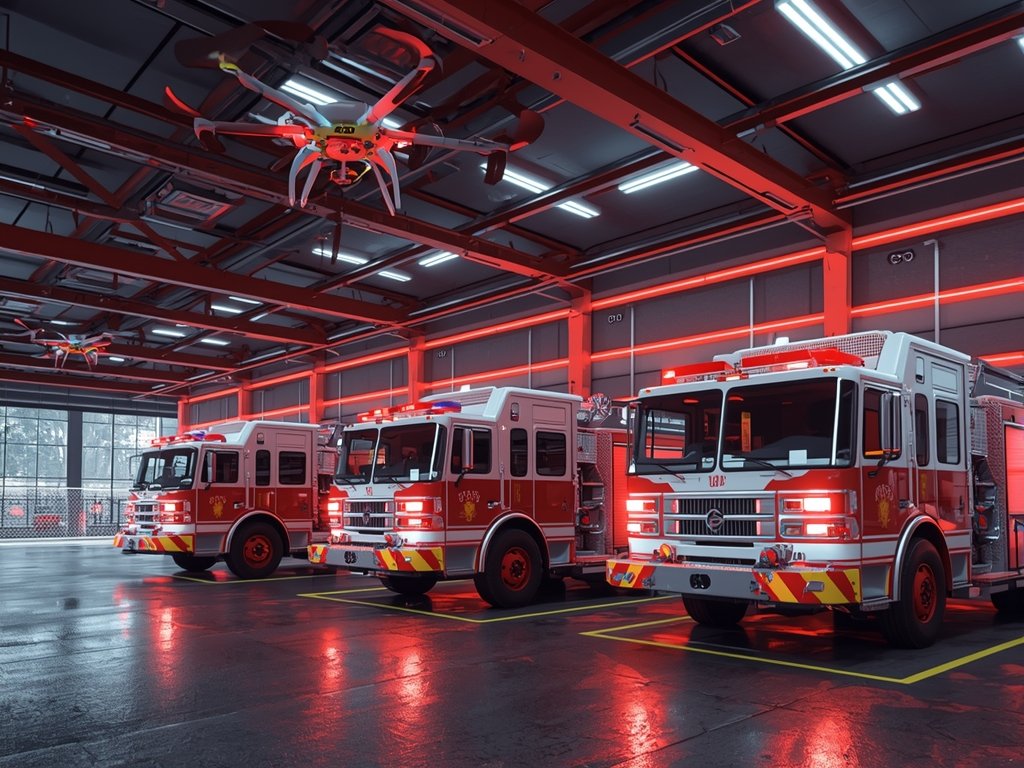
By 2026, thermal drones will no longer be a novelty—they’ll be a standard tool in every fire department’s arsenal. Advances in battery life, camera resolution, and flight autonomy will make these devices even more effective. As climate change fuels more frequent and intense fires, departments that fail to adopt this technology will be at a severe disadvantage.
The writing is on the wall: thermal drones are the future of firefighting. From rural volunteer departments to urban firehouses, every crew can benefit from the enhanced situational awareness and safety these devices provide.
FAQ
How much does a thermal drone cost?
Prices vary depending on features and capabilities, but most thermal drones suitable for firefighting range from $10,000 to $50,000. Federal grants can often offset these costs.
Can thermal drones operate in all weather conditions?
Most thermal drones are designed to withstand rain, wind, and extreme temperatures, but severe weather can limit their effectiveness. Always check the manufacturer’s specifications.
How long can a thermal drone fly before needing to recharge?
Flight times typically range from 20 to 40 minutes, depending on the model and environmental conditions. Advances in battery technology are expected to extend this in the coming years.
Are there any legal restrictions on using drones for firefighting?
Yes, drone operations are regulated by the FAA. Fire departments must obtain a Certificate of Authorization (COA) or fly under Part 107 rules. Proper training and compliance are essential.
Can thermal drones be used at night?
Absolutely. Thermal imaging works independently of visible light, making drones equally effective day or night. This is particularly useful for wildfires, which often spread rapidly after dark.
Join Our Pilot Community
Connect with fellow drone enthusiasts, share your aerial shots, and get access to free PDF ebook guides.