
The Sky’s the Limit: How 5G is Revolutionizing Drone Piloting

The world of drone technology is undergoing a seismic shift, and it’s all thanks to the rollout of 5G networks across the United States. As this cutting-edge connectivity takes hold, remote piloting is being transformed in ways that were once the stuff of science fiction. From breathtaking speeds to unprecedented control, 5G drone connectivity is unlocking new possibilities for enthusiasts, professionals, and industries alike.
Lightning-Fast Speeds: The Game-Changer for Remote Control
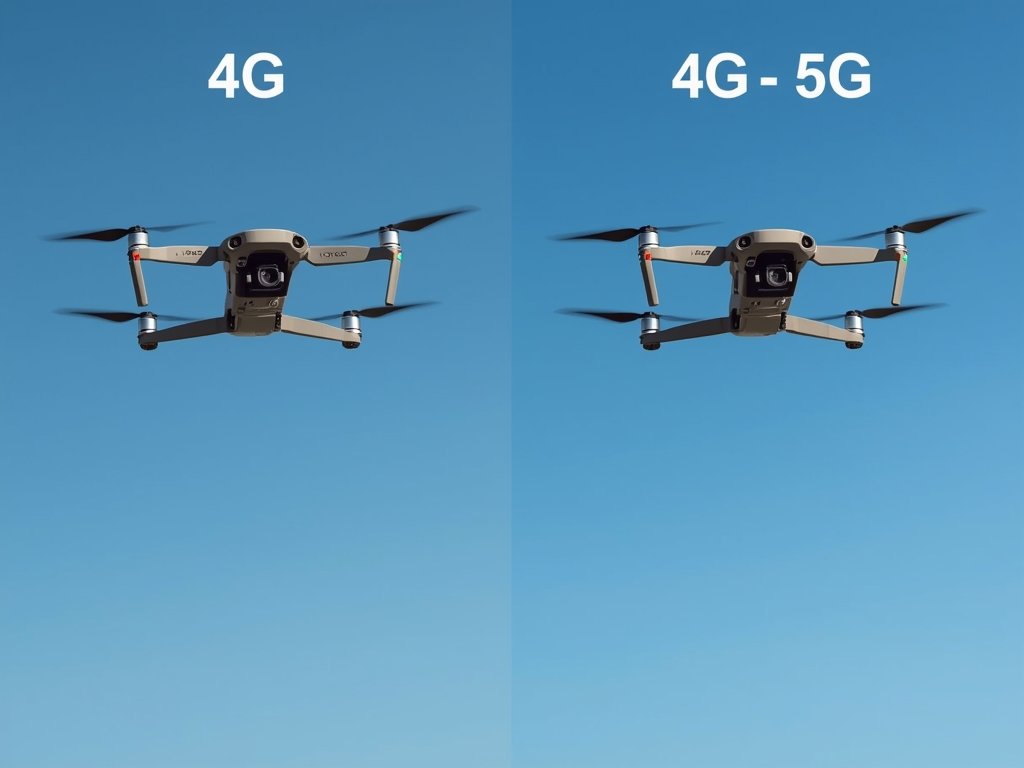
One of the most significant advantages of 5G drone connectivity is the lightning-fast speeds it enables. With data transfer rates up to 100 times faster than 4G, pilots can now experience near-instantaneous control over their drones. This means smoother, more responsive maneuvering, even in complex environments.
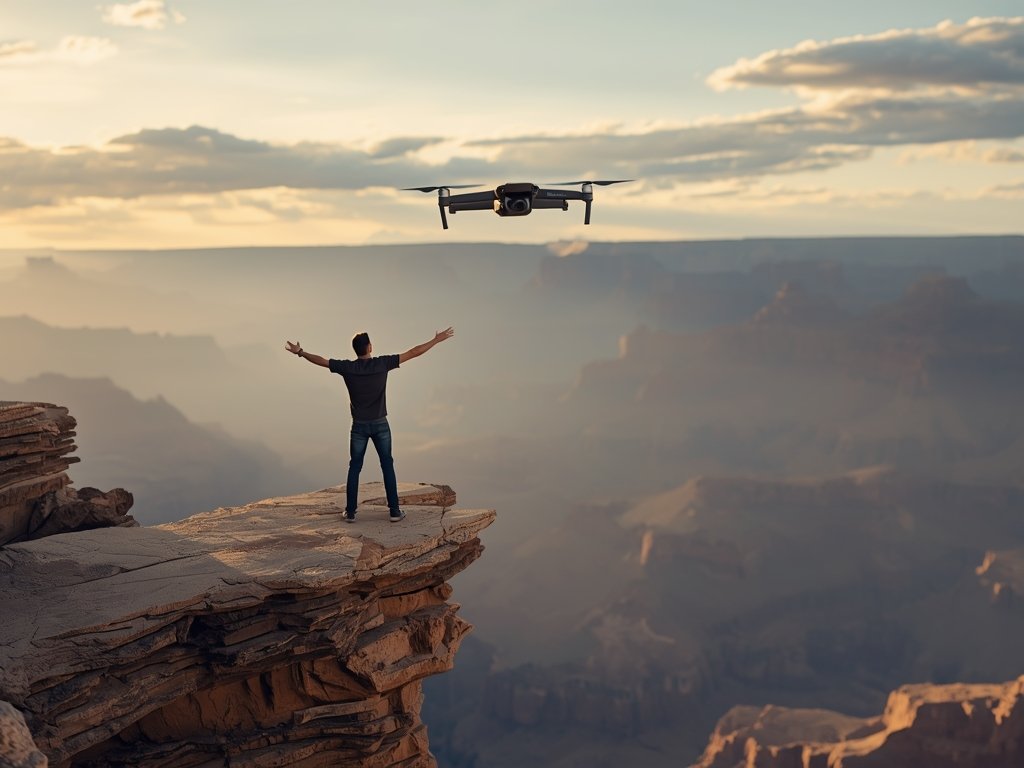
For instance, consider a search and rescue operation in the rugged terrain of the Grand Canyon. With 5G, drone pilots can navigate tight spaces and respond to changing conditions in real-time, potentially saving precious minutes – and lives.
Latency: The Achilles’ Heel of Remote Piloting
Latency, the delay between a pilot’s input and the drone’s response, has long been a challenge in remote piloting. However, 5G’s ultra-low latency – as little as 1 millisecond – is changing the game. This near-instantaneous response time allows pilots to execute precise movements, making complex maneuvers and delicate operations a breeze.
Unleashing the Power of High-Definition Video
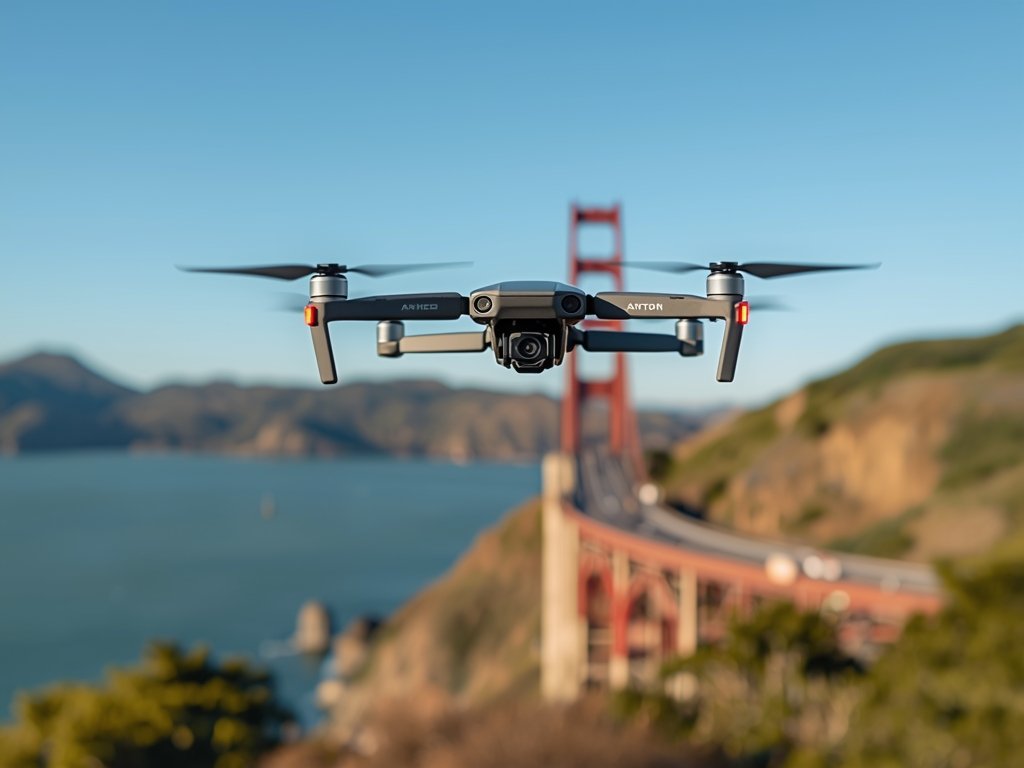
5G drone connectivity isn’t just about speed – it’s also about the quality of the data being transmitted. With the ability to handle massive data streams, 5G enables high-definition video transmission, opening up new possibilities for aerial cinematography, inspections, and surveillance.
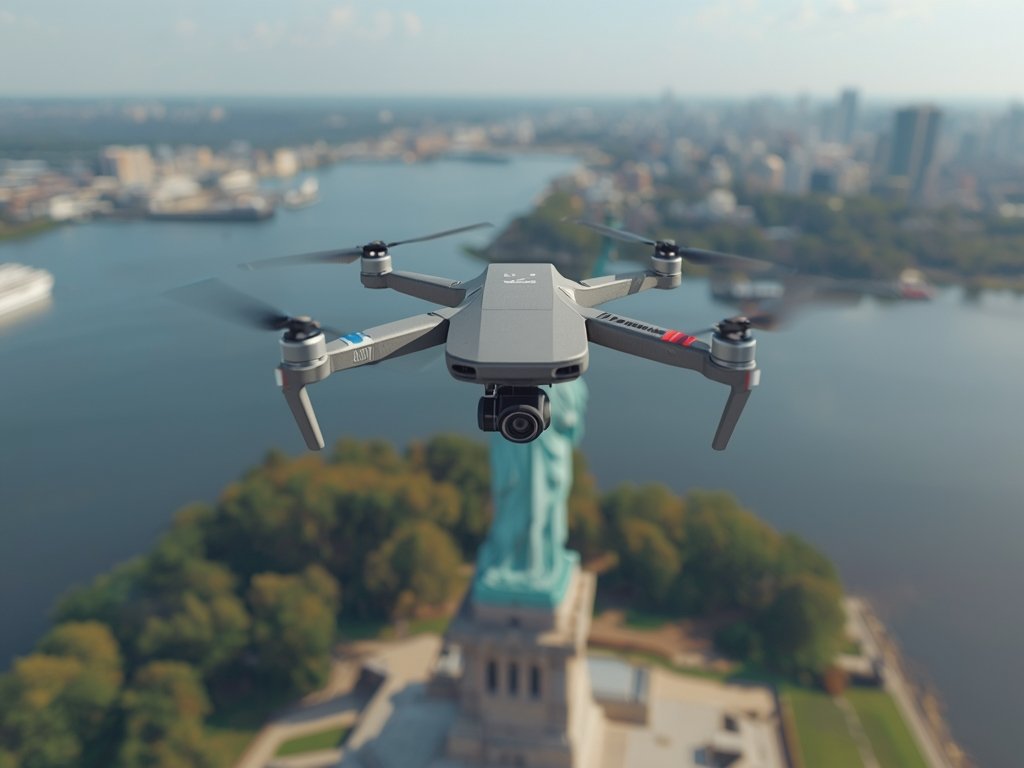
Imagine a film crew capturing breathtaking aerial shots of the New York City skyline, or a utility company inspecting power lines in rural Texas. With 5G, these tasks become more efficient, cost-effective, and safe.
Live Streaming: A New Era of Real-Time Monitoring
The combination of high-speed data transfer and low latency makes 5G ideal for live streaming applications. This is particularly valuable in industries like public safety, where real-time monitoring can mean the difference between life and death. For example, during a wildfire in California, 5G-enabled drones can provide firefighters with up-to-the-minute footage, helping them make informed decisions and allocate resources effectively.
Expanding the Horizons of Drone Applications
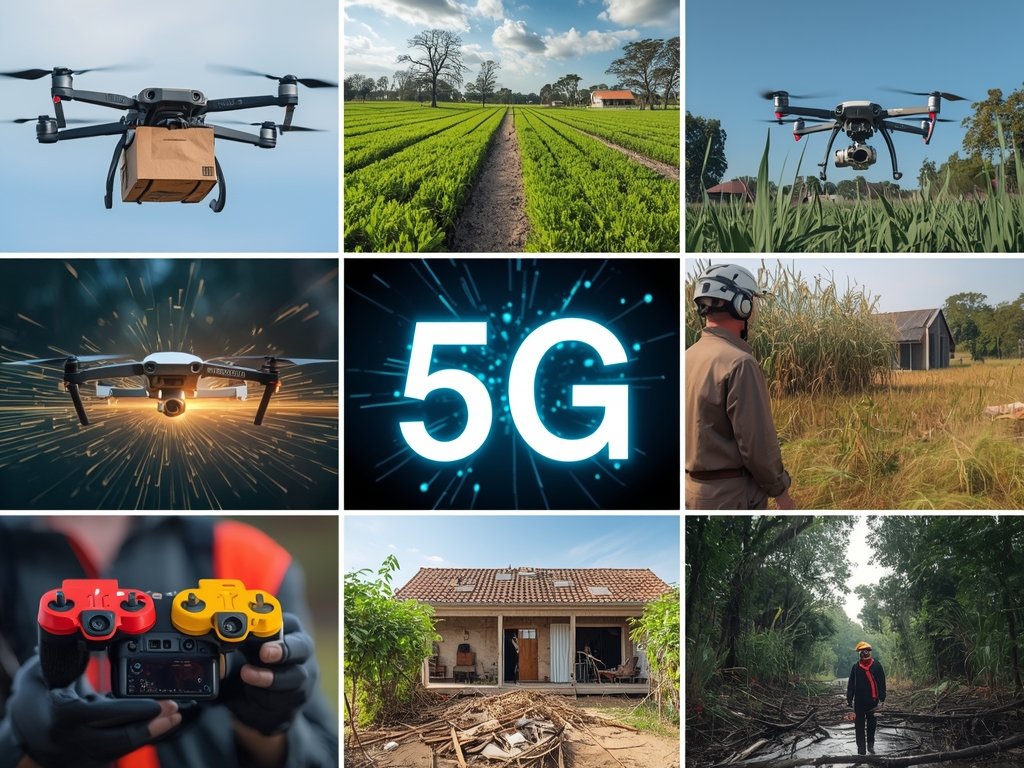
As 5G drone connectivity continues to evolve, we’re seeing an explosion of new applications across various industries. From package delivery to agricultural monitoring, the possibilities are endless. In the United States, companies like Amazon and UPS are already exploring the use of drones for last-mile delivery, while farmers in the Midwest are using them to monitor crop health and optimize yields.
Drone Swarms: The Future of Coordinated Operations
One of the most exciting developments in 5G drone connectivity is the emergence of drone swarms – large groups of drones working together in coordinated operations. With 5G’s high-speed, low-latency communication, these swarms can perform complex tasks, such as search and rescue missions or large-scale inspections, with unprecedented efficiency.
Navigating the Regulatory Landscape

As 5G drone connectivity takes off, it’s essential to consider the regulatory landscape. In the United States, the Federal Aviation Administration (FAA) has implemented strict guidelines for drone operations, including restrictions on flight paths, altitudes, and operator qualifications. However, the FAA is also working to accommodate the growing demand for drone technology, with initiatives like the Low Altitude Authorization and Notification Capability (LAANC) streamlining the approval process for commercial operations.
Safety and Security: Top Priorities for 5G Drone Operations
With great power comes great responsibility, and 5G drone connectivity is no exception. As drones become more prevalent, ensuring their safe and secure operation is paramount. This includes measures like geofencing, which prevents drones from entering restricted areas, and remote identification, which allows authorities to track and monitor drone activity. By prioritizing safety and security, we can unlock the full potential of 5G drone technology while minimizing risks.
FAQ
What is the maximum range of 5G drone connectivity?
The range of 5G drone connectivity depends on various factors, including the drone’s altitude, the environment, and the specific 5G network. However, in general, 5G signals can travel up to 1,000 feet (300 meters) from the nearest cell tower, enabling long-range operations.
Can 5G drones operate in remote areas without cell coverage?
While 5G drones rely on cellular networks for connectivity, there are solutions for operating in remote areas. One approach is to use satellite communication, which can provide coverage in areas without cell towers. Another option is to deploy temporary 5G infrastructure, such as mobile cell towers, to support drone operations in remote locations.
How does 5G drone connectivity impact battery life?
5G technology is designed to be more energy-efficient than previous generations, which can help extend drone battery life. However, the increased data transfer rates and processing power required for 5G connectivity can also consume more power. Manufacturers are working to optimize drone designs and battery technology to balance performance and efficiency.
What are the main challenges to widespread 5G drone adoption?
The main challenges to widespread 5G drone adoption include regulatory hurdles, infrastructure limitations, and public perception. As 5G networks continue to expand and regulations evolve, we can expect to see increased adoption of 5G drone technology across various industries.
How is 5G drone connectivity impacting the job market?
The growth of 5G drone connectivity is creating new job opportunities in fields like drone piloting, maintenance, and data analysis. As industries adopt drone technology, we can expect to see a demand for skilled professionals who can operate, manage, and optimize these systems.
Join Our Pilot Community
Connect with fellow drone enthusiasts, share your aerial shots, and get access to free PDF ebook guides.